Denon AVR-X2900H Review: A Sound Revolution in a Familiar Frame



Denon AVR-X2900H Review: A Sound Revolution in a Familiar Frame
Explore why the Denon AVR-X2900H AV receiver is stirring buzz with its sound quality and features, redefining home cinema experiences.
When Is It Time to Upgrade Your AV Receiver?
Every time I glance at my home theater setup, the same question pops into my head: isn’t it time to upgrade the heart of my system — the AV receiver? Year after year, manufacturers tempt us with flashy new badges, promises of breakthrough sound, and support for formats that sound like magical spells. But should you chase every new release if your current gear still does the job well?
Well, the Denon AVR-X2900H AV receiver, our guest in today’s deep dive, made me seriously reconsider. By the end of this review, you’ll see why sometimes a modest visual facelift hides a genuine audio revolution.
Key Specifications at a Glance
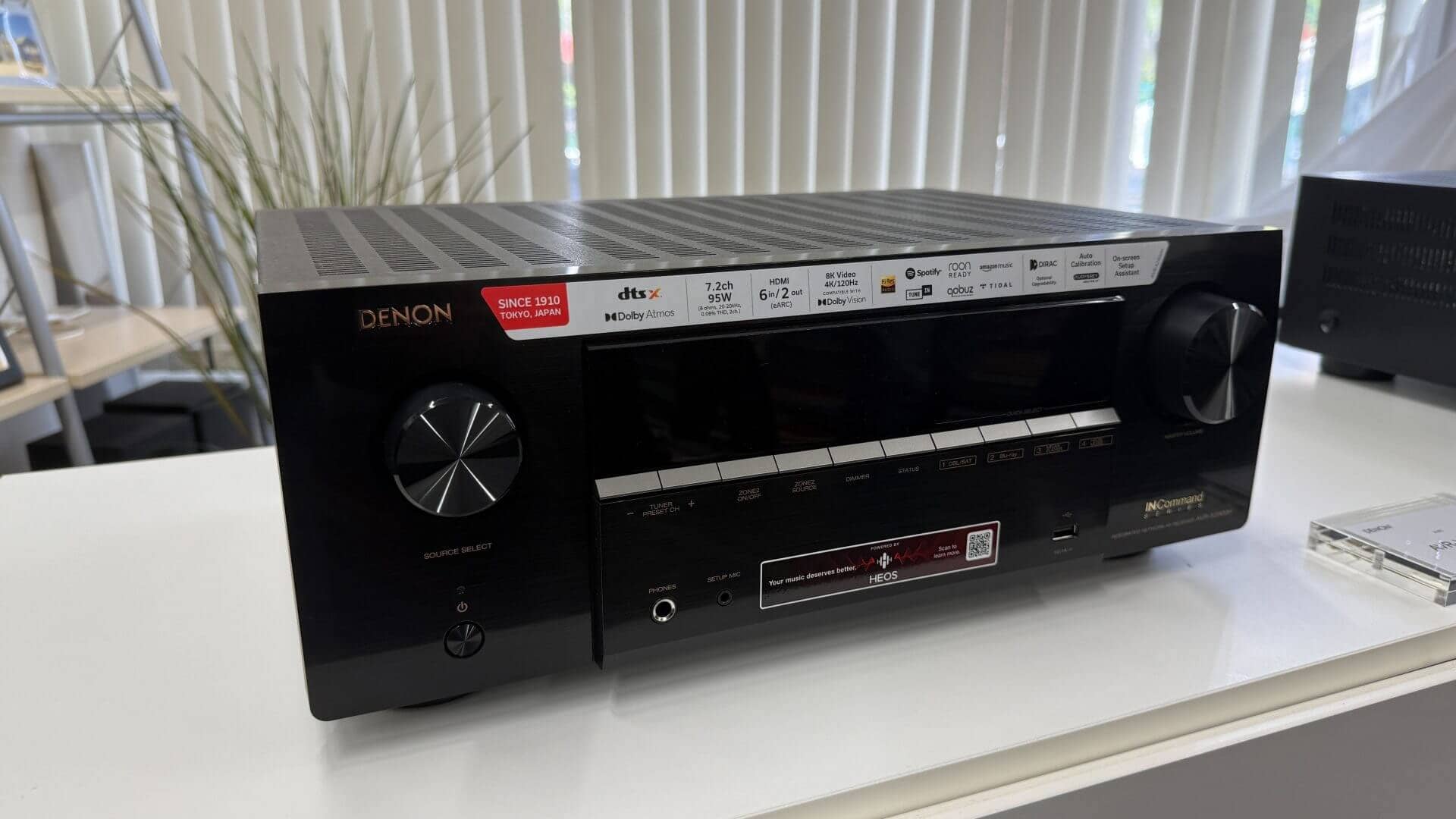
- Amplifier Channels: 7.1 / 5.1.2
- Rated Power: 95W per channel (with two channels driven)
- Supported Formats: Dolby Atmos, DTS:X
- Video: 8K passthrough, 1440p, HDR10+, AMD FreeSync
- Streaming: HEOS, AirPlay 2, Bluetooth, Wi-Fi
- Room Correction: Audyssey MultEQ XT (Dirac Live optional)
Availability and Pricing Insights
Currently, the Denon AVR-X2900H isn’t officially launched in some markets due to supply pauses, but thanks to parallel import schemes, it will likely arrive on store shelves soon. Based on prior models and market trends, its starting price is expected to hover around $1,500 USD at launch.
You’ll be able to find it through specialized Hi-Fi dealers or international delivery services, though keep in mind the unit’s hefty weight when calculating shipping costs.
Navigating Regional Use
One of the beauties of classic AV receivers like this Denon is their near immunity to regional restrictions. The intuitive on-screen menus support multiple languages, including Russian. The HEOS platform works well locally for streaming music across your network or accessing hundreds of internet radio stations.
The only hitch is with built-in streaming services such as Tidal or Qobuz; full functionality requires active accounts from abroad, since these platforms aren't officially available in some regions. Luckily, AirPlay 2 and Bluetooth are hassle-free, so firing up your favorite playlists from a smartphone takes just a couple of taps.
Pricing Battle and Competitors
It’s hard to believe it’s been four years since the highly praised Denon AVR-X2800H AV receiver hit the scene with stunning sound at a reasonable price. That model earned accolades and a loyal fanbase. But time waits for no one. The 2022 challenger, Sony TA-AN1000, shook up the market and claimed the crown for best receiver of the year, rattling competitors.
Denon’s new model carries an official UK price tag of £899 (~$1,200 USD), impressively holding steady through recent economic tremors. However, Sony’s TA-AN1000 has been around longer and often dips below £899 during sales, even reaching as low as £699 (~$930 USD). So Denon faces a tough fight for the audiophile’s wallet.
Why the Buzz Around the AVR-X2900H?
Denon chose not to chase a flashy revolution here but focused on refining the previous model’s weak spots. Early listeners note that the AVR-X2900H sounds richer and more emotionally engaging, especially in Dolby Atmos tracks and action scenes. Sony fans argue their machine delivers more punch and cinema theatrics. The crux lies not in raw power but in character: Denon aims for balance and detail, while Sony goes for aggressive wow-factor.
A hot topic is the inclusion of Dirac Live room correction, traditionally a feature of pricier receivers now trickling down to this segment. Audiophile communities debate whether the AVR-X2900H can approach the sound quality of top-tier Marantz and Anthem models once calibrated with Dirac. Some skeptics remind us that the amplifier hardware here remains mid-range, but the addition of Dirac is widely hailed as a game-changer for home theaters at this price point.
Potential Pitfalls for Owners
The biggest risk? Sky-high expectations. The AVR-X2900H won’t magically turn budget speakers into high-end beasts or replace expensive AV processors. Past Denon users have reported quirks like finicky HDMI-CEC behavior, odd source switching, and cluttered menus. If these issues persist, Sony fans won’t hesitate to call them out fiercely online.
Another sticking point might be Denon’s commitment to a familiar design language. For some, the receiver looks like a relic from the Blu-ray era — a big black box with minimal flair. Amidst sleek and futuristic competitors, this could irk those who prize aesthetics in their living room setup.
What Makes It Appealing for Local Buyers?
Several solid advantages stand out:
- Support for Dolby Atmos, DTS:X, 8K video passthrough, and gamer-friendly features like AMD FreeSync means it pairs well with PS5, Xbox Series X, and powerful gaming PCs.
- For those importing through parallel channels, this unit promises to be a versatile system hub for years to come.
Yet, official supply remains spotty in some areas, leading to price fluctuations. Some online HEOS services are region-locked, prompting users to rely on AirPlay 2, VPNs, or local media servers to fill gaps. Among audiophiles, jokes already circulate that this AVR might become "the people's Atmos receiver" — assuming pricing stays sensible.
Fan Theories and Future Horizons
The audio crowd speculates Denon is crafting the X2900H as a next-gen “gaming” receiver, with features like 1440p passthrough and FreeSync clearly targeting PC gamers. Some even fantasize about future models enabling fully wireless Atmos setups via Denon Home speakers — a dream that, while distant now, hints at a simpler, more elegant home theater future.
Who Will Love the AVR-X2900H?
- Home theater enthusiasts seeking a powerful setup without premium price tags
- Fans of epic film scores from “Dune,” Nolan’s blockbusters, and lush Atmos mixes
- Gamers using PS5, Xbox Series X, or gaming PCs
- Audiophiles who enjoy tweaking sound and acoustic room settings
Who Might Pass on It?
- Minimalists wanting ultra-sleek, slimline gear for stylish living rooms
- Audiophiles demanding flagship-level sound from Marantz or Anthem
- Owners of small rooms with simple 5.1 speaker setups
- Users who want maximum power with zero fuss over calibration
Design and Build Quality
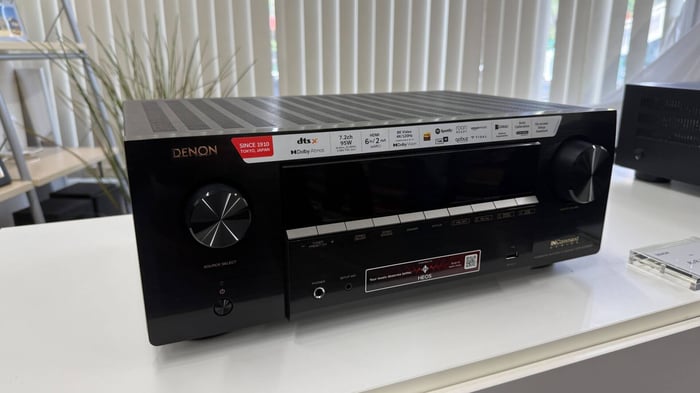
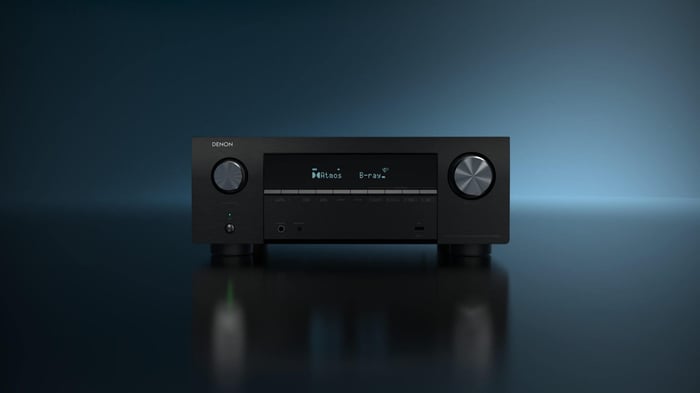
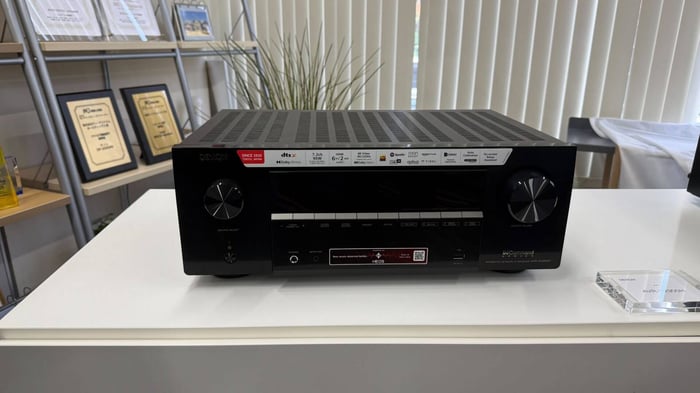
If there’s one thing you can count on with Denon, it’s steady design evolution. The X2900H looks like a natural heir to its predecessors: all business with a black metal front, a rectangular display, and a row of practical buttons.
That said, small ergonomic updates shine through. The front panel buttons are subtly angled upward — a clever touch if the receiver lives on a lower shelf, sparing you awkward finger gymnastics. The volume and source knobs got a refresh too.
Still, don’t expect a style icon. If you crave beauty in your rack, the sibling Marantz Cinema 30 might steal the show with its striking looks.
Features and Internal Hardware
We don't just buy AV receivers for looks, right? The meat is where it counts. Like its predecessor, the AVR-X2900H packs seven amplifier channels, supporting either 5.1.2 or classic 7.1 setups.
Rated power is 95W per channel, though note this applies to two channels driven simultaneously.
The 5.1.2 config hints at full Dolby Atmos and DTS:X support. The trusty Audyssey MultEQ XT room calibration remains, using the included mic to auto-adjust levels and delays for your space.
On the cutting edge, the receiver offers optional Dirac Live room correction — a premium upgrade requiring separate mic and software purchase.
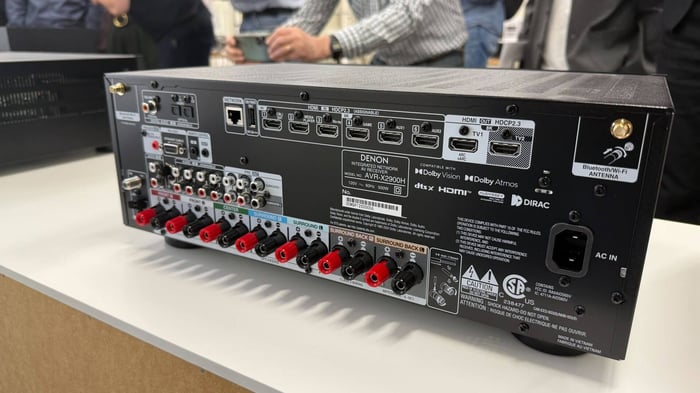
Connectivity shines with six HDMI inputs, three of which handle heavy 8K signals. Gamers get bonus support for 1440p passthrough and AMD FreeSync for smooth gameplay on PC and consoles.
Outputs include two HDMI ports: one with eARC for TV audio, the other for a second zone display.
HDR10+ is supported; though Dolby Vision isn’t officially mentioned yet, the previous model’s compatibility suggests it’s likely present.
Wireless options include Wi-Fi, AirPlay 2, Bluetooth, and full HEOS streaming access to Tidal, Qobuz, and more.
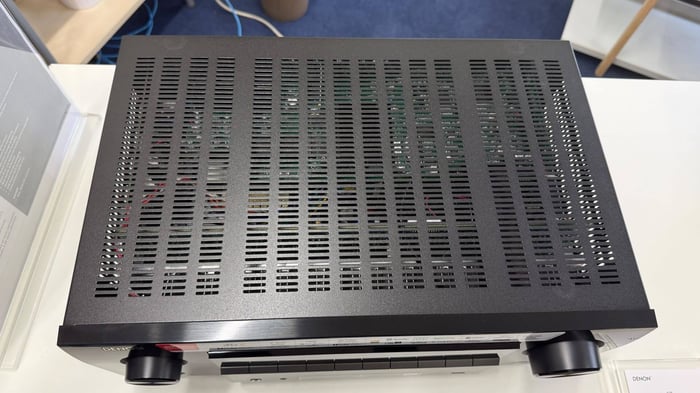
Under the hood, Denon touts a new 32-bit multichannel DAC architecture that promises precise sound imaging, sparkling highs, and tight, confident bass on all channels.
How Does It Really Sound?
This is where the rubber meets the road. While it’s early days for final judgments, I put the new X2900H and the older 2800H through a familiar stress test: the opening scene of “Dune.”
We hooked the AVR to a pair of Bowers & Wilkins 801 Diamond speakers — a seriously high-end setup for this price point, but an absolute joy to listen to.
The iconic moment when House Atreides soars over Arrakis on an ornithopter sounded bigger and fuller on the new receiver. Dynamics stayed tight, preserving perfect cinematic balance and immersion. Audio layers became richer and more detailed, especially vocal nuances — voices gained subtle inflections and expressiveness, enhancing the feeling of being right there, inside the vibrating, roaring cockpit.
The bass and overall punch, areas where Sony’s model excelled, show Denon’s serious improvements. When Hans Zimmer’s tribal drums kick in, they hit with springy energy and control. The sound remains tight and restrained but bass delivers that snap that makes epic movies even more thrilling.
Preliminary Verdict
We waited a long time for this update, and so far, patience pays off. After Sony’s bold challenge, we hoped for a radical retort from Denon. Instead, they took a thoughtful, evolutionary path: precise, subtle upgrades rather than flashy upheavals.
I think this is exactly the right call. The AVR-X2900H made a strong first impression, and now it just needs to cement its place with thorough testing in our measurement lab.
Global and Local Audiophile Buzz
Worldwide, the release has sparked genuine excitement, especially for Dirac Live integration. Once a preserve of flagship models, this room correction tech’s arrival in a mid-range device is a game-changer. Audiophiles note that buying a Dirac license could make this receiver a fierce competitor, elevating sound customization to new heights.
Locally, enthusiasts keep close tabs on the upgraded DAC architecture. After chip shortages and supply issues, brands have hunted for the perfect component combos. The new setup in the X2900H appears to deliver the soft yet detailed treble Denon fans have long awaited. Installers are gearing up to test the new gear thoroughly in real home environments soon.
Should You Buy It?
Absolutely — but with a caveat: consider your current system first.
Going back to my opening question: is chasing new badges worth it? For the X2900H, the answer lies in the details. This is one of those “quiet revolutions” where an advanced DAC and optional pro-level Dirac tuning matter far more than cosmetic tweaks.
If you’re building your first serious home theater or upgrading from an old early HDMI model, this receiver is a luxurious, musical, and modern foundation.
However, if you already own the AVR-X2800H, there’s no urgent need to rush. The sound improvements are noticeable and pleasant but not dramatic enough to justify an immediate upgrade.
One thing’s clear — buying in markets without official warranty coverage requires caution. Always purchase from reputable dealers who provide their own service guarantees.
Final Thoughts
The Denon AVR-X2900H is a clever upgrade without grand revolutions. It respects a winning formula but strengthens noticeable weak points: bass, soundstage, and gaming features.
Early impressions show a maturing, more dynamic soundstage with Atmos scenes breathing easier and feeling more energetic.
Yet a smooth victory is far from guaranteed. Sony’s TA-AN1000 remains a tough competitor with aggressive pricing and solid performance.
So the real question is: how well will Denon convince buyers to embrace its balanced, detailed sound over Sony’s high-octane flair?
“Denon decided not to launch a revolution just for hype and chose a different path — they improved the weak spots of the previous model.”
FAQ
- What audio formats does the Denon AVR-X2900H support?
It supports Dolby Atmos and DTS:X for immersive 3D sound experiences. - Can the AVR-X2900H handle modern gaming consoles?
Yes, it supports 8K passthrough, 1440p, and AMD FreeSync, making it excellent for PS5, Xbox Series X, and gaming PCs. - Is Dirac Live included with the receiver?
Dirac Live is available as a paid upgrade; you'll need to buy a microphone and software separately. - Does the receiver have wireless streaming options?
Absolutely, including Wi-Fi, AirPlay 2, Bluetooth, and the HEOS app for various streaming services. - How powerful is the amplifier?
It delivers 95 watts per channel (measured with two channels driven).
Looking to bring the sound of your favorite albums and artists into your living space? Shop our collection of stunning album cover posters to add that perfect touch to your music sanctuary at Architeg Prints.
 | DISCOUNTGET 30% OFF*Use code on your next order:
|
* This post may contain affiliate links, meaning we earn a commission if you make a purchase through these links, at no additional cost to you.