Yamaha Turns a Fish into a Stunning Guitar Amplifier Design



Yamaha Turns a Fish into a Stunning Guitar Amplifier Design
Explore how Yamaha’s HERRING amplifier creatively brings the herringbone pattern to life with fish-inspired artistry and design.
A Guitar Amp Like No Other: From Fish Market to Milan Design Week
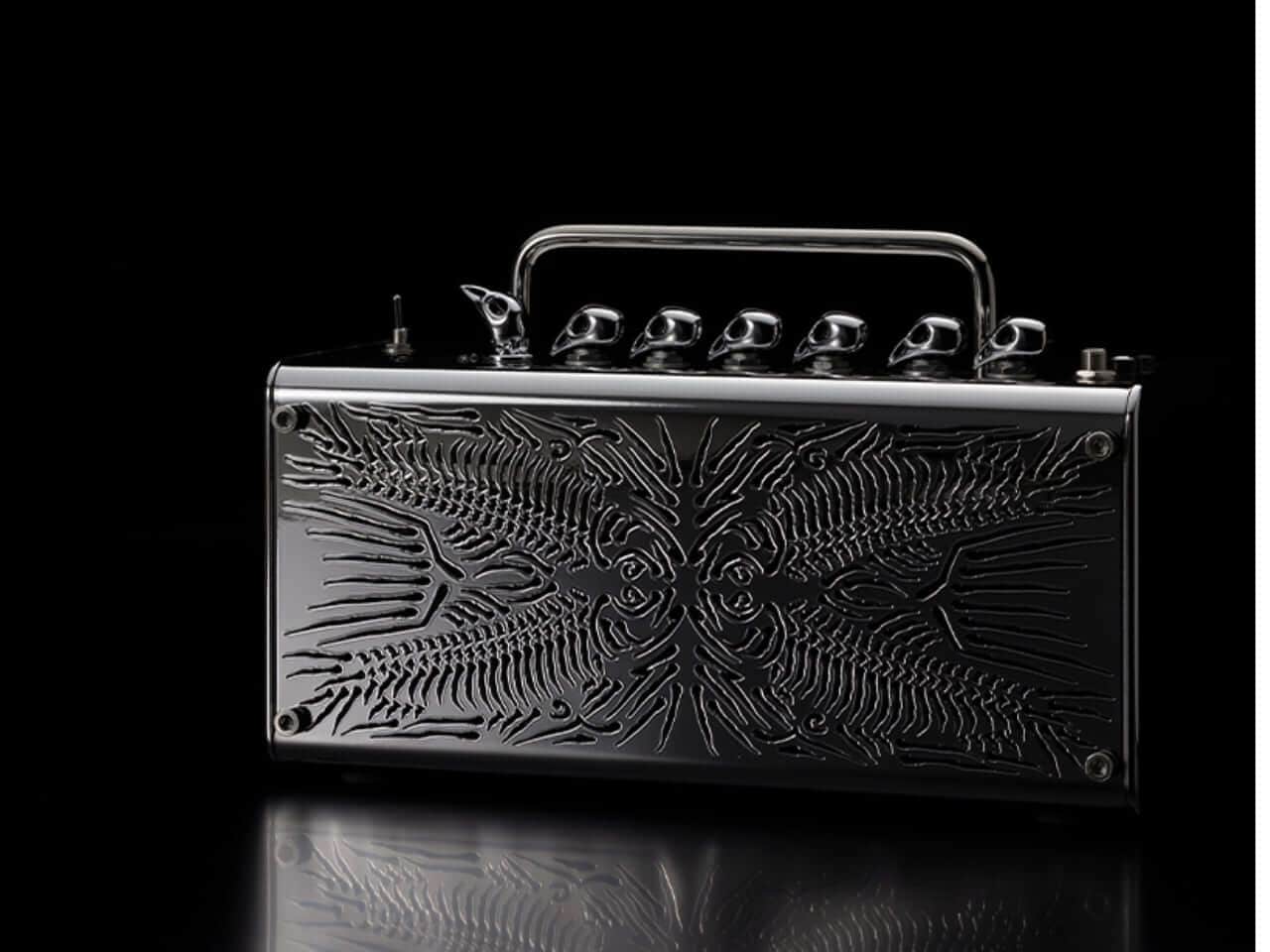
Imagine walking through a fish market and emerging with a guitar amplifier inspired by an actual fish. That’s exactly what happened when Yamaha teamed up with designer Koji Notomi to create the HERRING amplifier, a concept guitar amp rooted in the brand’s iconic THR5 model. This design is one of those rare moments where the idea is so clever and elegantly simple that once you get it, you can’t unsee the punchline.
The HERRING amplifier blends the worlds of music gear and natural form in a way that feels both witty and deeply thoughtful. It’s a perfect example of design that invites a slow, appreciative look, rewarding those willing to notice its subtle cleverness.
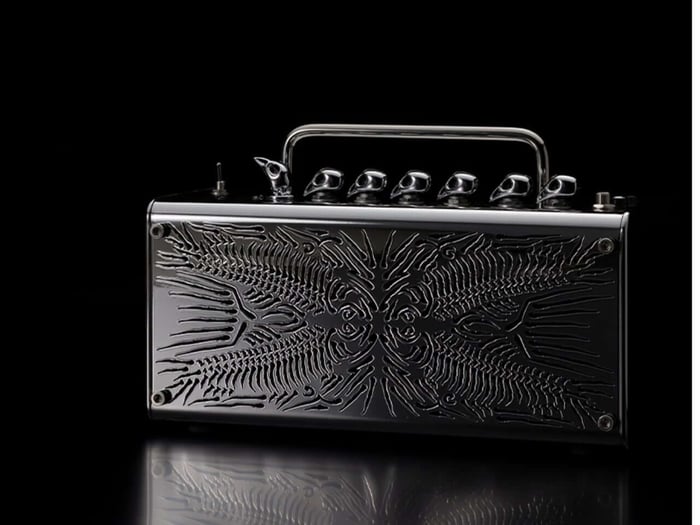
The HERRING amplifier’s front grille mimics a fish’s skeletal structure, merging design and nature.
What’s in a Name? The Literal Take on the Herringbone Pattern
You’ve probably seen the herringbone pattern everywhere—from stylish jackets and hardwood floors to speaker grilles and kitchen tiles. But have you ever stopped to wonder where this design term really comes from? Koji Notomi did. He asked the simple question most of us never consider: what if the herringbone pattern actually looked like a fish’s skeleton?
This curiosity sparked the entire project. Instead of just using the herringbone pattern as an abstract motif, Notomi took a literal plunge—he went to a fish market, bought a herring, dissected it, and meticulously sketched its skeleton by hand. This hands-on approach breathes authenticity into the amplifier’s design, making it more than just a decorative nod to nature.
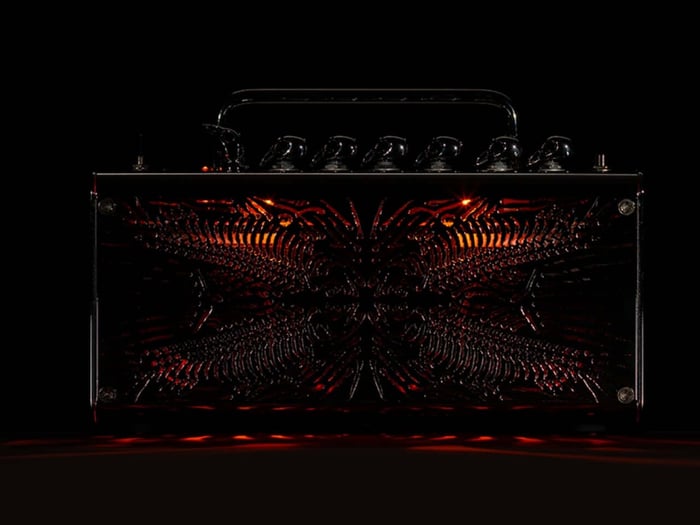
Notomi’s hand-drawn skeletal study of a herring inspired the amplifier’s grille.
Rather than relying on digital scans or ready-made references, this personal, physical connection to the fish elevates the piece. The skeletal grille doesn’t just mimic nature—it embodies it, working as both a functional speaker cover and a sculptural homage to the fish itself. It’s like the amp carries a tiny fish’s soul within its frame.
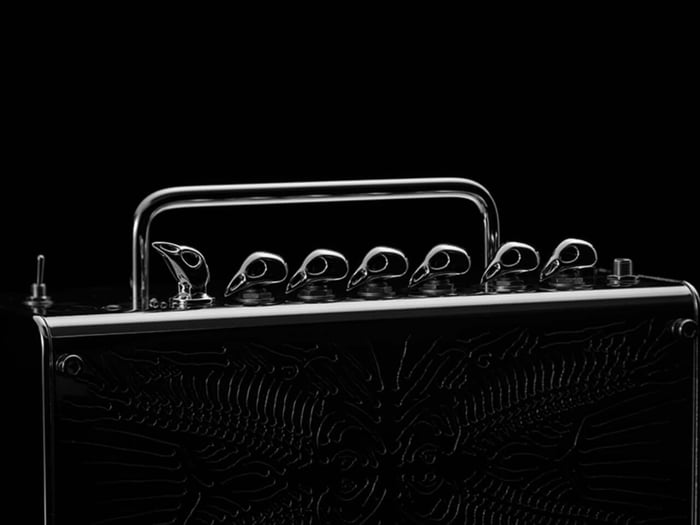
The skeletal design is anatomically accurate, merging form and function seamlessly.
Bird Heads on an Amp? The Playful “Chicken-Head” Knobs
If you’re a guitar enthusiast, you might already know amplifier knobs with pointed tips as “chicken-head” knobs—a quirky nickname from guitar culture. Notomi pushed this playful aspect even further on the HERRING amplifier. Each knob is sculpted into a tiny bird-head form that perches atop the amp like a row of watchful little sentinels.
Individually, these knobs add a whimsical flair. Together, they complete the design’s clever wordplay without stealing the spotlight. It’s the perfect balance of humor and subtlety, letting the design shine without feeling gimmicky.
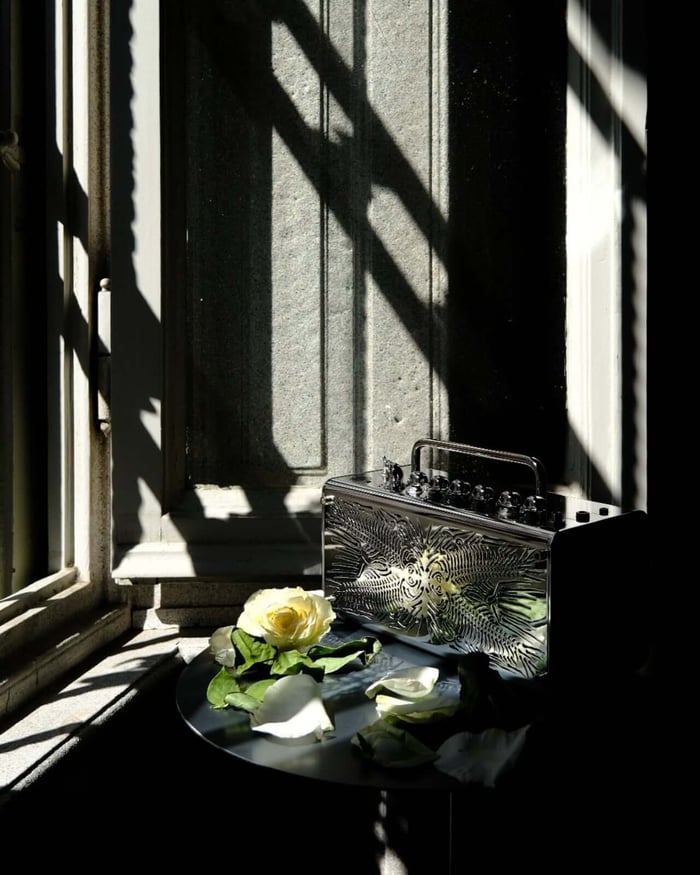
Exaggerated “chicken-head” knobs contribute a whimsical charm, enhancing the overall concept.
Beyond Humor: A Thoughtful Reflection on Design Language
HERRING isn’t just a fun play on words—it taps into a broader reflection on design language. We use a ton of nature-inspired terms in design—herringbone, dovetail, honeycomb, butterfly joint—and over time, these captivating images fade into mere vocabulary. The visual metaphor gets lost in translation.
What makes this project so special is how it reverses that fade-away effect. It pulls the term “herringbone” back to its literal roots, merging name and object into a single tangible experience. This kind of conceptual clarity is rare and shows a genuine intellectual curiosity that many designers overlook.
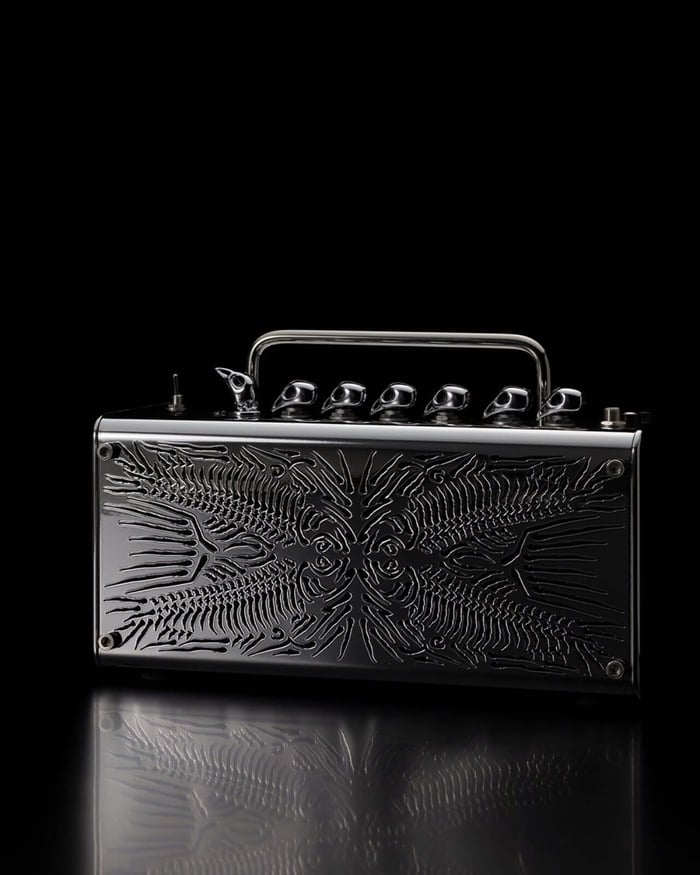
The HERRING amplifier’s design rewards close attention, blending playful wit with deep thought.
"It is playful, yes. But it is also a genuinely thoughtful piece of design thinking, and those two things are not in conflict here."
— Koji Notomi
FAQ
- What inspired the design of the HERRING amplifier?
Koji Notomi was inspired by the herringbone pattern’s origin, which is based on a fish skeleton. He took this literally by dissecting a herring and sketching its skeleton to create the amplifier’s grille design. - Are the bird-head knobs functional or purely decorative?
The knobs are fully functional but shaped as bird heads to play on the “chicken-head” nickname for certain amplifier knobs, adding a playful design element. - Is the HERRING amplifier available for purchase?
As of now, HERRING remains a concept piece showcased at design events and is not yet in production. - What is the significance of the hand-drawn skeletal design?
Drawing the fish skeleton by hand adds authenticity and intimacy to the design, making it a true homage rather than a generic pattern. - How does this design reflect on broader design language?
HERRING challenges the fading metaphors in design terms, bringing the literal meaning of “herringbone” back to life and blending concept with form.
If this unique blend of music and nature-inspired design speaks to you, why not bring a touch of that creative spirit home? Shop your favorite album cover posters and more at our store for some inspired wall art that celebrates the fusion of culture and creativity: Architeg Prints.
 | DISCOUNTGET 30% OFF*Use code on your next order:
|
* This post may contain affiliate links, meaning we earn a commission if you make a purchase through these links, at no additional cost to you.