Huawei FreeBuds Neo Review: Tiny Comfort Meets Big, Immersive Sound



Huawei FreeBuds Neo Review: Tiny Comfort Meets Big, Immersive Sound
Huawei FreeBuds Neo combines a featherweight fit, adaptive noise cancellation, spatial audio, and high-resolution sound in a stylish mid-range package.
Small Earbuds, Big Intentions
Some earbuds practically vanish once they’re in your ears. That’s the dream, really: no constant readjusting, no aching pressure after an hour, and no bulky case turning your pocket into a tech drawer. The Huawei FreeBuds Neo leans hard into that idea, pairing a discreet shape with ambitious audio features and a fashion-conscious color palette.
Announced for a global launch at IFA 2026, the FreeBuds Neo is designed for long, ordinary days—the kind that move from a noisy commute to a focused office session, then perhaps into an evening workout. The earbuds are compact enough to fade into the background, but their sound system and noise cancellation are built to make sure they don’t disappear sonically.
Huawei’s approach here is one of restraint. Rather than making the earbuds look like miniature sports equipment or packing them with visual flourishes, the company has focused on proportion, weight, and the way the buds sit inside the ear. It’s a familiar fan wish: technology that works hard without looking like it’s trying too hard.
A Lightweight Fit Built for Long Listening
The comfort story starts with a surprisingly low number. Each FreeBuds Neo earbud weighs approximately 4.8 grams, making them light enough to feel almost incidental once they’re properly positioned. That matters more than it might sound on paper. Even excellent earbuds become frustrating if they create pressure points or require frequent adjustments.
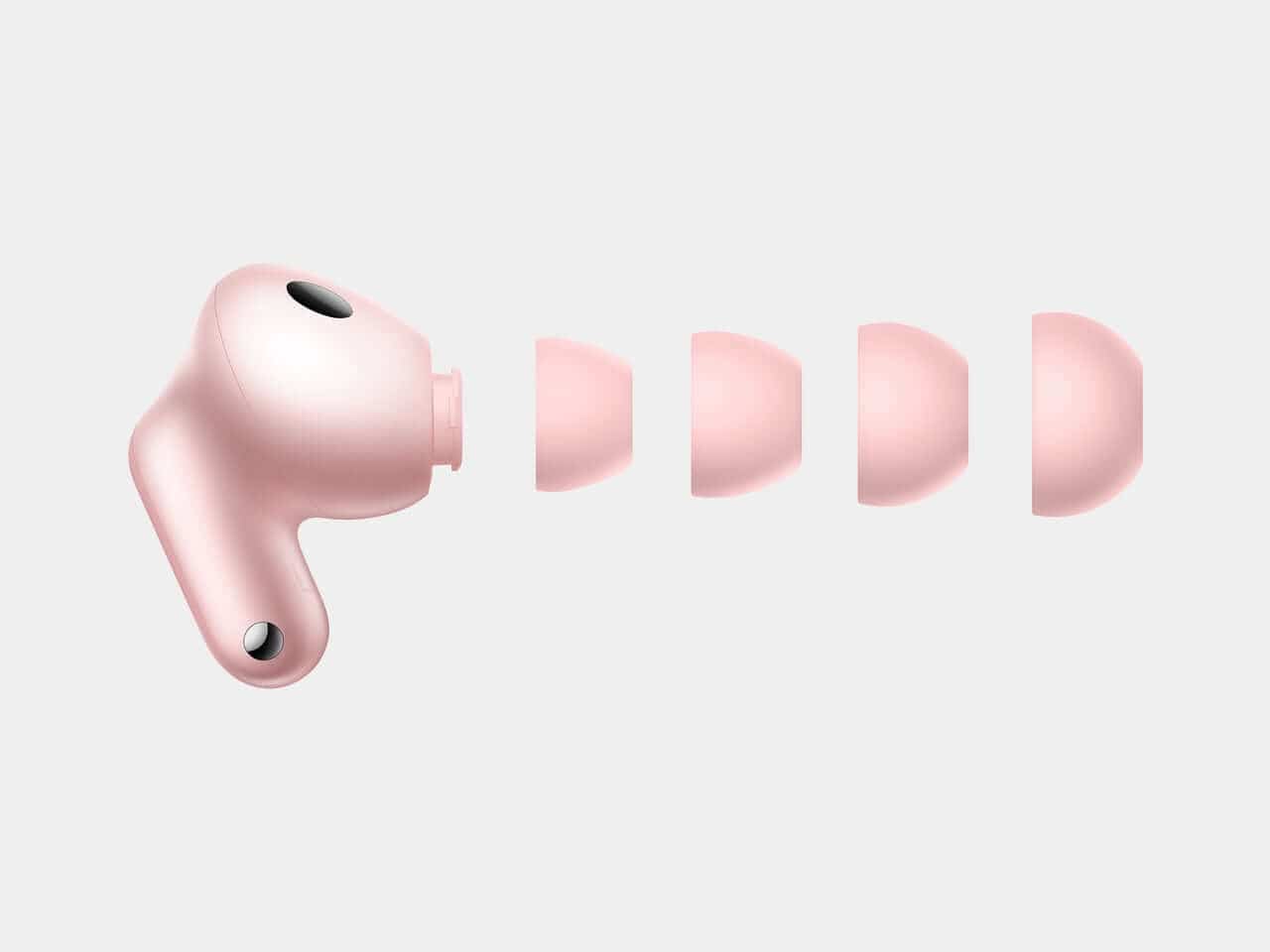
Huawei says the shape was developed using a significant collection of real human ear feature data. That information informed an ergonomic design intended to distribute pressure evenly rather than concentrating it in a few sensitive areas. The result is a fit aimed at reducing discomfort during extended listening sessions.
This isn’t just about sitting at a desk with a playlist running quietly in the background. The design also considers movement. Simulation tests recreated high-frequency motion, allowing Huawei to refine sections of the earbuds that might otherwise loosen during activity. In practical terms, that means the FreeBuds Neo is designed to remain anchored through workouts, commutes, and the general shuffle of a busy day.
There’s something pleasingly old-school about this kind of thinking. Before every product feature became a flashy headline, good hardware was often judged by whether it quietly made life easier. A comfortable earbud doesn’t ask for attention. It simply stays where it should.
Designer: Huawei
A Pocket-Friendly Case With a Bit of Personality
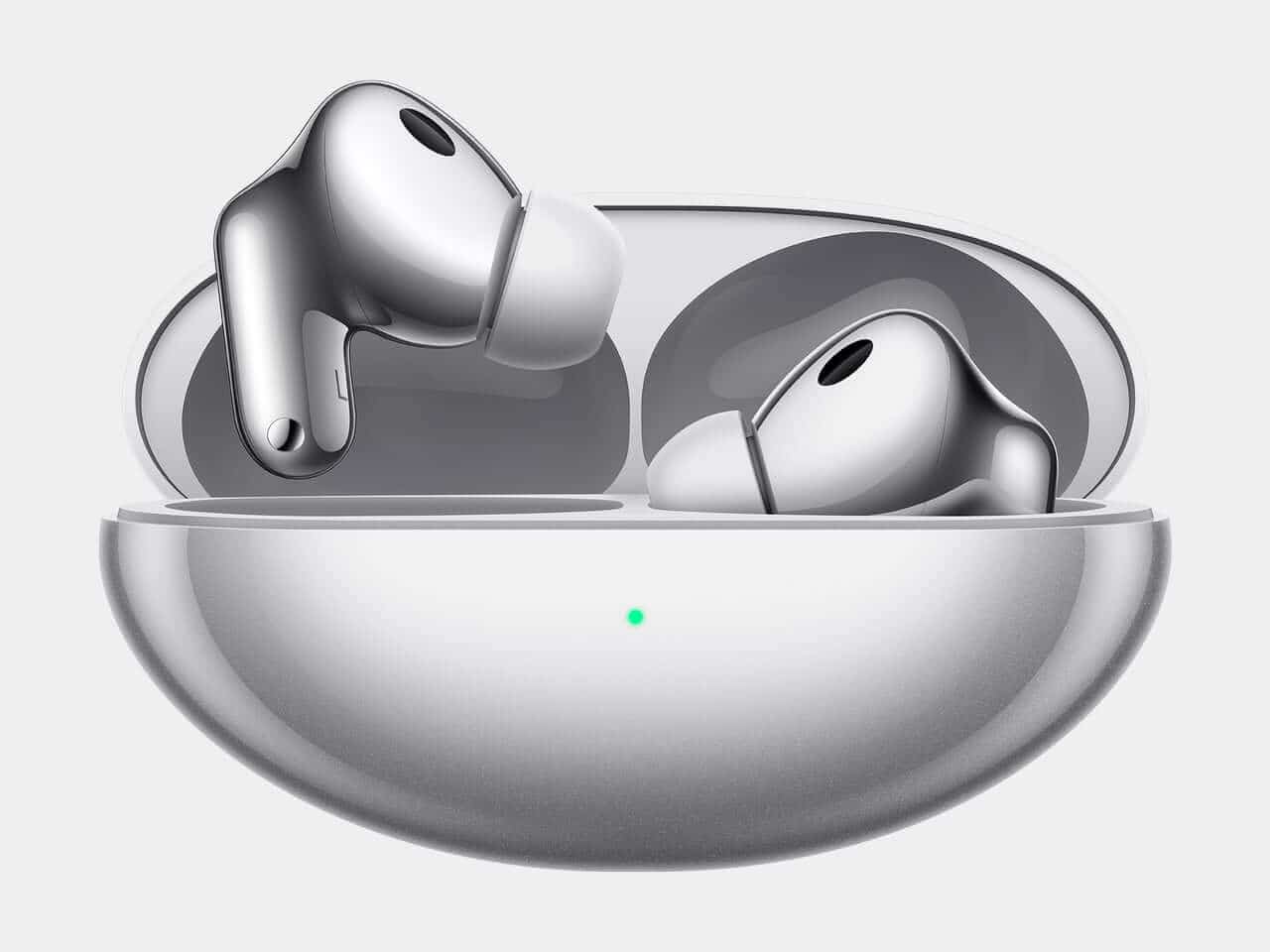
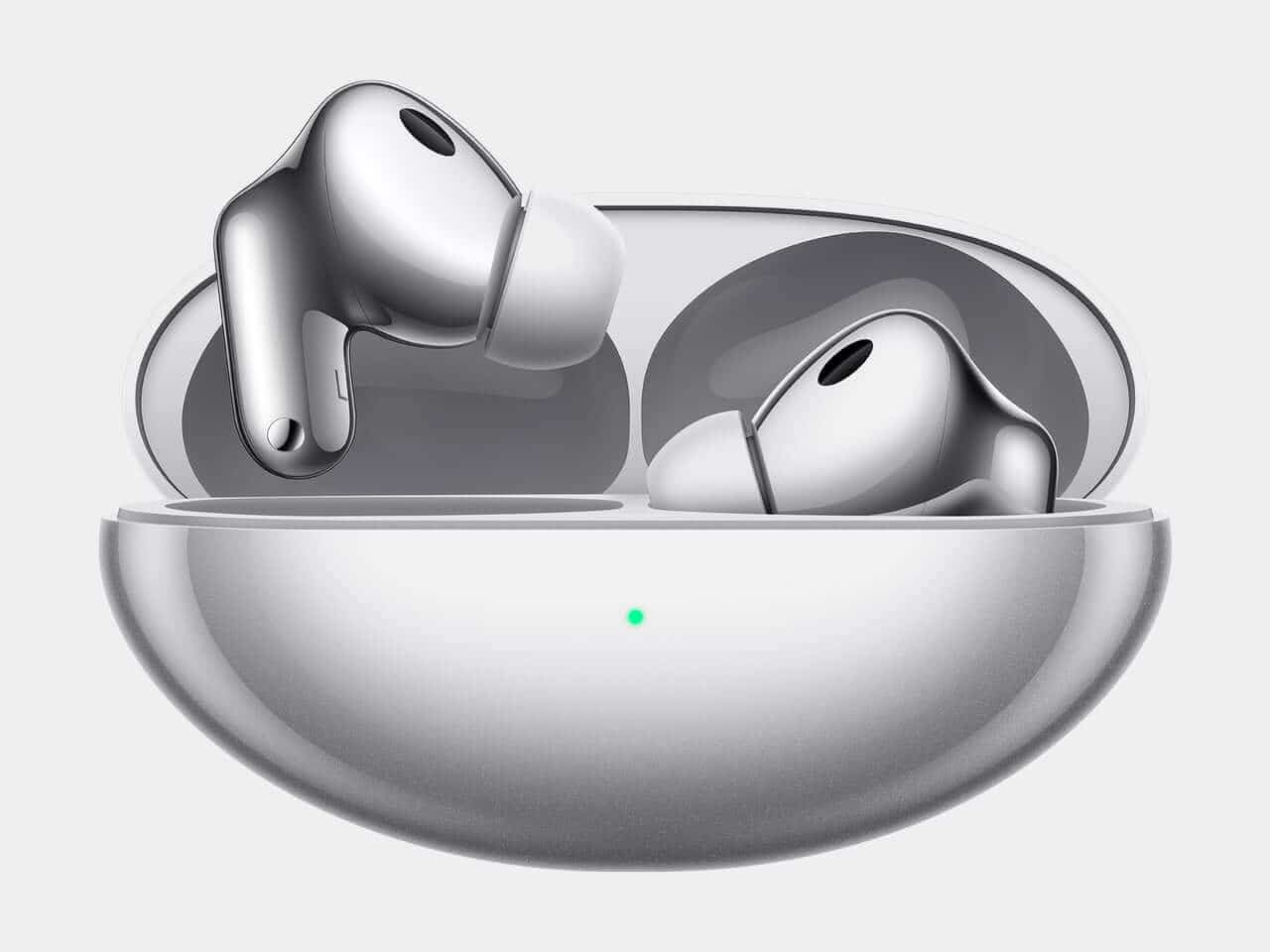
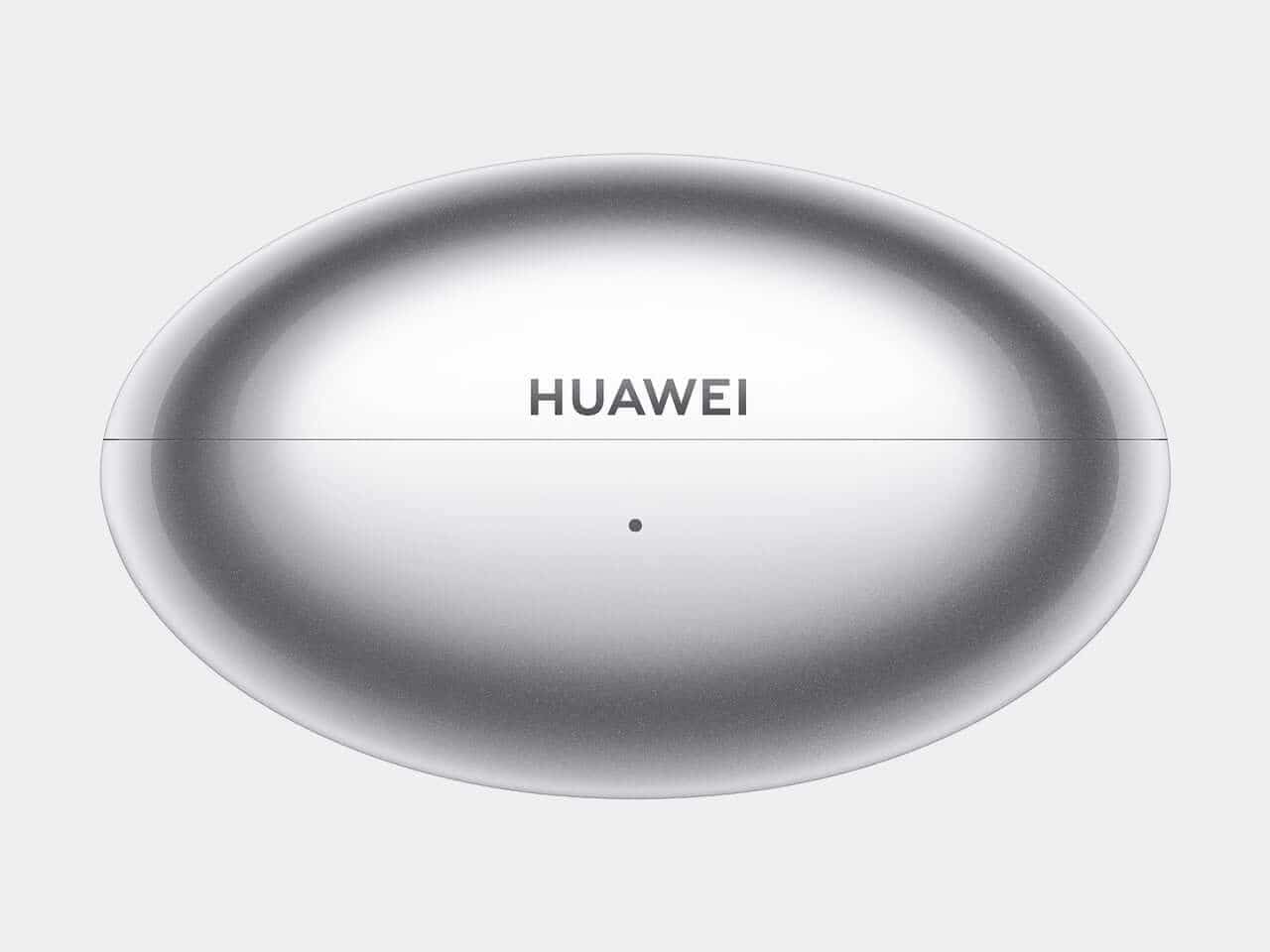
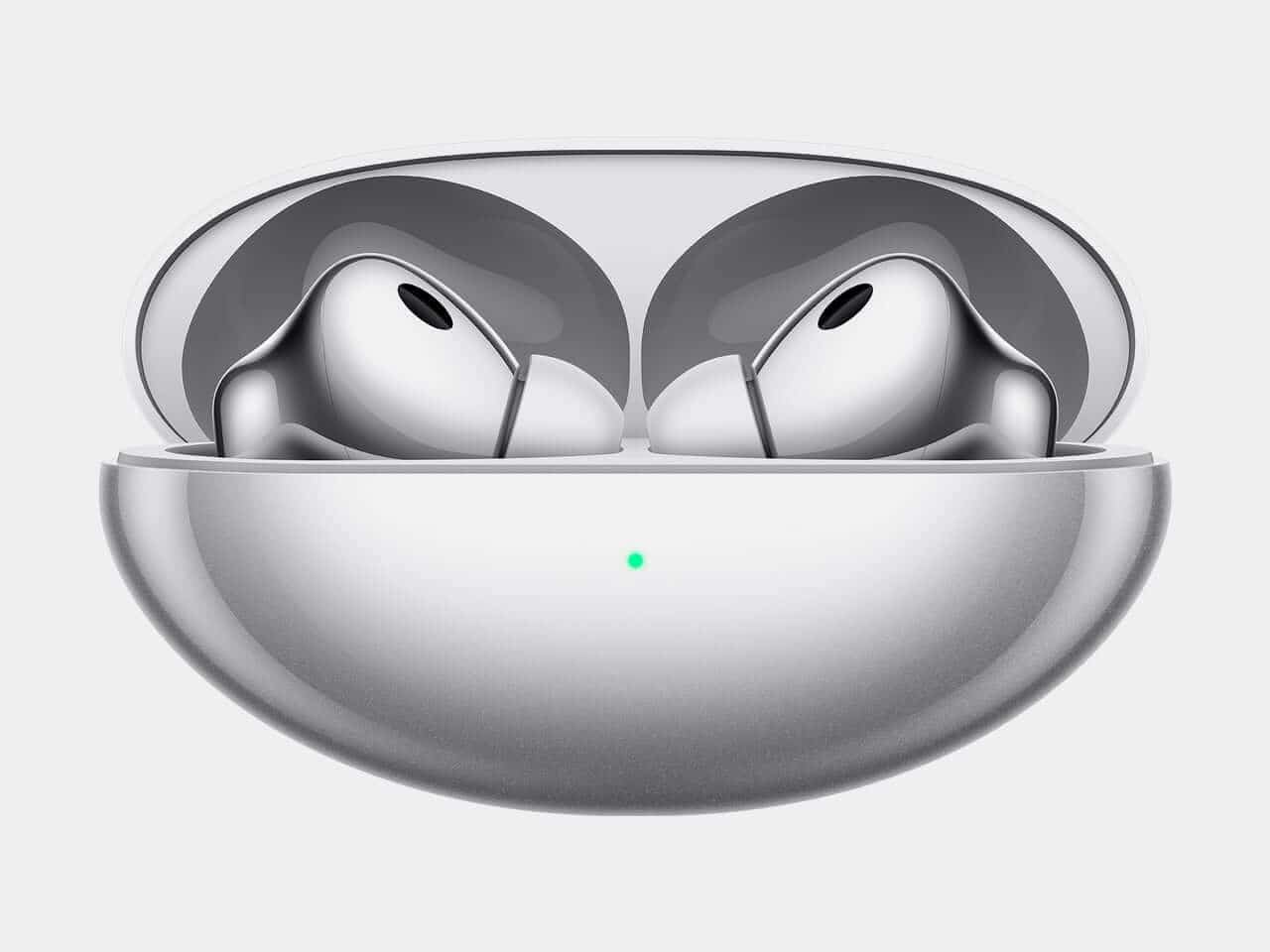
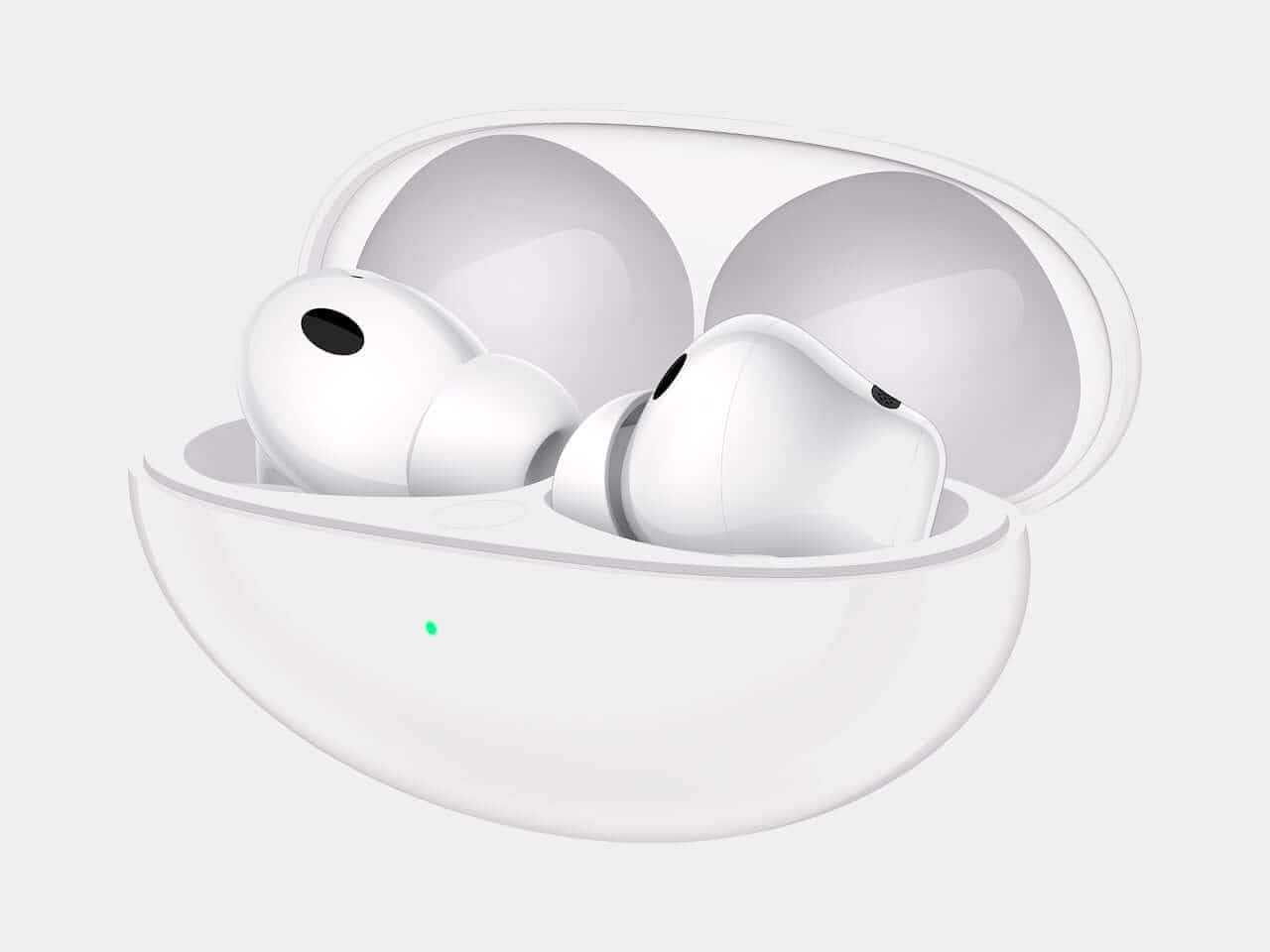
The case follows the same understated philosophy, though it isn’t completely anonymous. Huawei calls it the Mini shuttle case, and its fully curved body gives it a smooth, minimal silhouette. The lightweight construction is intended to slide into a pocket without creating the familiar hard-edged bulge that many charging cases leave behind.
That small footprint is part of the appeal. A case should be easy to carry, not another object you have to plan around. The FreeBuds Neo case seems built for the casual routine of dropping it beside your keys, slipping it into a jacket pocket, or finding it at the bottom of a backpack after a long day.
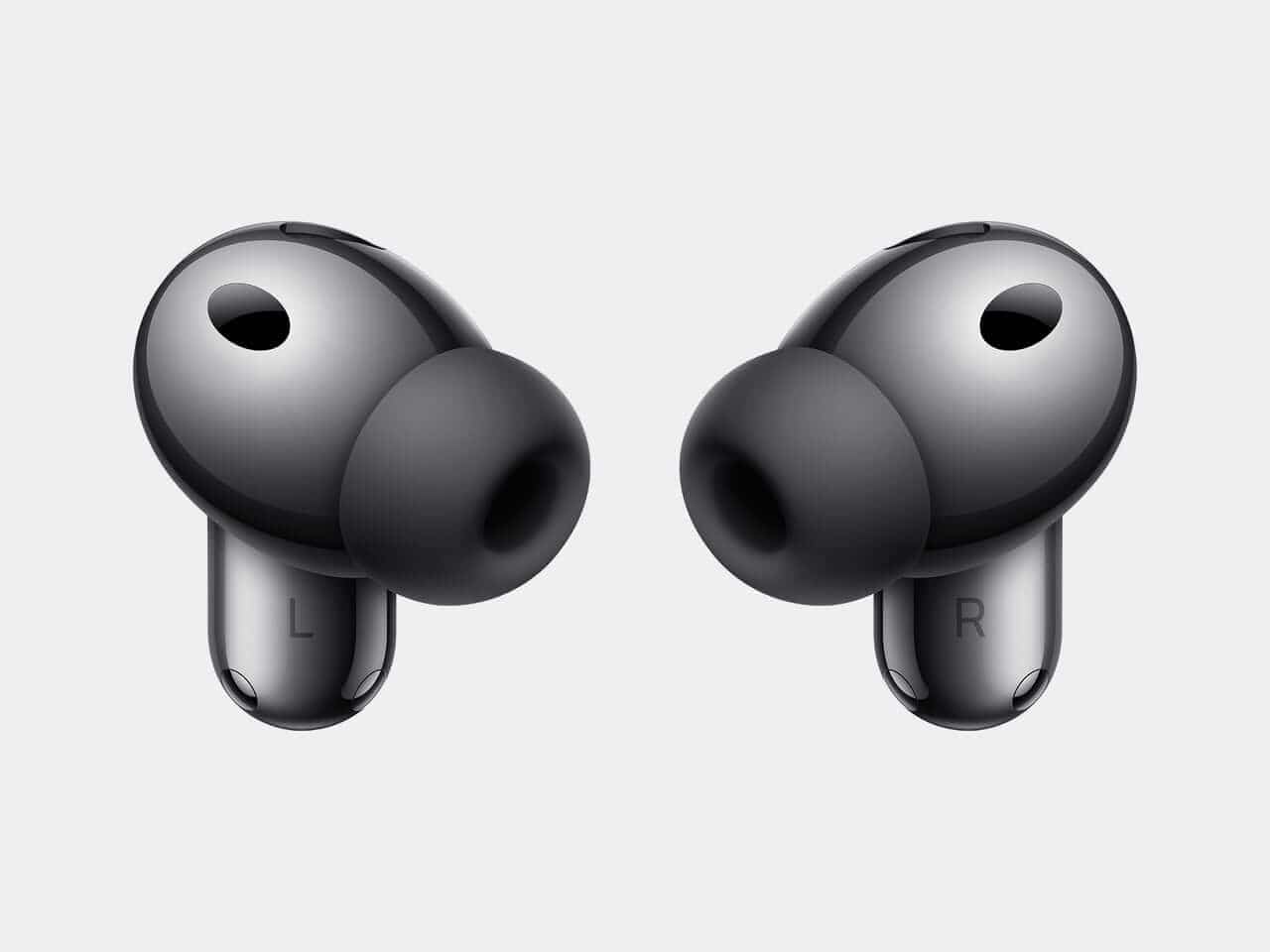
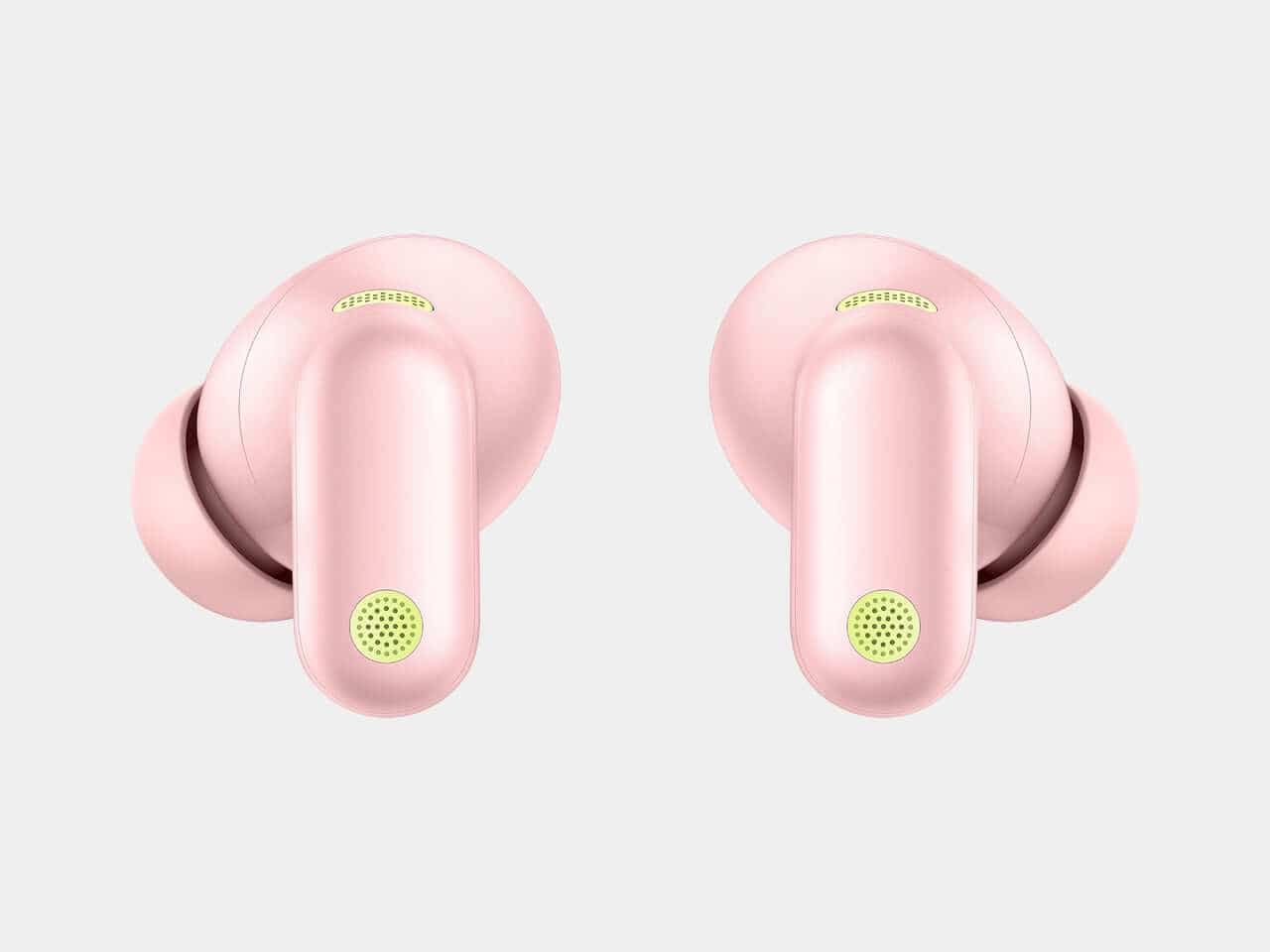
The four available colors add a more expressive layer: Stellar Silver, Nebula Pink, Ice White, and Starry Black. None of these options sounds overly loud, but each gives the case a distinct personality. The colors make the product feel closer to a small accessory than a purely functional piece of hardware.
The Light Mini Stem carries that same design language into the earbuds themselves. Its shape follows the natural contours of the ear, balancing a refined appearance with the practical goal of a secure fit. It’s a subtle detail, but those are often the details you notice after several hours of use—or, ideally, don’t notice at all.
Noise Cancellation That Adjusts on the Move
The compact exterior hides a dual-channel noise cancellation system designed to manage changing surroundings. Huawei says the architecture optimizes the sound paths inside the earbuds, helping reduce medium- and high-frequency noise such as wind and nearby conversations.
The system offers full-frequency noise reduction of up to 30dB. That figure is especially relevant in places where sound conditions shift quickly. A subway platform can be loud and chaotic one moment, while a quiet office may require a gentler touch just minutes later. Constantly reaching for an app or tapping through settings would rather defeat the point.
A third-generation audio chip handles the processing, reacting to changing environmental noise within milliseconds. That quick response is intended to keep the listening experience consistent as the environment changes around you. In fan terms, it’s the difference between feeling sealed into your music and feeling as though the outside world keeps tugging at the edges of every song.
The emphasis on medium- and high-frequency sounds also makes sense for everyday use. Wind, ambient chatter, and general public-space noise can be particularly distracting because they sit right in the range where voices, percussion, and musical detail often live. Reducing that interference helps the earbuds preserve a cleaner sense of focus.
A Wider Frequency Range for Music and Voices
The audio hardware receives its own upgrade through Huawei’s new Turbo driver unit. The driver supports a frequency response ranging from 10Hz to 48kHz, giving the FreeBuds Neo plenty of room to handle low bass, vocal detail, and high-frequency texture.
On a commute, that broad range is meant to keep bass feeling energetic rather than thin. During a podcast or video call, it helps voices remain clear and present. The goal isn’t simply to make everything louder; it’s to retain a sense of texture so music feels less like a flattened stream of data and more like a performance with shape and movement.
That ambition continues with high-bitrate transmission. When paired with a Huawei phone, the earbuds support lossless transmission of up to 2.3Mbps. With other compatible devices using LDAC, transmission reaches up to 990kbps. The exact experience will depend on the source device and listening material, but the specifications show that Huawei is aiming beyond basic convenience audio.
That balance is important. Earbuds have become everyday tools for albums, interviews, calls, films, and quick videos, so they need to handle more than one kind of sound. A product that can deliver punchy music but muddy spoken audio isn’t much of an all-day companion. The FreeBuds Neo is presented as a more flexible listener, ready for a bass-heavy playlist one minute and a detailed conversation the next.
Spatial Audio Without Locking You Into One Device
Huawei also brings unlimited spatial audio to the FreeBuds Neo. Using the company’s own algorithms, the system creates a 360-degree soundstage regardless of the source or device. That means a film played from a laptop is intended to feel more enveloping, rather than remaining trapped inside a narrow left-and-right presentation.
Spatial audio can be one of those features that sounds impressive in a specification list but becomes most meaningful when you stop thinking about it. In the best-case scenario, the effect creates a little more breathing room around instruments, dialogue, and effects. A movie soundtrack feels wider. A live recording seems to open up. The experience becomes less like sound sitting inside your ears and more like sound occupying the space around you.
Cross-platform support makes that feature more practical. The FreeBuds Neo works across Android, iOS, and Windows, helping it fit into mixed-device households and work setups. That flexibility is increasingly important because not everyone lives inside one brand’s ecosystem.
Dual-device connections add another useful layer. Users can move between a work laptop and a phone call without repeatedly opening Bluetooth menus or manually reconnecting. It’s a small convenience, but small conveniences are often what turn a gadget from an occasional accessory into something you reach for every day.
Price, Availability, and the Everyday Earbud Equation
The FreeBuds Neo is scheduled to arrive in the UK on September 23, 2026, priced at £119.99, or approximately $162. That positions it in the mid-range segment, below the cost of many flagship wireless earbuds while still offering noise cancellation, high-resolution transmission, spatial audio, and dual-device connectivity.
The pitch is straightforward: keep the earbuds light, make the case easy to carry, offer enough color choice to feel personal, and build in technology that adapts to real-world listening. Rather than demanding constant attention, Huawei appears to be betting on earbuds that quietly fit into a routine.
That may be the most appealing part of the FreeBuds Neo. They’re not presented as a dramatic statement piece or an intimidating audiophile instrument. They’re designed to be there when you need them and nearly invisible when you don’t—a soundtrack companion for commutes, calls, workouts, quiet offices, and everything between.
Conclusion
The Huawei FreeBuds Neo brings together a lightweight ergonomic design, adaptive noise cancellation, broad audio support, spatial sound, and cross-platform flexibility in a compact package. With four color options and a mid-range price position, it aims to make premium-feeling listening more approachable without turning the earbuds into a daily maintenance project. Would you prefer earbuds that make a bold visual statement, or ones that simply disappear into your routine?
FAQ
- What is the Huawei FreeBuds Neo?
The Huawei FreeBuds Neo is a pair of lightweight wireless earbuds with noise cancellation, spatial audio, high-resolution transmission, and support for Android, iOS, and Windows. - How much does each FreeBuds Neo earbud weigh?
Each earbud weighs approximately 4.8 grams, with the design intended to distribute pressure evenly for extended comfort. - How effective is the FreeBuds Neo noise cancellation?
Huawei states that the earbuds provide full-frequency noise cancellation of up to 30dB and can respond to changing environmental noise within milliseconds. - Which colors are available for the FreeBuds Neo?
The earbuds and case are offered in Stellar Silver, Nebula Pink, Ice White, and Starry Black. - When will the Huawei FreeBuds Neo be available?
The FreeBuds Neo is scheduled to launch in the UK on September 23, 2026, at a price of £119.99, approximately $162.
If this blend of music, design, and everyday technology speaks to you, take a look at our favorite album cover posters. They’re a warm, visual way to keep the soundtrack going even when your earbuds are back in their case.
 | DISCOUNTGET 30% OFF*Use code on your next order:
|
* This post may contain affiliate links, meaning we earn a commission if you make a purchase through these links, at no additional cost to you.