Sonos 27 Brings AI-Powered Control to Your Home Audio



Sonos 27 Brings AI-Powered Control to Your Home Audio
Sonos 27 adds AI assistants, smarter speaker positioning, portable surrounds, and a redesigned app to the connected audio experience.
A Fresh Chapter for Sonos Systems
There’s something wonderfully futuristic about telling your speakers what to play and watching the whole house respond. With Sonos 27, that idea moves closer to everyday reality as Sonos introduces a new audio operating system built around artificial intelligence, flexible device control, and simpler ways to move sound from room to room.
The update brings several major changes to the Sonos experience. Alongside AI-powered controls, the new software introduces fresh audio-sharing features, a redesigned app, and a broader platform for connecting speakers, soundbars, headphones, and portable devices.
The timing also lines up with two new products in the company’s Ultra series: the Beam Ultra soundbar and the Sonos Ace Ultra headphones. In other words, Sonos 27 isn’t arriving as a small software refresh. It’s being positioned as a wider rethink of how a home audio system behaves.
AI Takes a More Central Role
The biggest shift in Sonos 27 is its approach to AI. Rather than limiting users to one built-in voice system, Sonos is opening its platform to multiple assistants and AI agents.
At the center is the Sonos 27 voice assistant, designed specifically for music discovery and mood-based curation. The idea is less about barking out rigid commands and more about describing the atmosphere you want. Instead of searching through playlists manually, users can ask for music that matches a particular mood or moment.
That could make a difference during those familiar “What do I actually feel like listening to?” situations. We’ve all been there: standing in the kitchen, scrolling through endless albums while the room stays suspiciously quiet. A voice assistant focused on musical direction could help bridge that gap.
Sonos 27 also introduces Sonos 27 MCP, which allows external AI assistants and agents to connect with a Sonos system. The platform is intended to support services including ChatGPT, Claude, and Gemini, giving users more ways to control their home audio.
Controlling Music Through Other AI Assistants
This wider compatibility means users will be able to ask an external assistant to play music directly through their Sonos setup. A request made through a phone or computer could send audio into the home, allowing the Sonos system to respond without requiring users to open the dedicated app first.
The appeal is easy to understand. If you’re already using an AI assistant to organize your day, answer questions, or manage tasks, having that same assistant control your music makes the experience feel more connected. It’s a small change in theory, but the convenience could add up quickly.
Sonos is also previewing Custom Agents. This feature is expected to let users create their own AI agents using a selected AI model, persona, and voice. The available information doesn’t provide a final release date or a complete list of customization options, but the direction is clear: Sonos wants the system to become more adaptable to individual preferences.
That could mean different personalities for different listening habits, though the practical details remain part of the preview. For now, Custom Agents represent a future-facing piece of the Sonos 27 platform rather than a fully available feature.
Sonos Fabric Connects the System
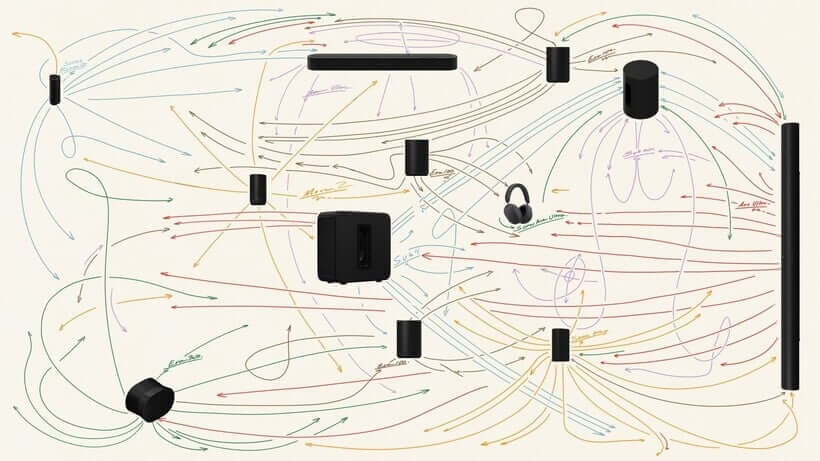
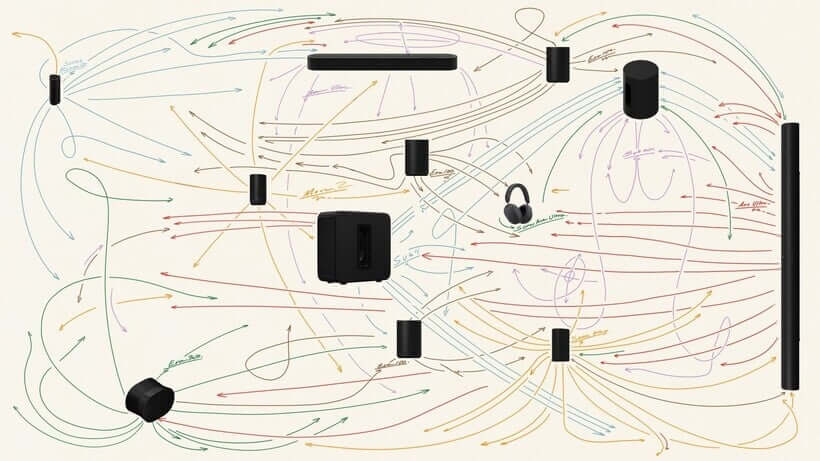
The AI features may grab the headlines, but Sonos Fabric is the technology intended to tie the company’s devices together more intelligently.
According to the information provided, Sonos Fabric enables interactions between devices that were not previously possible. One of its first major applications is Sonos Positioning Technology, which uses high-frequency sound to identify where a speaker is located.
Once the system understands a speaker’s position, it can automatically adjust that speaker’s role within the wider setup. This is designed to reduce the amount of manual configuration involved when arranging or rearranging a home audio system.
That’s a particularly useful idea for anyone who has ever moved a speaker and then had to dig through menus to make the system behave properly again. Instead of treating every change like a miniature home theater installation, Sonos 27 aims to make the setup more responsive.
Portable Surrounds Make Moving Speakers Easier
The next step follows naturally: if the system can identify where a speaker is, it can make better decisions about how that speaker should be used.
Sonos 27 enables a new portable surrounds feature for the Move 2 and Sonos Play. When one of the supported speakers is moved into position, it can automatically become a rear surround speaker.
Previously, users would need to configure the system manually. With the new feature, the speaker can take on its surround role without the same level of hands-on setup.
That gives portable speakers a little more flexibility. A speaker can be used casually in one part of the home and then shifted into a surround arrangement when the evening calls for a movie or more immersive listening. It’s a practical touch, and one that makes the idea of a flexible multi-room system feel less like a technical project.
The feature also fits neatly with the broader purpose of Sonos Fabric: making the different parts of the system understand one another more effectively.
Headphone Linking Bridges Private and Shared Listening
Sonos is also introducing headphone linking with the new Ace Ultra headphones. This Early Access feature allows audio to move between nearby Sonos speakers and the headphones.
The goal is to make switching between private listening and the wider home system much easier. You might be listening through a speaker, put on the Ace Ultra headphones, and continue privately without having to start over or navigate through a maze of settings.
That kind of handoff sounds simple, but it addresses a common friction point. Home audio often changes with the moment. One minute, music is filling the room; the next, someone needs quiet, or the household is winding down. Headphone linking is designed to make that transition feel more natural.
The feature also gives the Ace Ultra a closer relationship with the rest of the Sonos ecosystem. Rather than functioning only as standalone headphones, they are intended to work as another part of the connected system.
The App Gets a Navigation Refresh
While the underlying technology is changing, the everyday interface is getting attention too. The Sonos 27 app includes navigation improvements shaped by feedback from the Sonos community.
The update places the app alongside Sonos 27 voice control and the Sonos 27 web portal as different ways to manage the audio system. That gives users more choice in how they interact with their devices, whether they prefer tapping through the app, speaking a request, or using a browser-based portal.
The emphasis on navigation matters because connected audio systems can become surprisingly complicated. As more products and features are added, a clean route to playlists, rooms, devices, and settings becomes increasingly important. Sonos 27 appears to be addressing that issue by refining how users move through the software.
It’s the less flashy side of the update, perhaps, but it may be the part people notice most often. Clever features are useful only when they’re easy to reach.
Meet the Beam Ultra and Ace Ultra
The software launch arrives alongside two new Ultra-series products.
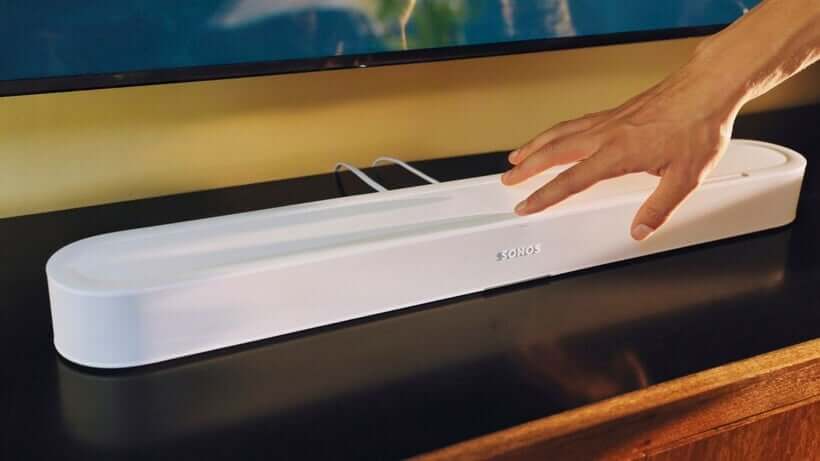
The Beam Ultra is described as a compact soundbar with 7.1.2-channel Dolby Atmos. That specification places it firmly in the home theater portion of the Sonos lineup while keeping the product focused on a smaller form factor.
Its arrival also gives Sonos 27 a natural showcase for the system’s new controls and device-linking features. A soundbar is often the center of a home setup, so improvements to navigation, positioning, and audio movement could be especially relevant for Beam Ultra owners.
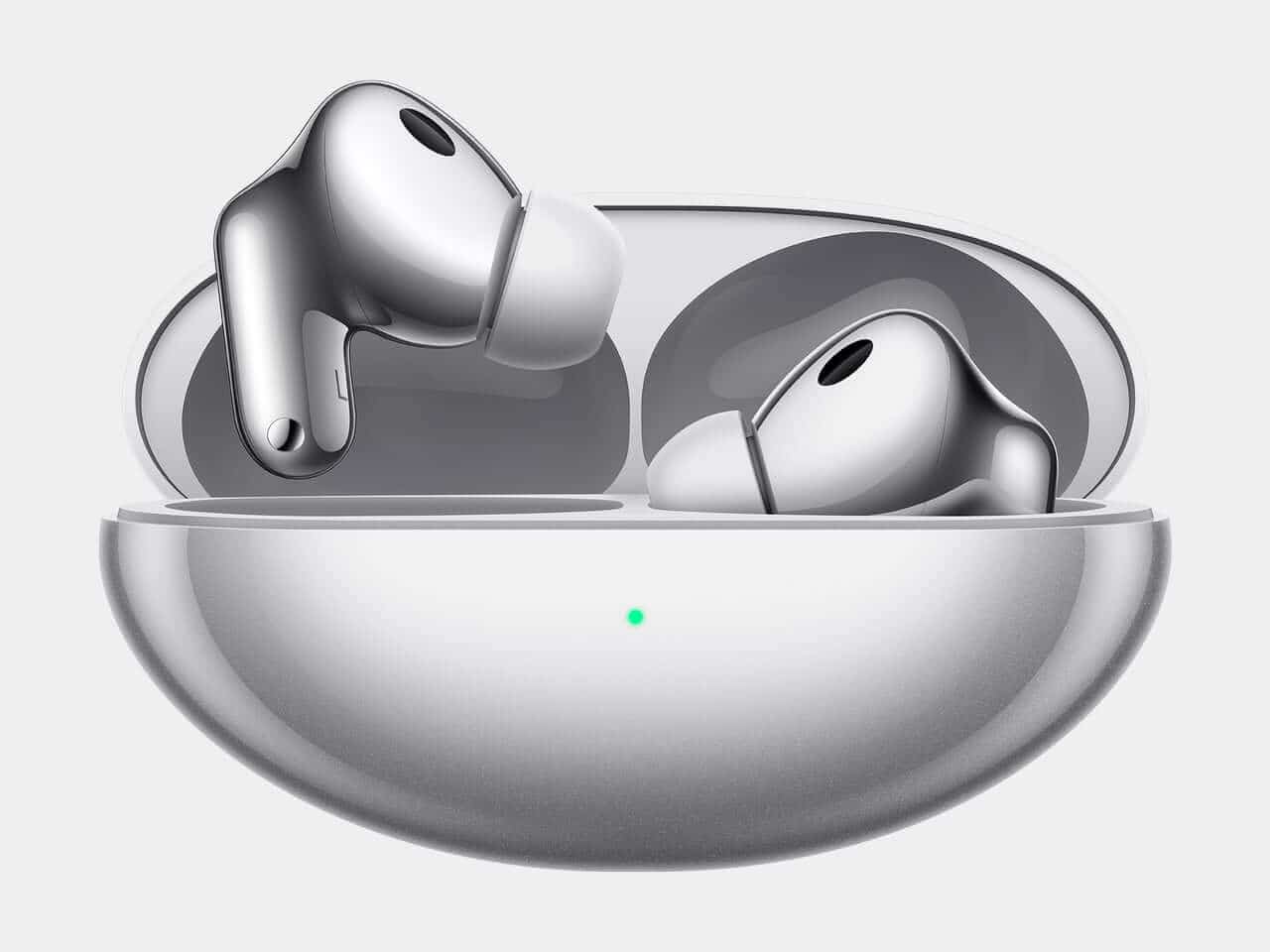
The second product is the Sonos Ace Ultra headphones. These headphones are designed for deeper integration with the Sonos ecosystem, including the new headphone-linking feature available through Early Access.
Together, the Beam Ultra and Ace Ultra highlight the broader idea behind Sonos 27: speakers, soundbars, and headphones are no longer treated as completely separate products. They are being brought closer together as parts of one audio environment.
Rollout and Availability
The new app navigation, Sonos 27 MCP Early Access, and portable surrounds are scheduled to begin rolling out on September 8.
The Beam Ultra and Ace Ultra are available to pre-order, with general availability beginning September 29. The available information does not include pricing details, so the focus here remains on the software features, product integration, and rollout schedule.
For existing Sonos users, the staged release means some features will arrive as part of the software rollout, while others are connected to the new Ultra hardware. That distinction is worth keeping in mind: not every Sonos 27 feature depends on purchasing a new product, but some of the deeper ecosystem interactions are tied to the latest devices.
The result is an update that blends immediate improvements with several features still developing through Early Access and preview programs.
Conclusion: Is Sonos 27 the Future of Multi-Room Audio?
Sonos 27 aims to make a home audio system feel less like a collection of separate gadgets and more like one responsive environment. AI assistants, Sonos Fabric, automatic speaker positioning, portable surrounds, headphone linking, and refreshed navigation all point in the same direction: fewer manual steps and more natural control.
The most intriguing part may be the combination of convenience and flexibility. A portable speaker can change roles, headphones can take over from a room, and AI assistants can help shape the soundtrack. It’s a little like giving the entire house a musical nervous system—still controlled by you, but better at understanding what should happen next.
Will these features make Sonos 27 a meaningful leap for everyday listening, or will the best results depend on how smoothly the new tools work together?
FAQ
- What is Sonos 27?
Sonos 27 is the latest version of Sonos’ audio operating system. It introduces AI-powered controls, new ways to move audio between devices, Sonos Fabric features, portable surrounds, and redesigned app navigation. - Which AI assistants can connect to Sonos 27?
Sonos 27 MCP is designed to connect Sonos systems with external AI assistants and agents, including ChatGPT, Claude, and Gemini. - What are Custom Agents in Sonos 27?
Custom Agents are being previewed as a future feature that will let users create their own agents using a chosen AI model, persona, and voice. - Which speakers support the new portable surrounds feature?
The portable surrounds feature is launching for the Move 2 and Sonos Play. A supported speaker can automatically become a rear surround when moved into position. - When do the Sonos 27 features and new products become available?
New app navigation, Sonos 27 MCP Early Access, and portable surrounds begin rolling out on September 8. The Beam Ultra and Ace Ultra are available to pre-order, with general availability starting September 29.
If Sonos soundtracks a meaningful part of your life, a favorite album cover poster can bring that same atmosphere off the speakers and onto your wall. Browse the collection at Architeg Prints for a warm, music-inspired finishing touch.
 | DISCOUNTGET 30% OFF*Use code on your next order:
|
* This post may contain affiliate links, meaning we earn a commission if you make a purchase through these links, at no additional cost to you.