Iceland Joins Eurovision 2026 Boycott Over Israel’s Involvement Amid Controversy



Iceland Joins Eurovision 2026 Boycott Over Israel’s Involvement Amid Controversy
Iceland becomes the fifth country to boycott Eurovision 2026, highlighting ongoing tensions around Israel’s participation in the contest.
Iceland Drops Out of Eurovision 2026 in Protest
If you’ve been following the Eurovision saga lately, you know tensions have been running high. Iceland has now officially become the fifth nation to pull out of Eurovision 2026, held in Vienna, in protest of Israel's ongoing participation. This decision adds a fresh layer of drama to an already heated contest, as countries voice their objections over Israel’s involvement amid political controversies.
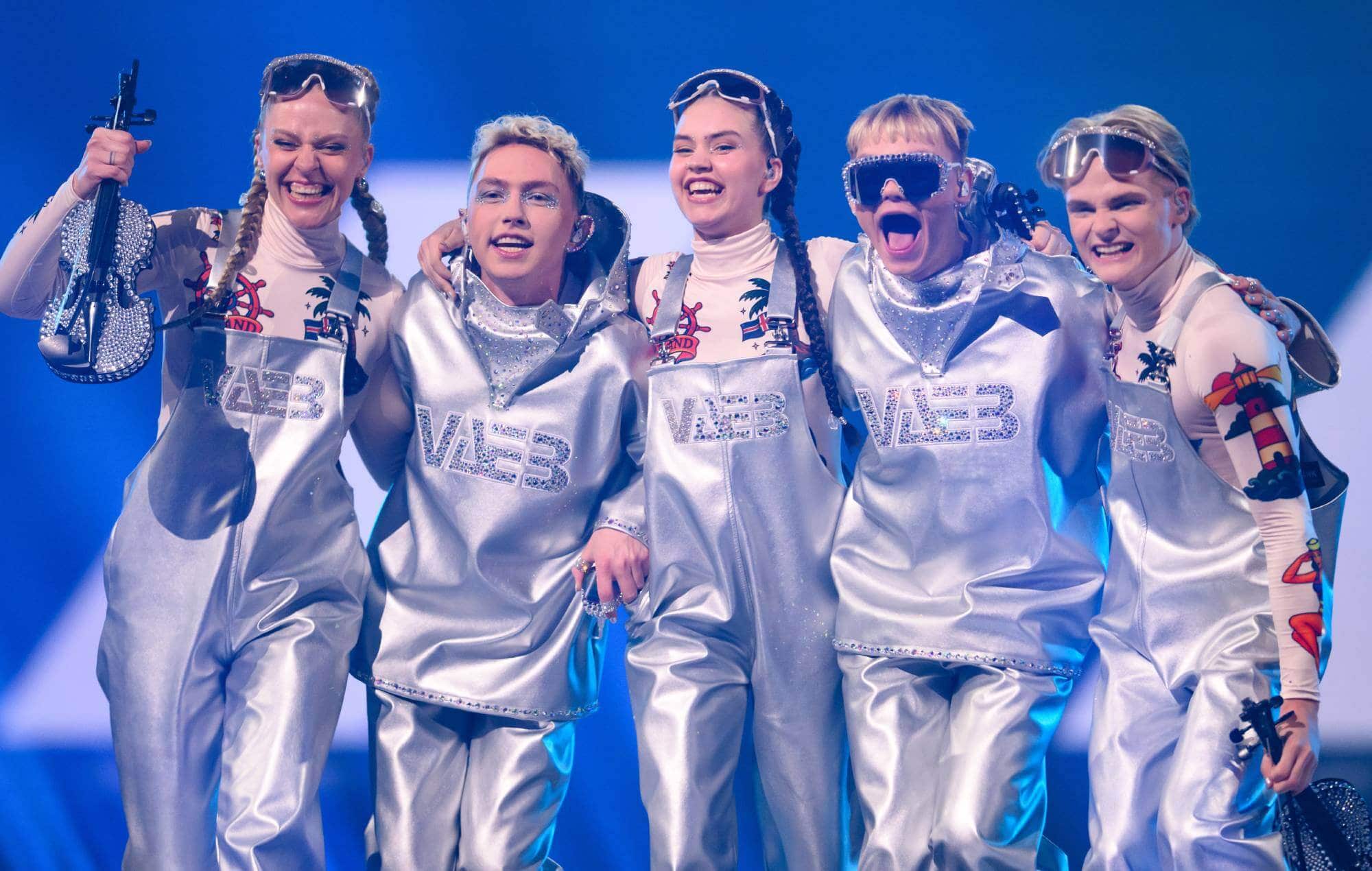
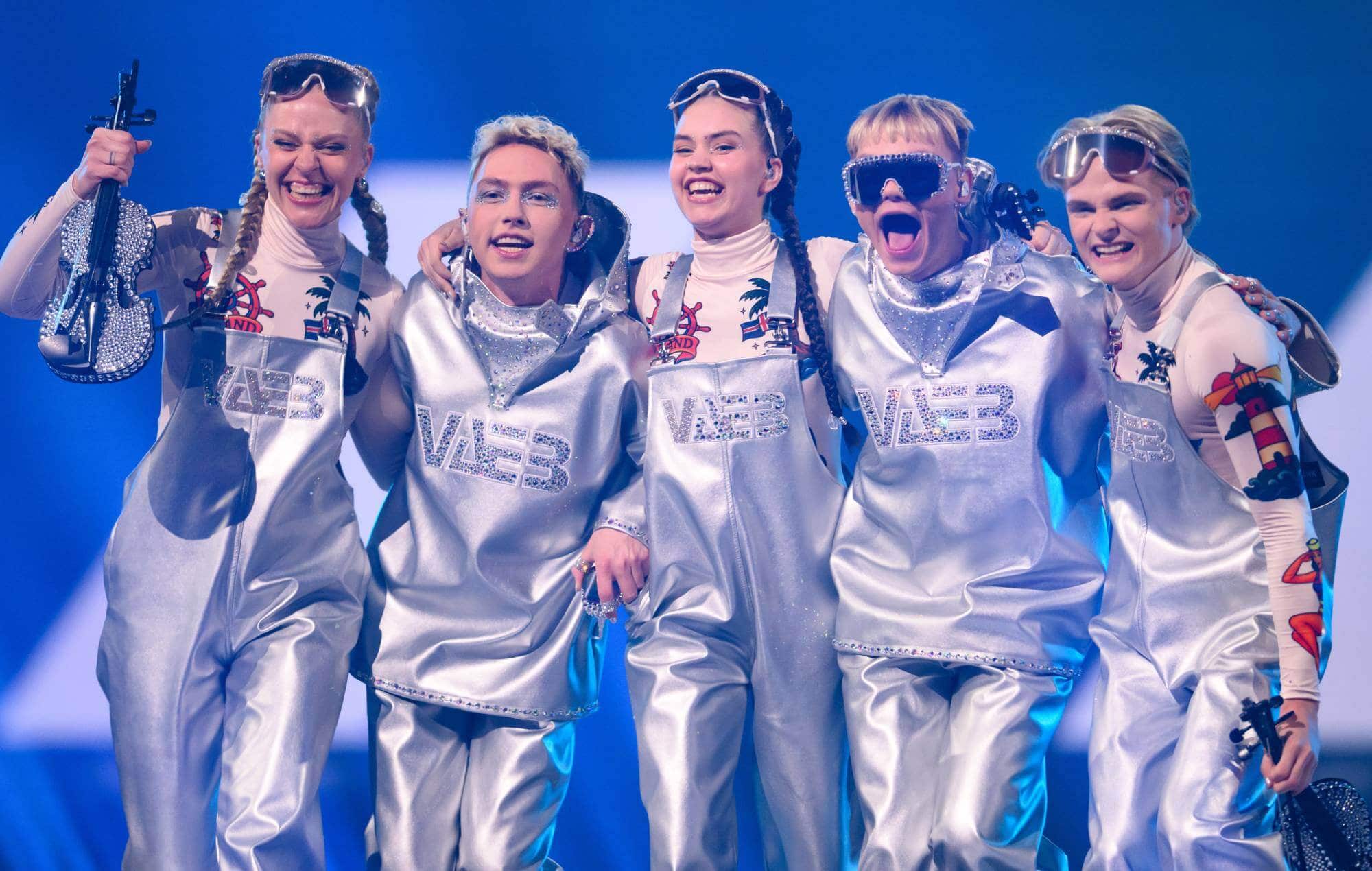
Vaeb competing for Iceland in Eurovision 2025
The Icelandic broadcaster RÚV made their decision after the European Broadcasting Union (EBU) confirmed Israel’s place in the competition during its general assembly. Iceland joins the ranks of Ireland, the Netherlands, Slovenia, and Spain—who have all declared boycotts—sending a potent message about how seriously this issue is being taken across Europe.
A Controversial Decision Sparks Boycotts
The heart of the controversy lies in Israel’s presence on the Eurovision stage, despite widespread calls for their exclusion due to alleged actions in Gaza. The EBU, however, chose not to hold a vote on Israel’s participation, opting instead for revised rules aimed at addressing concerns about voting fairness and campaigning tactics.
Changes include:
- Adjusting the number of fan votes allowed
- Reintroducing juries for the semi-finals with increased size from five to seven members
These tweaks came as a response to worries about political influences skewing the contest’s spirit.
The EBU stated clearly:
“A large majority of members agreed that there was no need for a further vote on participation and that the Eurovision Song Contest 2026 should proceed as planned, with the additional safeguards in place.”
Despite these assurances, Iceland’s broadcaster felt the situation was far from resolved.
Iceland’s RÚV: “Participation Would Not Bring Joy or Peace”
Following the EBU’s announcement, RÚV convened to discuss Iceland’s position. Their statement was clear and firm:
“The Icelandic National Broadcasting Service (RÚV) has decided not to participate in the Eurovision song contest in Vienna, Austria, next year.”
They cited “disunity” among EBU members and the Icelandic public over Israel’s participation, suggesting that continuing would do more harm than good. Public sentiment in Iceland, including opposition from artist groups and everyday citizens, heavily influenced this decision.
“Participation of Israeli national broadcaster, KAN, in the contest has created disunity among both members of the European Broadcasting Union (EBU) and the general public,” the statement read.
The broadcaster also expressed frustration that their requests to exclude the Israeli broadcaster KAN were ignored, emphasizing that the controversy had already “damaged the contest’s reputation and EBU,” stressing a pressing need for a resolution that respects all parties.
The Power of Protest: Eurovision’s Political Underbelly
This boycott isn’t happening in a vacuum. Over 70 former Eurovision contestants have signed an open letter demanding Israel and its broadcaster be banned from the contest, citing the ongoing conflict and humanitarian concerns. Even the reigning 2025 winner, JJ, has publicly called for Israel’s disqualification from the 2026 event.
The calls for Israel’s removal stem from an independent United Nations inquiry that labeled the situation in Gaza a genocide—a claim Israel denies.
Amid the turmoil, Israel’s president Isaac Herzog has stood firm, saying his country “deserves to be represented on every stage around the world.” He voiced hope that Eurovision will remain “a competition that champions culture, music, friendship between nations, and cross-border cultural understanding.”
Israel’s Recent Eurovision History and What’s Next
Notably, Israel placed second in last year’s Eurovision with Yuval Raphael, an artist who survived the tragic attack on the Nova music festival in October 2023. His journey to the Eurovision stage symbolized resilience and hope in difficult times, but the political storm surrounding Israel’s participation overshadows even these hopeful stories.
Next year’s contest will mark Eurovision’s 70th edition and is set to take place in Vienna on May 16, 2026. However, with multiple countries now boycotting, the event promises to be one of the most politically charged in its history.
The Broader Eurovision Debate: Where Do We Go From Here?
Eurovision has long been a celebration of unity and cultural exchange, but the 2026 boycott wave reveals just how deeply political issues can seep into even the most beloved pop events. For many fans, artists, and broadcasters, the question remains: can Eurovision truly be a non-political celebration when the world’s conflicts are so sharply reflected on its grand stage?
Iceland becomes the fifth nation to boycott Eurovision 2026 after it was confirmed that Israel will be allowed to compete.
— Pop Crave
FAQ
- Why is Iceland boycotting Eurovision 2026?
Iceland opposes Israel's participation due to ongoing political controversies and humanitarian concerns linked to the conflict in Gaza. - Which other countries are boycotting Eurovision 2026?
Ireland, the Netherlands, Slovenia, and Spain have also announced boycotts alongside Iceland. - How has the EBU responded to these protests?
The EBU maintained Israel’s participation and introduced new voting rules to address campaigning concerns. - What actions have Eurovision artists taken regarding this issue?
Over 70 former contestants signed a letter calling for Israel’s ban, and the current Eurovision winner JJ publicly supported excluding Israel. - When and where will Eurovision 2026 be held?
The 70th edition of Eurovision will take place in Vienna, Austria, on May 16, 2026.
For fans who cherish the iconic moments and legendary album artwork from Eurovision’s history, consider shopping your favorite Eurovision album cover posters at our store to keep the spirit alive. Celebrate the music and memories with style today! Shop now.
 | DISCOUNTGET 30% OFF*Use code on your next order:
|
* This post may contain affiliate links, meaning we earn a commission if you make a purchase through these links, at no additional cost to you.