Portugal’s Eurovision Entry in Jeopardy as 11 Festival da Canção Contestants Refuse to Represent


Portugal’s Eurovision Entry in Jeopardy as 11 Festival da Canção Contestants Refuse to Represent
Portugal’s Eurovision participation faces uncertainty as 11 Festival da Canção artists reject representing the country in protest.
A Eurovision Drama Unfolds in Portugal
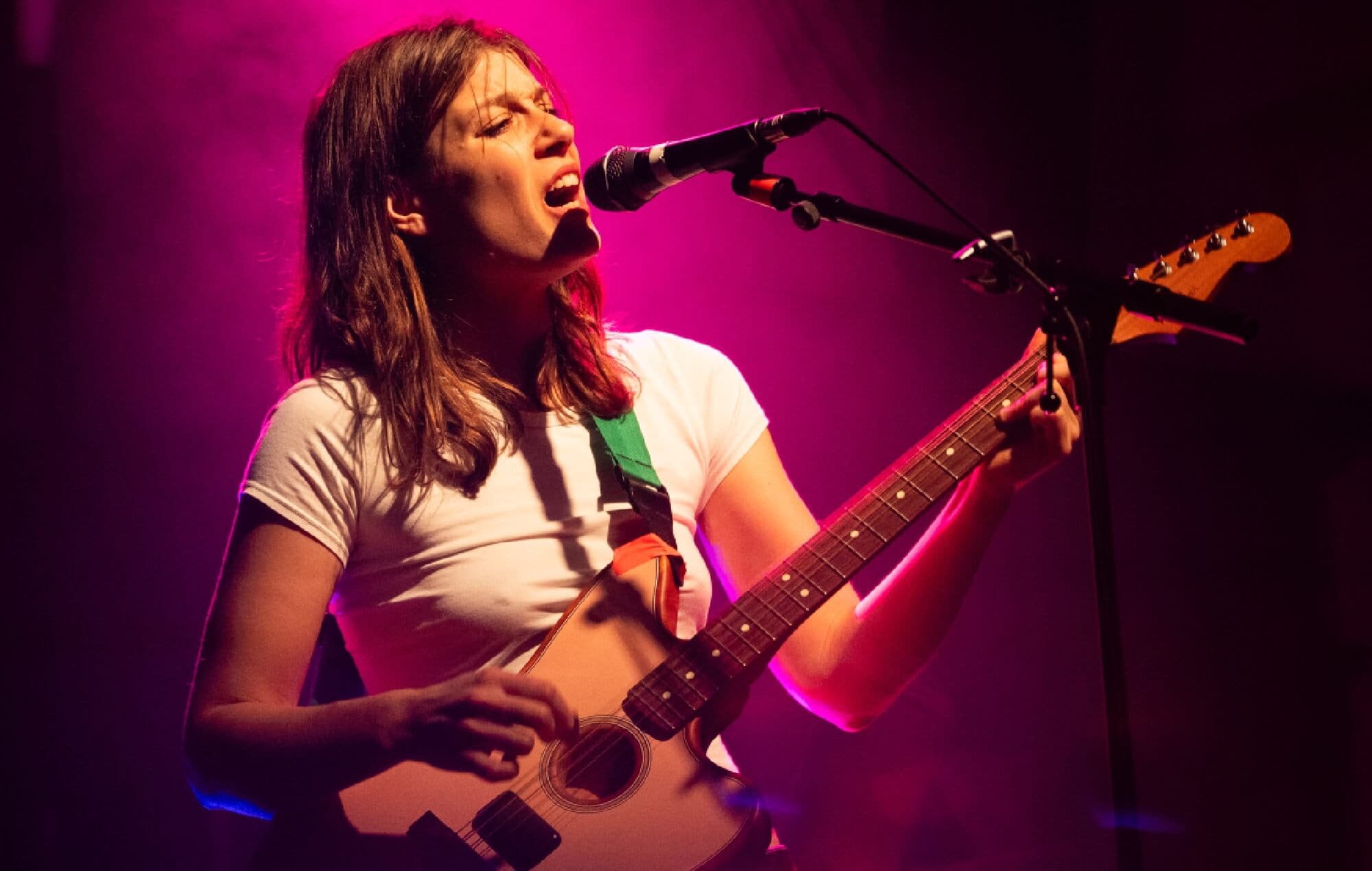
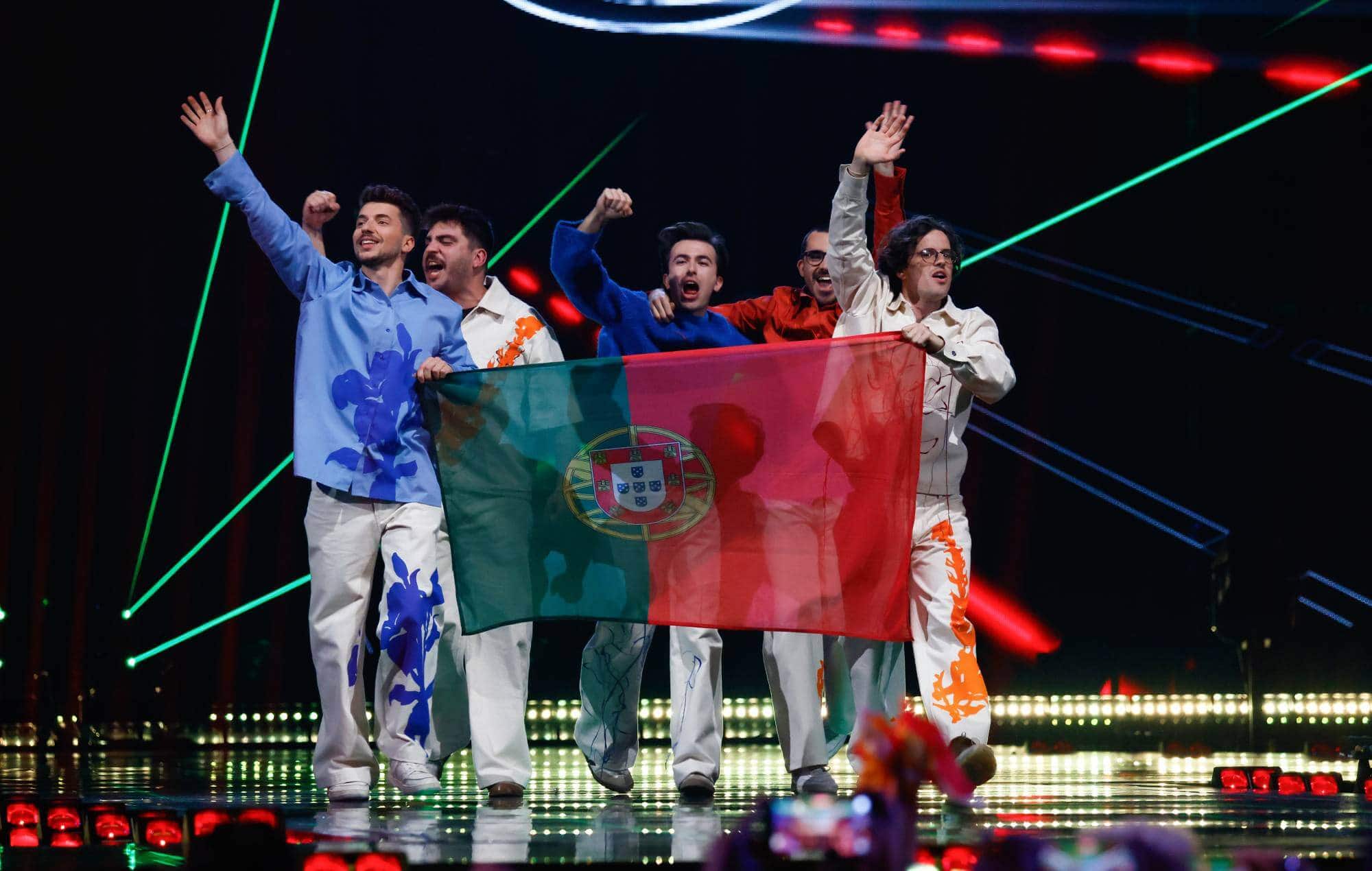
Oh, Eurovision—where pop meets politics, and every year brings a fresh drama to the stage. This time, the spotlight’s on Portugal, whose 2026 Eurovision journey might just hit a major snag. Eleven out of sixteen participants in Festival da Canção, Portugal’s famed national selection contest, have publicly declared they won’t represent the country if they win. And no, it's not a diva meltdown—it's a principled stand.
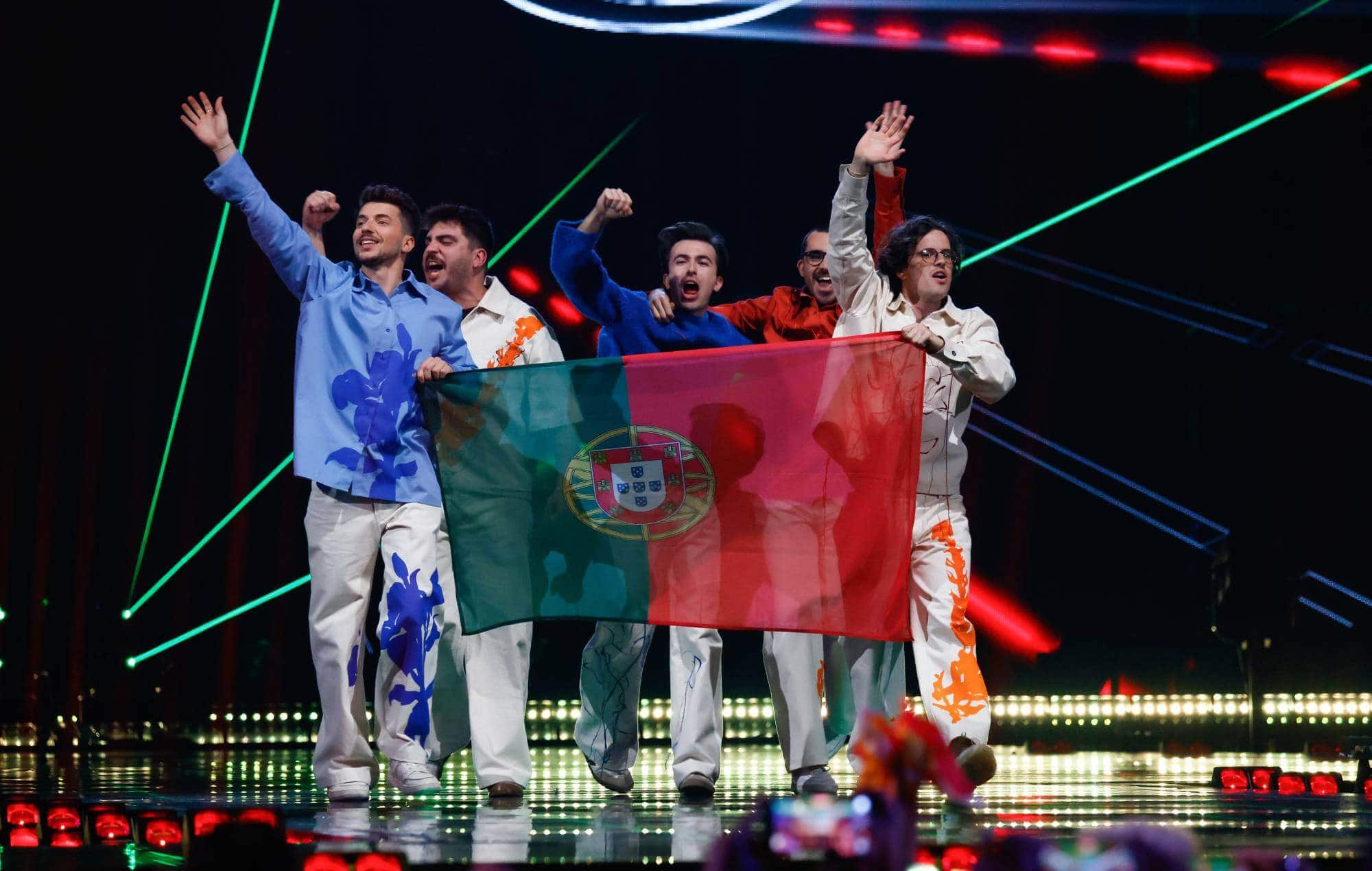
These artists are protesting Israel’s involvement in next year's Eurovision Song Contest in Vienna, citing serious human rights concerns. It’s not every day that Eurovision gets tangled in such intense controversy, but then again, this contest has always been part music, part geopolitics.
The Artists’ Bold Declaration
The 11 performers who signed the statement include a diverse and talented bunch: Cristina Branco, Bateu Matou, Rita Dias, DjoDje, Beatriz Bronze (Evaya), Francisco Fontes, Gonçalo Gomes, Inês Sousa, Jorge Gonçalves (Jacaréu), Marquise, Nunca Mates o Mandarim, Pedro Fernandes, and again Rita Dias—yes, she’s listed twice in the original roster but we’ll count her once here.
In their own words—translated by Eurovision Fun—they emphasized, “With words and with songs, we act within the possibilities we are given. We do not accept complicity with the violation of Human Rights.”
They further expressed their surprise and disappointment, noting the inconsistency in the European Broadcasting Union’s (EBU) policies: “Despite Russia’s ban from Eurovision 2022 for political reasons (the invasion of Ukraine), we were surprised to see that the same stance was not taken towards Israel, which, according to the United Nations, is committing acts of genocide against Palestinians in Gaza.”
Surely, it’s a heavy statement for a song contest, yet the artists clearly see Eurovision as more than an entertainment platform—it’s a global stage that shouldn’t ignore human rights.
The Controversial Context: Israel’s Participation
Israel’s involvement has sparked growing debate within Eurovision circles and beyond. An independent United Nations inquiry has labeled Israel’s actions in Gaza as genocide, a claim the country firmly denies. This international dispute has inevitably spilled over into the Eurovision arena, turning what’s usually a celebration of diversity and unity into a battleground of political dissent.
The tension isn’t just between artists and countries; it’s also between broadcasters. Portugal’s RTP (Rádio e Televisão de Portugal), the national broadcaster responsible for Eurovision participation, issued a firm response:
🇵🇹 RTP has issued a statement in response:
“Regardless of the decision of the artists who subscribe to the statement, RTP will once again organise Festival da Canção and reaffirms its participation at the #Eurovision Song Contest 2026.”
— ESC Discord on Twitter, December 10, 2025
So while the artists take a stand, RTP insists Portugal will keep its Eurovision tradition alive. It’s a classic tug-of-war between artistic conscience and institutional commitment.
Rule Changes and Reactions from the Eurovision Community
To add even more layers to this complex story, the EBU has been making rule changes to curb any unfair influence on voting, especially amid controversies like the ones surrounding Israel. Broadcasters and artists are now barred from “actively engaging in, facilitating or contributing to promotional campaigns by third parties that could influence the voting outcome.” The updated Code of Conduct also warns of sanctions for those attempting to skew results.
Moreover, the fan voting window has been reduced from 20 seconds to 10 seconds, semi-finals now feature jury voting again, and jury sizes have grown from five to seven members. These tweaks aim to level the playing field and restore trust in the competition’s integrity.
Despite these measures, no official vote was held to reconsider Israel’s participation during the recent EBU general assembly. This sparked a wave of boycotts:
- Spain
- Ireland
- The Netherlands
- Slovenia
...all confirmed they would sit out Eurovision 2026.
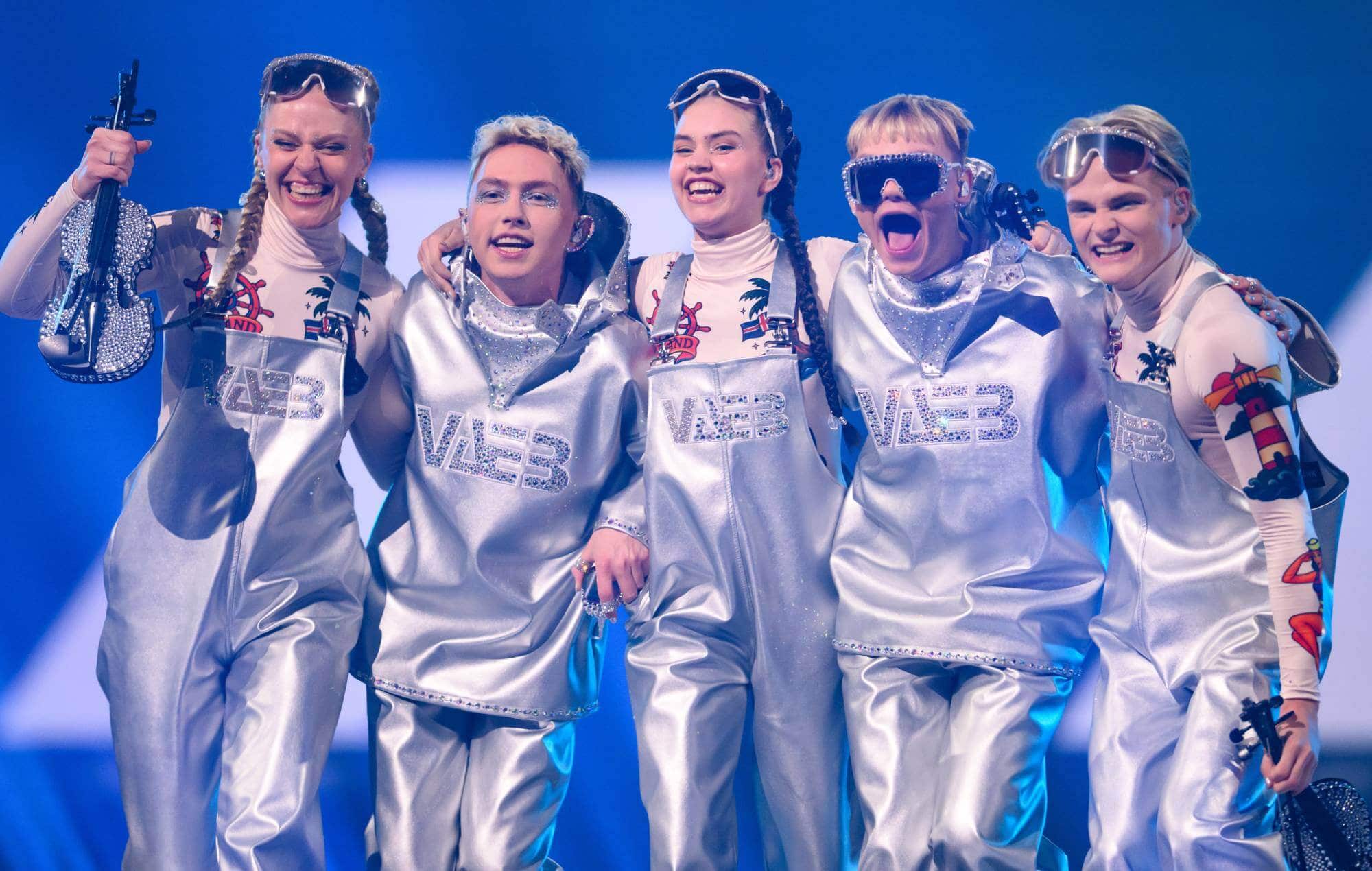
And just recently, Iceland became the fifth country to join the boycott, citing Israel’s participation as a source of public disunity:
The Icelandic broadcaster RÚV stated that participating would be “neither be a source of joy nor peace,” given public sentiment and the recent EBU assembly’s outcomes.
Voices from Past Contestants and the Current Winner
The controversy is not limited to broadcasters and current contestants. Over 70 former Eurovision stars signed an open letter demanding that Israel and its broadcaster KAN be banned from the 2025 contest. Even this year’s winner, the artist JJ, publicly called for Israel to be excluded from the 2026 competition.
It’s rare to witness such solidarity across generations and countries in the Eurovision world, but this moment reflects just how deeply political issues have seeped into what many hoped would remain a joyous celebration of music.
What’s Next for Portugal and Eurovision?
With so many Festival da Canção entrants refusing to go to Eurovision, Portugal faces a tricky path ahead. Will RTP find alternative artists willing to step up? Could this open the door for a last-minute replacement or a withdrawal altogether? Eurovision fans worldwide are watching closely, knowing that this drama blends art, politics, and personal conviction in a way only Eurovision can.
One thing’s for sure: Eurovision 2026 in Vienna is shaping up to be one of the most talked-about contests in recent memory. It’s a reminder that beneath the glitter and sequins, real-world issues are impossible to ignore.
FAQ
- What is Festival da Canção?
Festival da Canção is Portugal’s national music competition to select its Eurovision entry. - Why are so many artists refusing to represent Portugal?
They are protesting Israel’s participation in Eurovision due to serious human rights concerns connected to the situation in Gaza. - Has Portugal withdrawn from Eurovision before?
Portugal has participated almost every year since debuting, with rare absences, but this situation might test their commitment. - What changes has Eurovision made to address controversies?
Eurovision has updated voting rules, limited fan vote time, reinstated juries in semi-finals, and banned promotional campaigns influencing votes. - Are other countries boycotting Eurovision 2026?
Yes, Spain, Ireland, the Netherlands, Slovenia, and Iceland have all confirmed they will boycott due to Israel’s involvement.
If you’re a fan of Portugal’s Festival da Canção and want to keep the Eurovision spirit alive in your space, consider shopping for your favorite album cover poster at our store! Celebrate music and artistry with a tasteful keepsake from the contest’s rich history.
 | DISCOUNTGET 30% OFF*Use code on your next order:
|
* This post may contain affiliate links, meaning we earn a commission if you make a purchase through these links, at no additional cost to you.