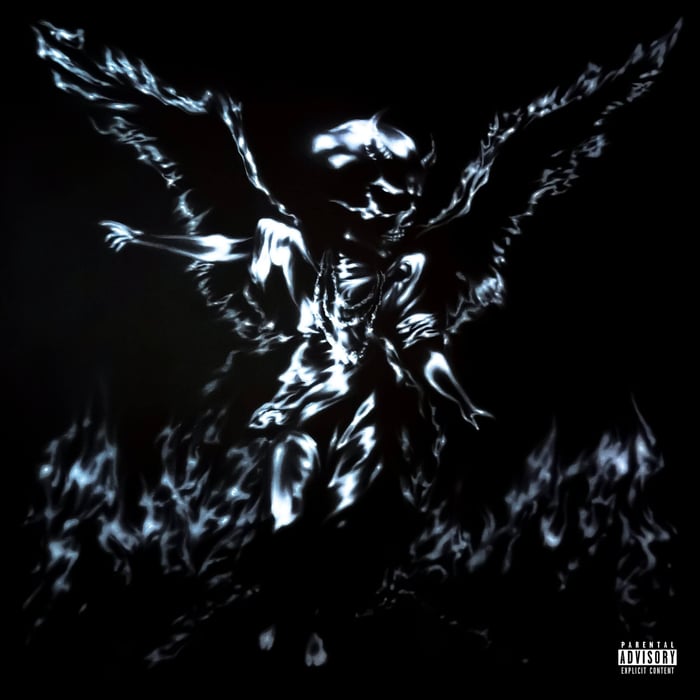
Mozzy & EST Gee’s NOT A CHANCE Tape Is Loyalty Math With Blood on It


 See more Architeg Prints stories on Google.
Mozzy & EST Gee’s NOT A CHANCE Tape Is Loyalty Math With Blood on It
NOT A CHANCE plays like two rappers balancing funeral costs, guilt, and flexing—sometimes in the same bar. It’s ugly on purpose, and it sticks.
First, here’s the trick this album pulls on you
This kind of street-rap link-up usually sells one idea: two tough guys, same stories, double the grit. I pressed play expecting exactly that… and for the first couple tracks, I honestly thought, yeah, I know what this is.
But NOT A CHANCE doesn’t coast on vibe. It keeps forcing a weirder question: what happens when two rappers believe the same rules, but live them differently?
And I’m not totally sure they even realize how revealing that is—which is part of why it works.
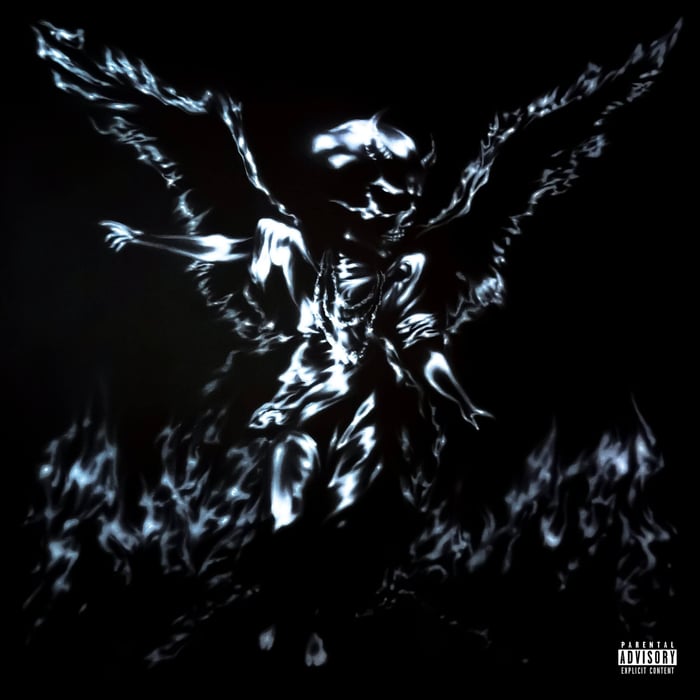
Two cities don’t share a border—so the tape builds its own
Here’s the setup you can hear in the wiring: Sacramento and Louisville aren’t natural twins. They don’t rhyme as places, and they definitely don’t share a “scene.” Yet Mozzy and EST Gee sound like they’ve been orbiting each other long enough to stop explaining themselves.
The tape shows up without that glossy major-label “event” feeling. It feels leaner, more local, like it’s made for people who already know what the stakes are. The production backbone is mostly Forever Rollin—the same sonic hand that’s been shaping Gee’s world for years—and that continuity matters. It makes Gee sound at home, not like a guest trying on someone else’s uniform.
Arguable take: this album isn’t trying to merge styles—it’s letting two regional languages talk past each other until the overlap becomes obvious.
Loyalty is the only religion here, and it’s not the nice kind
Everything on NOT A CHANCE runs on one value: loyalty. Not “be a good friend” loyalty. More like: if you switch up, you’re erased, and everything after that is paperwork.
On “ROUNDS,” Mozzy’s hook is basically a commandment to the younger guys: don’t ever put the gun down. And the way he delivers it, he doesn’t sound like he’s posturing—he sounds like he’s trying to keep the future from happening again.
What hits harder is how their loyalty shows up in different forms:
- Mozzy’s loyalty looks like receipts. He’s opening duffle bags for lawyers, paying bonds, funding people who can’t pay themselves back, hearing things on tapped phones that he can’t even repeat.
- Gee’s loyalty looks like presence. He’s sitting with people after the worst moment of their lives. On that same “ROUNDS” idea, he talks about rolling a blunt for someone after their first kill—like the “care” part of loyalty still exists, even when it shouldn’t.
Arguable take: Mozzy treats loyalty like a bill you keep paying; Gee treats it like a room you refuse to leave, even when it smells like smoke and panic.
“YOU HEAR ME THO” is where Gee crosses the line—and doesn’t blink
“You HEAR ME THO” is the point where I stopped casually nodding along and actually leaned in. Gee’s verse turns genuinely disturbing because of one specific choice: he doesn’t change his tone.
He lays out a sequence that shouldn’t fit in one breath—cutting off a former friend who did wrong, putting him on the news, then hugging the guy’s mother, kissing his children, paying for the funeral. Same flow, same emotional temperature. No dramatic pause to tell you “this is heavy.” He just keeps moving.
And that’s the horror of it. It’s presented as normal logistics.
Mozzy, meanwhile, is in a totally different emotional lane on the same track—talking about people hating since he got a name, buying chains for women to even get looked at, hearing someone got booked for a verse before they even got arrested. It’s smaller, pettier, more human in a way that almost feels inappropriate next to what Gee just admitted.
Arguable take: the tape’s real concept is contradiction—two men sharing songs while living at completely different moral temperatures.
The dead aren’t metaphors here—they’re names that keep getting said
A detail that keeps resurfacing: Mozzy name-drops Uzzy Snubbz across multiple tracks (“WOULDN’T HOLD YOU UP,” “TURNT,” “ROUNDS”), and each mention lands differently. Sometimes it’s blunt, sometimes it’s part of a longer roll call of losses that turns the track into a memorial wall.
Gee does the same thing, but his grief shows up like a private ritual. He carries Quan on “TURNT.” On “NUN LIKE ME,” he’s signaling to the dead—holding his wrist up to the sky so they can see he’s still lit. It’s not poetic, exactly. It’s more like superstition mixed with stubbornness.
And the album keeps insisting the dead come with ongoing costs:
- prison commissary
- legal fees
- constant money movement to keep people afloat
- even a mortgage that costs thirty thousand (the number lands like a brick)
Mozzy, especially on “NUN LIKE ME,” makes the grief sound administrative: kites coming in from level four, buying phones, funding Apple Pay loans, keeping the machine running. Then he says if he could reverse the clock to bring one back, he would—and it’s one of the few moments where the flexing tone cracks just enough to show the person underneath.
Arguable take: the album doesn’t “mourn”—it invoices. That’s colder, and it’s also more honest than a lot of rap’s fake свечи-and-wings sentimentality.
Money and violence don’t take turns—they talk over each other
One thing this tape refuses to do is separate “hustle talk” from “murder talk.” They’re braided together like the same conversation, because for these two, they are.
On “NUN LIKE ME,” Gee is counting five million in foreign cars at five in the morning like it’s a calming exercise… and in the next breath he’s counting two or three murder situations over two or three years. Not framed as tragedy. More like: that’s just the math.
On “TURNT,” Gee drops that he paid ten thousand to have someone’s head split. The line hits because it’s delivered like a purchase, not a threat.
Mozzy’s money talk runs with different shame in it. On “TURNT,” he’s talking about copping drugs with SSI checks—an ugly detail that doesn’t flatter him, which is probably why it lands. It’s the sound of someone admitting the ladder wasn’t always sturdy, and sometimes it wasn’t even a ladder—just a series of bad steps that didn’t collapse.
Arguable take: Gee makes violence sound routine; Mozzy makes survival sound expensive. Neither one sounds proud enough to be purely bragging.
“BUICK TO BENZ” is Mozzy grabbing the mic and refusing to share
Near the end, “BUICK TO BENZ” flips the whole dynamic because it’s Mozzy alone, and you can feel him exhale into the extra space.
The verse runs long on purpose, like he finally has room to lay out the timeline without having to trade bars. It’s a progression that doesn’t feel like a motivational poster—it feels like a personal inventory:
- a 1978 Chevrolet Nova
- rental Acuras from Avis
- then the real estate portfolio (ten properties)
- Ace of Spades and bubbly
- plus the specific memory of a friend who kept chicken on the table and threw him zips when he was broke
He rattle-snaps through Sacramento names and favors owed like he’s checking off a mental list he can’t stop carrying. And the geography gets specific: Oak Park, 4th Street, Pebbles. It plants him back in the neighborhood, not as a “came from nothing” slogan, but as a place he still answers to.
I’ll admit I wasn’t sure at first if the tape needed a solo closer—collab projects sometimes end best when they stay paired. But after hearing it, this track feels necessary. It’s Mozzy making sure the album doesn’t turn him into just “the other guy on the Gee tape.”
Arguable take: this is the album’s real flex—Mozzy’s independence, not the money list.
The guest verse that shows up, talks crazy, then… the tape shrugs
BloodHound Q50 appears on “ASIDE” with one verse, smoking a pack named after a dead rival and claiming the “most hated” title in Chicago. It’s a sharp injection of outside energy—and then the tape just moves on.
That’s not a diss to the verse. It’s more like the album doesn’t want to re-center around anyone else’s mythology. Sacramento and Louisville stay in the driver’s seat.
Arguable take: the Q50 moment proves the tape isn’t chasing a broader rap map—it’s protecting its own two-city universe.
Blocks over explanations: the album assumes you’ll keep up
Another thing I noticed: neither rapper bothers explaining that their cities aren’t “big rap markets.” They don’t do the tourism-board version of their backgrounds. They just name places like they’re calling attendance.
Gee raps from Pebble Creek, Poplar Level, Uptown. Mozzy stays in the section, in HGM territory, in the same kind of posted-up continuity he’s been carrying since early in his career. Two thousand miles apart, same playbook, different roster.
The mild criticism? Sometimes that confidence turns into repetition. There are moments where I kept waiting for a hook to twist the knife a little deeper, and it just… states the code again. The conviction is real, but a couple refrains feel like they’re doing security work instead of songwriting.
Arguable take: the album’s refusal to “translate” is its strength—and also the reason some listeners will bounce right off it.
Where to start if you don’t want to play the whole tape twice
I’m not going to pretend every track hits with the same force, but three songs clearly hold the spine of the project for me:
- “TURNT” — the place where grief, spending, and violence stack up without relief
- “STILL AIN’T PUT MY PISTOL DOWN” — the thesis stated like it’s a survival requirement
- “NUN LIKE ME” — where the money talk turns into mourning logistics
Arguable take: if those three don’t grab you, the rest of NOT A CHANCE won’t “grow” on you—it’ll just feel like more doors slamming.
Conclusion
NOT A CHANCE isn’t two rappers teaming up to sound bigger. It’s two men comparing loyalty scars in real time—one paying the bills, one sitting beside the damage—and neither one stopping to ask if any of it makes sense. The tape’s power comes from that lack of commentary. It doesn’t moralize. It itemizes.
Our verdict: People who like street rap when it’s specific—names, blocks, debts, and consequences—will latch onto this immediately. If you need your rap violence packaged as cinematic fiction or your hooks to be “fun,” you’re going to find this tape exhausting and a little too comfortable with its own darkness.
FAQ
- Is NOT A CHANCE more of a Mozzy record or an EST Gee record?
It plays like a true split brain: Gee controls the sonic comfort zone, Mozzy keeps dragging the lyrics back to Sacramento accountability. - What’s the album’s main theme in plain English?
Loyalty—except it’s loyalty as a debt system, not a virtue. - Does the project feel like a major-label release?
No. It feels tighter and less “event” coded, like it was made to function without big-rollout polish. - Which track shows the biggest contrast between the two?
“YOU HEAR ME THO,” because Gee says something monstrous like it’s routine while Mozzy sweats the petty stuff on the same song. - Is there a good entry point if I’ve never listened to either rapper?
“NUN LIKE ME” is the clearest snapshot of how this tape mixes money, grief, and threat into one breath.
If you want a physical reminder of this kind of hard-coded album worldbuilding, a clean album-cover poster on your wall does the job better than another playlist save. You can grab one at our store: https://www.architeg-prints.com
 | DISCOUNTGET 30% OFF*Use code on your next order:
|
* This post may contain affiliate links, meaning we earn a commission if you make a purchase through these links, at no additional cost to you.