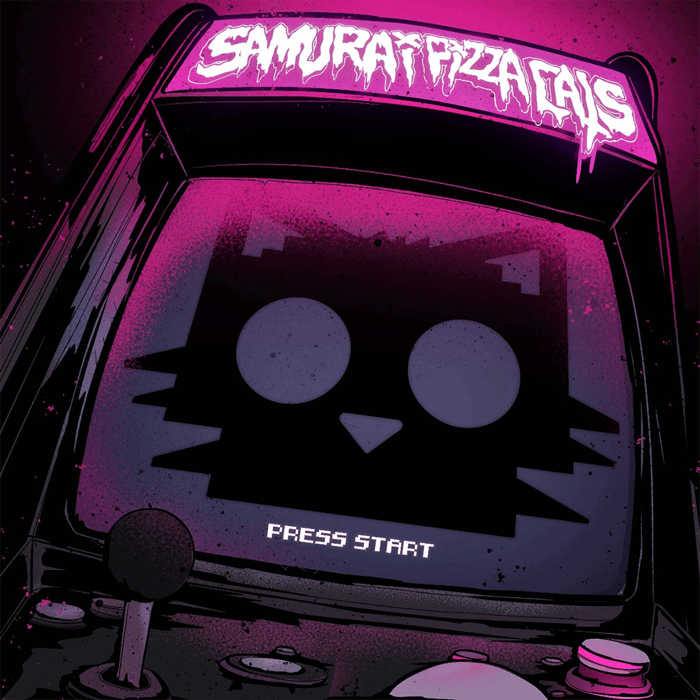
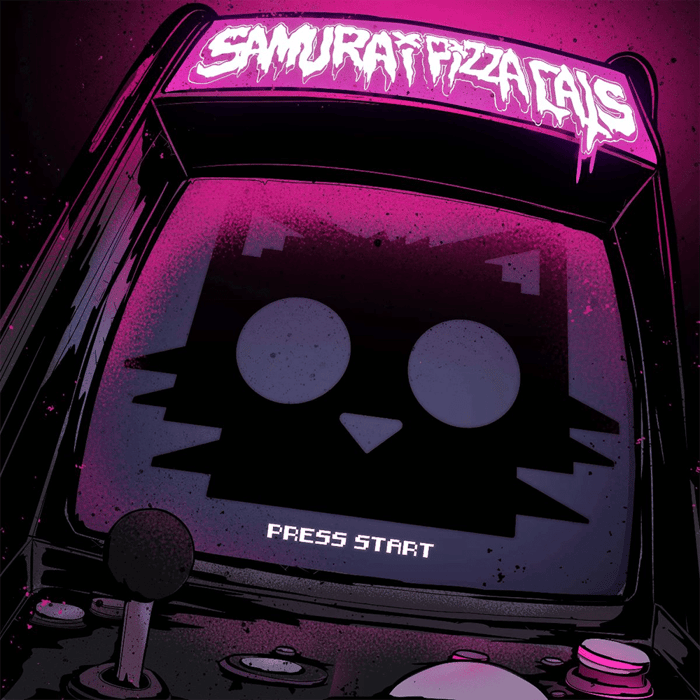
Press Start Review: Samurai Pizza Cats Treat Metalcore Like an Arcade


 See more Architeg Prints stories on Google.
Press Start Review: Samurai Pizza Cats Treat Metalcore Like an Arcade
Press Start is Samurai Pizza Cats at full neon throttle—metalcore, EDM, and jokes on purpose. Fun, exhausting, and weirdly precise in the same breath.
This album doesn’t “begin,” it spawns
Some albums feel like a new chapter. Press Start feels like the screen flashes CONTINUE? and you slam the button before you even know what you’re agreeing to. I put it on expecting a normal “second album” glow-up—more focus, maybe a curveball or two. Instead, Samurai Pizza Cats basically say: you liked the chaos? cool, here’s more chaos, cleaner and louder.
And honestly, I respect the lack of subtlety. They’re not trying to evolve into something prestigious. They’re trying to overwhelm you with a grin.
They double down so hard it becomes the point
Here’s what Press Start is really doing: it’s treating the band’s whole identity like a finished character build. Their earlier blend—metalcore, EDM textures, and internet-brained humor—doesn’t get “refined” into something polite. It gets sharpened into something relentless.
The sound is bigger, brighter, and packed tighter, like every empty space in the mix got filled with another glowing pixel. And the band doesn’t fake hesitation. There’s no “let’s try a ballad,” no sudden aesthetic pivot. This record commits to the bit so aggressively that the commitment becomes the concept.
That’s admirable. It’s also the seed of the album’s biggest problem later, and I’ll get there.
Insert Coin: the moment you hear the rules
The opening “Insert Coin” is short, and it doesn’t waste time pretending to be a “song.” It’s more like sound design: glitchy, digital ambience that nails the arcade framing immediately. The album isn’t being metaphorical here—it’s basically turning the listener into a player. Boot sequence first, then impact.
And then “Super Zero” hits, and the whole blueprint is on the table.
Super Zero: the template arrives fully assembled
“Super Zero” is where the album shows its hand: tightly produced metalcore bolted to electronic textures, snapping between aggressive verses and glossy, hook-forward choruses. It’s punchy, catchy, and technically locked-in.
But it also reveals the album’s habit: this verse/chorus contrast is so consistent that it starts to feel like an internal law. At first I thought, nice—this is them being disciplined. On second listen, I realized it’s also them being a little too comfortable. The structure starts to become the personality of the tracklist, not just a tool.
When the formula works, it works embarrassingly well
The annoying thing is: I can’t even be mad about the repetition early on, because the songs land.
“Fear No Slice” is the first moment where the band’s whole ridiculousness turns into an actual anthem. It’s knowingly dumb in concept, but the chorus is huge in that “shout it even if you don’t fully understand why you’re shouting it” way. The energy is so confident it kind of disarms you. It’s not winking from a distance—it’s committing up close, which is why it hits.
“Pandastruck” pushes the chaos further. The pacing feels like it’s about to trip over itself, like the track is sprinting through a hallway of swinging doors. And somehow it still stays controlled. A reasonable listener could call it messy; I’d argue it’s precision dressed up as mess, and that’s the trick.
Error 808: a reminder they can actually produce
With “Error 808,” the synths stop being seasoning and start being the meal. The electronic emphasis is stronger, and it shows how naturally the band can stitch genres together when they feel like it. This is where the “novelty act” accusation starts to fall apart—because the cohesion is real. The transitions don’t sound like genre tourism; they sound like one unified machine switching modes.
Still, it’s not a full departure. It’s more like a palette swap. And part of me kept waiting for them to go further than they did.
RAMEN-MAN: the album’s chaos finally mutates
The midpoint is where Press Start gets its defining curveball: “Ramen-Man,” featuring BABYBEARD. It’s completely unhinged in concept—idol-metal energy colliding with the band’s normal hyperactive setup—and it works precisely because it breaks the album’s pacing.
This is the track that feels the most alive in the “anything could happen next” sense. The feature injects a new dynamic that the surrounding songs sometimes miss, because a lot of the record runs like a well-practiced routine. Here, the routine gets interrupted, and the interruption becomes the highlight.
I’m not even 100% sure I like every choice inside “Ramen-Man,” but I can’t deny it’s the moment the album becomes singular instead of just efficient.
After that peak, the tracklist starts to feel like a loop
Coming out of “Ramen-Man,” the album keeps delivering high-energy tracks… and that’s where the danger creeps in. Not because the songs get bad. Because the sequencing starts to flatten the impact.
“Penguin Supreme” is fun and catchy, but by now the structure feels familiar enough that I could predict the turn before it arrived. It’s like eating your favorite spicy snack and realizing halfway through the bag that your tongue doesn’t know what to do with itself anymore.
Then “T-Rex(plosion),” featuring ANKOR, brings a heavier edge and one of the record’s strongest breakdowns. This is the moment where they lean back into metalcore muscle, and it’s a welcome jolt—partly because it reminds you the band can hit hard without relying on neon gloss. If anything, I’d argue the breakdown here does more storytelling than some of the “bigger” choruses.
And “City Of Gold” stands out by doing something that shouldn’t be notable on paper: it pulls back a bit. It gets more spacious and anthemic, and in the context of an album that rarely lets you breathe, that tiny change feels weirdly huge. It’s not a dramatic left turn, but it’s one of the most memorable tracks because it acts like a pressure valve.
The second half’s real issue: the polish becomes a blur
The tough part about Press Start is that its strengths start working against it later. Everything is polished. Everything is energetic. Everything is tight. But the record doesn’t give you enough contrast to reset your ears.
There’s no true slowdown, no big tonal detour, no moment that reframes what came before. So the tracks begin to smear together—not because they’re weak, but because they’re stacked in such a uniform environment that they compete for the same emotional space.
This is my mild gripe: the album is so committed to maximum intensity that it forgets intensity needs a shadow to look tall. When every moment tries to be a “moment,” your brain starts filing them under the same folder.
A lot of fans will disagree and say the consistency is the appeal. Fair. But for me, by the second half, the adrenaline starts feeling less like excitement and more like endurance.
Thanks For Playing: a clean exit, not a knockout
The closer “Thanks For Playing” is a simple, on-theme outro—more “end screen” than grand finale. It wraps the arcade idea neatly, and it doesn’t pretend to be emotionally devastating.
It’s fitting. It also underlines what the album prioritizes: aesthetic and energy over lasting emotional weight. I kept waiting for a final moment that would recontextualize everything—some big closing swing. Instead, it exits politely, like the machine just stops blinking.
So what is Press Start actually doing?
Press Start succeeds because it knows exactly what it’s built for: quick hits of adrenaline, glossy hooks, and chaos that’s engineered—not accidental. The production feels immaculate, performances are tight, and the standout tracks prove this metalcore/electronic hybrid can be genuinely effective when the parts lock together.
But it also refuses to deviate from its core formula, and that ceiling is real. The record plays more like a collection of high-energy rounds than a fully dynamic front-to-back ride. It thrives on immediacy. It doesn’t always reward immersion.
And that’s not automatically a flaw. Sometimes you want a record that does one thing and does it loudly. Still, I can’t shake the feeling they left an even better album on the table by not letting themselves get weirder more often—especially after proving, with “Ramen-Man,” that weird is where they’re most dangerous.
If I had to put a number on how it lands for me, I end up around a 7/10 experience: a lot of fun, consistently effective, and occasionally a little too happy with its own momentum.
Release notes that matter (because yes, context counts)
Press Start is out now via Century Media Records. If you’re the type who actually follows bands like a functioning adult, Samurai Pizza Cats are also on Facebook (search: Samurai Pizza Cats).
Conclusion
Press Start feels like a game locked on maximum difficulty: thrilling, chaotic, and hard to stop once it’s running—but it doesn’t give you enough level design changes to make the whole run unforgettable.
Our verdict: People who want neon-loud metalcore with EDM sparkle, big hooks, and zero downtime will love Press Start. People who need pacing, emotional contour, or even one real cooldown lap will bounce off it—and probably blame themselves for being tired, which is exactly what the album wants.
FAQ
- Is Press Start a big change from the band’s previous vibe?
Not really. It feels like a continuation at higher volume—same identity, more committed execution. - What track best shows what makes the band unique?
“Ramen-Man” does, because it breaks the album’s pacing and takes the biggest swing at unpredictability. - Does the album get repetitive?
Yes, especially in the second half. The consistent structure starts making songs blur together even when they’re good. - Is there any breathing room on the record?
“City Of Gold” pulls back enough to feel spacious, which is exactly why it stands out. - Who is Press Start best for: album listeners or playlist people?
Playlist people. The album hits hardest in bursts, where the energy feels like a weapon instead of a workout.
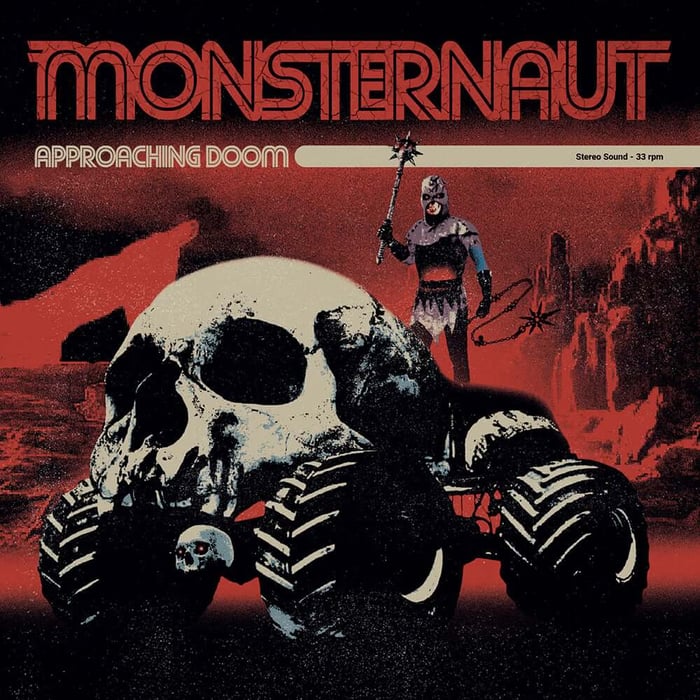
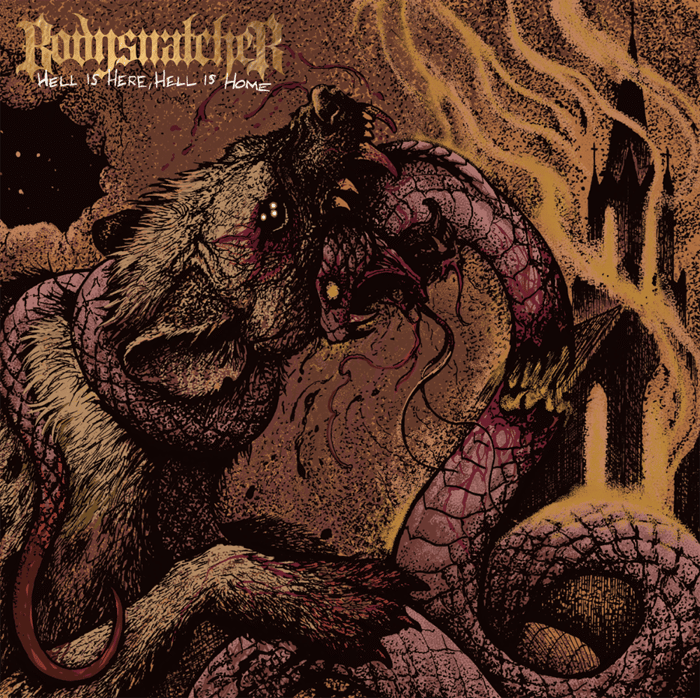
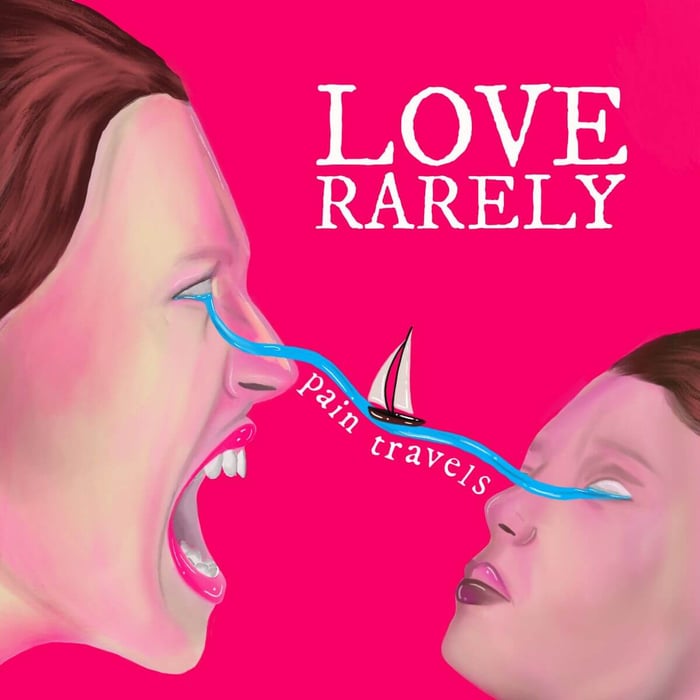
If this whole arcade-aesthetic thing is your flavor, consider grabbing a favorite album cover poster for your wall—your room might as well commit to the bit too: https://www.architeg-prints.com
 | DISCOUNTGET 30% OFF*Use code on your next order:
|
* This post may contain affiliate links, meaning we earn a commission if you make a purchase through these links, at no additional cost to you.