Open Ultra Earbuds 2nd Gen Bring Better Sound and Longer Battery Life


 See more Architeg Prints stories on Google.
Open Ultra Earbuds 2nd Gen Bring Better Sound and Longer Battery Life
Open Ultra Earbuds 2nd Gen promise richer bass, nine-hour battery life, wireless charging, and smarter listening without blocking outside sound.
Bose Expands Its Open-Ear Lineup
Bose is doubling down on open listening with two new true wireless models: the Open Ultra Earbuds 2nd Gen and the brand-new Sport Open Earbuds. One aims to deliver flagship performance, while the other is built around workout comfort, stability, and staying alert to the world around you.
There’s something wonderfully freeing about open-ear audio. You get music in your ears without feeling sealed off from traffic, conversation, or the general soundtrack of everyday life. The trade-off, of course, is making sure the sound still feels full and satisfying. That’s where Bose says these new earbuds make their biggest moves.
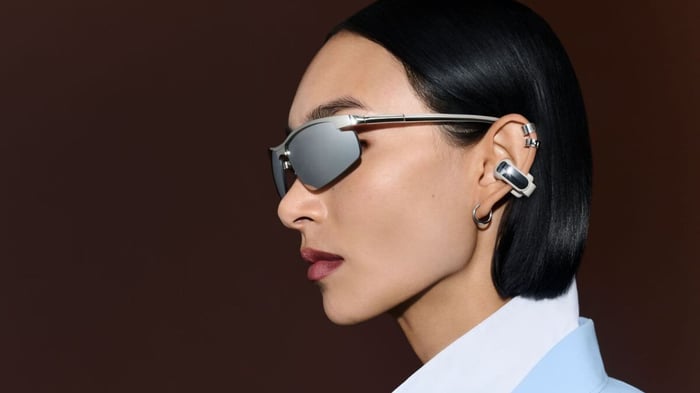
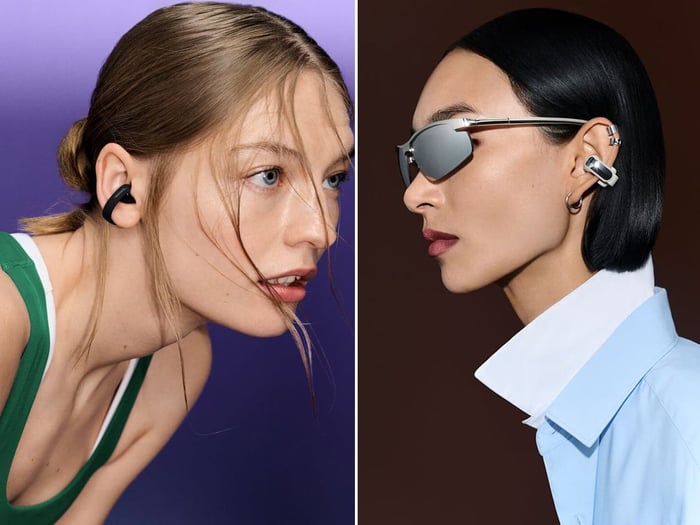
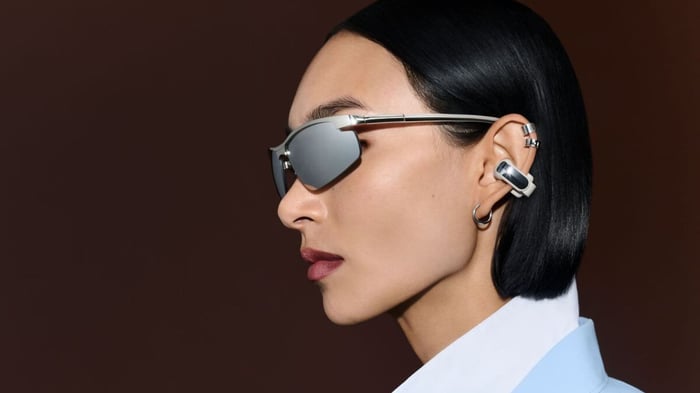
The Open Ultra Earbuds 2nd Gen sit at the top of the range, taking the “cuff” style introduced by the original Open Ultra and refining the idea rather than starting from scratch. The Sport Open Earbuds, meanwhile, take a more practical route for people who want open listening while exercising or moving through busy environments.
In other words, Bose is offering two interpretations of the same basic philosophy: music should feel personal, but your surroundings shouldn’t disappear.
A Familiar Cuff Design Gets a Fresh Tuning
The original Open Ultra Earbuds helped popularize the cuff-style open-ear design, which wraps around the ear instead of sealing the ear canal. The second-generation model keeps that recognizable shape while focusing on sound, convenience, and longer use between charges.
Both pairs use Bose’s OpenAudio technology. The company describes it as being:
“Engineered to deliver rich, personal sound through a completely open design.” — Bose
That’s a bold promise for an earbud that doesn’t create the enclosed listening chamber used by traditional in-ear models. Bose says the system is designed to send clear audio toward the ear while keeping sound leakage to a minimum. It’s the sort of balancing act that open-ear headphones have to get right: loud enough for the wearer, considerate enough for everyone nearby.
Bass was one area where the earlier model had room for improvement. Bose says it has addressed that concern by using SoundDesign digital signal processing to amplify the low end. The goal is a fuller presentation, giving bass lines, kick drums, and deeper electronic textures more weight without abandoning the open feeling.
That could make a noticeable difference for everyday listening. Open-ear audio can sometimes make music feel lighter or less grounded, especially when the surroundings are busy. If Bose’s processing delivers as promised, the second-generation Open Ultra Earbuds should feel less like a compromise and more like a deliberate listening style.
Awareness Remains Part of the Experience
The new Bose models don’t include active noise cancellation or noise reduction. That isn’t an oversight; it’s central to the open-ear concept. You’ll still hear what’s happening around you, whether that means a conversation at home, footsteps on a path, or the steady hum of city life.
For some listeners, that awareness is the entire appeal. Open earbuds can feel less isolating than conventional headphones, and they’re especially useful when you want background music without completely disappearing into it. The downside is that environmental sound remains part of the mix, so the earbuds have to work harder to keep vocals and instruments clear.
Phone calls receive attention through Bose’s SpeechClarity technology, which uses AI-enhanced voice isolation. Each earbud combines one dedicated microphone with one voice pickup unit, working together to separate the wearer’s voice from surrounding noise.
Bose says this setup should help conversations sound cleaner in less-than-quiet places. That’s important because microphones on open-ear designs can face the same environmental challenges as the speakers: wind, traffic, voices, and general commotion all remain in play.
Earlier impressions identified voice performance as another area that needed improvement, so the updated SpeechClarity system will be one of the more interesting features to watch. A great music experience is nice, but a pair of earbuds that struggles on calls can quickly become a drawer resident. Nobody wants that fate for a premium gadget.
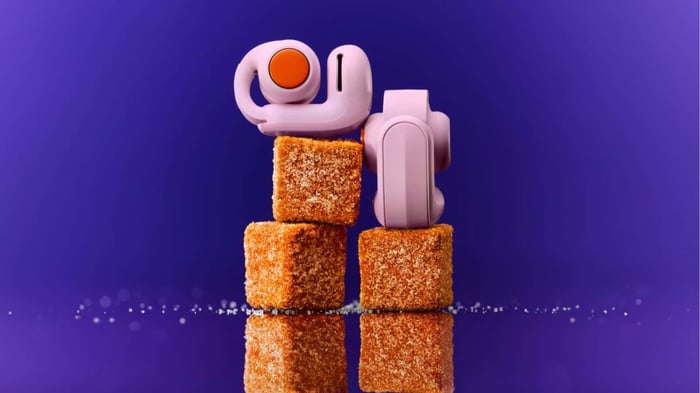
Auto Volume and Cinema Mode Add More Flexibility
The Open Ultra Earbuds 2nd Gen also introduce Auto Volume, a feature that adjusts listening levels in response to background noise. The idea is simple: when the environment gets louder, the earbuds can respond without forcing you to constantly reach for the controls.
That sounds particularly useful for open-ear listening, where ambient noise is expected rather than blocked. Instead of manually turning the volume up every time the surroundings become more energetic, Auto Volume is designed to help maintain a more consistent listening experience.
The flagship model also adds Cinema Mode, bringing spatial audio to video content. This joins Immersive Audio, which was already available on the original Open Ultra Earbuds. Together, those features are intended to make films and shows feel broader and more enveloping, even though the earbuds remain physically open.
It’s an appealing idea for anyone who enjoys watching video without wearing traditional headphones. Spatial sound can add a sense of scale, helping dialogue, effects, and music feel less like they’re simply being played beside your head. The open design keeps you connected to your surroundings, while the audio processing tries to make the content feel more cinematic.
Nine Hours of Battery Life and Wireless Charging
Battery performance gets a useful boost in the second-generation Open Ultra Earbuds. Bose lists up to nine hours of listening per charge, giving the new model more stamina than its predecessor.
That extra time matters with open earbuds because they’re easy to leave on throughout the day. You might use them for music, switch to a phone call, return to a podcast, and then keep them on while moving around the house. More battery headroom means fewer interruptions and less need to keep the charging case within reach.
Wireless charging is also included from launch. It’s a small convenience, but one that quickly becomes part of a daily routine. Drop the case onto a compatible charging pad, and you don’t have to fuss with a cable every time the battery starts running low.
The Open Ultra Earbuds 2nd Gen support Snapdragon Sound and aptX Adaptive Bluetooth streaming when paired with a compatible phone. That gives supported devices access to the relevant Snapdragon audio features, while aptX Adaptive is designed to adjust Bluetooth performance according to the listening situation.
As always, compatibility plays a role here. The full benefit depends on the phone and source device being used, but the inclusion gives the flagship model a more advanced wireless specification than a basic Bluetooth connection.
Sport Open Earbuds Focus on Movement
While the Open Ultra Earbuds 2nd Gen are the premium option, the Sport Open Earbuds are aimed squarely at active use. Bose describes them as its first model to prioritize stability, comfort, and durability in this particular open-ear format.
That focus makes sense. An earbud can sound wonderful in a quiet room and still become annoying the moment you start running, training, or sweating through a workout. The Sport Open Earbuds are designed to stay put while keeping the ear open, allowing users to remain aware of their surroundings during physical activity.
Auto Volume appears here as well, giving the sport-focused model the same ability to respond to changes in environmental noise. That should help when moving between quieter streets, busy gyms, and more open outdoor spaces.
Control comes through textured physical buttons. Rather than relying entirely on touch controls, Bose says the textured surface should make the buttons easier to locate and press with sweaty hands. It’s a practical detail, but those are often the details that make or break workout gear. A slippery touch panel isn’t much help when your fingers are damp and you’re trying to change a track mid-session.
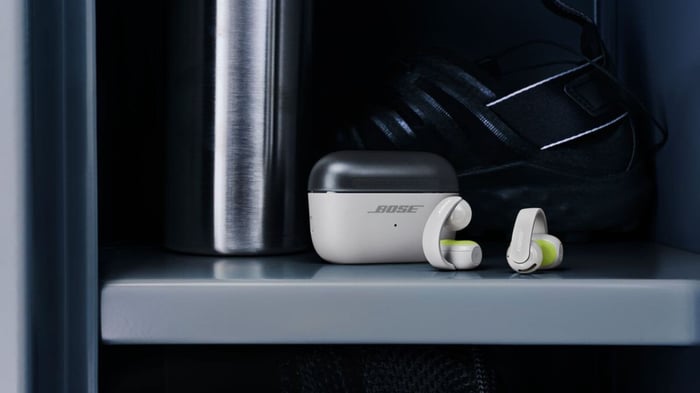
The Sport Open Earbuds carry an IP54 rating, offering protection against water, sweat, and grime. That rating suits the intended use, although the earbuds are still positioned as equipment for active everyday listening rather than something to treat carelessly.
They also support wireless charging and offer up to seven hours of battery life per charge. The charging case features a translucent, textured lid, which Bose says should make it easier to grip. It’s a small visual flourish with a practical purpose—exactly the kind of design touch that can be appreciated when you’re grabbing the case with tired or sweaty hands.
Pricing, Availability, and the Choice Between Them
The Open Ultra Earbuds 2nd Gen are priced at £299.99, matching the price of the original model. That keeps them positioned as Bose’s premium entry in the open-ear headphones category, with the longer battery life, enhanced bass processing, Cinema Mode, Snapdragon Sound, and wireless charging helping justify their place at the top.
The Sport Open Earbuds are priced at £179.99. They offer a lower-cost route into Bose’s open-ear lineup while emphasizing workout-friendly features such as stability, physical controls, IP54 protection, and seven-hour battery life.
Both models are scheduled to become available on October 1, with pre-orders opening ahead of that date. The choice is fairly straightforward: the Open Ultra Earbuds 2nd Gen are aimed at listeners who want the richer feature set and longer battery life, while the Sport Open Earbuds are designed for people who care most about secure comfort and awareness during exercise.
It’s a tidy two-model strategy. One pair is the polished flagship for music, calls, and video. The other is the energetic training companion. And for anyone who remembers when open-ear audio felt like a niche experiment, seeing Bose build an entire range around the idea is a pretty satisfying turn of events.
The Open Ultra Earbuds 2nd Gen aim to make open listening sound fuller, last longer, and work more naturally across music, calls, and video. Would you choose the premium model for its richer feature set, or would the sport-focused design better fit your routine?
FAQ
- What are the Open Ultra Earbuds 2nd Gen?
They’re Bose’s flagship open-ear true wireless earbuds, using a cuff-style design that keeps the ear canal open while delivering personal audio. - Do the Open Ultra Earbuds 2nd Gen have active noise cancellation?
No. Neither new Bose model includes active noise cancellation or noise reduction, allowing users to remain aware of their surroundings. - How long does the Open Ultra Earbuds 2nd Gen battery last?
Bose lists up to nine hours of battery life per charge for the second-generation Open Ultra Earbuds. - What is the difference between the Open Ultra and Sport Open Earbuds?
The Open Ultra Earbuds 2nd Gen are the premium model with features such as Cinema Mode, Immersive Audio, Snapdragon Sound, and nine-hour battery life. The Sport Open Earbuds focus on workout stability, textured physical buttons, IP54 protection, and seven-hour battery life. - Do both models support wireless charging?
Yes. Wireless charging is supported by both the Open Ultra Earbuds 2nd Gen and the Sport Open Earbuds.
If Bose’s open-ear approach brings back memories of discovering music in a totally different way, consider bringing that feeling into your space with a favorite album cover poster from Architeg Prints. It’s a warm, visual nod to the albums that stay with us long after the earbuds come off.
 | DISCOUNTGET 30% OFF*Use code on your next order:
|
* This post may contain affiliate links, meaning we earn a commission if you make a purchase through these links, at no additional cost to you.