Sony Pulse Headsets Bring Planar Magnetic Sound to PlayStation


 See more Architeg Prints stories on Google.
Sony Pulse Headsets Bring Planar Magnetic Sound to PlayStation
Sony’s new Pulse headsets bring planar magnetic drivers, low-latency wireless audio, ANC, and smarter microphones to PlayStation gaming.
A New Sound for the PlayStation Lineup
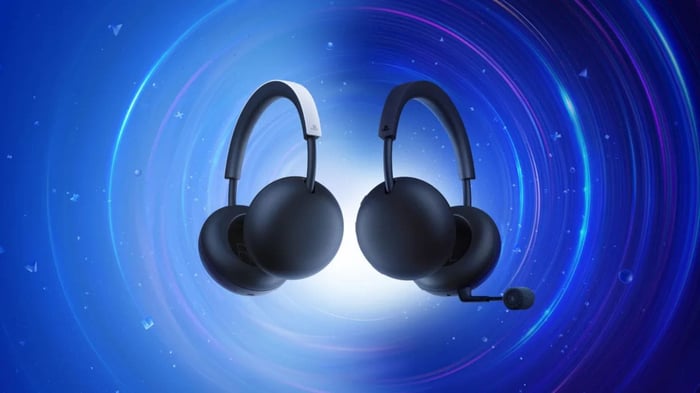
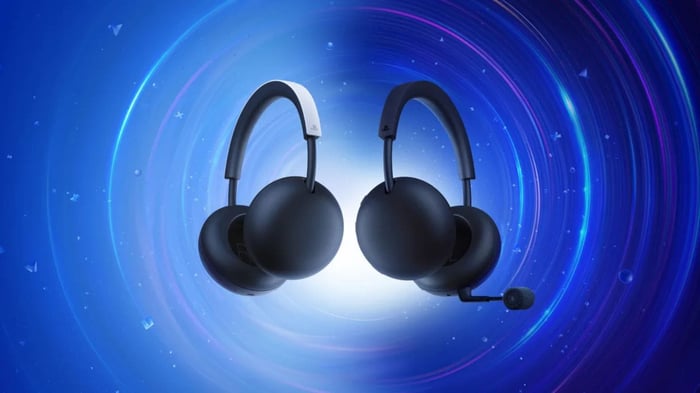
Sony is expanding its gaming-audio family with two new wireless models: the Pulse and the Pulse Edge. Both headsets introduce planar magnetic drivers to a broader PlayStation audience, promising a cleaner, more detailed listening experience for games, voice chat, and everyday entertainment.
Planar magnetic technology has long been associated with premium headphones, so seeing it move further into the mainstream PlayStation range is a genuinely interesting development. It is the sort of feature that can sound like technical jargon on a product page, but it has a practical purpose: helping games feel more precise, spacious, and immediate when the action gets noisy.
For anyone who has ever spun around in a shooter because a single footstep seemed to come from somewhere behind them, directional audio can make a real difference. The new Pulse models are designed with that exact gaming moment in mind.
What Planar Magnetic Drivers Actually Do
The heart of both headsets is the planar magnetic driver. Unlike more conventional driver designs, planar magnetic systems use thin, flat diaphragms positioned between magnets. That arrangement allows the diaphragm to move in a controlled way as it produces sound.
The goal is lower distortion and cleaner bass. In practical terms, explosions should have more shape rather than becoming a fuzzy wall of noise, while lower-frequency effects can sound fuller without overwhelming dialogue or environmental details. That balance matters in games, where a heavy soundtrack, incoming radio message, and nearby movement may all happen at once.
Sony first introduced planar magnetic technology to its PlayStation headset range with the Pulse Elite in 2024. That move followed Sony’s acquisition of premium headphone maker Audeze, a company known for its planar magnetic headphones. The new Pulse and Pulse Edge models continue that direction, but they place the technology in two additional wireless gaming headsets.
There is a certain retro-futuristic charm to the idea. Gaming audio has always chased a more cinematic sense of immersion, but planar magnetic drivers approach that ambition through hardware rather than flashy software alone. The result is intended to make subtle sounds easier to separate from the general chaos.
Designed for Directional Detail
The next piece of the puzzle is positioning. Sony says the new Pulse headsets are designed to make directional sounds easier to identify, which could help players work out where an approaching enemy or set of footsteps is coming from.
That may sound like a small advantage until you are in the middle of a first-person shooter, trying to decide whether the sound came from the left corridor, the floor above, or somewhere directly behind you. In those tense seconds, audio becomes part of the game’s map. A clearer sense of direction can help players react with more confidence.
The headsets are not presented as radically different gaming devices; they are still built around the familiar needs of console players. Instead, the appeal is more refined. The intention is to make the audio picture easier to read, with individual sounds standing out instead of blending together.
That could be especially useful in games where atmosphere does as much storytelling as dialogue. Footsteps, distant movement, environmental noise, and low rumbles can all contribute to the feeling that something is about to happen. Good audio does not simply make a game louder. It makes the world feel more legible.
PlayStation Link Keeps the Connection Flexible
Both the Pulse and Pulse Edge use PlayStation Link for low-latency wireless audio. That gives them a direct connection designed for responsive gaming sound, where even a small delay can feel distracting during fast-paced play.
The headsets can also switch between compatible devices, including the PS5, PlayStation Portal, PC, and Mac. This flexibility should appeal to players who move between a console at night, a computer during the day, and handheld gaming sessions in between.
Bluetooth support is included as well. That means owners are not limited to PlayStation hardware when they want to use the headsets. It broadens the role of the devices beyond the living-room console, turning them into more adaptable wireless headphones for different setups.
This matters because modern gaming spaces rarely revolve around just one machine. A headset that works across several platforms is easier to live with, particularly when switching devices does not require a complete change of routine. Nobody wants to wrestle with pairing menus right before a match begins.
Pulse Edge Adds More Focused Features
Although the two models share the same basic planar magnetic approach, the Pulse Edge is the more advanced option. Sony says it uses twice as many magnets as the standard Pulse, a design choice intended to help deliver deeper bass.
That gives the Edge a potentially heavier low-end presentation, which could make explosions, music, and other bass-rich effects feel more substantial. The important distinction is that deeper bass is not necessarily the same as louder bass. The promise here is greater depth while retaining the cleaner character associated with the driver technology.
The Pulse Edge also adds active noise cancellation. ANC can help reduce surrounding noise, making it easier to concentrate on a game or voice conversation without turning the volume up to overpower every sound in the room.
For players who share a space with other people, work near background activity, or simply prefer a more enclosed listening experience, this could be one of the model’s most noticeable differences. A headset can have impressive audio hardware, but if outside noise keeps breaking through, immersion still takes a hit.
The Edge also features a detachable boom microphone. That gives it a more focused setup for voice chat, especially for players who spend a lot of time in multiplayer sessions. When the match gets competitive, a dedicated boom mic can feel more intentional than relying on a small integrated microphone tucked into the earcup.
Built-In Microphones Get an AI Assist
Both headsets include integrated microphones with AI-enhanced noise rejection. The feature is designed to filter out background noise during calls and multiplayer sessions, helping voices come through more clearly.
That should be useful in the usual real-world situations: keyboard clatter, a nearby television, household noise, or the sudden soundtrack of someone moving around the room. Multiplayer chat can become difficult to follow when every microphone is picking up its surroundings, so cleaner voice transmission is a welcome part of the package.
The distinction between the models is still clear, though. The standard Pulse offers integrated microphones for a simpler setup, while the Pulse Edge combines its microphone system with a detachable boom for players who want a more dedicated voice-chat arrangement.
It is a sensible split. Some gamers want a headset they can put on and use without much fuss. Others care deeply about communication quality and would rather have a microphone positioned exactly where it needs to be. The two designs appear aimed at those different habits.
Pricing Will Decide Where They Fit
Sony has not announced pricing or a release date for either new headset yet. That missing information makes it difficult to judge the Pulse range fully, particularly when comparing the standard Pulse with the more feature-packed Pulse Edge.
For context, the existing Pulse Elite currently sells for $149. Meanwhile, the newer PlayStation version of Audeze Maxwell 2, announced at CES 2026, costs $329. Those two reference points show the range Sony is working around, from a more accessible PlayStation-branded headset to a higher-priced model built around premium audio technology.
The final prices will determine whether the new Pulse models feel like straightforward upgrades, premium alternatives, or a bridge between different parts of Sony’s audio lineup. The Pulse Edge, with its additional magnets, active noise cancellation, and detachable boom microphone, would naturally be expected to sit above the standard Pulse. Exactly how far above remains unknown.
Until Sony confirms the release details, there is no way to say whether the new models will offer strong value. The technology is intriguing, but specifications only tell part of the story. Comfort, battery life, software support, microphone performance, and everyday usability will all shape how worthwhile these headsets feel once they are available.
An Interesting Middle Ground for PlayStation Audio
For now, the new Pulse range occupies an intriguing position. Sony is bringing technology associated with higher-end Audeze headphones into its mainstream PlayStation headset lineup, giving more players a chance to experience planar magnetic sound without necessarily stepping into the most expensive part of the market.
The Pulse appears to focus on delivering that technology in a straightforward wireless gaming headset. The Pulse Edge pushes further, adding twice as many magnets, active noise cancellation, and a detachable boom microphone for a more specialized setup.
That creates a familiar choice: keep things simple with the standard model, or pay more for the extra features if they match your gaming habits. A player who mainly enjoys single-player adventures may value clarity and wireless convenience. Someone who spends every evening in multiplayer chat could be more interested in the Edge’s microphone and noise-cancellation features.
The key details are still waiting in the wings. Once Sony announces pricing and release dates, the shape of the new lineup will become much clearer. Until then, these headsets remain a promising sign that advanced audio technology is moving deeper into everyday console gaming.
Conclusion: Is Planar Magnetic Audio the Next PlayStation Upgrade?
Sony’s new Pulse headsets aim to make gaming audio cleaner, more directional, and more flexible across devices. The standard Pulse and Pulse Edge share the same core approach, while the Edge adds deeper-bass ambitions, active noise cancellation, and a detachable boom microphone. The big question is simple: will the final pricing make these features feel like a smart upgrade?
FAQ
- What are planar magnetic drivers?
Planar magnetic drivers use thin, flat diaphragms positioned between magnets. This design is intended to reduce distortion and produce cleaner, more controlled bass than more conventional driver types. - What is the difference between the Pulse and Pulse Edge?
The Pulse Edge uses twice as many magnets as the standard Pulse, adds active noise cancellation, and includes a detachable boom microphone. Both models use planar magnetic drivers and integrated microphones with AI-enhanced noise rejection. - Which devices support the new Pulse headsets?
The headsets use PlayStation Link for low-latency wireless audio and can switch between compatible devices, including PS5, PlayStation Portal, PC, and Mac. Bluetooth connectivity is also supported. - Do both models include microphones?
Yes. Both headsets have integrated microphones with AI-enhanced noise rejection. The Pulse Edge also includes a detachable boom microphone for a more focused voice-chat setup. - How much will the new Pulse headsets cost?
Sony has not announced pricing or release dates for either model yet. The existing Pulse Elite currently sells for $149, while the newer PlayStation version of Audeze’s Maxwell 2 costs $329.
If you enjoy the visual side of gaming culture as much as the sound, take a look at the favorite album cover posters available at Architeg Prints. They are a warm, stylish way to give your gaming or music space a little more personality.
 | DISCOUNTGET 30% OFF*Use code on your next order:
|
* This post may contain affiliate links, meaning we earn a commission if you make a purchase through these links, at no additional cost to you.