Pulp Mercury Prize Return: War Child, Brian Eno and Full-Circle Magic



Pulp Mercury Prize Return: War Child, Brian Eno and Full-Circle Magic
Pulp Mercury Prize memories come rushing back as the band celebrates War Child, revisits a chaotic 1996 win, and champions the enduring power of albums.
A return to the Mercury Prize stage
Some nights feel less like a fresh chapter and more like a record finally reaching its final track. For Pulp, returning to the Mercury Prize in 2026 carried exactly that kind of satisfying symmetry: War Child, a charity album, a familiar trophy-shaped memory, and one very nearly discarded cheque.
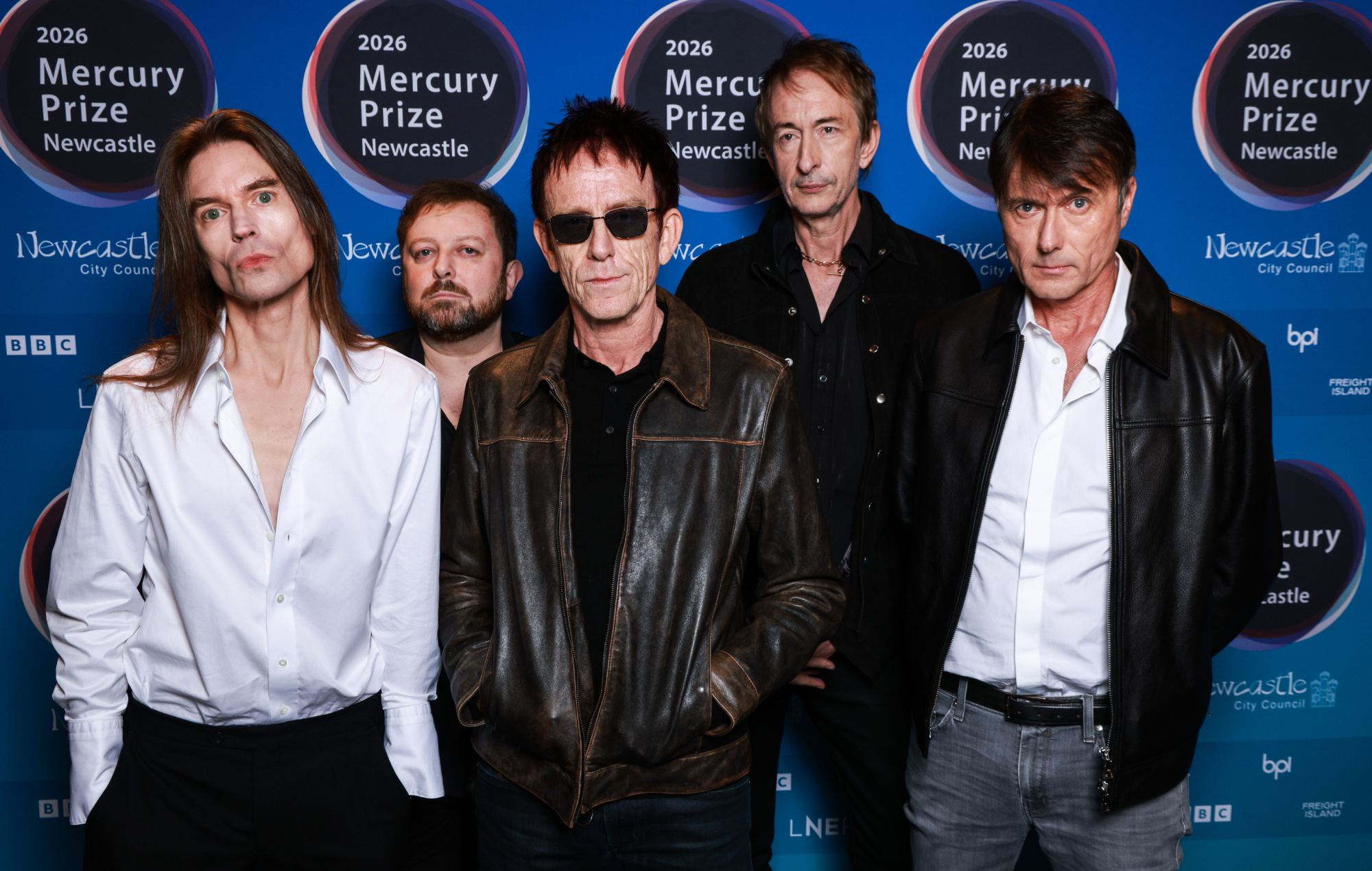
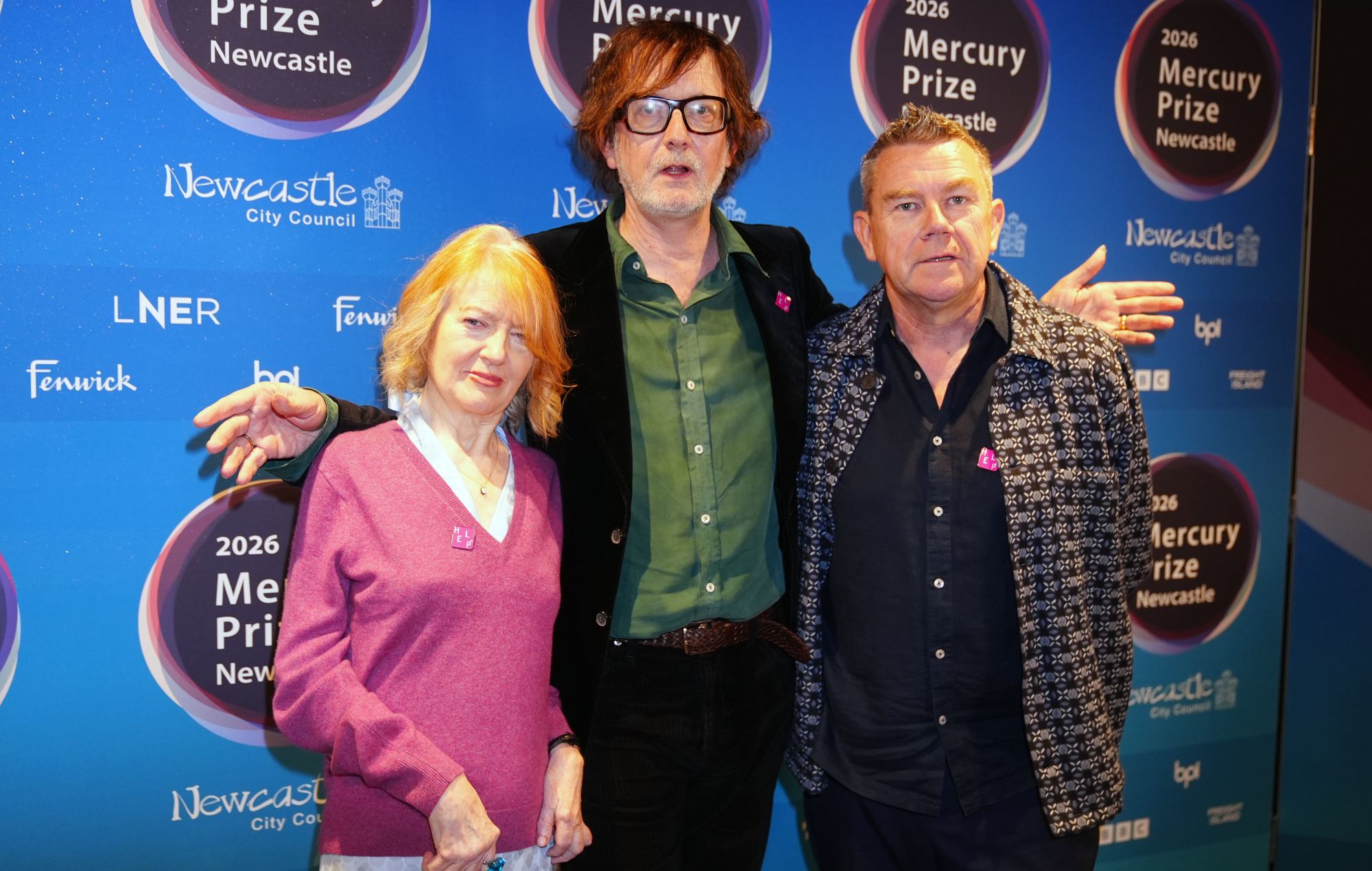
The indie veterans attended the ceremony in Newcastle on Thursday, October 22, where they performed “Begging For Change.” The song appears on Help(2), a compilation created in support of War Child and inspired by the landmark 1995 Help album.
This wasn’t simply another festival-style performance for Pulp. Their history with the original project runs deep. When the band won the Mercury Prize in 1996 for Different Class, they chose to donate the £25,000 prize money to the first Help record’s charitable cause. That decision has become one of those wonderfully strange pieces of music history—the kind that sounds almost scripted until you hear the story of Brian Eno nearly throwing the money away.
From Help to Help(2)
The original 1995 compilation was led by Brian Eno and brought together a remarkable cross-section of British and international music. Its contributors included Oasis, Blur, Radiohead, Orbital, Portishead, Massive Attack, Suede, Sinéad O’Connor, and Manic Street Preachers.
The 2026 follow-up carries that same spirit into a new era. Help(2) features contributions from Arctic Monkeys, Fontaines D.C., Wet Leg, Young Fathers, English Teacher, Damon Albarn, Geese frontman Cameron Winter, Olivia Rodrigo, and many more.
Pulp’s involvement made the project feel especially full circle. Their comeback album, More, had been nominated for the previous year’s Mercury Prize, while their earlier win for Different Class remains one of the defining moments in their career. The band didn’t win this time, but their performance connected two generations of the charity project in one room.
And, naturally, the past came up.
The 1996 win was a little blurry
Asked what they remembered about winning the Mercury Prize in 1996, Jarvis Cocker offered the sort of answer that instantly conjures the era’s champagne-soaked afterparty.
“Terrible, I have no memories at all. I was pissed out my…” — Jarvis Cocker
Nick Banks remembered slightly more—or at least remembered the evidence. He recalled footage of himself spraying champagne over everyone, prompting Cocker to label it “stereotypical drummer behaviour.”
Banks accepted the charge without hesitation. In his view, if a band wins an award and champagne is nearby, there’s practically a rulebook demanding that someone gets drenched.
Candida Doyle, however, remembered the part that mattered most. She had the cheque inside an envelope with the award and handed it to Brian Eno, who apparently assumed he was simply being given the trophy.
“He just took it and thought he was just getting the award,” Doyle recalled. Later, Eno told her, “I nearly threw that envelope away.”
The reason? He hadn’t realized the envelope contained £25,000.
For Doyle, the moment was memorable for another reason too. It was the first time she had spoken to Eno, making the encounter equal parts generous, surreal, and slightly nerve-racking. Cocker joked that she had been calling Eno every week ever since. Doyle then added another detail she remembered clearly: Eno’s father had been a postman.
It’s a perfect Pulp anecdote—dry, oddball, and somehow touching beneath the punchline.
A circle that keeps getting wider
That old connection to War Child made the 2026 ceremony feel especially meaningful. Pulp weren’t simply performing a song from a current compilation; they were representing a cause they had supported at a pivotal moment in their own story.
“It feels good,” Cocker said. “We’re representing that album. There are 20 other people on it, and it’s a good album. It’s an honour to be asked to do that.”
There’s something fitting about Cocker’s fondness for the circular shape of the story. Pulp won the prize in 1996, donated the money to the original charity album, and later returned to perform on its follow-up. The years between those moments are substantial, but the thread never quite broke.
For longtime fans, it’s the musical equivalent of finding an old ticket stub in a coat pocket and realizing the night it represents still matters.
Pulp and the album that started it all
The first Help album was recorded at Abbey Road in a single day, an ambitious setup that left an impression on Cocker. He admitted that Pulp had probably felt a little jealous about not being invited to participate in the original project.
He also remembered Paul McCartney’s involvement, another detail that helped underline just how significant the 1995 compilation had been.
The new project brought together a different set of artists and creative personalities. That variety can be both the charm and the challenge of a compilation. Different genres, different instincts, different ways of arranging a song—without a strong guiding hand, the results can feel like a playlist assembled by committee.
According to Banks, producer James Ford managed to bring the strongest qualities out of the participating artists while shaping the collection into a compelling whole. That’s no small job. A compilation needs contrast, but it also needs a reason to keep listening from one track to the next.
The paper route behind the record collection
The conversation took a charming detour when Cocker mentioned one of the few jobs he had held outside music: delivering an afternoon newspaper in Sheffield.
Banks immediately joked that he couldn’t imagine Cocker handling an early-morning paper route. Cocker agreed, explaining that the afternoon shift suited him much better.
The first money he earned from the job presented a familiar teenage dilemma: what do you buy when you’ve finally got a little spending money of your own? In Cocker’s case, the answer was a music paper. That purchase became a small but memorable gateway into the musical world he would eventually inhabit.
It’s a lovely image: young Jarvis Cocker finishing his paper round, holding his first wages, and choosing music journalism over sweets or whatever else a teenager might have considered. A modest beginning, but one that points toward the future.
What makes a great album?
The question arrived at exactly the right moment, with the ceremony celebrating the album as an art form rather than simply a collection of individual tracks.
“Great songs.” — Candida Doyle
Banks looked at the issue from the perspective of a compilation. A project such as Help(2) has to make room for multiple genres, distinct ideas, and different artistic identities. The challenge is not to make everything sound the same, but to make the differences feel intentional.
Cocker, meanwhile, offered a passionate defense of the album format itself. He argued that albums are making a comeback, pointing to renewed interest in vinyl while suggesting that CDs are gradually disappearing and that digital album purchases have become less common.
For Cocker, vinyl remains the format where records work best. A side lasts around 20 minutes, giving the listener time to settle into the music before getting up to make a cup of tea or take a small break. That interruption isn’t a flaw; it becomes part of the ritual.
“Albums are coming back,” he insisted. “They’re back!”
There’s a particular warmth in that idea. Albums ask for attention, but they also give something back: a beginning, a middle, a pause, and a second side waiting patiently for you to flip it over.
Watch Pulp perform “Begging For Change”
Pulp brought “Begging For Change” to the Mercury Prize stage as their contribution to Help(2) and War Child.
The 2026 Mercury Prize itself went to Raye for This Music May Contain Hope. She took the honor ahead of a shortlist that included Paul McCartney, JADE, Nia Archives, Dave, Suede, Florence + The Machine, Olivia Dean, Knats, RAYE, Dove Ellis, and Kojey Radical.
For Pulp, though, the evening wasn’t really about competing for another trophy. It was about showing up for the album, for War Child, and for a project connected to one of the most important nights in their own history.
What comes next for Pulp?
Pulp’s future remains open-ended, which is probably the most Pulp answer imaginable. After releasing More, their first album in 24 years, Cocker said the process of making and performing it had been a pleasant experience and a source of inspiration.
Still, he was cautious about making firm predictions. The band can’t simply disappear for another 24 years, he joked, because he would be dead by then. Instead, everyone may take some time to rest before perhaps reconnecting toward the end of the year for a rehearsal.
Cocker described Pulp as an organic thing—sometimes it bears fruit, sometimes it doesn’t. Yet he also sounded fairly confident that the band would manage to create something else. The timing, as ever, remains uncertain.
That uncertainty feels honest rather than ominous. Pulp has never been a machine that releases music on command. The band seems more like a weather system: occasionally unpredictable, often dramatic, and capable of producing something beautiful when the conditions are right.
Pulp’s live film, What Do You Do For An Encore?, directed by Garth Jennings, is now available on MUBI.
Pulp’s Mercury Prize story began with a blurry celebration, a champagne-soaked drummer, and a cheque that nearly went in the trash. Decades later, the band returned to the same musical orbit for War Child, proving that some stories don’t end—they loop back around with a new chorus. What’s your favorite Pulp album moment?
FAQ
- What did Pulp perform at the 2026 Mercury Prize?
Pulp performed “Begging For Change,” their contribution to the War Child charity compilation Help(2). - Why was Pulp’s 2026 Mercury Prize appearance considered a full-circle moment?
Pulp had donated their £25,000 1996 Mercury Prize winnings to the original Help charity album. Their return for Help(2) connected that earlier act of generosity with the new compilation. - What happened to Pulp’s 1996 prize money?
Candida Doyle placed the £25,000 cheque in an envelope with the award and handed it to Brian Eno. Eno initially didn’t realize what the envelope contained and said he nearly threw it away. - Which album won Pulp the Mercury Prize in 1996?
Pulp won the 1996 Mercury Prize for their iconic album Different Class. - What is Pulp’s latest live film?
Pulp’s Garth Jennings-directed live film is titled What Do You Do For An Encore? and is available on MUBI.
Bring a little of Pulp’s album-era spirit home with a favorite album cover poster from Architeg Prints. It’s a tasteful way to keep the music—and the memories—on your wall.
 | DISCOUNTGET 30% OFF*Use code on your next order:
|
* This post may contain affiliate links, meaning we earn a commission if you make a purchase through these links, at no additional cost to you.