Billy Corgan Defends Marilyn Manson Friendship Amid Abuse Allegations



Billy Corgan Defends Marilyn Manson Friendship Amid Abuse Allegations
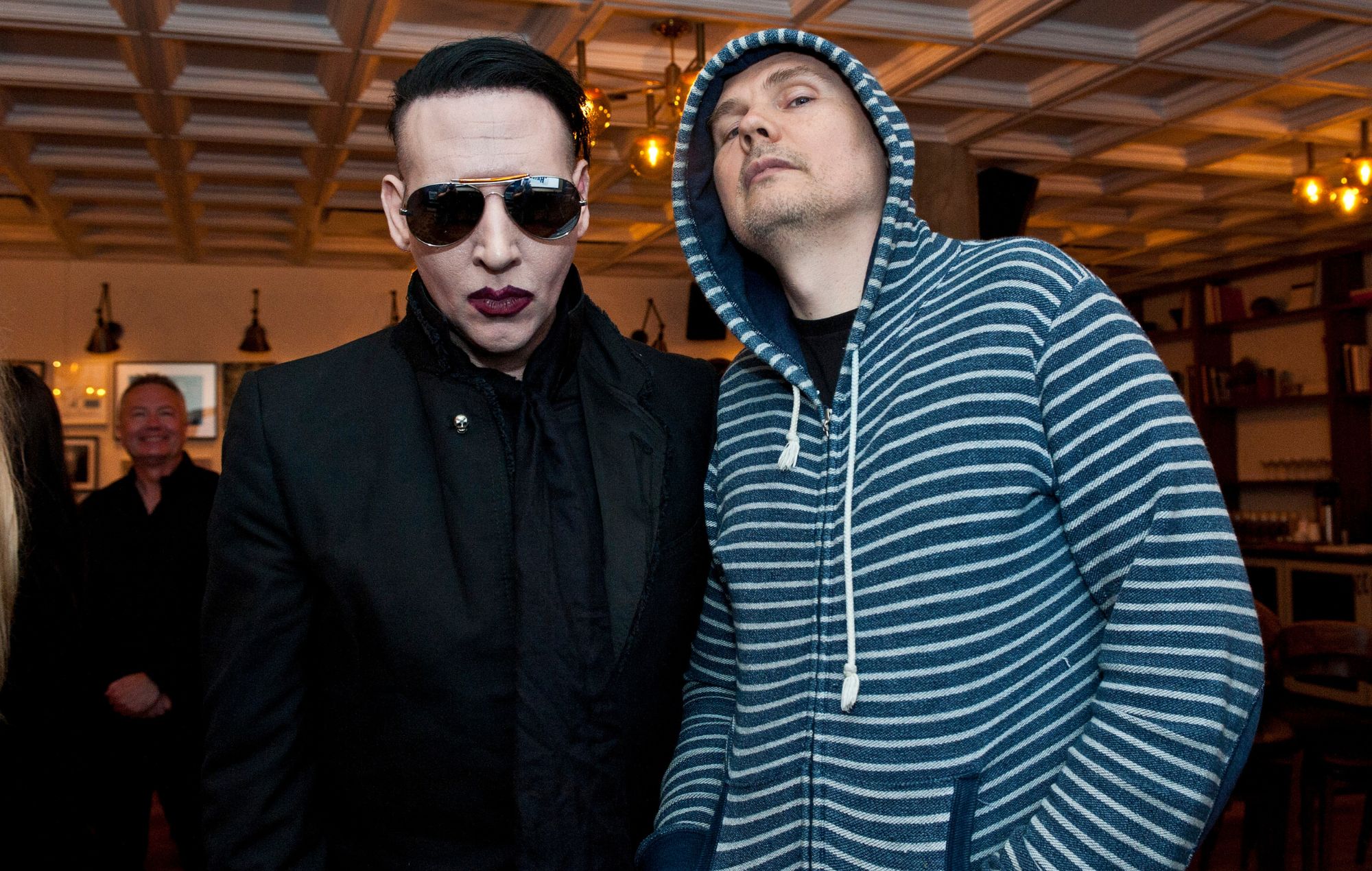
Billy Corgan defends his long friendship with Marilyn Manson, explains his personal view of the allegations, and outlines why he refuses to abandon a decades-old bond.
A friendship shaped by music, history, and complicated questions
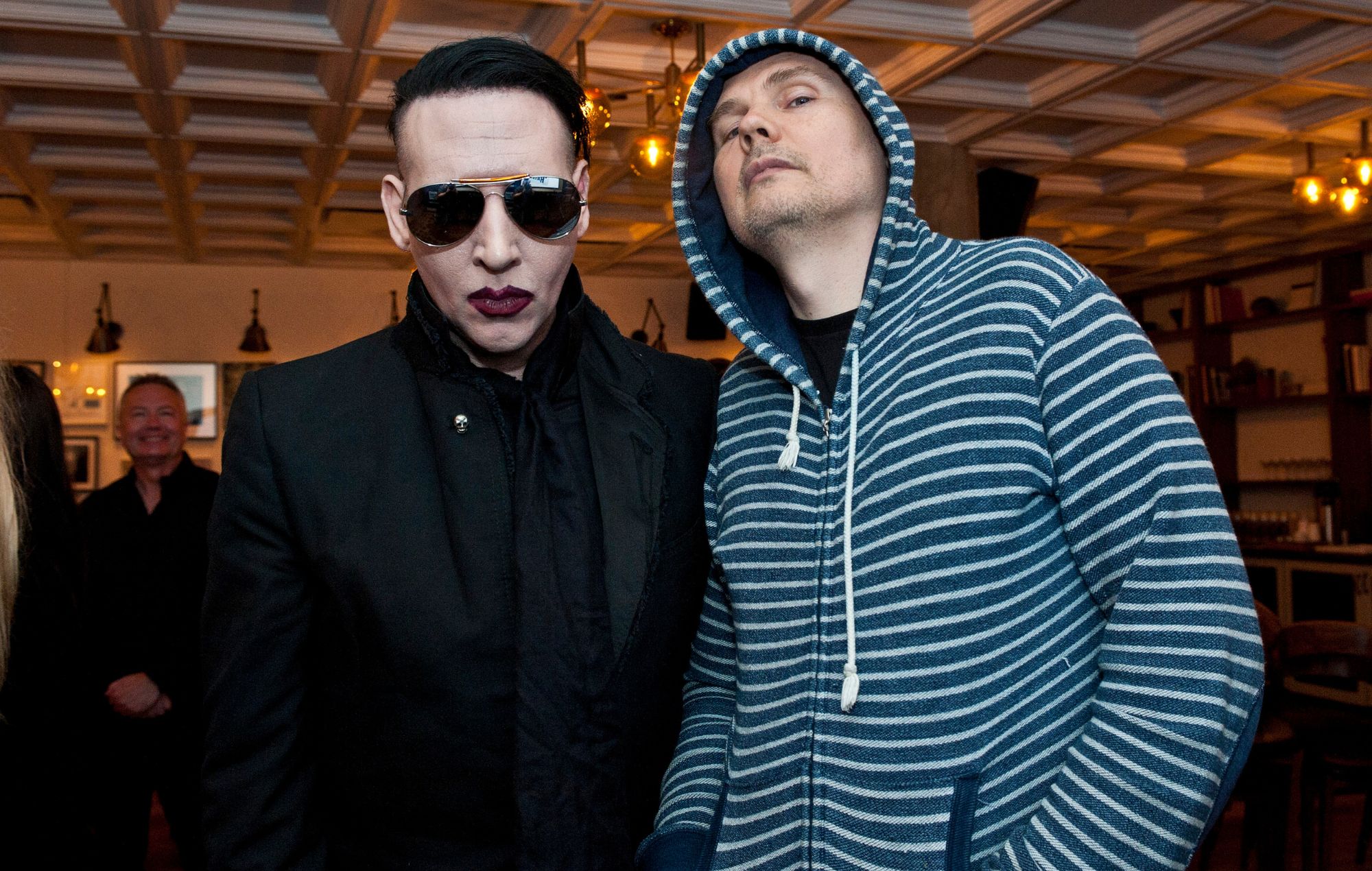
Friendships in rock music can last for decades, surviving changing trends, public feuds, and the occasional dramatically overlit stage entrance. Billy Corgan’s relationship with Marilyn Manson is one of those long-running connections—and now, it has come under renewed attention because of Corgan’s comments about the allegations made against Manson.
The Smashing Pumpkins frontman has defended his continued friendship with Manson, whose real name is Brian Warner. Corgan said he personally did not believe Warner was guilty of the accusations brought against him, while also acknowledging that he was not present for every event and could not make a complete judgment about what happened.
That distinction sits at the center of Corgan’s remarks: loyalty to a friend, he suggested, doesn’t necessarily mean refusing to think critically.
Their musical bond goes back decades
Long before the current controversy, Corgan and Manson had built a close relationship through music, touring, and shared creative influences. Their friendship became especially visible in 2015, when Manson joined The Smashing Pumpkins for the co-headlining End Times Tour.
Manson previously recalled that Corgan gave him his first guitar and attempted to teach him how to play. He also spoke about the musical influences they had in common. In a particularly charming detail—because even the most theatrical rock friendships need a soft spot somewhere—Manson noted that both musicians love cats.
Their relationship has not always been perfectly smooth. Corgan once wrote to Manson to warn him about the consequences of dating Rose McGowan, a move that contributed to a falling-out between the two. Still, the disagreement eventually faded into the background.
In 2014, Manson joined The Smashing Pumpkins onstage in London, marking a public reconciliation. For fans watching from the crowd, it was the kind of reunion that felt very rock ’n’ roll: a little dramatic, a little awkward, and ultimately impossible to resist.
Corgan says friendship does not cancel criticism
More recently, Corgan was among the familiar faces seen at Manson’s 56th birthday celebration. He appeared alongside Smashing Pumpkins guitarist James Iha, Ronnie Radke of Falling in Reverse, and John 5, the guitarist associated with Motley Crüe.
His public support has continued despite numerous allegations of sexual and domestic abuse made against Warner. Warner has denied the allegations.
Speaking on the Popcast podcast, Corgan explained that his religious beliefs and personal values influence how he approaches loyalty.
“I think that ultimately, as a Christian person… you have to stand by your friends. But that doesn’t mean you don’t have an opinion, and that doesn’t mean you’re not critical.”
Corgan stressed that supporting someone personally is not the same as declaring them incapable of wrongdoing. He also said he was not attempting to act as a judge in the case.
That may sound like a narrow distinction, but it is one Corgan clearly wanted to make. His position was not that friendship should erase accountability. Rather, he argued that people should be allowed to evaluate their own relationships instead of being told by the public whom they can or cannot associate with.
Why Corgan says he reached his conclusion
Corgan referred to the investigation into the allegations and said prosecutors examined the case over several years. He also said that he knew certain personal details that had not entered the public record.
“In his case – and I’m not here to adjudicate it – the DA looked at the case for five years. In some cases, I knew personal things behind the scenes that are not in the public sphere,” Corgan said.
He continued by explaining that, based on what he knew, he personally did not feel Warner was guilty of the accusations being considered. He also pointed to the decision by prosecutors not to pursue criminal charges.
At the same time, Corgan admitted that he had not witnessed everything and could not claim complete knowledge of every allegation.
“But, I wasn’t there. I can’t be there for everything,” he said.
That admission matters because it shows the limits of his perspective. Corgan was speaking as a longtime friend, not as an investigator, attorney, or witness. His judgment came from years of knowing Warner and from information he said he received privately.
Corgan also rejected the idea that public pressure should dictate his personal relationships.
“I don’t want the world to tell me who my friends are and who I should associate with,” he said.
A relationship Corgan describes as family
Corgan said his connection to Warner extends beyond the two musicians themselves. He knew Manson’s parents, and Warner’s wife has a twin sister married to James Iha. Because of that overlap, Corgan described Warner as “basically a part of our family.”
That framing helps explain why the relationship has remained important to him. This is not simply a collaboration between two famous performers who shared a tour bill. Corgan sees it as a bond woven through family connections, personal history, and nearly three decades of friendship.
Still, he acknowledged the seriousness of the allegations and said that anyone proven guilty of such crimes should face prison.
“If he’s guilty, or anybody in that situation is guilty, they should go to jail,” Corgan said.
His comments therefore contain two ideas that sit uncomfortably beside each other: he believes he made the right decision in continuing the friendship, but he also believes that guilt should carry severe consequences. That tension is difficult, but it is also the central issue Corgan was trying to articulate.
The allegations and Warner’s legal history
Warner’s former partner Evan Rachel Wood publicly identified him as her alleged abuser in 2021. She accused him of grooming, manipulation, and abuse during their relationship. Warner denied her claims, along with allegations made by other women, and described them as “horrible distortions of reality.”
Wood later expanded on her allegations in the 2022 documentary Phoenix Rising. Warner sued Wood and artist Illma Gore for defamation and other claims, but he dropped that lawsuit in November 2024. He also agreed to pay Wood nearly $327,000 in legal fees.
In January 2025, the Los Angeles County District Attorney’s Office confirmed that Warner would not face criminal charges following a four-year investigation into allegations of sexual assault and domestic violence. Prosecutors said the domestic violence claims fell outside the statute of limitations, while they could not prove sexual assault charges beyond a reasonable doubt.
That decision did not end every legal matter connected to the allegations.
A separate civil case was revived
A civil lawsuit brought by Warner’s former assistant Ashley Walters was revived in January under a new California law. Walters first filed the case in 2021, alleging sexual assault, sexual battery, sexual harassment, and other abuse connected to the period when she worked for Warner in 2010 and 2011.
The lawsuit had been dismissed in December 2025 because of the statute of limitations. However, California Assembly Bill 250 extended the legal window and allowed the case to proceed again. Warner has denied Walters’ allegations, as he has denied the other accusations made against him.
Actor Esmé Bianco also previously filed a separate lawsuit alleging sexual assault, physical abuse, and human trafficking. Warner denied those allegations, and the two reached an out-of-court settlement in 2023.
The debate now reaches the concert stage
Manson’s professional future has also become part of the discussion. Slipknot recently faced backlash from fans after announcing Manson as a support act for the band’s 2027 “(sic)est Stadium Tour,” which is also set to feature Bring Me the Horizon.
For some fans, the announcement is another example of the music industry separating art, business, and allegations in uncomfortable ways. For others, the decision reflects the fact that Warner was not criminally charged following the investigation. Either way, the announcement has reopened arguments about accountability, artistic association, and whether public platforms should be offered to performers facing serious accusations.
That debate feels familiar in music culture, but it never becomes simple. A stage is not a courtroom, yet every booking carries a message—and audiences are free to question what that message means.
For support, advice, or more information about sexual harassment, assault, and rape, visit Rape Crisis in the UK or RAINN in the United States.
Corgan’s defense of his friendship with Manson is ultimately a statement about personal judgment, loyalty, and the uncomfortable distance between private knowledge and public accountability. Whether listeners agree with him or not, his comments make clear that he views the relationship as a nearly 30-year bond—one he is unwilling to surrender simply because public opinion demands it.
FAQ
- What did Billy Corgan say about Marilyn Manson?
Corgan said he personally did not feel that Manson was guilty of the accusations being considered, while emphasizing that he was not present for everything and was not trying to adjudicate the case. - How long have Billy Corgan and Marilyn Manson been friends?
Corgan described their relationship as dating back close to 30 years. - Did Marilyn Manson face criminal charges after the investigation?
The Los Angeles County District Attorney’s Office confirmed in January 2025 that Warner would not face criminal charges following a four-year investigation. - What happened to Evan Rachel Wood’s lawsuit against Manson?
Warner dropped his defamation lawsuit against Wood and Illma Gore in November 2024 and agreed to pay nearly $327,000 in legal fees. - Are there still legal cases involving Marilyn Manson?
Yes. A civil case brought by former assistant Ashley Walters was revived under a new California law. Warner has denied her allegations.
If this chapter of rock history still lives on your wall—or if one album changed the way you hear the genre—browse the favorite album cover posters at Architeg Prints. A thoughtfully chosen print can keep the music, memories, and visual drama of an era close by.
 | DISCOUNTGET 30% OFF*Use code on your next order:
|
* This post may contain affiliate links, meaning we earn a commission if you make a purchase through these links, at no additional cost to you.