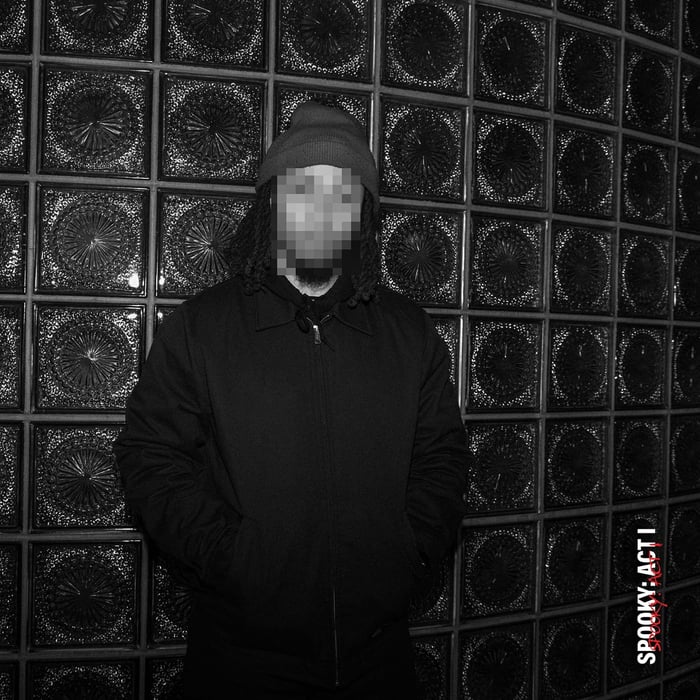
SPOOKY ACT I Review: TrigNO Turns Trauma Into a Plot Twist (Sorry)


 See more Architeg Prints stories on Google.
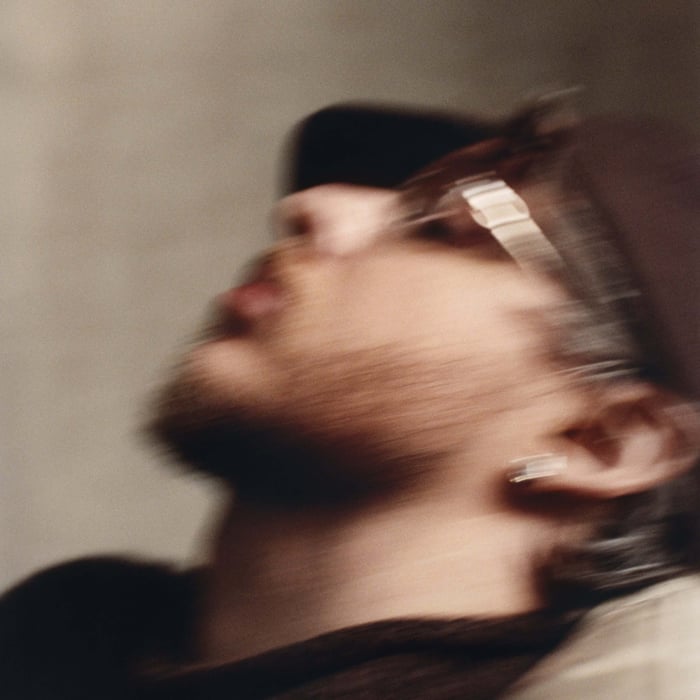
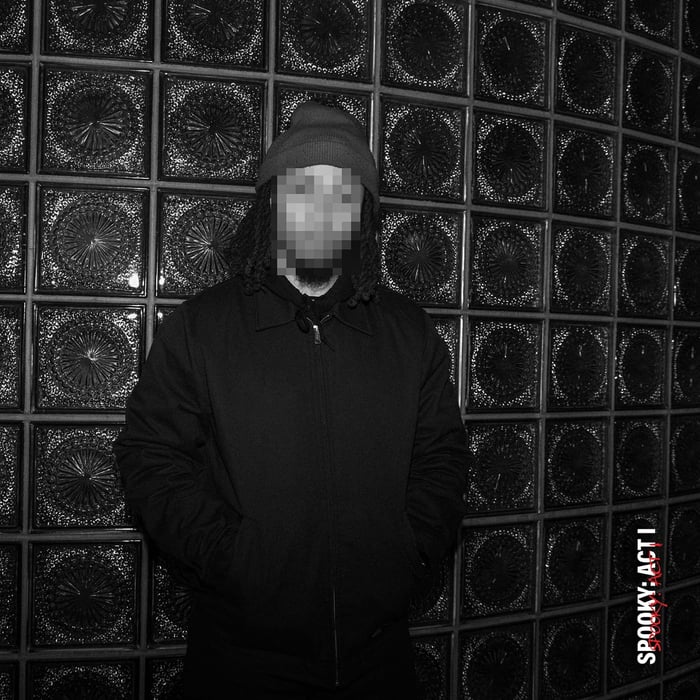
Album Review: SPOOKY ACT I by TrigNO
TrigNO’s SPOOKY ACT I is a raw and unfiltered confession, confronting trauma, blame, and survival with a brutal honesty that demands attention.
This review discusses suicide and self-harm. If you or someone you know is experiencing a mental health crisis, the 988 Suicide & Crisis Lifeline is available by call or text at 988.
This Album Doesn’t Want a “Scene”—It Wants a Reckoning
Let’s start with the inconvenient part: Columbus doesn’t really export rappers the way bigger cities do. The talent’s there, the work ethic’s there, but the runway is short and the audience is basically a tight-knit room where everybody’s cousin knows everybody’s business. That kind of environment doesn’t create “industry moves.” It creates long catalogs, local respect, and artists who learn to survive without anyone handing them a spotlight.
TrigNO sounds like exactly that kind of artist—someone who’s been building for years, not someone who just arrived with a press kit. I can hear the decade of doing it the hard way in how little he begs for approval on SPOOKY ACT I. The record doesn’t posture. It doesn’t try to charm you first. It walks in already mid-argument.
I knew going in that TrigNO came up krumping before he really leaned into rapping, and weirdly, that background makes sense here: the delivery keeps that body-first urgency, like the words are thrown rather than placed. His earlier releases (the ones that kept him in Columbus’ independent orbit with Dev Draper and a familiar circle) feel like they belong to a different emotional universe than this. SPOOKY ACT I doesn’t share their looseness. It’s heavier, tighter, and way less interested in being liked.
The Opening Parable: A Threat Wearing a Bedtime Story
The first thing this album does is tell a spoken parable about a town of ten thousand people “awaiting death,” where worry ends up doing more killing than the reaper. It’s not subtle, and it’s not supposed to be. The point is to set the rules: the real villain here isn’t just violence—it’s dread, obsession, paranoia, and the way fear becomes a lifestyle.
At first, I thought the parable was going to be one of those artsy intros artists use to cosplay depth. On second listen, though, it’s basically the contract for the next thirteen tracks. The album keeps its word. No scenic detours. No “turn-up” to break the tension. Just consequence after consequence.
And if that sounds exhausting, yeah—kind of. That’s also the intent. SPOOKY ACT I isn’t trying to be replayable comfort music. It’s trying to be the thing you avoid thinking about.
“MadeMeThisWay”: The Villain Origin Story That Immediately Starts Cracking
The hook of “MadeMeThisWay” is basically TrigNO pointing outward in every direction, naming forces that “made” him: a cousin’s murder, betrayal, corporate coldness, religious hypocrisy, the general rot of the world. He outright frames it as an “origin story of the villain,” which is a dangerous thing to say because it can turn into cheap self-mythology fast.
But then Stock Marley shows up and makes it specific—addicted mother, fake FUBU gifts at Christmas, church folks gossiping, and a moment where somebody literally talks him off a ledge. That verse gives the album a childhood texture it needs: not “I struggled” as a slogan, but “I remember the details and they still sting.”
Here’s the part that matters: the album doesn’t let TrigNO stay comfortable in victimhood for long. The “villain origin” framing starts buckling almost immediately.
When the Blame Boomerangs Back
The next stretch is where SPOOKY ACT I gets honest in a way that’s hard to fake.
On “InDanger,” TrigNO admits he used to refuse judgment and now he hands it out freely. That line doesn’t come off like growth; it comes off like he’s noticing a rot in himself and naming it before anyone else can. It’s the sound of someone realizing they’ve become the kind of person they used to hate—then not asking for applause for admitting it.
Then “chew my hand” flips the whole “everybody did me wrong” narrative into something uglier: he’s the one who gave. Built from scratch. Handed people his network. Fed people. And got paid back with absence. Dev Draper’s verse seals that feeling from the other angle—people using kindness like it’s an unlocked door, then treating the person who opened it like furniture.
That’s an arguable take, sure, but I’m going to say it anyway: this album isn’t about pain—it’s about betrayal specifically. Not the abstract kind. The kind where you replay conversations and realize you were being used in real time.
“MyGod”: The Bar That Cuts the Album in Half
The record keeps bending blame back toward the person assigning it, and by the time “MyGod” hits, the “villain origin story” idea gets shredded.
TrigNO tells a narrative about a recent college graduate, changed after his cousin got shot, rolling down on a block and firing. He hides out, numbs himself, watches the news, and sees a name that feels familiar. Then his mother screams upstairs: his brother was killed in a drive-by.
“The nigga that had killed my little brother was me.”
That’s not a twist for entertainment. It’s self-indictment as a plot device. Up until then, you can try to track the album like a list of external causes. That bar ruins the list. It erases the clean line between victim and perpetrator in one shot.
I’m not even totally sure how I feel hearing it—part of me recoils because it’s so stark it almost feels unreal, like a parable inside the parable. But the album doesn’t treat it like fiction. It treats it like a life sentence you carry around in your mouth.
“everybody can’t go”: Two Whole Movies in One Track
Right after that kind of moral implosion, the album pulls a move that shouldn’t work but does: “everybody can’t go” contains two complete narratives, either of which could’ve been its own track.
First story: a coworker from the same hood is embezzling—overcharging customers and pocketing the difference. TrigNO climbs up to CFO, warns him, and the guy won’t stop. So TrigNO starts a fight with him to get him fired before the company discovers the theft. That saves the coworker from prison, but it kills the friendship. It’s a cruel version of loyalty: protecting someone by becoming the reason they hate you.
Second story: the track hard-switches into relationship collapse. There’s a cross-country move she won’t make, one last night together, then a month later she’s creeping with the neighbor. He packs for LA. She sends a positive pregnancy test. He raised the girl for nine years, and during a screaming match she admits the daughter was never his.
That pivot is jarring—maybe too jarring. The first time I heard it, I thought, “Pick a lane.” But sitting with it longer, the whiplash starts to feel like the point: this is what life does—stacks betrayals that shouldn’t belong in the same chapter. The track title isn’t subtle either. It’s not just about the coworker. It’s about everyone.
Who Folds, Who Holds: The Album’s Real Obsession
A big chunk of SPOOKY ACT I is basically a stress-test: who breaks, who bends, who stays solid, who lies to themselves about being solid.
On “EasyMoney,” TrigNO walks through a drug operation from the first phone call all the way to the interrogation room. The second verse sticks him in the back of a cruiser thinking about the kids he doesn’t have, the woman, his freedom—like all the “later” consequences finally show up at once.
And then he folds. He says it plainly:
“Pass me the cigarette and juice on bro / Sorry, nigga, I’m tryna come home.”
The outro drives it in with a warning that feels like it’s aimed at his past self: if you’re not built like that, stay in the house.
That’s an arguable claim the album makes: survival isn’t noble—sometimes it’s just fear with a pulse. And TrigNO doesn’t romanticize that fear. He just admits it.
“one day at a time”: The Most Brutal Kind of Love Letter
If “EasyMoney” is folding, “one day at a time” is the opposite: endurance without glamour.
It’s framed like a letter to an incarcerated brother-figure—someone who used to pay for TrigNO’s food and entry fees when they were krumping across different coasts, sleeping on park benches together. That detail matters because it isn’t “we were broke” as aesthetics. It’s “we slept outside,” which is a different kind of memory.
CHRIS. delivers a verse from behind bars that’s easily the most gutting guest moment on the album. He talks about dying every day when the GTL call ends, about the hole left in the family being too wide to swim across. That’s not a “feature.” That’s a rupture recorded in real time.
And I’ll be blunt: this is where the album stops feeling like music and starts feeling like evidence. Some listeners won’t want that. I get it.
God Is Everywhere Here—and Faith Never Settles
God shows up on nearly every song, and the relationship with faith stays unresolved on purpose. This album isn’t “religious” in a clean way. It’s religious the way a drowning person is religious—bargaining, accusing, pleading, circling back.
- On “MadeMeThisWay,” there’s a pastor distributing drug packs and asking for forgiveness.
- “Hell Won’t Free” throws down a hard line: God won’t give you life twice.
- “ProverbsWoman” is the calm pocket of the record, rooting a love song in Proverbs 31 and letting N’shai Iman’s vocals hold the center.
That last one almost feels suspicious because it’s so gentle compared to everything around it. But that’s the trick: the calm isn’t relief—it’s contrast. It makes the rest hit harder.
“A New Day”: Specificity So Sharp It’s Hard to Sit With
Then comes “A New Day,” where the praying and the dying slam into each other.
TrigNO details suicide attempts with a level of specificity that borders on clinical:
- Slit wrists where he missed the main vein
- A cliff’s edge
- An overdose where doctors pumped his stomach
- A car crash
- Falling asleep in a running car in a closed garage until his wife found him
- Putting a gun to his head that jammed
Every attempt failed.
I’m not going to pretend this is “an intense moment” like we’re doing polite critique. It’s disturbing. It’s also deliberate. The song refuses to let you treat suicidal ideation like a poetic aesthetic. TrigNO is basically saying: you want the truth? Fine. Here are the methods. Here’s the failure. Here’s the fact that I’m still here and I don’t even know what that means.
And yes, I had a moment of uncertainty listening—because I kept waiting for the song to flinch, to soften the edges, to give the listener a safe interpretive distance. It doesn’t.
The Late-Album Turn Toward Living (It Has to Earn It)
After that kind of wreckage, the back stretch pivots toward living—toward a woman who smiles big but wants to give up, toward the simple statement that “this world is a better place with you living in it.”
The thing is, encouragement can sound cheap when the album has already shown you the receipts. Here, it mostly works—not because the words are prettier, but because TrigNO refuses to pretend the turn is easy or guaranteed. The hope doesn’t arrive like a miracle. It limps in.
By the closing track, he’s writing like a man drafting a will: hoping he can look Christ in the eyes, hoping he has kids and gets married before his parents die, praying he owns his masters, addressing enemies and wishing them peace, speaking directly to his brother, to nephews and nieces, to cousins who already died.
“They gon’ love you better when you dead
They gon’ love you when you dead and gone.”
That’s the kind of ending that doesn’t “wrap up themes.” It just shuts the door and leaves you standing there.
The Rough Edges Are Real—and They’re Part of the Deal
Here’s my mild criticism: the writing isn’t flawless, and pretending it is would miss the point anyway. TrigNO sometimes crams bars with more ideas than the rhythm can comfortably hold. A few transitions between emotional registers land abruptly—like the song changes temperature before your ears catch up. And certain stretches lean on list-making, where a more patient line could’ve hit harder.
But those flaws don’t feel like laziness. They feel like overflow—like the pen can’t always contain how much he’s trying to get out. I’d rather hear someone risk being messy than polish trauma into something tidy and playlistable.
And the bigger reality underneath all of this: SPOOKY ACT I contains a murder twist, paternity fraud, a snitch confession, multiple survived suicide attempts, and a goodbye letter tone that hangs over the ending. It sounds like an artist who didn’t have a label safety net while making it—and still doesn’t.
That independence shows in the scariest way: nobody told him to tone it down.
Favorite Tracks (Yeah, I’m Picking)
If you want the core of what this album is really doing, I’d start here:
- “everybody can’t go” (because it shows how fast life can stack betrayals)
- “MyGod” (because it detonates the album’s morality in one line)
- “A New Day” (because it refuses to romanticize survival)
Conclusion
SPOOKY ACT I is TrigNO taking the “villain origin story” idea and sabotaging it from the inside—until blame, faith, guilt, and survival all end up in the same cramped room, arguing over who gets to be the reason.
Our verdict: This will hit people who like rap when it’s confessional and specific, the kind of listening that feels like reading somebody’s locked notes app. If you need your music to be “fun,” or even just vaguely breathable, you’re going to tap out and call it “too much.” And honestly? That reaction is probably part of the album’s design.
FAQ
- Is SPOOKY ACT I more story-driven or bar-driven?
Story-driven, aggressively. The bars matter, but the album’s main weapon is narrative—scenes, turns, consequences. - What’s the most shocking moment on the album?
“MyGod,” and it’s not close. That single reveal flips the emotional math of everything before it. - Does the album ever give you a break emotionally?
Briefly—“ProverbsWoman” is the calmest stretch, but it feels like a held breath, not a vacation. - Is faith portrayed as comforting here?
Not consistently. God shows up everywhere, but the relationship feels unsettled—more bargaining and accusation than certainty. - Where should I start if I’m unsure about the heavy themes?
Try “everybody can’t go” first. It’s intense, but it introduces the album’s moral questions without immediately going to the most graphic material.
If this record lodged itself in your head, you might as well make the obsession decorative—shop your favorite album cover poster at our store: https://www.architeg-prints.com.
 | DISCOUNTGET 30% OFF*Use code on your next order:
|
* This post may contain affiliate links, meaning we earn a commission if you make a purchase through these links, at no additional cost to you.