TUNE X3 Headphones Bring Back Physical Audio Controls



TUNE X3 Headphones Bring Back Physical Audio Controls
TUNE X3 headphones trade hidden touch controls for tactile dials and switches, pairing retro studio character with a bold modern design.
A More Hands-On Way to Listen
There’s something satisfying about reaching for a real dial, feeling its ridged edge beneath your fingers, and turning it until the sound lands exactly where you want it. TUNE X3 headphones build their entire identity around that small pleasure, replacing vague touch gestures with physical controls you can see, feel, and recognize.
Designed by Pressec Design as part of a fictional product family, TUNE X3 explores what happens when tactile interaction becomes the star of a headphone design. Instead of making users hunt for a tiny button or guess where to tap a smooth surface, the concept places dedicated dials and switches directly into the product’s visual language.
The idea feels familiar in the best possible way. Anyone who has adjusted the volume on an old stereo receiver or twisted a control on studio equipment knows the difference between pressing a screen and operating a mechanism. One is convenient. The other feels like an interaction.
A Retro Shell With a Bold Color Hit
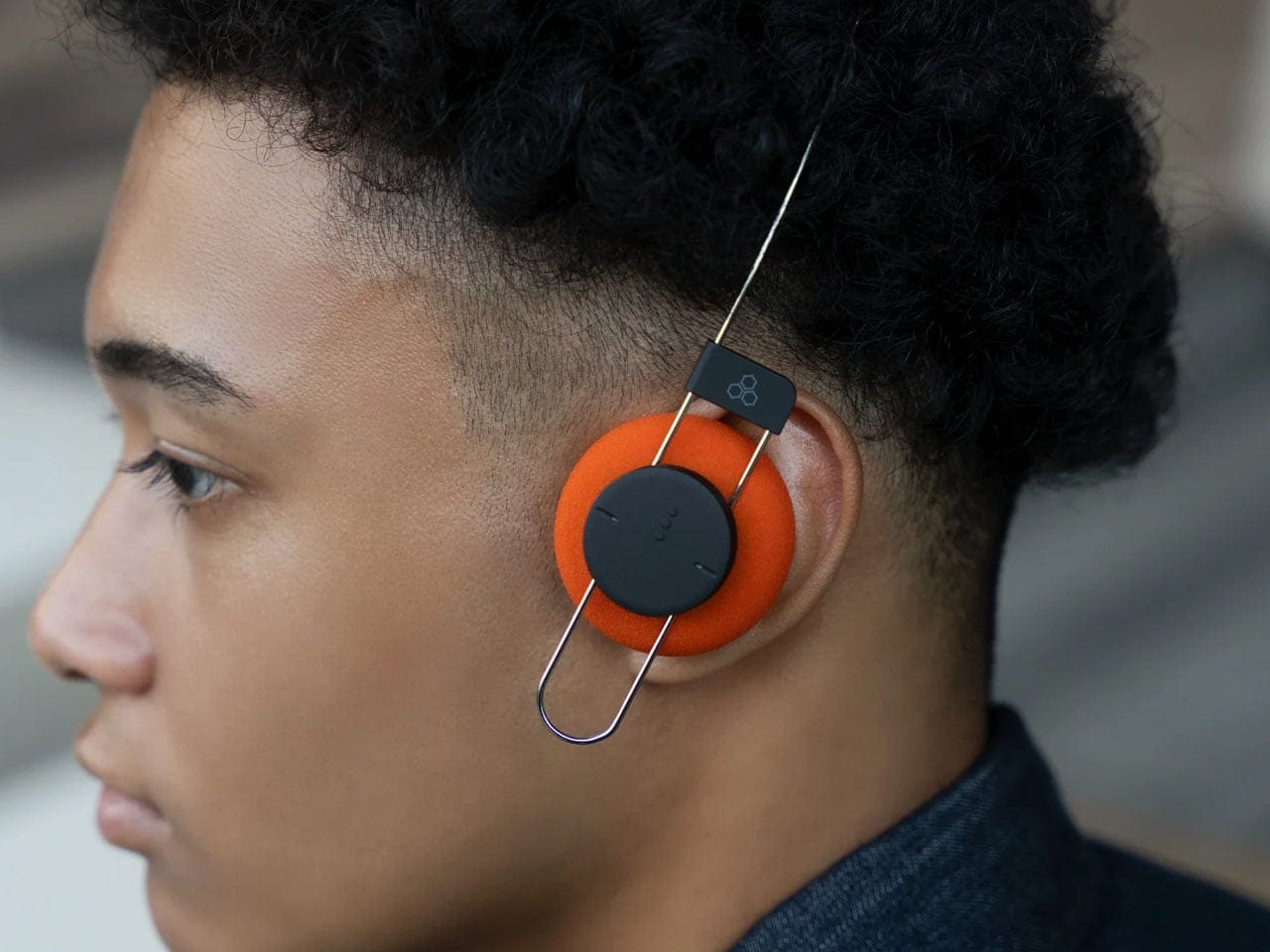
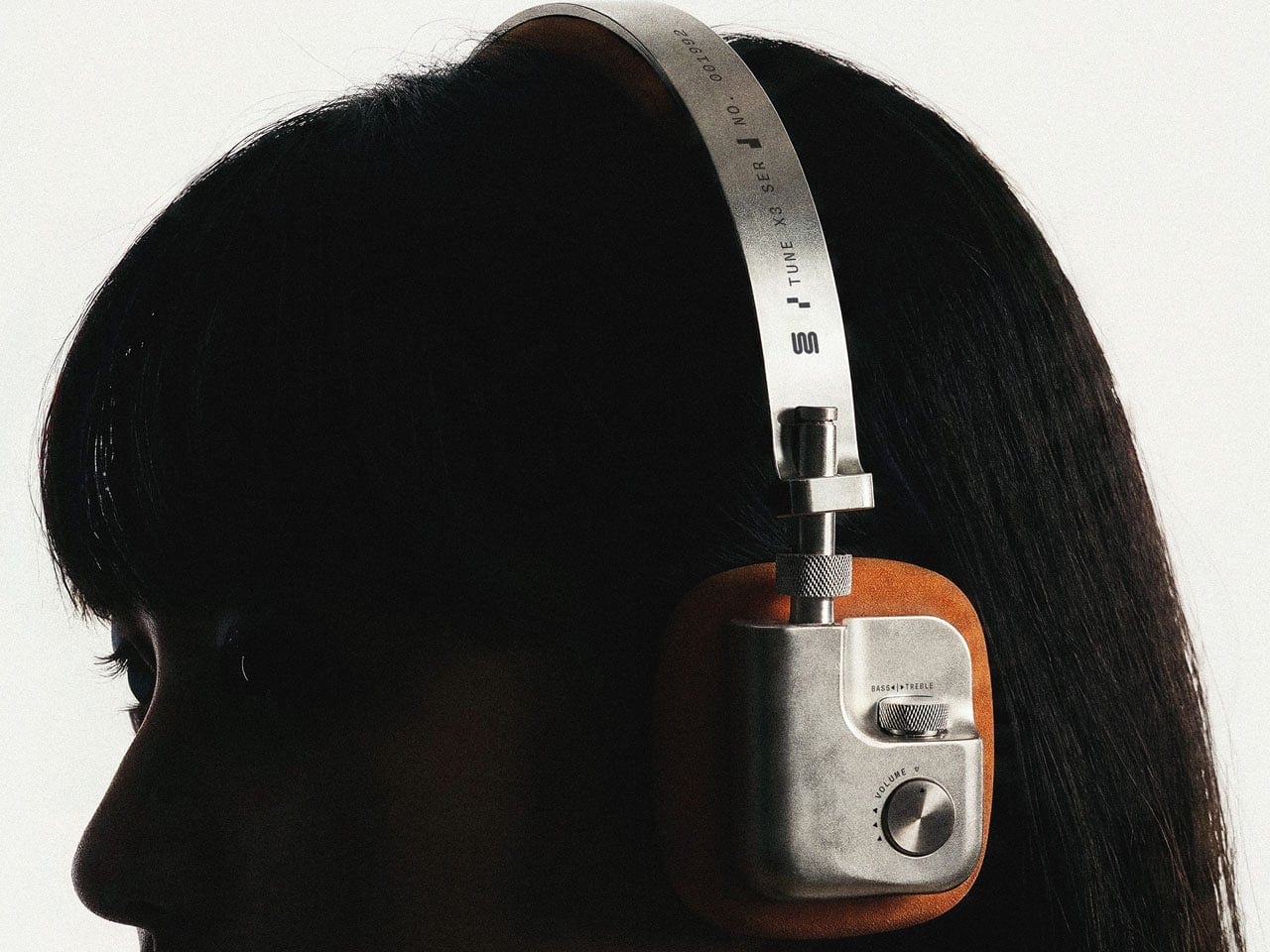
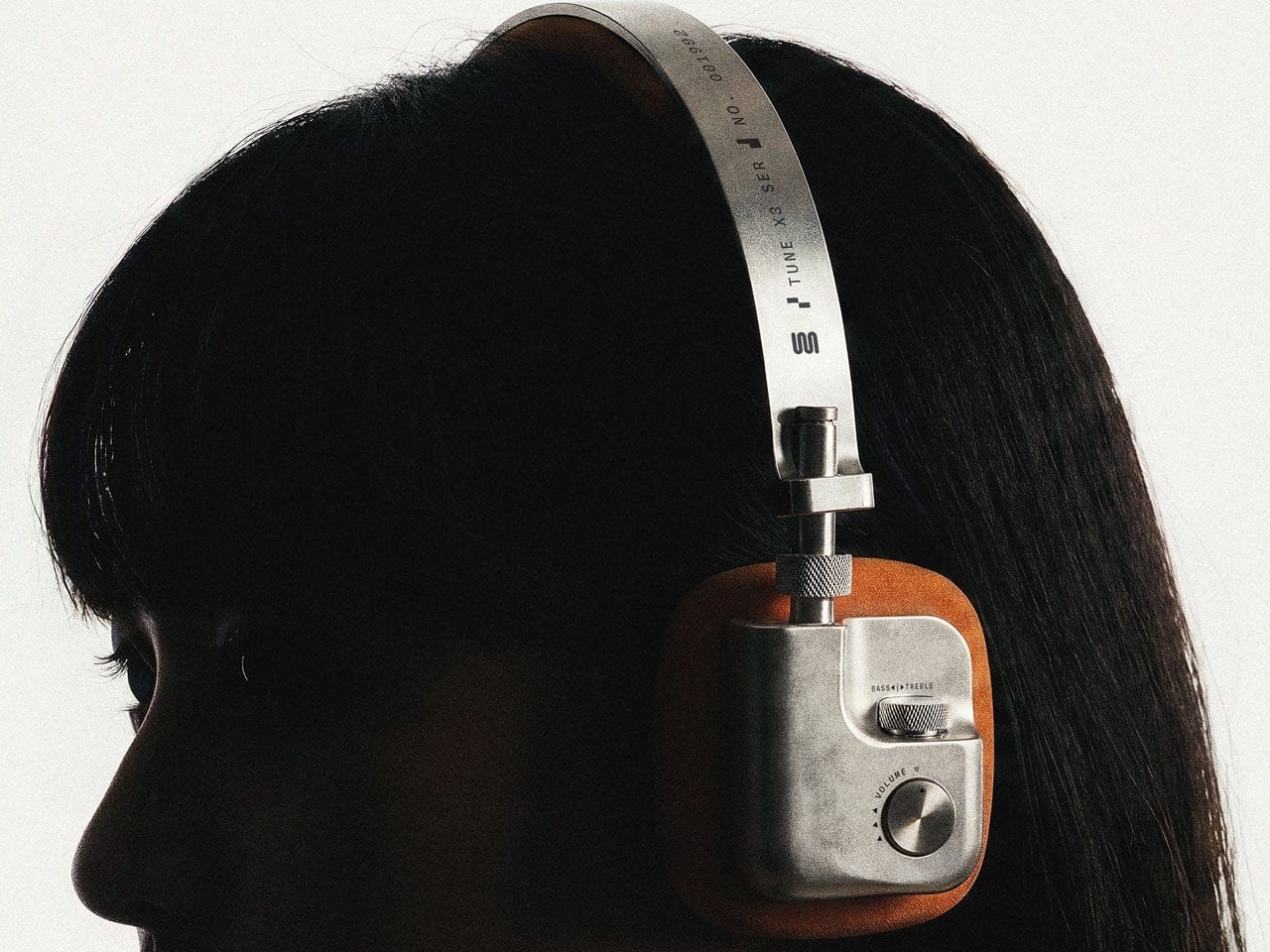
That tactile attitude carries into the headphones’ physical construction. TUNE X3 combines a brushed aluminum chassis with bright orange textile padding across the ear cushions and headband. The raw metal brings to mind mid-century studio hardware, where every knob, panel, and fastener seemed to have a job to do.
The orange fabric pushes the design in a more expressive direction. It isn’t trying to blend into a desk, backpack, or minimalist living room. Instead, the saturated color creates a strong contrast against the metallic body, giving the headphones a visual rhythm that feels lively without becoming decorative for decoration’s sake.
Exposed fasteners and the wide-profile headband reinforce that utilitarian character. The design looks more like precision equipment than a disposable accessory, as if it could sit comfortably beside a reel-to-reel deck, a mixing console, or a serious collection of vintage audio components.
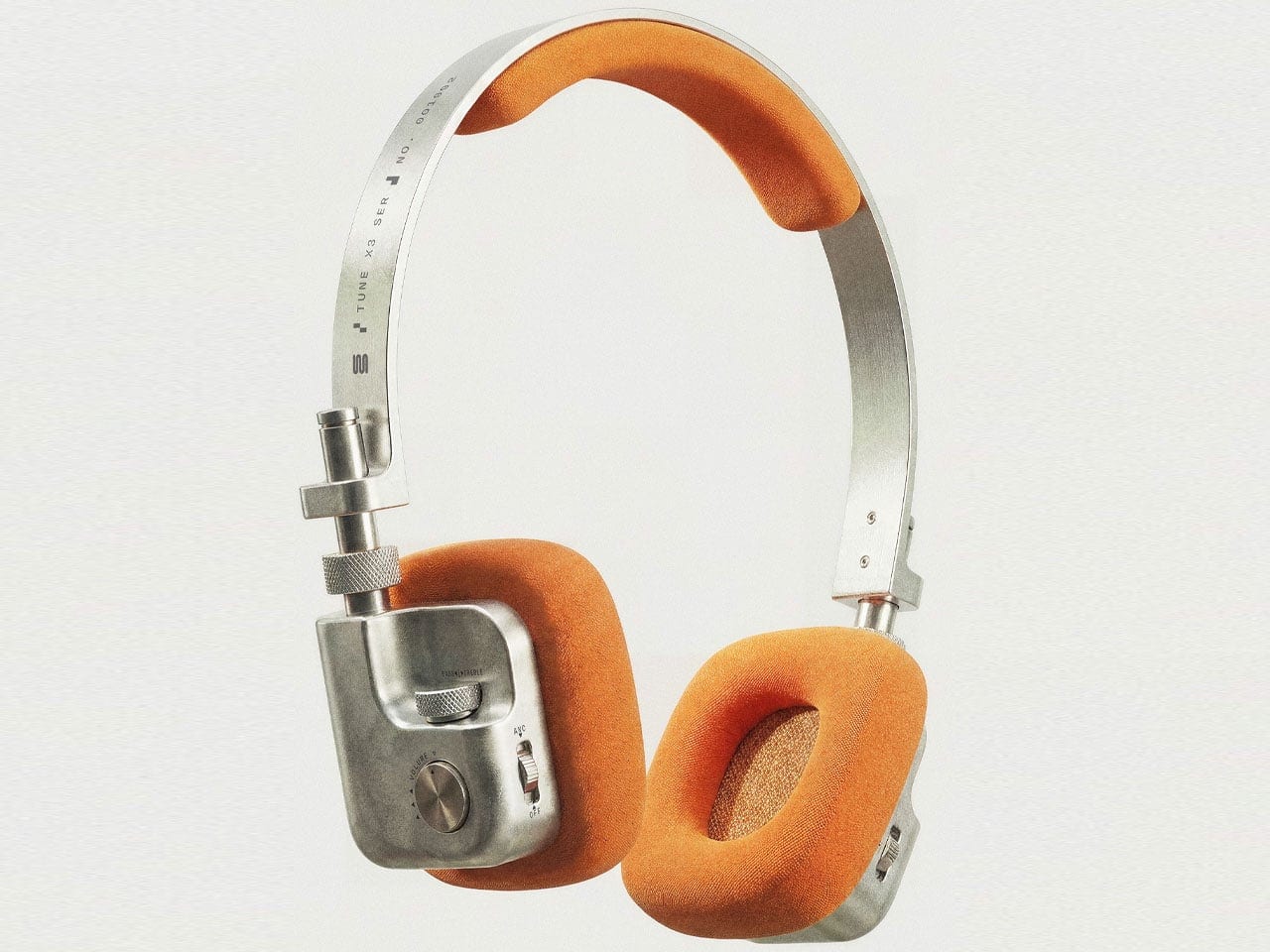
That makes TUNE X3 a clear detour from the current wave of minimalist consumer gadgets. Where many products aim to disappear into the background, these headphones want to be noticed. The contrast is almost like bringing a muscle car into an era dominated by electric vehicles: the technology may be imagined for a modern audience, but the attitude is proudly mechanical.
Designer: Pressec Design
The Dials Are the Whole Point
The physical controls aren’t a minor styling detail. They’re the heart of the concept.
TUNE X3 uses dedicated dials and tactile switches for volume, treble, and active noise cancellation, or ANC. Each adjustment receives its own control, giving users a clearer relationship with the functions they use most often. There’s no need to remember whether a double tap changes the mode, whether a swipe adjusts the volume, or whether the touch surface registered the gesture at all.
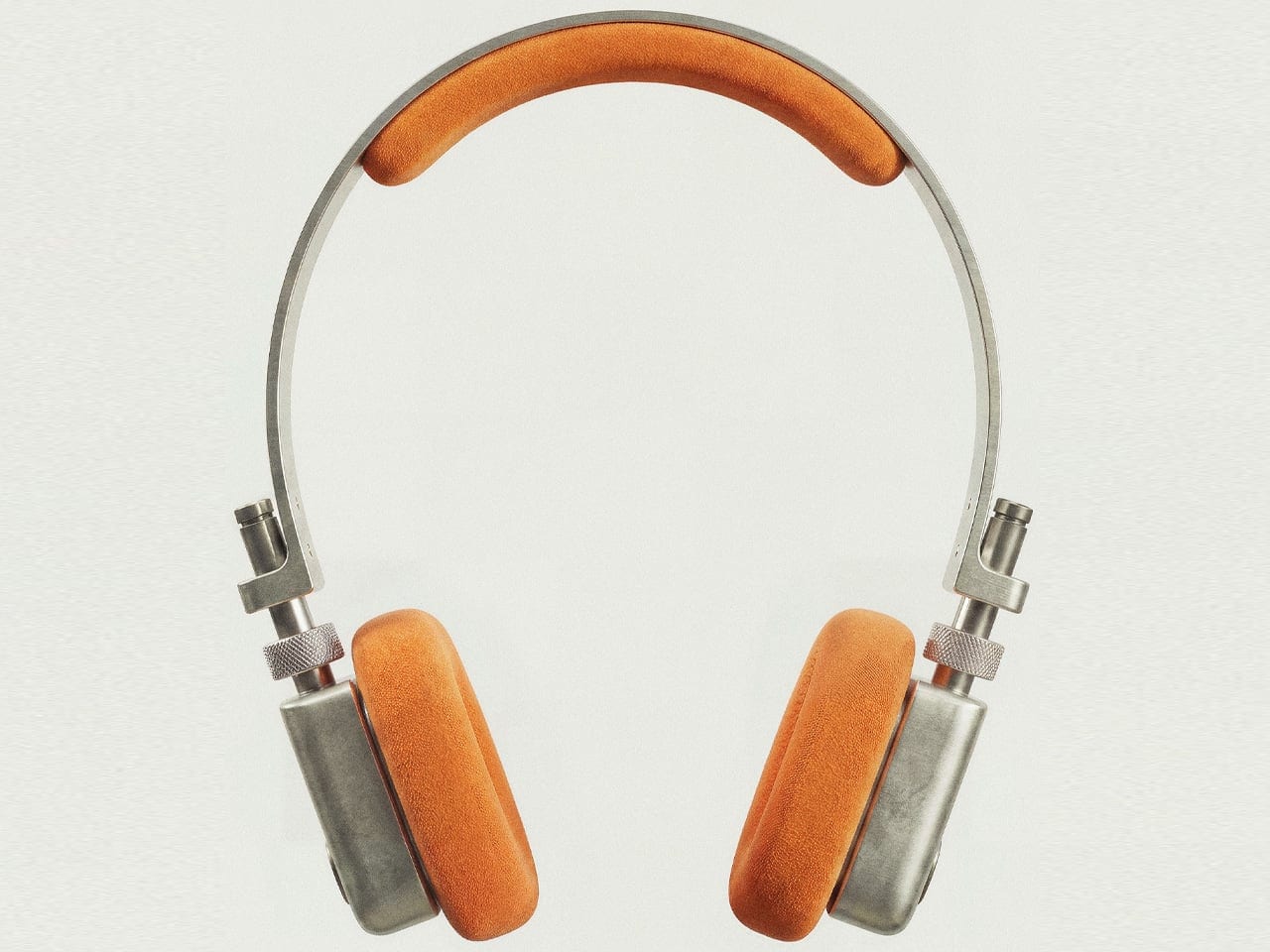
The knurled surfaces are especially important. Their textured edges provide a physical cue under the fingertips, allowing users to distinguish the controls by touch. That could make the headphones easier to operate while walking, commuting, or simply listening with eyes closed. There’s a small but meaningful difference between searching for a control and reaching for one you already understand.
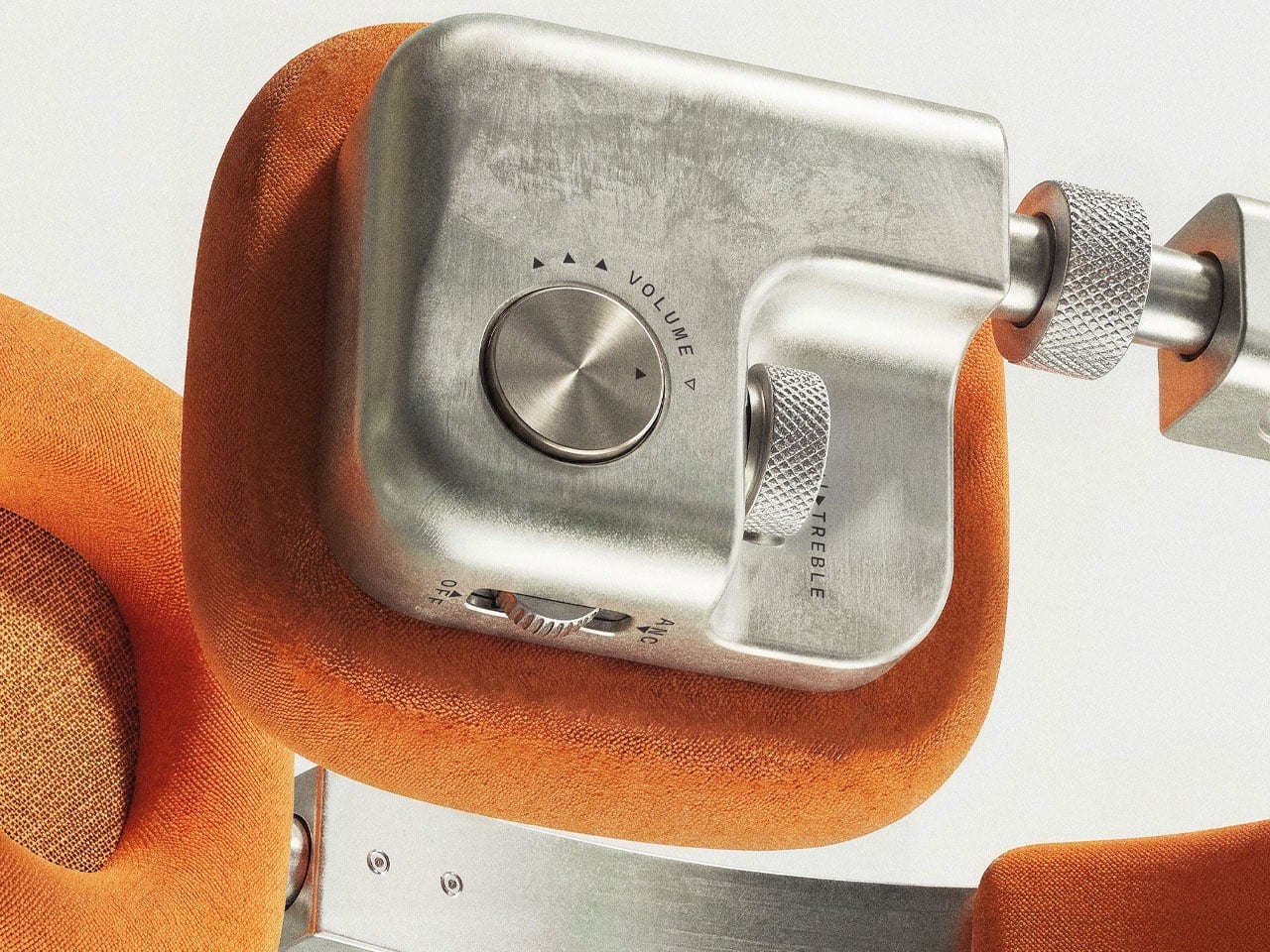
The concept suggests a listening experience built around immediate feedback. You reach for a dial, identify it through its shape and texture, and make the adjustment without opening an app or navigating an onscreen menu. It’s a straightforward interaction, but straightforward doesn’t have to mean boring. Sometimes, the most memorable interface is the one that feels obvious.
At the same time, TUNE X3 remains a design concept, so it doesn’t establish how these controls would perform in everyday use. The project doesn’t confirm their resistance, precision, durability, or behavior during movement. What it does establish is a clear design position: physical interaction should shape the headphone experience rather than being hidden behind a smooth surface.
Part of a Larger Fictional Family
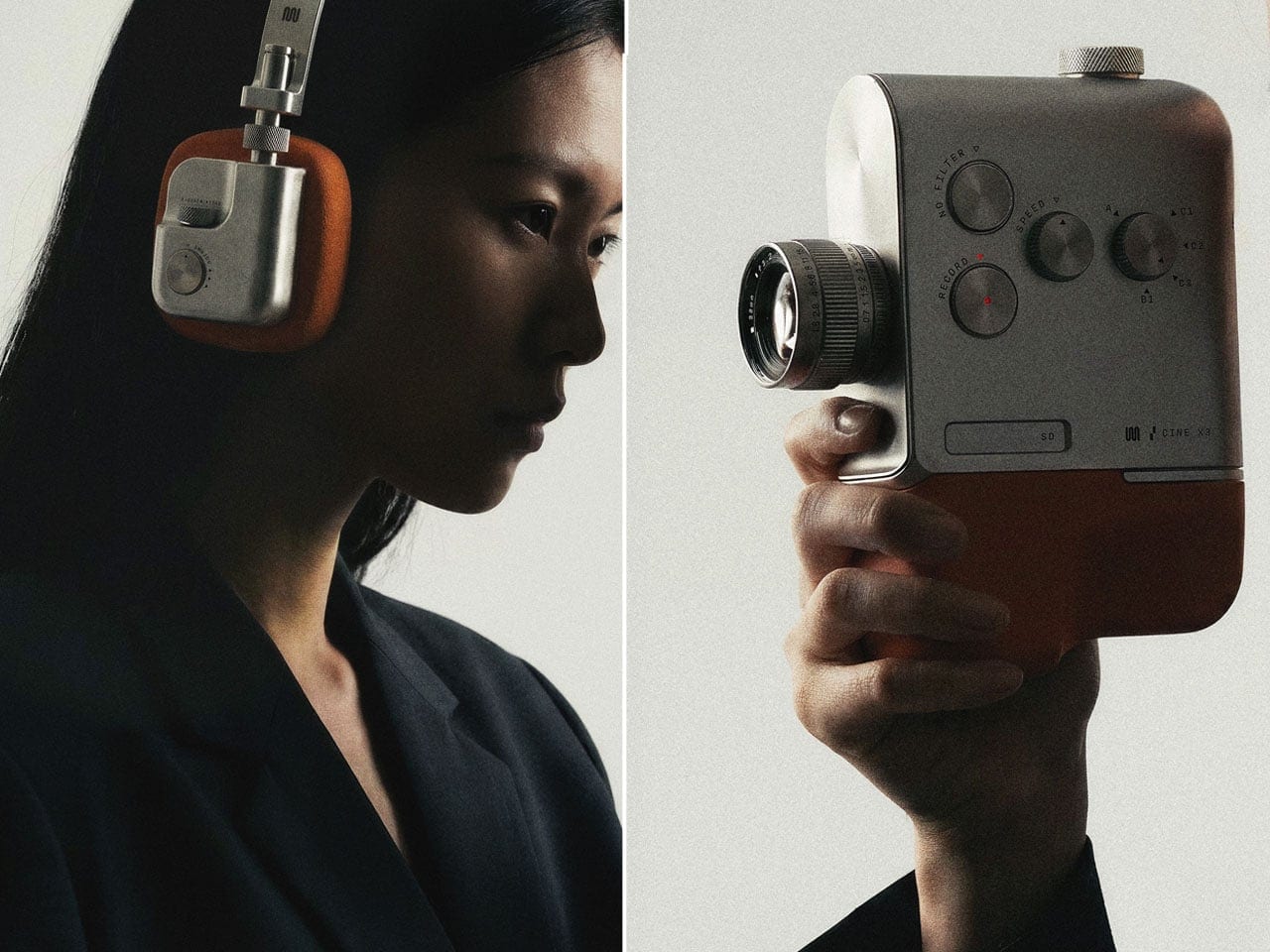
The story becomes more interesting when TUNE X3 is viewed alongside CINE X3, another concept from the same fictional product family. The two designs share a visual language, but they aren’t simply copies wearing different outlines.
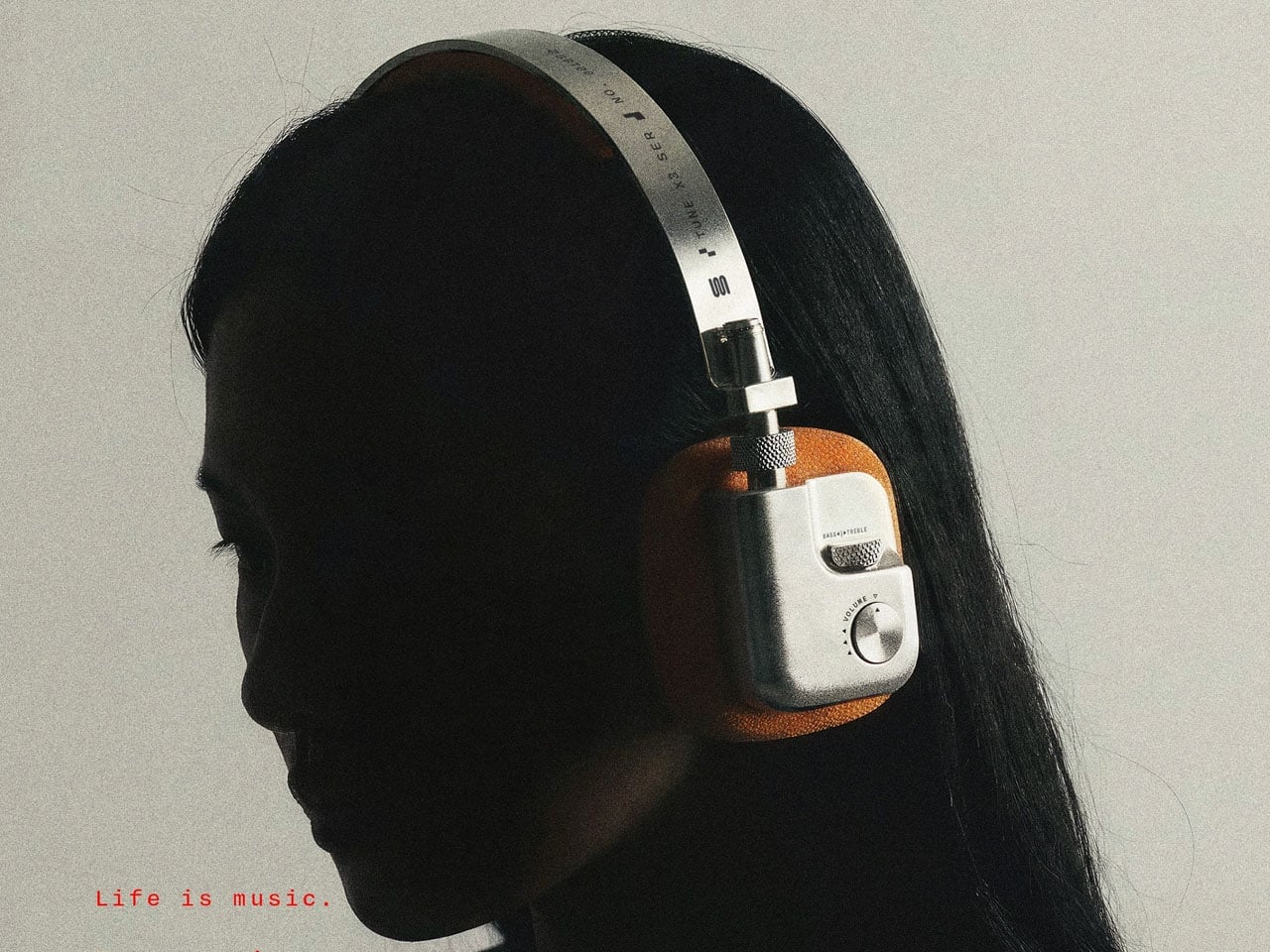
Materials, proportions, finishes, and hardware details create a sense of continuity across the collection. Those shared elements help the products feel related, while each concept keeps enough individuality to stand on its own. It’s the same trick used by a strong album cover series or a well-curated studio setup: different pieces, one recognizable attitude.
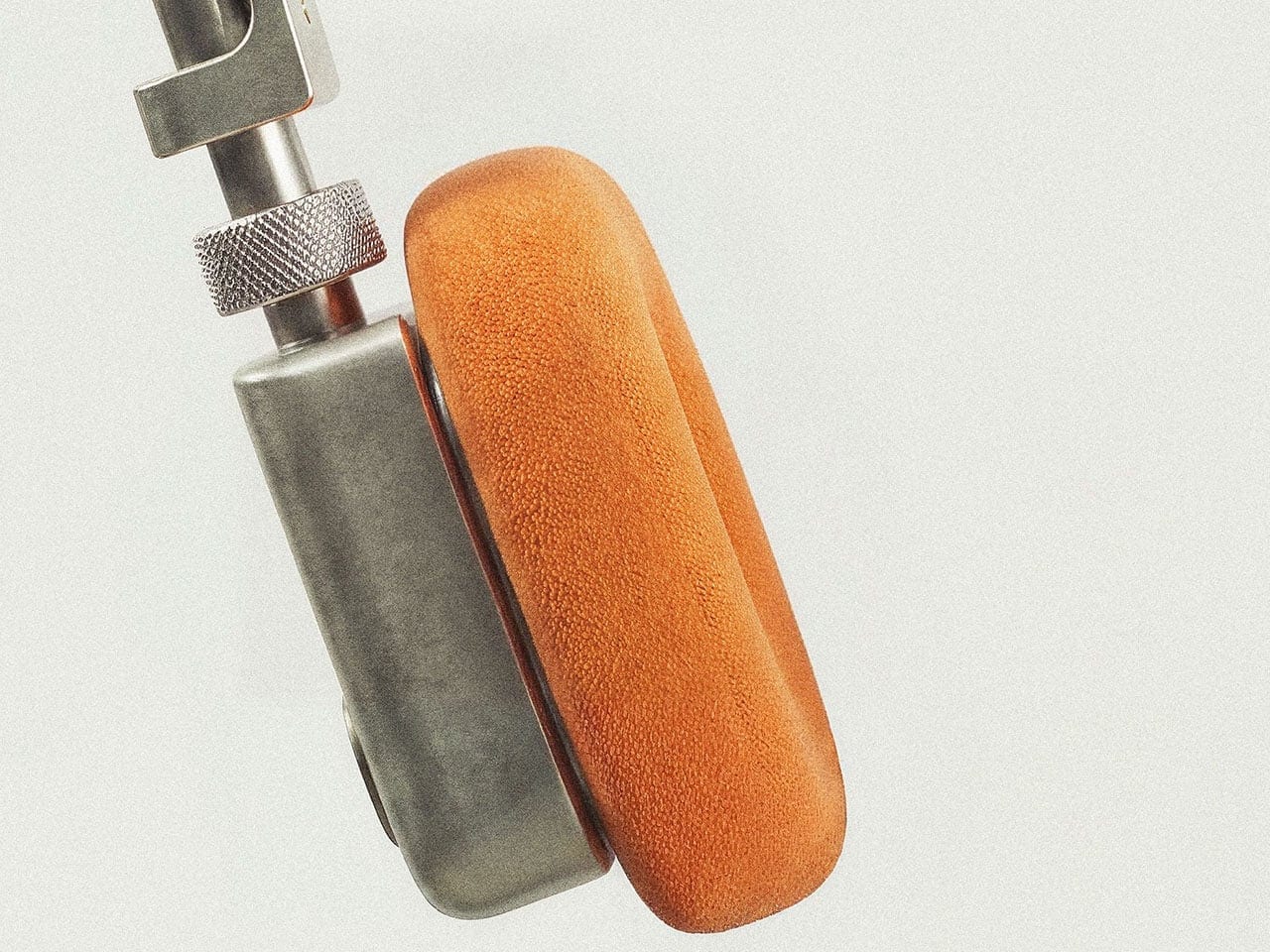
That balance matters. A product family can become repetitive when every item uses the same shape, finish, and visual gesture. TUNE X3 instead carries the family traits into a different category, allowing the headphone concept to feel connected without losing its own identity.
How Vizcom Supports the Design Process
The project also examines how Vizcom can help with product-family development. Previous designs can be used as visual references, giving designers a way to preserve a recognizable character while exploring new forms and functions.
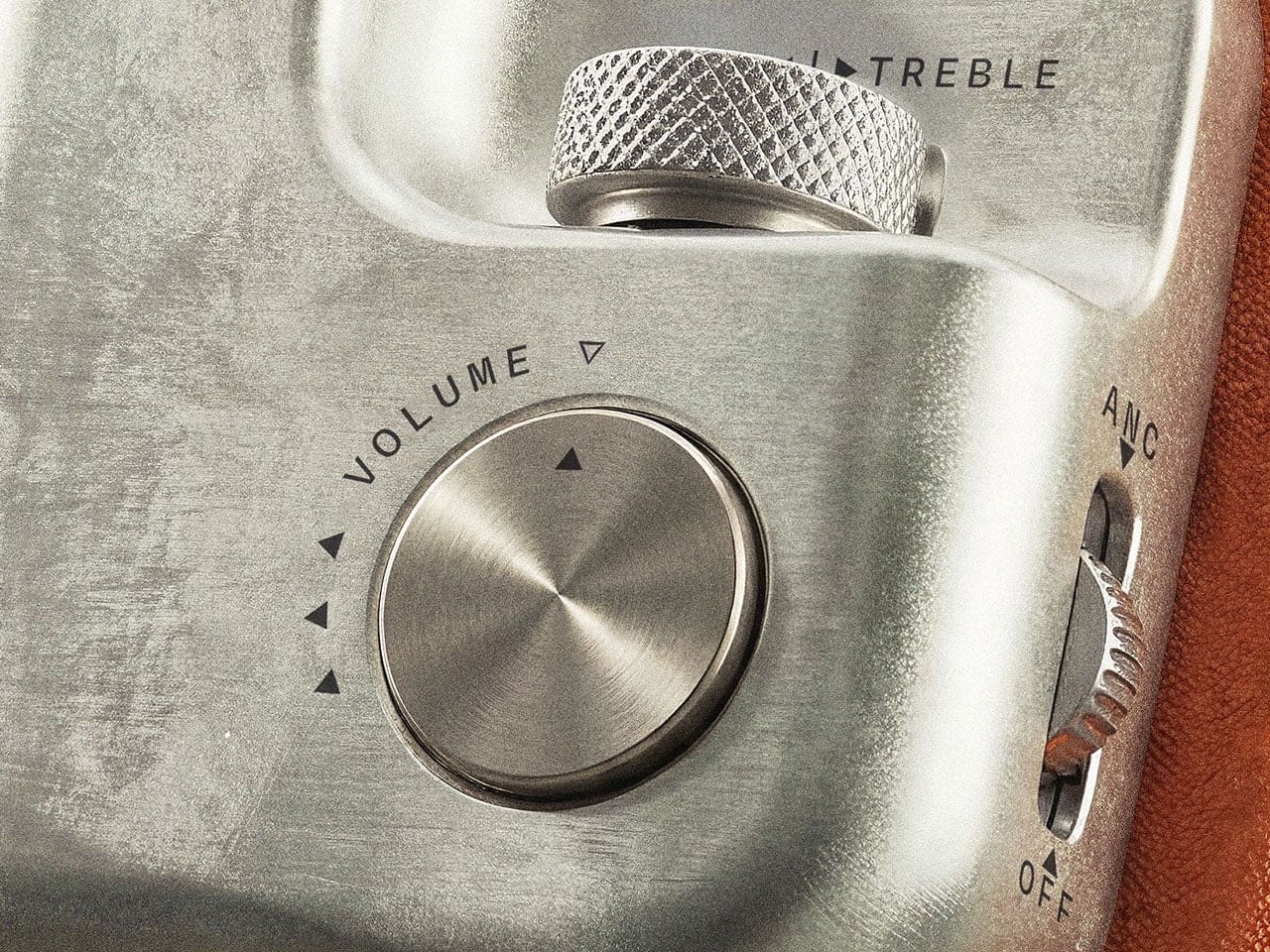
That approach is useful when a collection needs to feel unified but not uniform. A designer can carry forward details such as material contrast, hardware treatment, or overall proportions, then reinterpret them for another product. In TUNE X3, the result is a pair of headphones that feels like it belongs to a broader system rather than appearing as an isolated experiment.
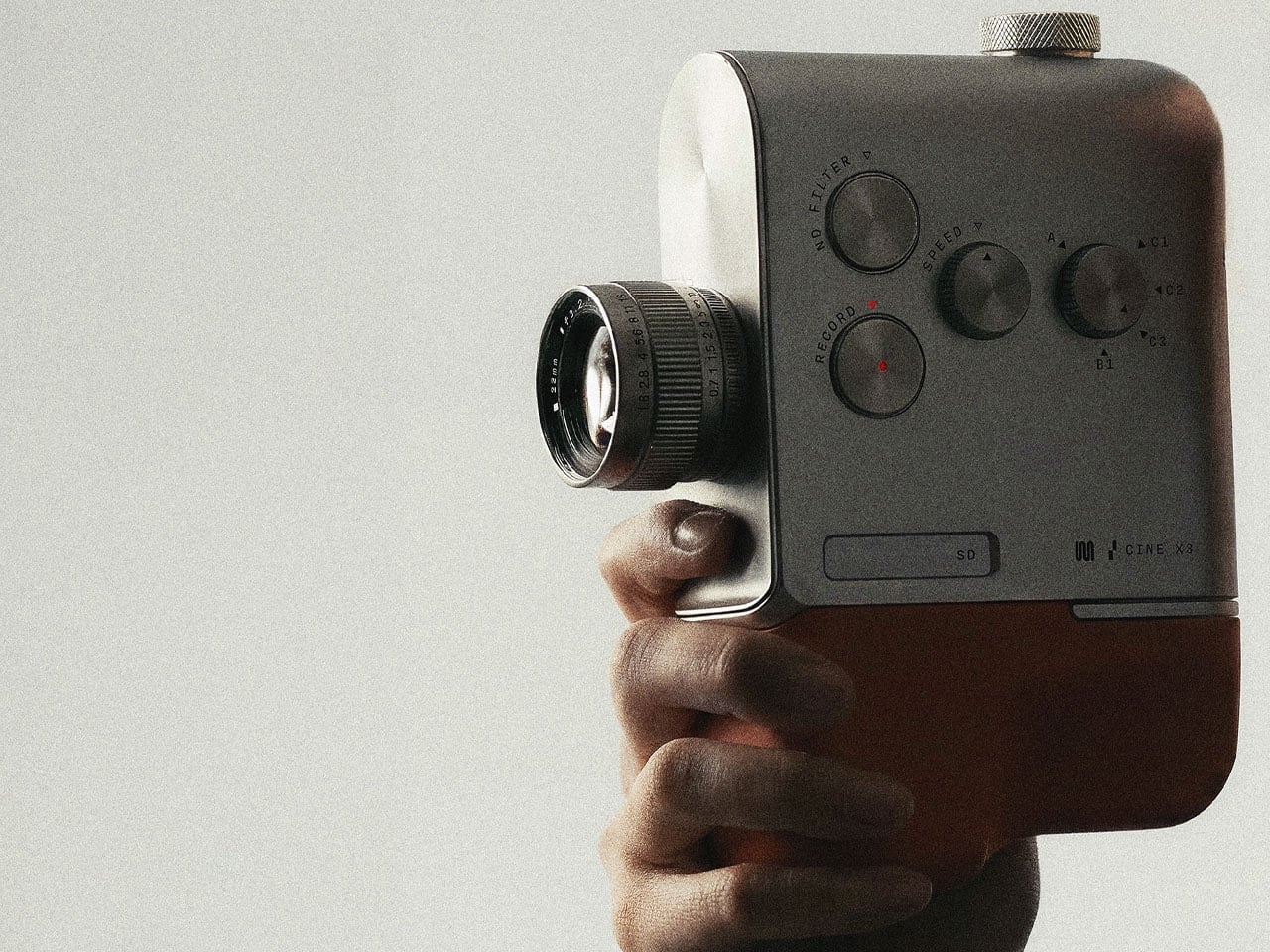
The visual development also highlights how references can guide consistency during concept work. The headphones retain the same confident mix of metal, fabric, exposed hardware, and strong color contrast, while their function naturally changes the proportions and arrangement of those elements.
A Concept, Not a Product Announcement
For now, TUNE X3 is strictly a conceptual design. There’s no confirmed release date, price, or technical specification attached to the project. That means questions about sound quality, battery life, connectivity, comfort, control durability, and ANC performance remain unanswered.
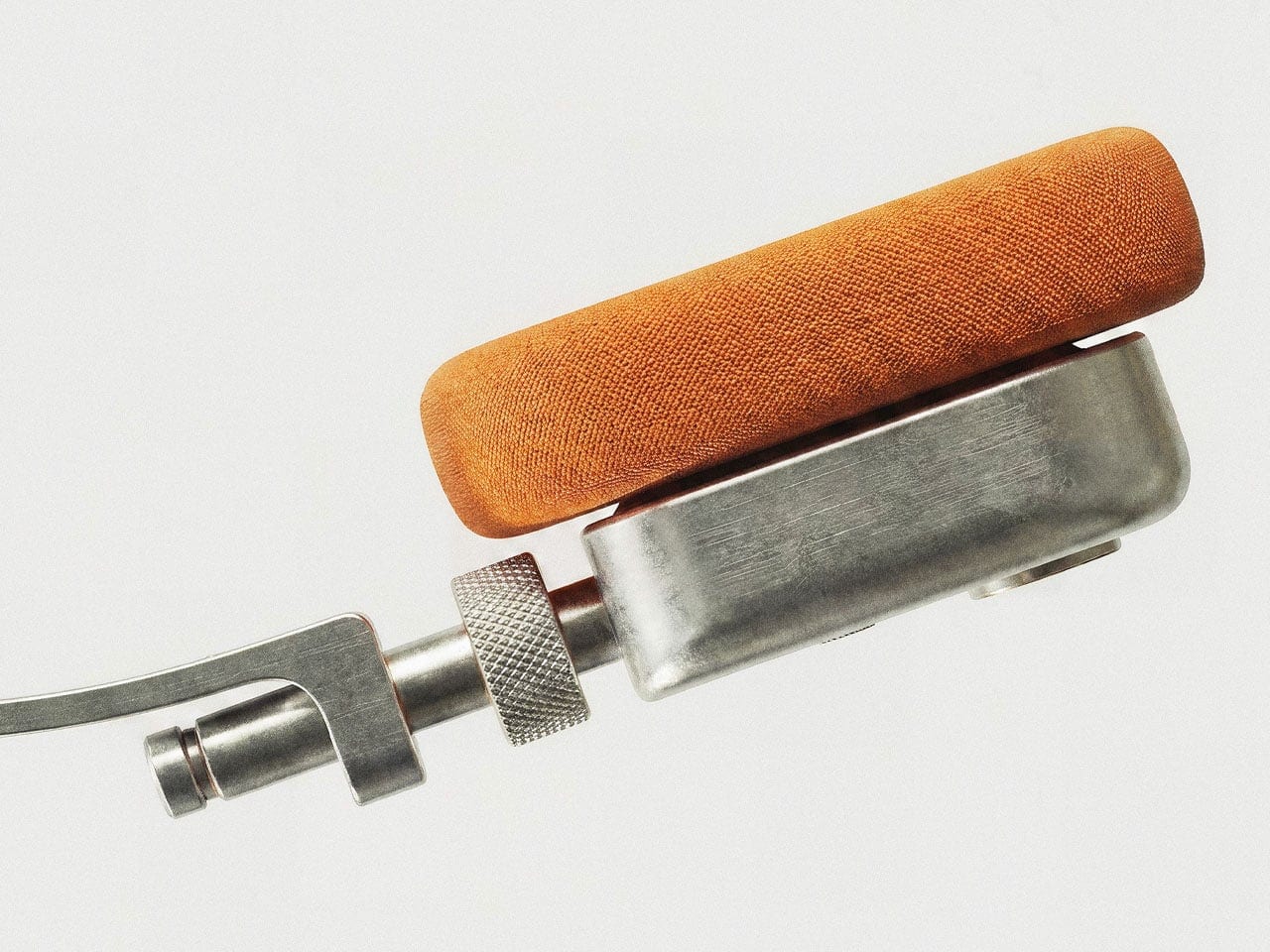
Still, the central idea is easy to understand. Physical controls can make headphone interaction feel more immediate and intentional. They can also give a product a personality shaped by the way people hold it, adjust it, and return to it throughout the day.
That personality is perhaps TUNE X3’s strongest feature. The design doesn’t treat the headphones as a blank surface for invisible technology. Instead, it celebrates the controls, the materials, and the little moments of contact between listener and device.
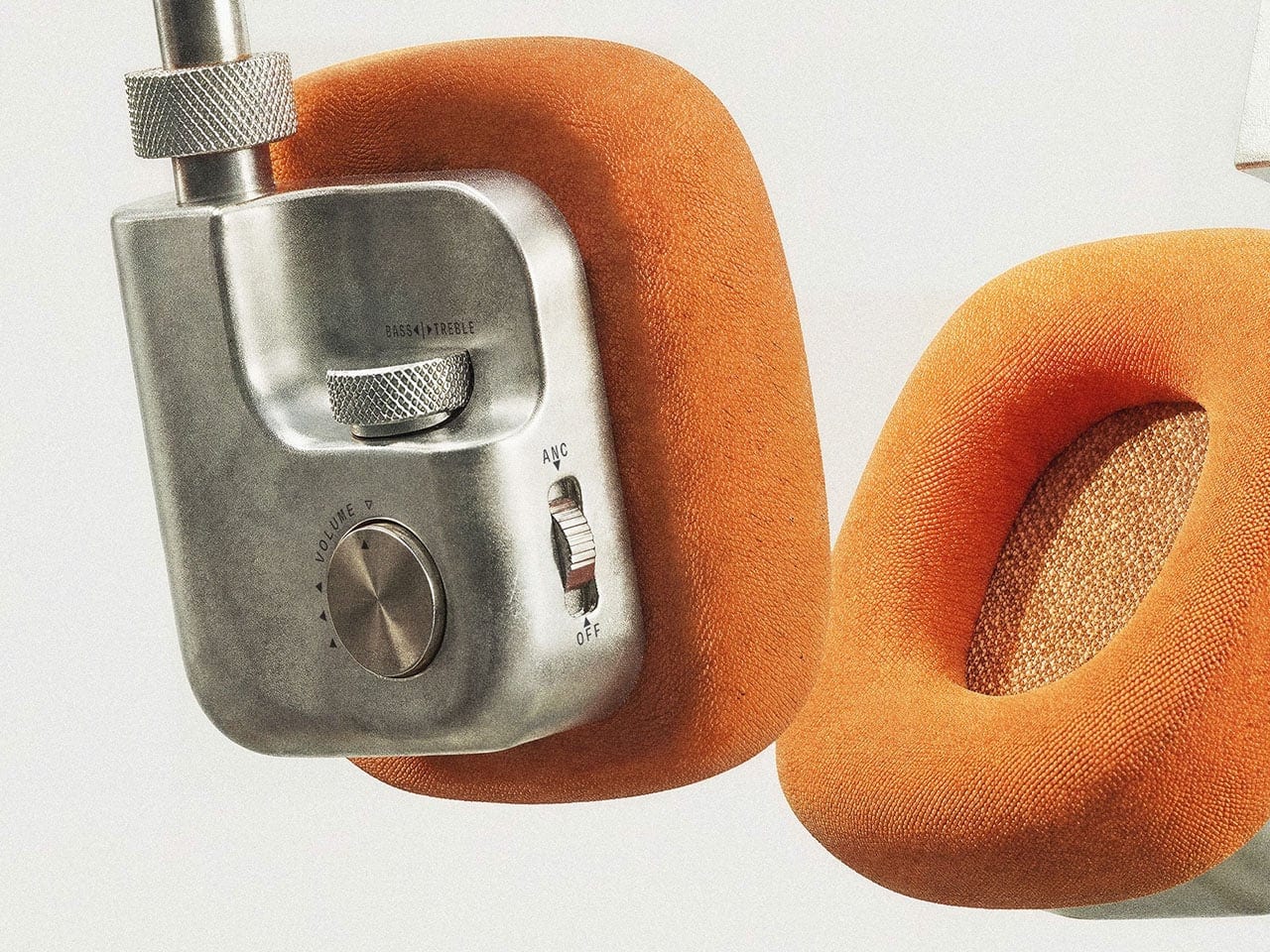
There’s also a welcome confidence in the way the concept resists total minimalism. TUNE X3 doesn’t pretend that every visible detail is clutter. The switches, fasteners, dials, padding, and metal body work together to communicate how the headphones are meant to be used.
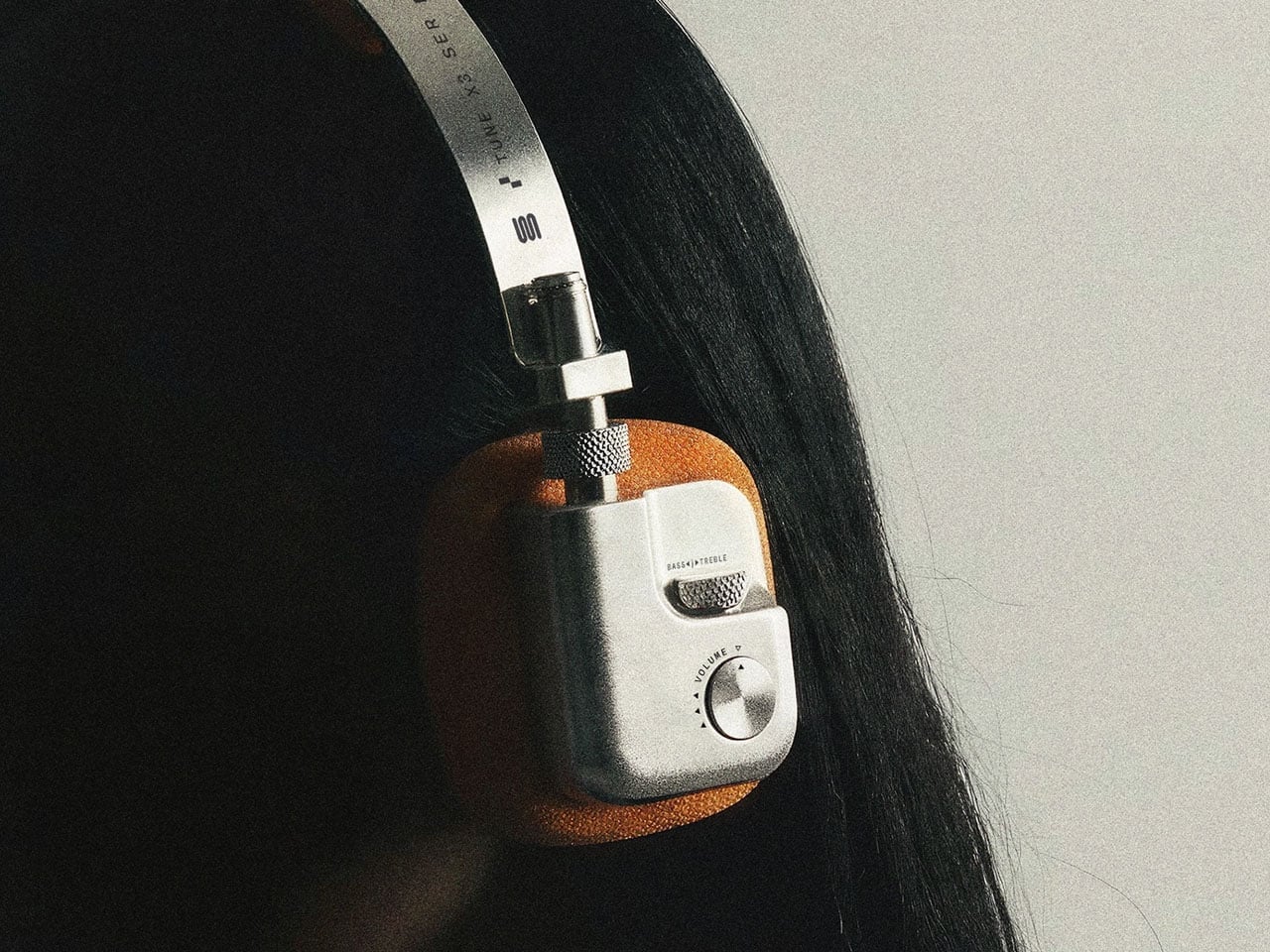
In a world where many devices reduce interaction to a glass panel, that’s a refreshing change of pace. You might not need three separate physical controls to adjust a listening session, but you may enjoy having them there. Sometimes the ritual is part of the experience.
Why Tactile Audio Controls Still Feel Appealing
The appeal of TUNE X3 headphones isn’t only nostalgia. It’s about clarity. A dedicated control communicates its purpose through placement, shape, and movement. A dial turns. A switch moves. A user receives a response that doesn’t depend entirely on a display or a sound cue.
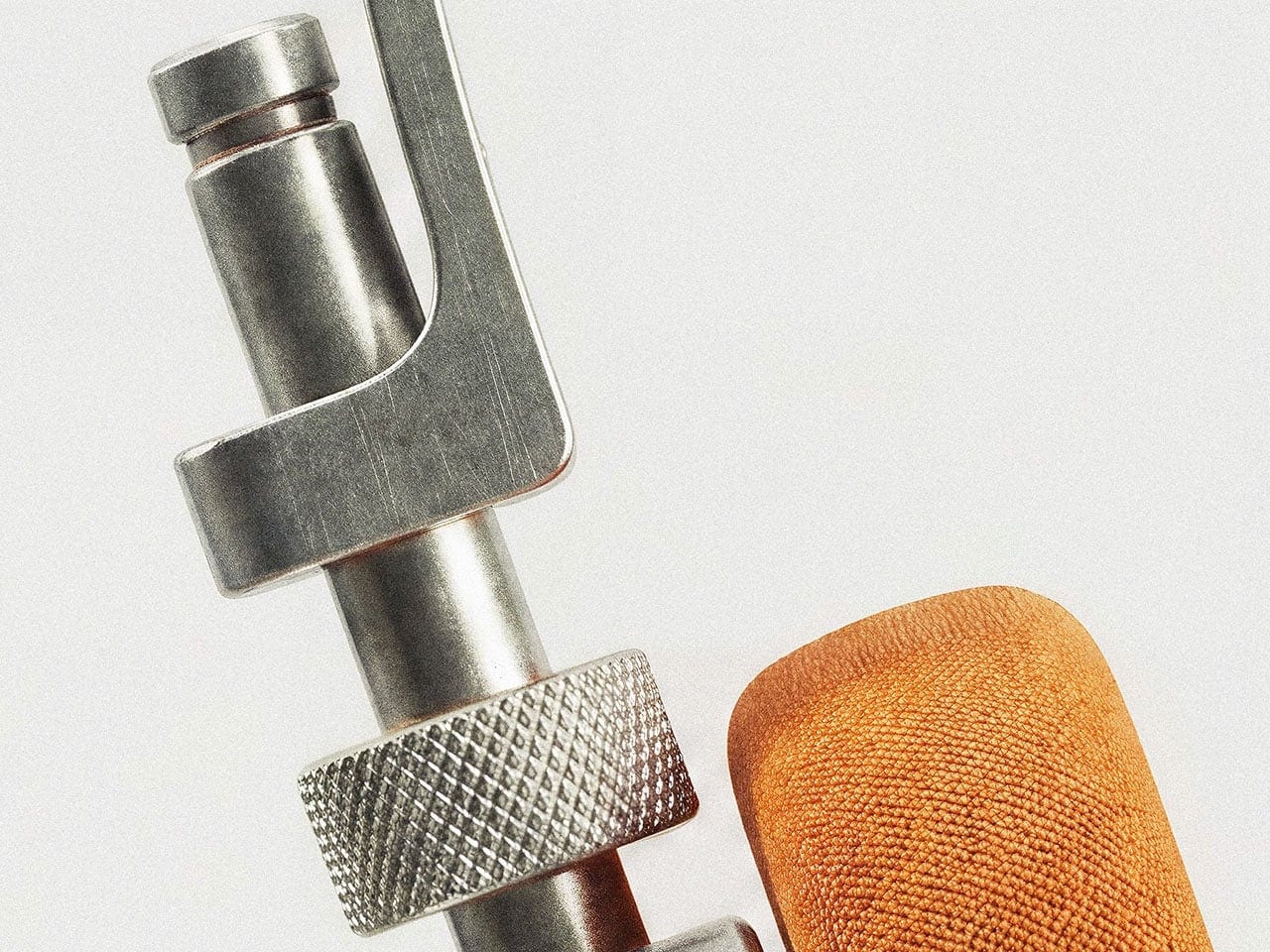
That kind of feedback can make technology feel less distant. Instead of interacting with an invisible system, you’re operating a physical object. The distinction may seem small, yet it can change the emotional character of a product. TUNE X3 feels less like a smooth electronic shell and more like a piece of equipment with an opinion.
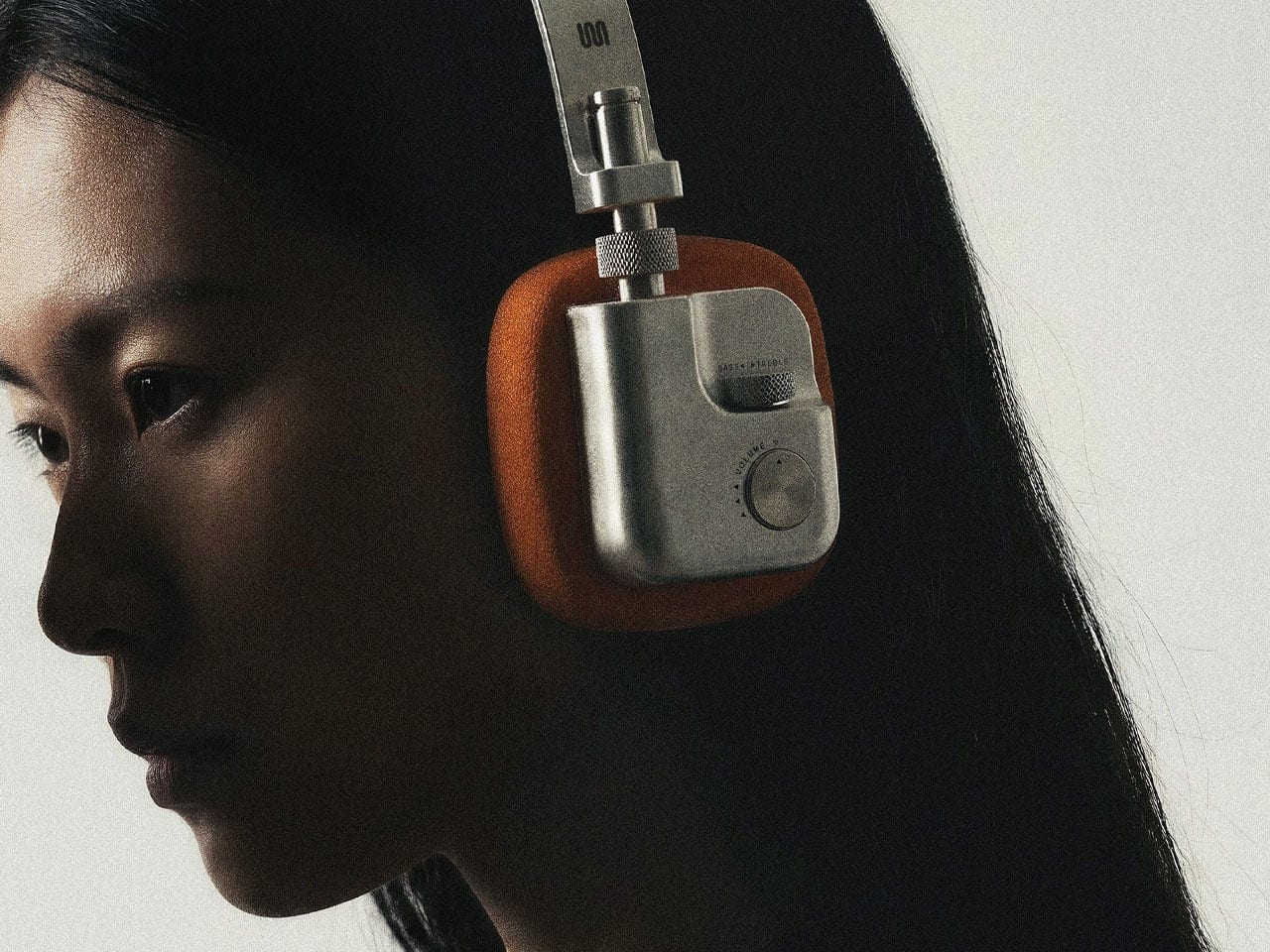
Whether that approach would translate into a successful real-world product is still unknown. But as a concept, TUNE X3 makes a persuasive case for bringing back the humble dial. It gives audio controls a physical presence, adds character to the hardware, and turns a routine adjustment into a small hands-on ritual.
TUNE X3 headphones imagine a future where modern audio technology doesn’t have to abandon the satisfying language of knobs, switches, metal, and fabric. Would you rather adjust your sound with a swipe—or reach for a dial you can feel?
FAQ
- What are TUNE X3 headphones?
TUNE X3 is a conceptual headphone design by Pressec Design. It explores a retro-modern product with physical dials and tactile switches for common audio adjustments. - Which controls are included in the TUNE X3 concept?
The design includes dedicated physical controls for volume, treble, and active noise cancellation. - What materials and colors define the headphones?
TUNE X3 combines a brushed aluminum chassis with high-contrast orange textile padding on the ear cushions and headband. Exposed fasteners and a broad headband add to its utilitarian appearance. - Are TUNE X3 headphones available to buy?
No. TUNE X3 remains a conceptual design, with no confirmed release date, price, or technical specifications. - Is TUNE X3 connected to another design concept?
Yes. It belongs to the same fictional product family as CINE X3, sharing materials, proportions, finishes, and hardware details while maintaining its own identity.
Bring the tactile spirit of classic listening spaces into your home with a favorite album cover poster from Architeg Prints. It’s a warm way to keep the music—and the memories attached to it—within reach.
 | DISCOUNTGET 30% OFF*Use code on your next order:
|
* This post may contain affiliate links, meaning we earn a commission if you make a purchase through these links, at no additional cost to you.