
UK Music Industry Hits £8.4 Billion as Growth Slows Across the Sector


UK Music Industry Hits £8.4 Billion as Growth Slows Across the Sector
The UK music industry generated a record £8.4 billion, but slower growth, touring barriers, venue closures, and AI concerns reveal a deeply uneven success story.
A Record-Breaking Year With a Complicated Chorus
The UK music industry has delivered its biggest economic contribution yet—but behind the glittering headline sits a more uneasy story. The sector generated £8.4 billion for the UK economy in the latest reporting year, while leaders warned that growth is slowing and the rewards aren’t reaching artists, venues, and workers evenly.
The figures come from UK Music’s annual report, This Is Music 2026. It paints a picture of a globally influential industry still capable of producing enormous cultural and financial value, even as rising costs and structural problems threaten the foundations beneath it.
That contrast feels familiar to anyone who has watched a packed arena show and then wondered how many smaller artists had to cancel their own tours to survive. The spotlight is bright—but it doesn’t reach every corner of the stage.
Big Tours and Breakthrough Artists Drive the Rise
The £8.4 billion total represents a 5.7 percent increase from the £8 billion generated in 2024. Major tours played a major role, with Oasis, Coldplay, Dua Lipa, Sam Fender, and Robbie Williams all contributing to the year’s powerful live-music activity.
At the same time, a new generation of artists helped keep the UK’s creative pipeline moving. Olivia Dean, Myles Smith, and Lola Young enjoyed breakthrough success, while number-one albums from Sleep Token, Yungblud, Wet Leg, and Biffy Clyro provided another boost.

Oasis’ Live ’25 reunion tour became one of the clearest symbols of the year’s commercial reach. The tour connected a legacy act with a huge modern audience, while also helping increase the international visibility of UK music more broadly.
Still, the rate of growth has cooled. Between 2022 and 2023, the industry’s economic contribution rose by 13 percent. Compared with that leap, the latest 5.7 percent increase feels less like a sprint and more like a careful jog uphill.
Exports Reach New Heights, While Jobs Barely Move
The UK’s music exports also reached a new high, bringing in £5 billion in 2025. That was a 3.6 percent increase from £4.8 billion in 2023, showing that British music continues to carry substantial weight overseas.
Recorded music exports rose to £800 million, up slightly from £794 million in 2024. The UK remains the world’s second-biggest recorded music exporter after the United States, a position built on decades of artists, labels, publishers, producers, and independent businesses reaching listeners around the globe.
Employment, however, tells a quieter story. The number of people working in the UK music industry rose only marginally, from 219,770 in 2024 to 220,500 in 2025. That increase is positive, but it’s hardly explosive when placed beside the billions being generated.
International wins included Central Cee achieving the first UK rap album to enter the US top 10. Sleep Token topped the American album chart with Even in Arcadia, while RAYE, PinkPantheress, and Sienna Spiro also made major gains across the Atlantic.
These successes matter. They prove that UK artists can still break through in fiercely competitive markets. But export figures alone don’t explain whether the average artist can afford the visas, transport, accommodation, crew, and time away from home required to make that international journey.
The Grassroots Reality Looks Much Harsher
Here’s where the celebratory soundtrack starts to crackle.
Last year, research found that 84 percent of independent UK artists could not afford to tour. More than half of UK venues made no profit, while over 6,000 jobs were lost. Another study found that 1.5 million young people across the country had abandoned ambitions of building a career in music.
That last figure lands heavily. Music careers often begin in small rooms: a local venue, a school rehearsal space, a community studio, or a friend’s spare bedroom. When those entry points disappear, the industry doesn’t just lose today’s performers. It risks losing tomorrow’s songwriters, engineers, promoters, managers, and producers too.
The cost-of-living crisis has made every part of the process harder. Touring expenses have climbed, and smaller acts have less room to absorb a bad week on the road. Meanwhile, venue closures have contributed to what has been described as a “complete collapse of touring” in parts of the UK, leaving roughly 35 million people without live music in their local area or community.

The result is a painful split-screen: stadium-level performances are flourishing, while emerging and mid-tier artists struggle to find affordable stages. A music economy cannot remain healthy if its biggest acts are thriving while the venues that develop new talent are quietly disappearing.
Brexit Continues to Complicate Touring
The UK’s departure from the European Union remains one of the central problems facing touring musicians and crews. The end of visa-free travel created additional costs and administration for artists attempting to work across Europe, and the effects have continued to build.
A 2024 Musicians’ Union report found that 75 percent of artists had experienced a decline in European Union bookings since Brexit. Of those affected, 79 percent said they had been unable to replace that lost work elsewhere. Most respondents described European touring as no longer financially viable.
A more recent UK Music study found that the impact was worsening, with the sector’s growth rate falling by more than half compared with 2023—even as the industry’s upper levels continued to report record-breaking income.
The problem isn’t limited to unknown performers. Jamie T has been cited as an example of an established artist unable to afford European shows under current conditions. When touring becomes too expensive for artists with an existing audience, the consequences for newer performers are even more severe.
The challenge also extends beyond Europe. The enormous cost of US visas has made another major market harder to access, especially for artists who don’t yet have dependable income or significant financial backing.
Leaders Call for Action on AI, Streaming, and Touring
Tom Kiehl, chief executive of UK Music, described the sector as one of the country’s greatest economic and cultural success stories. But he argued that the report’s positive headline must lead to serious questions about how that success can continue.
“The challenge now is ensuring the right environment exists for those strengths to flourish. If we get that right, the opportunities ahead are enormous.”
— Tom Kiehl
Kiehl called on the government to use the upcoming UK-European Union summit on November 20 to reduce barriers to exports. He also urged policymakers not to give artificial intelligence “a free pass,” while supporting sustainable funding for the BBC and creating economic growth for music in every part of the country.
His wider point was that government action alone won’t solve the problem. The music industry, he said, is ready to help build the solution—but talent and ambition need a supportive environment in which to grow.
Artificial intelligence has become another major concern, particularly around artists’ rights. Questions remain about how music is used to train systems, how creators are compensated, and whether audiences can tell when a performance or composition has been generated or altered by software.
Streaming inequality adds another layer. While streaming has made music easier to access worldwide, earnings remain heavily concentrated at the top. Artists further down the income ladder are seeing their returns flatten, even as they face higher costs everywhere else.
Why Success Isn’t Reaching Everyone
David Martin, chief executive of the Featured Artists Coalition, called the figures extraordinarily positive and a testament to the UK’s remarkable talent. But he also stressed that growth was slowing and success was not being shared evenly.
For all the stadium-sized successes, Martin argued, emerging and mid-tier artists face increasingly difficult conditions. He pointed to European touring barriers, streaming inequalities, and the growing threat posed by AI.
The UK Artist Touring Fund is one practical response, helping artists manage rising domestic touring costs and reach audiences. Martin highlighted the case of Belle Chen as an example of why targeted support can make a meaningful difference.
Annabella Coldrick, chief executive of the Music Managers Forum, also welcomed the figures while noting the pressure created by Brexit and expensive US visas. Beneath the headline numbers, she identified two worrying trends: earnings for UK artists lower down the streaming pyramid are flatlining, and newer artists are finding it harder to gain traction in their home market.
That combination could weaken the entire ecosystem over time. If artists can’t earn enough to develop, and if audiences can’t discover them through local venues or domestic platforms, the next wave of success becomes much harder to build.
A Grassroots Levy Could Strengthen the Foundations
Mark Davyd, chief executive of Music Venue Trust, welcomed the report’s evidence that successful British artists, companies, and organizations continue to perform strongly. Yet he emphasized that the grassroots experience remains completely different.
Venues continue to close. Employment continues to fall. The grassroots sector needs to be brought into the wider industry’s success through a comprehensive reinvestment plan.
One proposed answer is the long-discussed Grassroots Levy, a mechanism intended to direct support toward smaller venues and developing artists. Davyd argued that adoption has fallen far behind both the sector’s needs and the government’s ambitions.
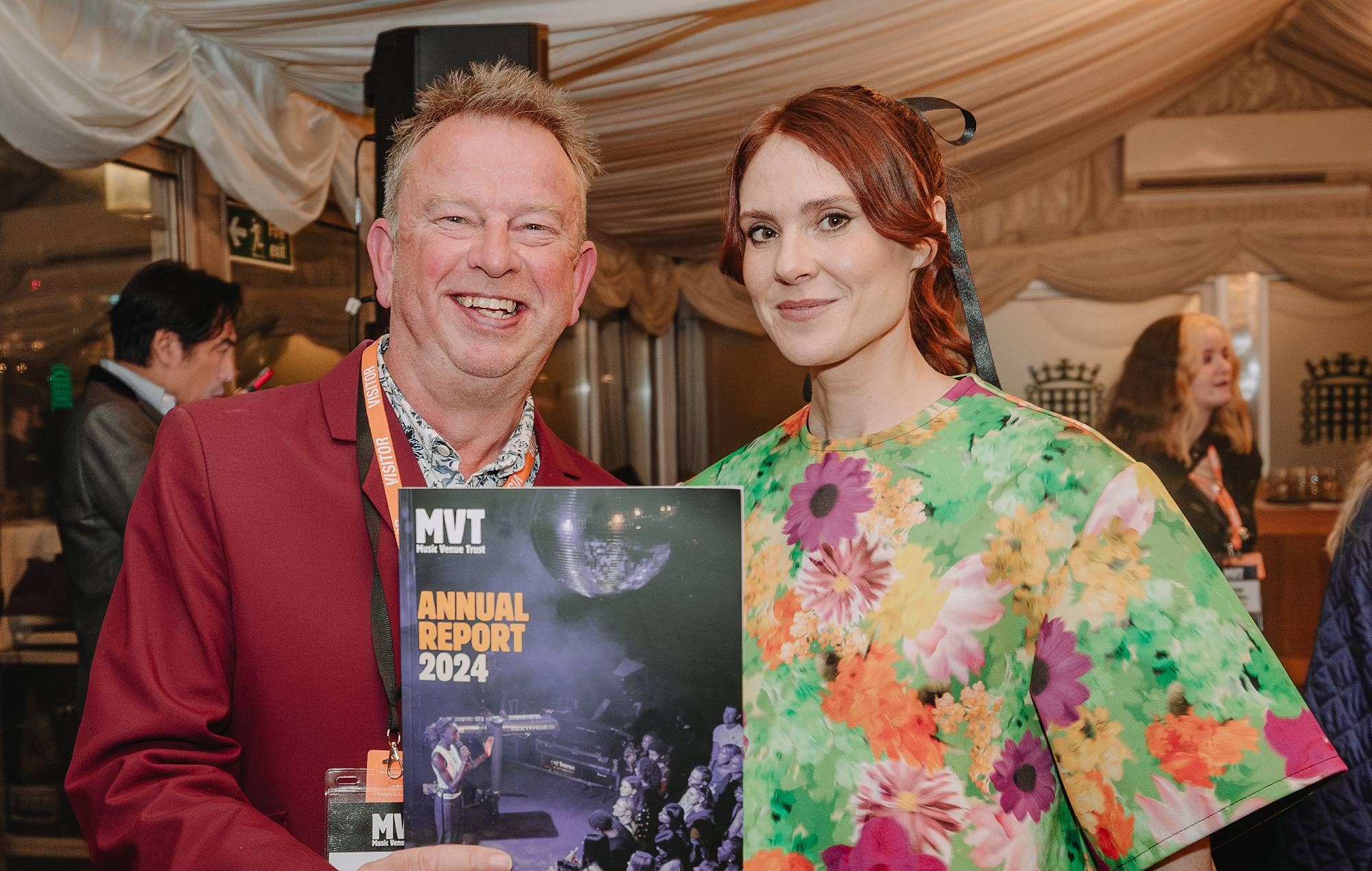
His message is simple, and honestly, difficult to dispute: successful industries need solid foundations. The biggest tours may generate headlines and billions, but the smallest rooms are where many of those future headliners first learn how to command a crowd.
Government Promises Investment and Long-Term Support
Creative Industries Minister Ian Murray has spoken about the shared European interest in resolving the touring crisis and achieving real progress with European nations. He also said the government wants music to thrive across every part of the UK.
That vision includes major music businesses, grassroots venues, schools, and local communities where young people first discover their abilities. Music contributes not only to the economy, but also to culture and national life.
The government’s Turn It Up: Our Plan for Music sets out its commitment to the sector’s long-term future. Its £45 million Music Growth Package is intended to support grassroots infrastructure, the talent pipeline, and independent businesses.
Murray has said the government will continue working with the industry to tackle challenges, pursue new opportunities, create jobs, and help UK music reach fresh audiences around the world.
The money and policy plans are significant, but delivery will be the real test. Artists don’t just need promising announcements; they need affordable routes to tour, venues that can stay open, fairer streaming income, protection from unauthorized AI use, and a realistic path from first gig to sustainable career.
The UK music industry has the talent, history, and global reach to remain a powerhouse. But a record £8.4 billion contribution should be viewed as a foundation for action—not proof that every part of the sector is healthy. Can the UK turn its impressive headline figures into a future where success reaches the rehearsal room, the small venue, and the artist still waiting for a break?
FAQ
- How much did the UK music industry contribute to the economy? The UK music industry generated £8.4 billion for the economy in the latest reporting year, representing a 5.7 percent increase from £8 billion in 2024.
- Which artists helped drive the industry’s growth? Major touring artists included Oasis, Coldplay, Dua Lipa, Sam Fender, and Robbie Williams. Breakthrough performers included Olivia Dean, Myles Smith, and Lola Young, while successful albums from Sleep Token, Yungblud, Wet Leg, and Biffy Clyro also contributed.
- Why is growth considered uneven? Stadium-level artists and major companies are performing strongly, while independent and mid-tier artists face rising touring costs, unequal streaming income, venue closures, and difficulties reaching international markets.
- How has Brexit affected UK musicians? Brexit introduced additional barriers to touring in Europe, including visa and administrative costs. A 2024 survey found that 75 percent of artists had experienced declining European bookings, while most respondents said touring there was no longer financially viable.
- What is the proposed Grassroots Levy? The Grassroots Levy is a proposed support mechanism designed to help smaller music venues and developing artists. Supporters say it could provide essential reinvestment for the venues that nurture new talent.
Bring the spirit of Britain’s music story home with a favorite album cover poster from Architeg Prints. It’s a warm, stylish way to celebrate the records and artists that have soundtracked your life.
 | DISCOUNTGET 30% OFF*Use code on your next order:
|
* This post may contain affiliate links, meaning we earn a commission if you make a purchase through these links, at no additional cost to you.