UKAT Funding Opens a £300K Lifeline for Artists Facing Tour Costs


 See more Architeg Prints stories on Google.
UKAT Funding Opens a £300K Lifeline for Artists Facing Tour Costs
UKAT funding has grown to £300,000, helping UK artists cover tour shortfalls and make live music more accessible.
A Bigger Safety Net for Touring Artists
Touring can look glamorous from the crowd: bright lights, packed rooms, guitars slung over shoulders, and that electric moment when the whole venue sings back. Behind the scenes, though, the numbers can be brutal. For many UK artists, simply getting on the road can mean gambling with money they do not have.
The latest round of UKAT funding aims to ease that pressure. Artists struggling to afford touring have one final opportunity to apply for support from the Featured Artists Coalition’s UKAT fund, which has now expanded to a total pot of £300,000.
The goal is straightforward but significant: help artists cover financial shortfalls so they can play shows without being forced into an unsustainable loss. It is a practical intervention in a live music system where even a promising tour can quickly become a financial headache.
From a £125,000 Trial to a £300,000 Fund
The new funding round follows the first phase launched in March. That initial program offered grants from a £125,000 fund designed to respond to what organizers described as a serious touring-cost crisis.
The scheme was developed in partnership with the Music Managers Forum and the Musicians’ Union. Its money came through the LIVE Trust, which has collected voluntary ticket contributions connected to major tours and live shows. Artists associated with those contributions include Harry Styles, Radiohead, Lorde, Kasabian, Wolf Alice, and others.
So far, the LIVE Trust has distributed more than £500,000 through this and other initiatives involving the Music Venue Trust. More funding is expected to follow, suggesting that the first round was not treated as a one-off gesture, but as the beginning of a broader effort to strengthen the live music ecosystem.
The first phase offered a useful proof of concept. Rather than attempting to pay for entire tours, the fund used a “top-up” model, filling the gaps that might otherwise stop a tour from happening. That distinction matters. A relatively modest contribution can become the final piece needed to make a run of dates viable.
“We had to set out to prove what we wanted to achieve. We proved that the demand for it was enormous and how far £125,000 could go.” — David Martin
What the First Phase Achieved
The numbers from the opening phase tell a surprisingly lively story. Funding supported 26 artists across 211 shows, reaching an estimated audience of 60,000 people.
That impact extends beyond the musicians on stage. Every show activates a small network of workers and businesses: managers, musicians, sound engineers, lighting teams, drivers, venues, promoters, and other touring personnel. When an artist is able to complete a tour, that money moves through the wider live music supply chain.
David Martin, chief executive of the Featured Artists Coalition, said the program unlocked substantial economic activity and demonstrated that the top-up approach could work. At the same time, he acknowledged that the fund was never intended to solve every touring problem immediately.
That honesty is part of the appeal. No single grant can fix rising costs, uncertain ticket sales, transport expenses, or the fragile economics of smaller venues. But a fund that helps artists take the first step can still make a meaningful difference.
“We were honest that we weren’t going to solve all the problems in one go,” Martin said, while emphasizing that the intention was to take the sector on a longer journey.
How Much Artists Can Apply For
The second phase allows artists to apply for up to £8,000. However, the award can cover no more than 40 percent of total eligible tour expenditure, with the lower figure applying if that percentage is below £8,000.
The funding can support a mixture of:
- Headline shows
- Support slots
- Festival appearances
Artists can also include unconfirmed or tentative bookings in their applications. Those shows must be confirmed before funding is awarded, but the option gives musicians a chance to plan with more confidence instead of waiting until every detail is locked in.
That flexibility could be especially helpful for artists who are close to booking a tour but cannot justify the financial risk. The difference between “maybe” and “let’s go” is often one unexpected cost: a van repair, a deposit, accommodation, or several days of travel with no guaranteed income.
Why the Scheme Matters for Working-Class Artists
Touring losses do not hit every artist in the same way. Someone with family money, savings, or another income stream may be able to absorb a £2,000 loss. For an artist from a working-class background, that same amount could make touring impossible.
Martin highlighted this gap as one of the reasons the fund is important. The support allows artists to line up potential shows, apply for help, and determine whether the numbers work before committing themselves.
“Those from working-class backgrounds who can’t afford to lose £2,000 can now line their shows up, find out if they’ve got the funding and then pull the trigger.” — David Martin
That may sound like a small change in process, but it can completely alter an artist’s options. Instead of declining a tour because the risk is too high, they can explore the opportunity with a safety net in place.
The organizers still expect demand to be far greater than the available funding. That will not surprise anyone who has watched the cost of live music climb in recent years. Even so, the larger pot reflects an evolution of the program and a growing understanding of where assistance can have the greatest effect.
Major Tours Helping Smaller Acts Get on the Road
The fund’s money comes, in part, from voluntary contributions linked to major arena and stadium shows. That creates a striking connection between the biggest stages and the smaller venues where many artists build their careers.
Martin described the expansion as “an even bigger step to making live music more inclusive and accessible to all.” The program is open to artists from every genre, region, and background, rather than being limited to a particular sound or scene.
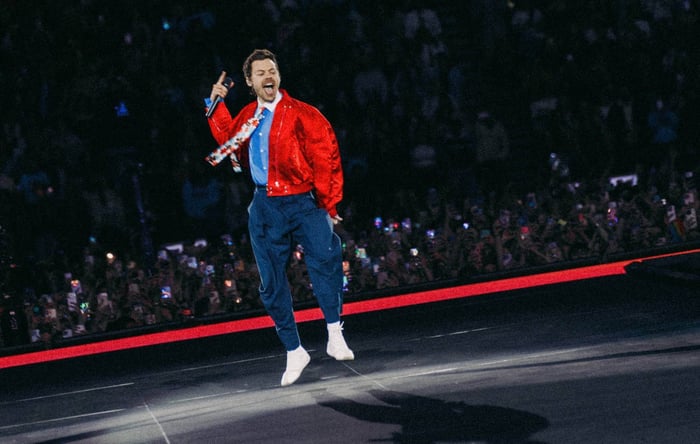
He also thanked the major artists, their fans, and the LIVE Trust for making the funding possible. Harry Styles has agreed to contribute £1 from each ticket sold to his upcoming London shows in 2027, with the money going to the fund and other charitable causes.
That model gives the contribution a visible human result. It is not just an abstract levy disappearing into a large industry budget. The money can be traced to specific tours, specific artists, and specific nights when a performance might otherwise never have happened.
“Those donations now have a face and you can see whose hands the money is going into and which shows are now enabled to happen for fans.” — David Martin
The Debate Over a Mandatory Ticket Contribution
Voluntary contributions from large shows have been gaining momentum, but there is still pressure for the government to make a £1-per-ticket contribution mandatory for arena-level shows and larger events.
Martin said he supports a broad approach, but prefers the major companies involved to come together and establish it without immediately relying on government intervention. His concern is that official action could slow or destabilize progress that is already producing tangible results.
The argument is now less theoretical than it once was. The first phase supported real artists and real shows, while the expanded fund promises to reach even more people. When a program can point to completed tours and audiences reached, it becomes easier to argue that the structure is worth continuing.
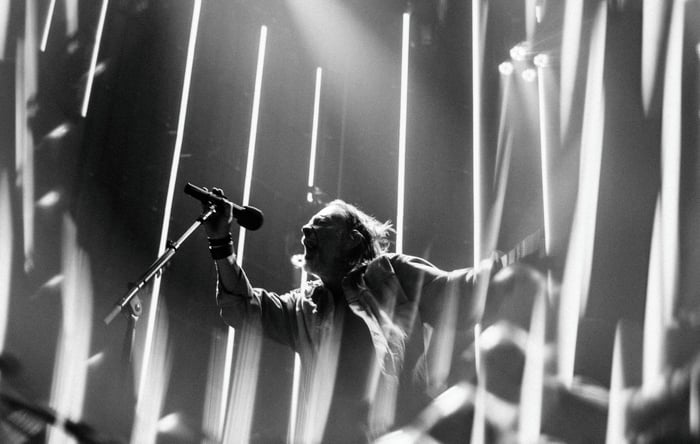
Martin estimated that the scheme could support 80 artists within its first year, with more large shows now contributing. He said he was encouraged that the discussion appeared to be moving away from moral hesitation and toward recognition that the model was working.
His wider hope is ambitious: that the UK live music sector can become reinvigorated and world-leading again. For that to happen, funding must reach beyond the biggest names and support the artists, crews, venues, and services that keep the circuit moving.
Building Careers, Audiences, and Touring Jobs
The purpose of UKAT funding extends beyond helping an artist complete a few dates. It is also about developing careers and creating a steady pipeline of new audiences.
A successful support slot can introduce a developing act to listeners who may not have found them otherwise. A festival appearance can lead to future bookings. A headline run can give an artist the experience and confidence needed to grow. None of those steps are guaranteed, but they become much more difficult when the artist cannot afford to take the initial risk.

Martin said the scheme is designed to support the entire touring supply chain by putting funding directly into artists’ hands and making live activity possible. That means more work for the people who travel with them, more opportunities for venues, and more chances for audiences to encounter new music in person.
It is a simple idea with a long echo. One supported tour can help an artist build momentum, while also keeping a collection of behind-the-scenes workers employed. The applause may last only a few minutes, but the economic effect can continue long after the encore.
Eligibility and Application Deadline
Artists had until 11:59 p.m. on Sunday, September 13, to submit a UKAT funding proposal through the Featured Artists Coalition’s application page: thefac.org/ukatfund.
To qualify, a tour must meet several conditions:
- Include at least three UK headline shows
- Take place in venues with capacities between 75 and 2,000
- Be completed by April 30, 2027
- Provide fair and reasonable pay for all participating artists, musicians, managers, and crew
- Cover show days, travel days, and rehearsal time in that compensation
The criteria underline the fund’s wider purpose. This is not only about getting musicians onto stages; it is about ensuring that the people making the tour happen are treated fairly while they do it.
For artists who have been watching touring costs rise from the sidelines, the opportunity offers something precious: a chance to run the numbers before saying no.
Conclusion
A £300,000 fund will not repair every crack in the live music industry, but it can help turn tentative plans into real shows. More importantly, UKAT funding connects the world’s biggest tours with the emerging artists and working crews who keep live music fresh, varied, and alive. Could this kind of artist-to-artist support become the blueprint for a more inclusive touring future?
FAQ
- What is UKAT funding?
UKAT funding is a financial support program for UK artists facing shortfalls in their touring budgets. It provides top-up assistance rather than covering the full cost of a tour. - How much can an artist receive?
Artists can apply for up to £8,000, or up to 40 percent of eligible tour expenditure, whichever amount is lower. - What types of performances can the funding cover?
The scheme can support headline shows, support performances, and festival appearances. Tentative bookings may also be included if they are confirmed before funding is awarded. - What does a qualifying tour need to include?
A qualifying tour must include at least three UK headline shows in venues with capacities from 75 to 2,000. The tour must be completed by April 30, 2027. - Who must be paid fairly under the program?
Artists, musicians, managers, and crew must receive fair and reasonable pay for show days, travel days, and rehearsal time.
If live music has ever given you a favorite memory, bring a little of that feeling home with an album cover poster from Architeg Prints. It is a warm way to celebrate the records, artists, and concert moments that keep the music moving.
 | DISCOUNTGET 30% OFF*Use code on your next order:
|
* This post may contain affiliate links, meaning we earn a commission if you make a purchase through these links, at no additional cost to you.