Baby Keem Ca$ino Review: Family Detail, Vegas Math, and Tight Control


 See more Architeg Prints stories on Google.
Baby Keem Ca$ino Review: Family Detail, Vegas Math, and Tight Control
Baby Keem's Ca$ino plays like a report from a childhood spent around risk, money, and supervision, with flexing used as a coping mechanism.
Album artwork and basic framing
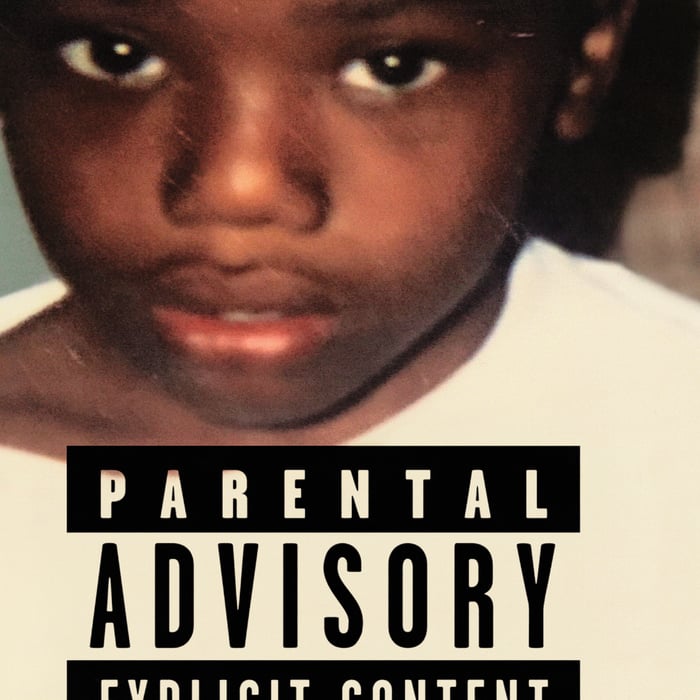
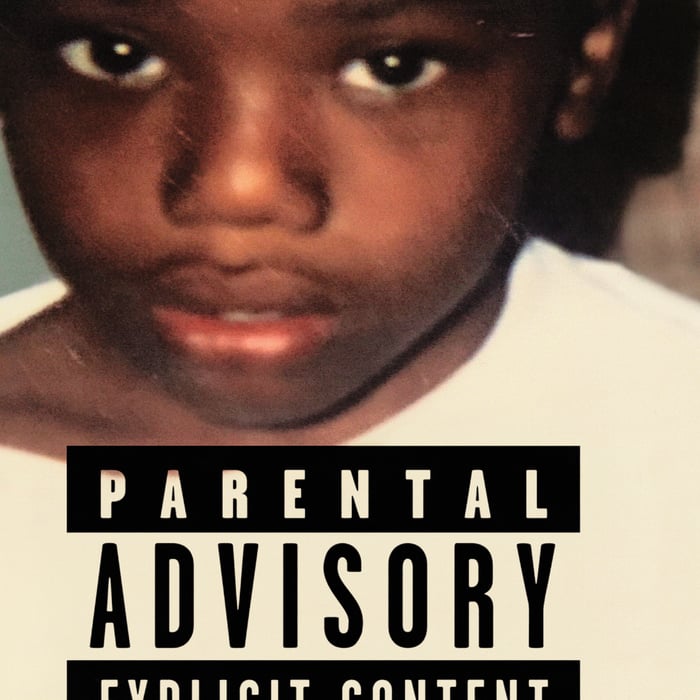
Baby Keem’s Ca$ino arrives with cover art that uses a baby photo and leaves the implication sitting in the open. It’s a straightforward image for a record that repeatedly returns to early life, as if the present tense is optional.
The listening experience also lands after a long public gap: nearly five years after The Melodic Blue, a stretch that included production and verses on Kendrick Lamar’s Mr. Morale & the Big Steppers, a Grammy win for “Family Ties,” arena touring, and then a noticeable reduction in visibility. The quiet feels less like absence and more like controlled access.
How the album positions its timeline
From the start, Ca$ino behaves like an album made by someone who has been deciding what to disclose, and how cleanly, with the kind of deliberation that usually shows up when the subject is family. A previously teased project titled Child With the Wolves does not appear here; Ca$ino takes its place, using a title that works as both location and habit, and then treating both meanings as usable material.
The influence set is audible without needing translation: Kanye’s shape-shifting instincts and André 3000’s elastic persona are present in the way Keem switches tones mid-thought, sometimes mid-line. The familiar Keem signatures still operate—cocky yelps, manic vocal pivots, and the reflex to brag immediately after saying something bleak. The difference is in what gets named. The lyrics carry more family specificity, more irritation at being watched, and more plain reporting on what money did to his nerves. The record keeps returning to a simple behavioral pattern: volume as a tool for not being ignored.
The Booman documentaries as a practical preface
Before the album, three short documentaries arrived under the title Booman, Keem’s childhood nickname. They function as a context package, and Ca$ino behaves like it expects the viewer to remember certain details.
The first installment opens on a one-year-old Hykeem Carter in a one-bedroom apartment in Long Beach, California, living with Aunt Connie and his grandmother. Connie narrates early family conditions and recalls violence witnessed in their own backyard. Kendrick Lamar appears speaking in plain terms about Section 8, welfare, general relief, and what he calls a “warfare environment” that shaped the people involved.
The second installment moves deeper into archives and recounts a relocation to Las Vegas—cheaper rent, added distance from what was breaking them, and the familiar logic of survival decisions that solve one problem and create several others.
Two facts from those films change how Ca$ino’s family writing lands in real time:
- Connie—rather than Keem’s mother—was the person who pulled him out of a group home at age six.
- The grandmother who later died in the house Keem bought for her was also the person who raised him after his mother could not.
The third installment locates the present. Ca$ino mirrors that structure by moving between origin story, relocation story, and current inventory, while rarely letting any section feel neatly concluded.
The title track as a condition report, not a victory lap
The two-part title track runs on a Cardo beat that hits hard and keeps its footing. Keem announces he “barely had parents” and frames “casino” as a lived condition rather than a spot on a map. The song keeps shifting between taunts and admissions so quickly that the aggression reads less like confrontation and more like involuntary energy—like a nervous system trying to stay ahead of the next hit.
He talks about yanking chains off, declares “no soldiers in this rap game,” and moves on before the words can settle. The track doesn’t aim for resolution; it aims for motion. The effect is consistent with the album’s broader habit: confession appears, then gets immediately covered by performance, because performance is reliable and confession is not.
Flexing songs that behave like controlled chaos
“Circus Circus Freestyle” adds price tags and pressure points—twenty-five million as a stated figure, plus an awareness of listeners waiting for a mistake. Keem runs through old beefs, bad exes, and Kobe memories in one continuous cadence, treating all categories as equally manageable. Nothing gets a long pause, which keeps the bruising to a minimum.
“House Money” pushes the confrontational mode into a direct address: someone is told to get out of the house, get off the couch, and account for their work. The track’s practical humor shows up in the timing—an aggressive demand for standards, followed shortly by Keem admitting he replaced the person with “a new carbon copy” because the original was “movin’ too sloppy.” The record doesn’t frame this as scandal or triumph. It reads like a routine personnel change performed with extra bass.
Confession tracks that don’t linger, because they can’t
When Ca$ino turns inward, it does it with a rushed, specific kind of clarity. “No Security,” the opener, initially presents as standard post-fame complaint, then drops its sharpest lines midstream as if they slipped out while the guard was down.
Keem mentions “Uncle Andre” passing and admits he carries blame, wishing he had gotten help “when the resources came.” He describes turning twenty-two and being “done with the Range,” where the phrase works as both vehicle reference and shortened patience report. Observations about his mother and grandmother arrive as financial metaphors—people looking “like she goin’ to the bank,” being placed near “spots with the bank”—before the song abruptly pivots into childhood conditions: being walked around with no shoes in the cold, his mother sleeping in a tent, and jail becoming part of the routine.
The pivot happens fast enough to resemble how hard stories often come out: quickly, with minimal ornament, as if speed prevents a second thought.
“Highway 95 Pt. 2” slows down and stays with its details longer. Keem describes being thirteen and sleeping in ditches, being unable to recall his mother in the kitchen, holding a zip of weed for friends without smoking it, and sitting outside hungry because food stamps ran out before the month ended. The track doesn’t dramatize these points. It lists them with the steadiness of someone who had to normalize them early.
Las Vegas as a scar you keep naming
Across the album, Las Vegas is described with the bluntness people reserve for injuries that still affect movement. Keem treats the city as both the place that shaped him and the place that took people from him, and he does not separate those two realities into different compartments.
“I Am Not a Lyricist” states the situation plainly: “They don’t call it Sin City for nothin’,” then catalogs what that means in street-level terms—escort rates, an uncle sagging with a prostitute and slurring over Absolut vodka, his mother being “serv[ed]” drugs as if it were hospitality. The song presents these scenes as part of the everyday environment a child witnessed and initially accepted as normal.
He says he wishes they never came to Vegas from Long Beach, a line that sits uncomfortably beside the documentary framing of the move as survival. The album doesn’t argue with itself; it just allows both facts to exist at once: the move helped, and the move harmed.
The title concept sharpens here. A casino is engineered so the house wins, and Keem frames his upbringing as a version where the “house” was his family system and the losses weren’t money. When he compares himself to “that slot machine that nobody held,” it lands as two statements delivered in one motion: he was treated like a device people used, and he wasn’t held, either. The metaphor is functional, not poetic. It’s meant to be understood quickly.
Kendrick Lamar’s features as mood management
Kendrick Lamar appears on “Good Flirts” and “House Money,” and the features do different kinds of labor.
On “Good Flirts,” Keem’s writing leans toward the steadier family-and-inheritance focus that showed up in his Mr. Morale “Savior (Interlude)” credit. With Infinity Song’s Momo Boyd in the track’s orbit, Kendrick opens his verse with a stuttered admission about not knowing a love like this, then slides into domestic specifics: watching Sinners on the couch, debating whether to decorate walls or log off to Pinterest, and confessing physical longing in a playful cadence that sounds intentionally informal. A slight jab at Young Thug appears in passing, delivered as an offhand line rather than a headline.
On “House Money,” Kendrick’s presence flips. He sings the hook like someone walking into a room already prepared to escalate, using swagger and an “I-smell-something” ad-lib that turns the aggression from personal grievance to theatrical confrontation. The track’s posture recalls the old G-Unit “I Smell Pussy” energy—less a private argument than a public announcement that an argument is underway.
Together, Keem and Kendrick operate like alternating thermostat settings: one cools a moment down, the other makes sure the moment cannot cool down. The looseness teased by 2023’s “The Hillbillies” single is still present, but here it’s used as a control mechanism rather than a hangout.
Sex, romance, and the album’s brief pocket of air
“Sex Appeal” keeps the tone playful while still sounding slightly overworked. Keem catalogs Miami encounters and endorphin spikes with a delivery that suggests he is half-impressed and half-fatigued by the pace he’s describing. The nightlife details arrive like itinerary notes that turned into a chorus.
Too $hort arrives with directness, folding in church girls sinning and a straightforward interest in the newest woman in the room. The generational contrast lands cleanly: the older voice sounds more comfortable with desire as an ordinary appetite, while Keem still sounds like he’s checking his own vitals.
“Dramatic Girl,” featuring Che Ecru, shifts into a softer register and plays like the album briefly allowing itself to stay small. It’s the closest Ca$ino gets to a love song that isn’t also heavy or bass-heavy. The track asks for patience from someone who apparently needs to remove a mask first. Keem’s singing is careful and thin—less a demonstration of range than a decision to sound unsure. The restraint provides a pocket of air after several tracks that treat intensity as default settings.
“No Blame” closes with direct address and stripped-back delivery
“No Blame” ends the album with additional vocals from James Blake and Keem speaking to his mother without the vocal acrobatics used elsewhere. The drums pull back, leaving his voice more exposed against Blake’s glacial hums, and the track proceeds like a controlled statement made when there’s no space left for performance.
Keem describes being seven years old, waiting in pajamas, hearing a promise that she would come home. His grandmother told him his mother had died, and he had to live with that information while she was still alive. CPS showed up at the door as his mother and grandmother fought for custody. Cigarettes were smoked in the house until it “felt haunted.” He describes her being pregnant with a Xanax in her stomach. The details are delivered without flourish, which makes them land as daily realities rather than plot points.
The song ends with him running away on Mother’s Day, cold and unloved, while still not blaming her. The album doesn’t tidy that up. It lets the contradiction stand, as if contradiction is simply how families sometimes operate.
How the album holds contradiction without collapsing
Ca$ino doesn’t suffer from contradiction; it uses contradiction as a working material. The lighter tracks function as competent, sometimes sharply funny releases of pressure, while the family tracks focus on what it means to become a form of currency to the people who were supposed to provide protection. The production choices stay controlled and often immaculate, keeping the emotional content from spilling into chaos even when the subject matter tries.
Rather than separating “crowd” songs from “personal” songs into different projects, the album places them in the same room and lets them affect each other. The result is that even the playful moments carry an undertow of surveillance, memory, and money anxiety. The record proceeds like someone documenting a life while also trying to keep the documentation from becoming the whole identity.
To keep the record’s internal map clear, the tracks that most explicitly demonstrate the album’s personal-reporting mode include:
- “I Am Not a Lyricist”
- “Highway 95 Pt. 2”
- “No Blame”
Conclusion
Ca$ino functions as a tightly managed release of information: flexing and confession share the same ventilation system, and Las Vegas remains both setting and symptom. The album keeps moving, even when it’s describing things that usually stop people in place.
Our verdict: direct, restless, and unusually specific about what it chooses to name, while still maintaining enough volume to keep the room from getting too quiet.
FAQ
- What is the core focus of Baby Keem Ca$ino?
Baby Keem Ca$ino centers on family history, Las Vegas as a formative environment, and how money changes behavior, tone, and trust. - Does the album lean more toward confession or performance?
It runs both at once. Confessional details arrive quickly, often followed by loud persona shifts that keep the momentum from slowing. - Which guests appear on the album?
Kendrick Lamar appears on “Good Flirts” and “House Money,” Too $hort appears on “Sex Appeal,” Che Ecru appears on “Dramatic Girl,” and James Blake adds vocals on “No Blame.” - How do the Booman documentaries connect to the album?
They provide concrete background—early living conditions, the move from Long Beach to Las Vegas, and specific family roles—that reframes how the album’s lyrics land. - Is Las Vegas treated as a theme or a location?
Both. The city is named like a scar: it’s a place with addresses and habits, and it also reads as a long-term condition the album keeps referencing.
If you keep album artwork on the wall the way other people keep calendars, you can shop a favorite album cover poster at our store: https://www.architeg-prints.com. It fits the Ca$ino habit of turning life into a visible document.
 | DISCOUNTGET 30% OFF*Use code on your next order:
|
* This post may contain affiliate links, meaning we earn a commission if you make a purchase through these links, at no additional cost to you.