Baseus Sleep SK1: Bedtime Audio Without Earbuds or Room Noise


Baseus Sleep SK1: Bedtime Audio Without Earbuds or Room Noise
Baseus Sleep SK1 uses pillow-directed micro-vibration audio, app sounds, alarms, and overnight battery life to make bedtime listening more private.
A Quieter Way to Listen at Night
Living alone makes bedtime listening wonderfully simple. Music, podcasts, and audiobooks can play whenever you want, at whatever volume feels right. But sharing a hotel room, sleeping beside someone, or hosting an overnight guest can make even a quiet podcast feel like a negotiation.
Earbuds seem like the obvious answer, but sleeping with them is not comfortable for everyone. Some people worry that an earbud could move deeper into the ear while they toss and turn. That is not exactly the relaxing bedtime scenario anyone is hoping for.
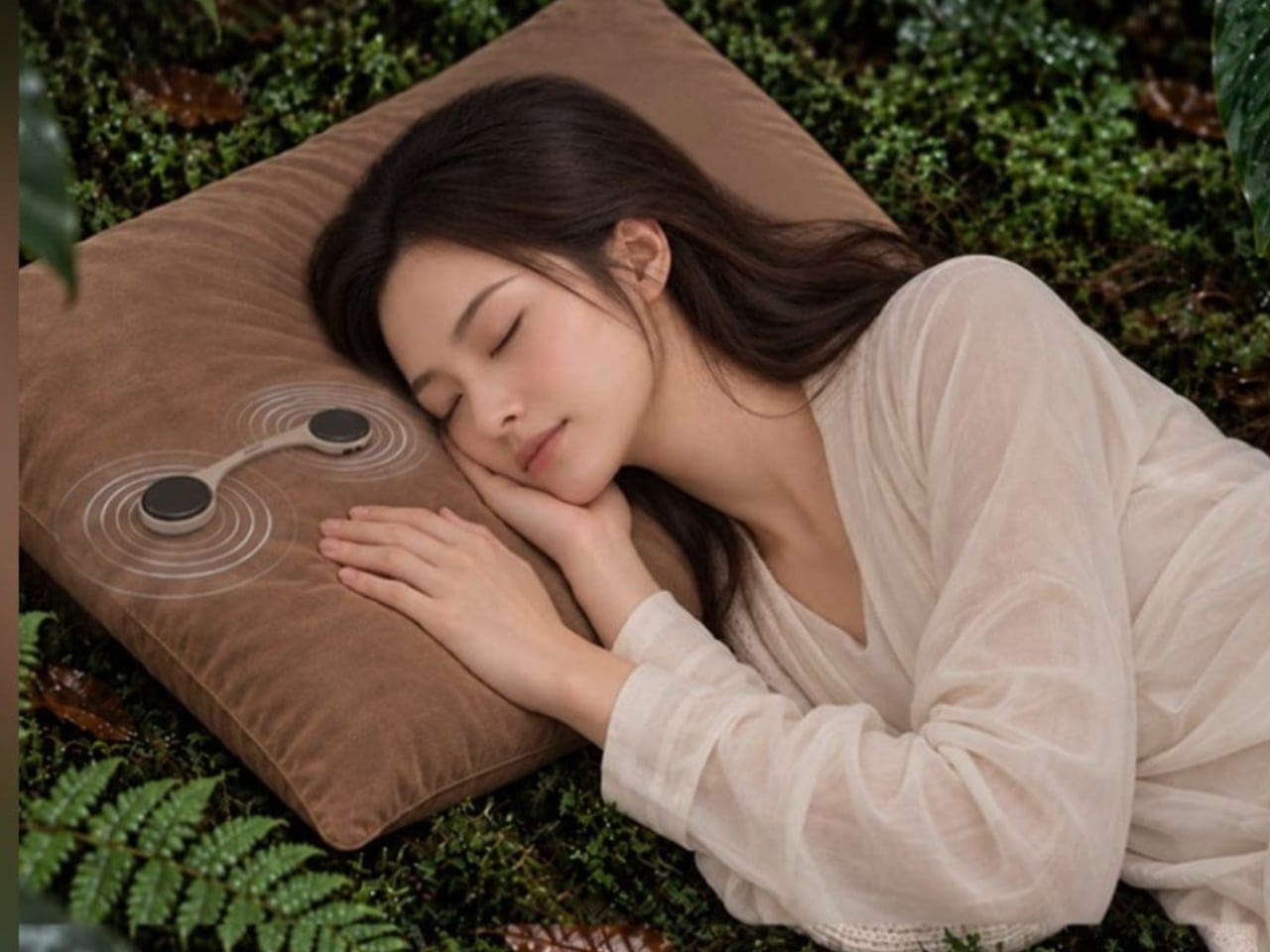
That is where the Baseus Sleep SK1 enters the picture. Instead of placing audio directly inside your ears, this compact device is designed to sit beneath a pillow and send sound toward the sleeper through what Baseus calls micro-vibration conduction.
Turning the Pillow Into Part of the Speaker
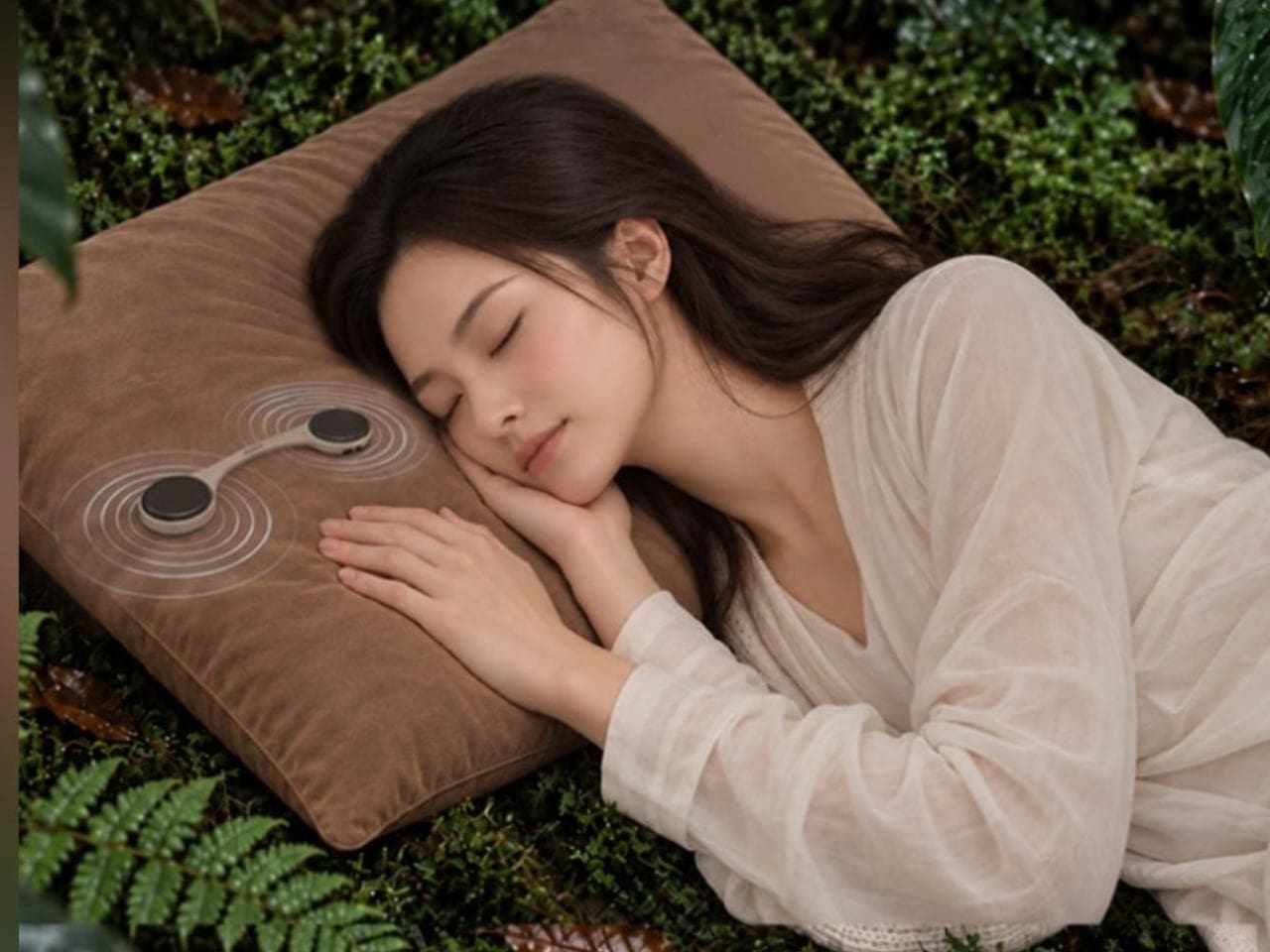
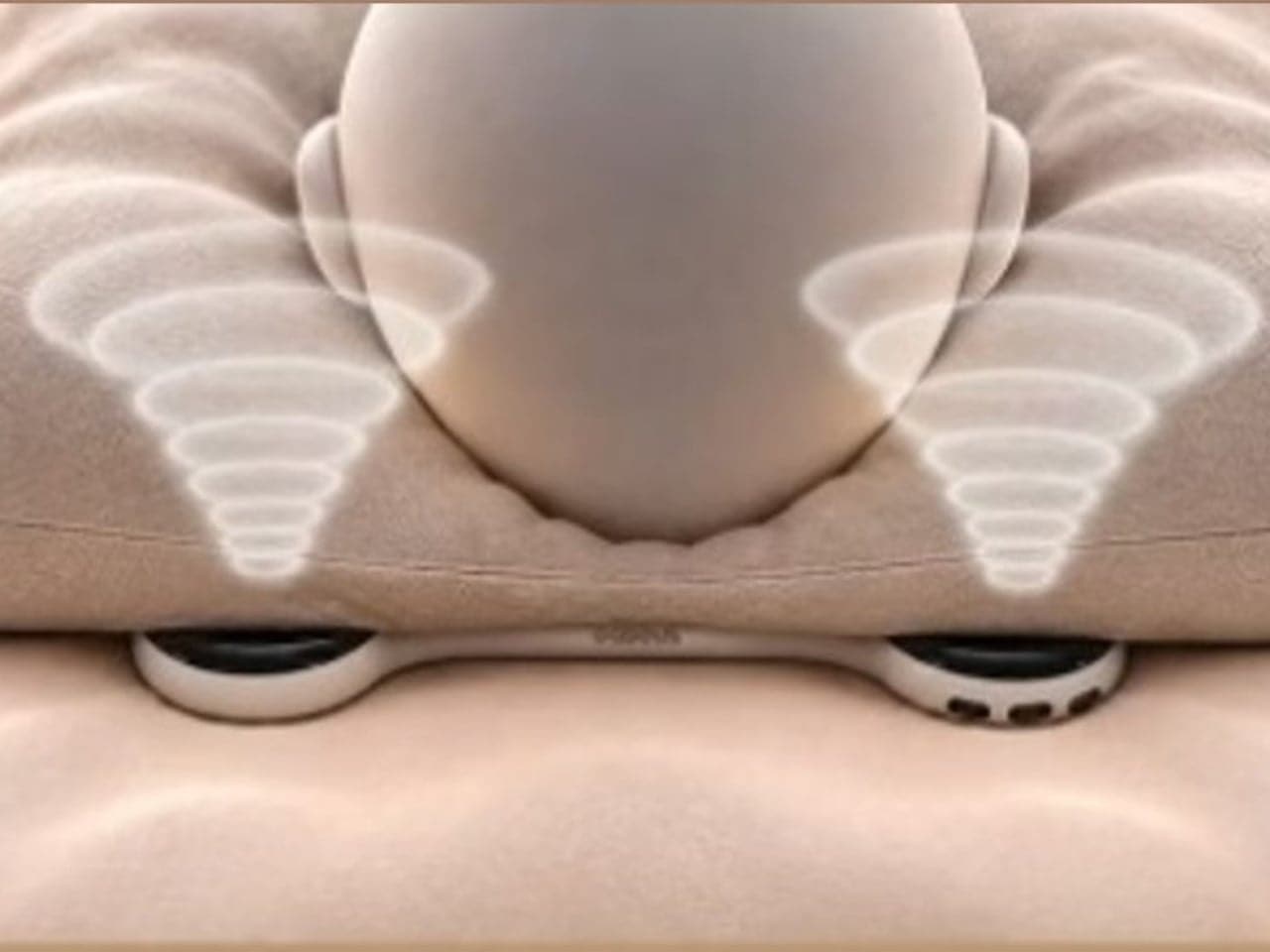
The Sleep SK1 takes a clever, slightly unusual approach to personal audio. Its two sound-producing units are intended to direct music, podcasts, audiobooks, and other content through the pillow toward your head.
In other words, the pillow becomes part of the listening system. Rather than projecting sound across an entire bedroom like a traditional speaker, the SK1 tries to keep the audio concentrated in a much smaller area. That could make it useful for anyone who wants a little nighttime entertainment without turning the room into an accidental listening lounge.
The concept is particularly appealing in shared spaces. A person beside you may hear less than they would from a phone or bedside speaker, while you still get a close, personal audio experience. Of course, the real test will be how well that balance works in practice. Sound that feels private to one sleeper could still become noticeable to someone lying only a few inches away.
A Small, Connected-Puck Design
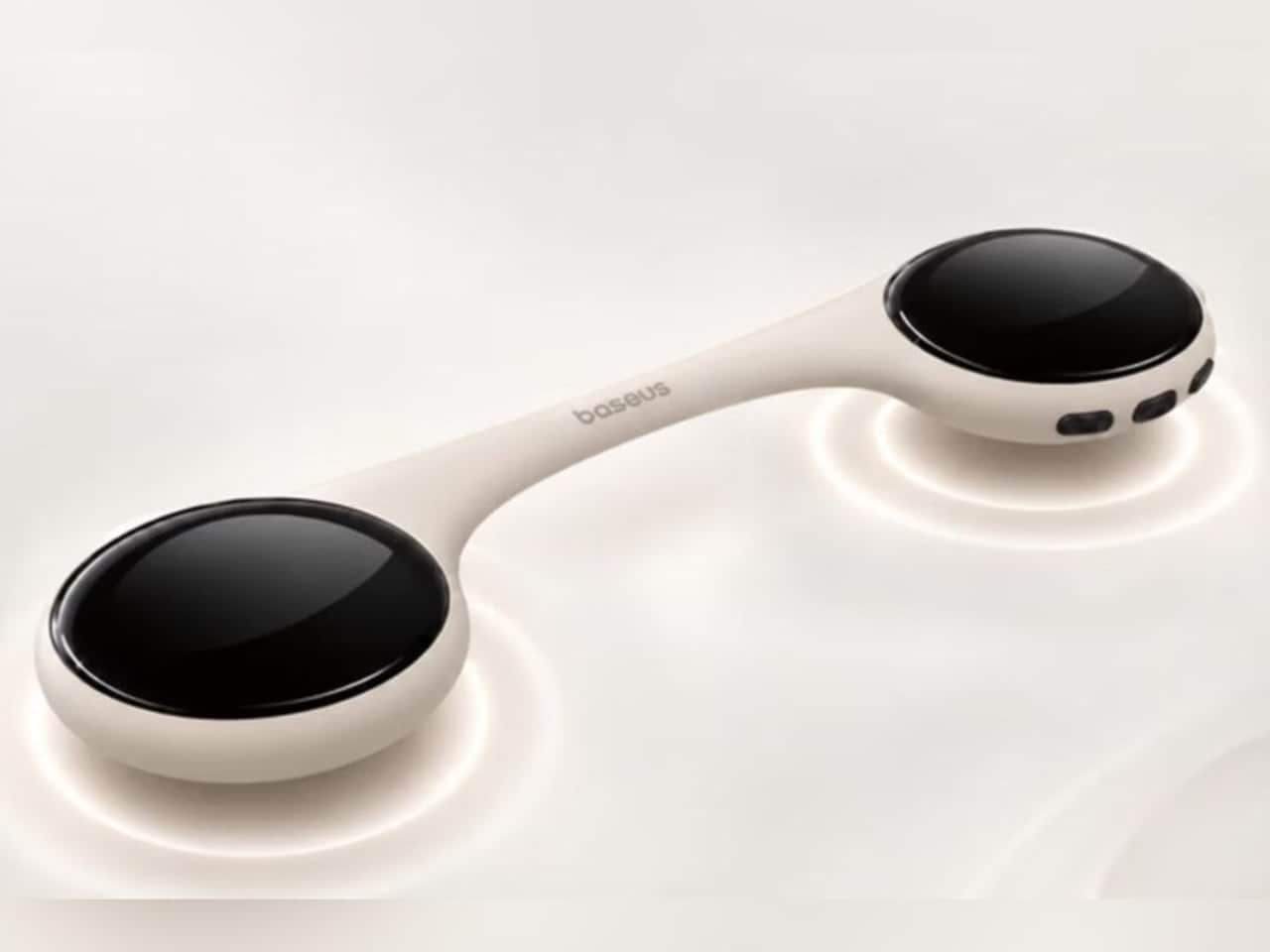
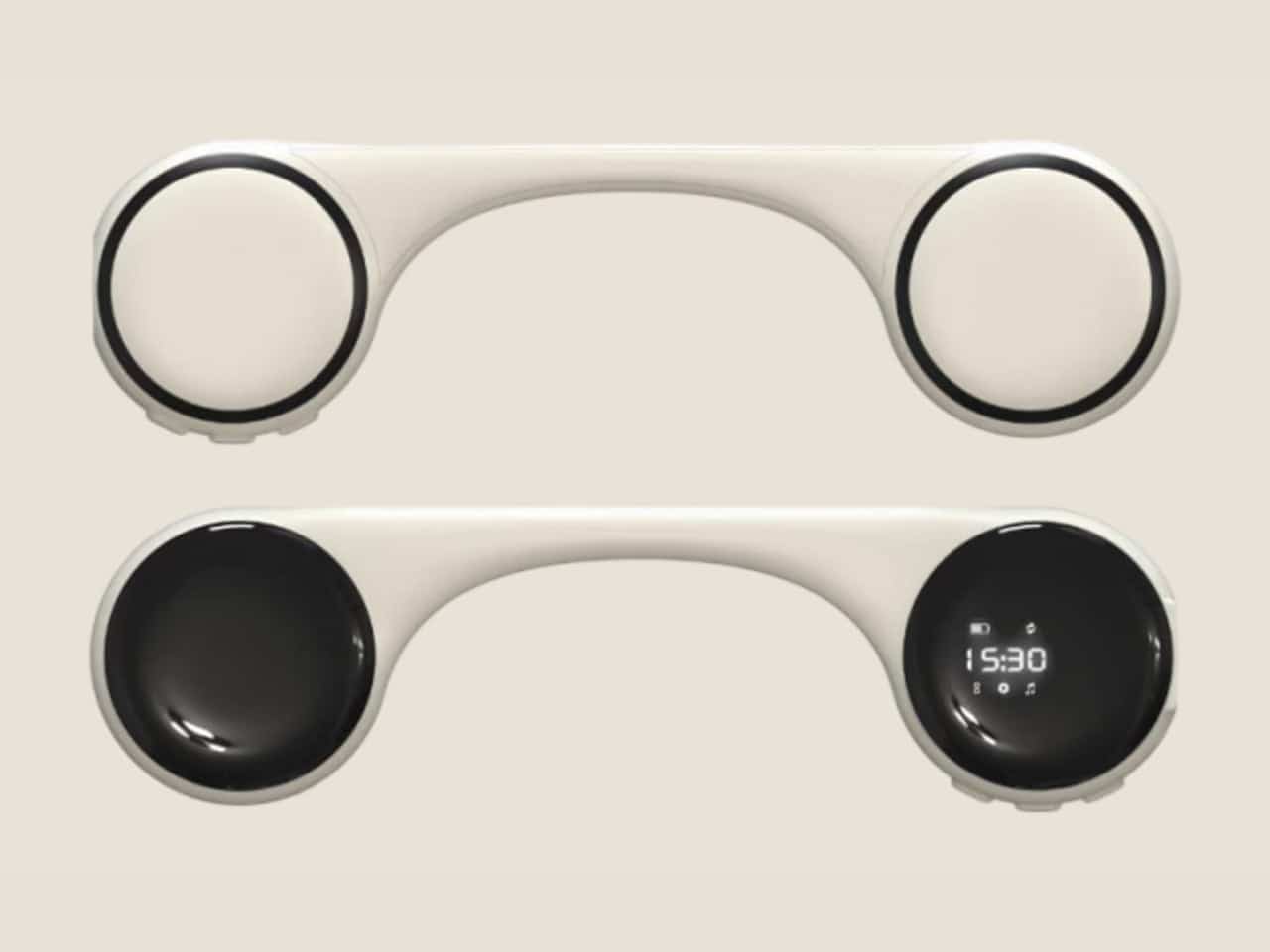
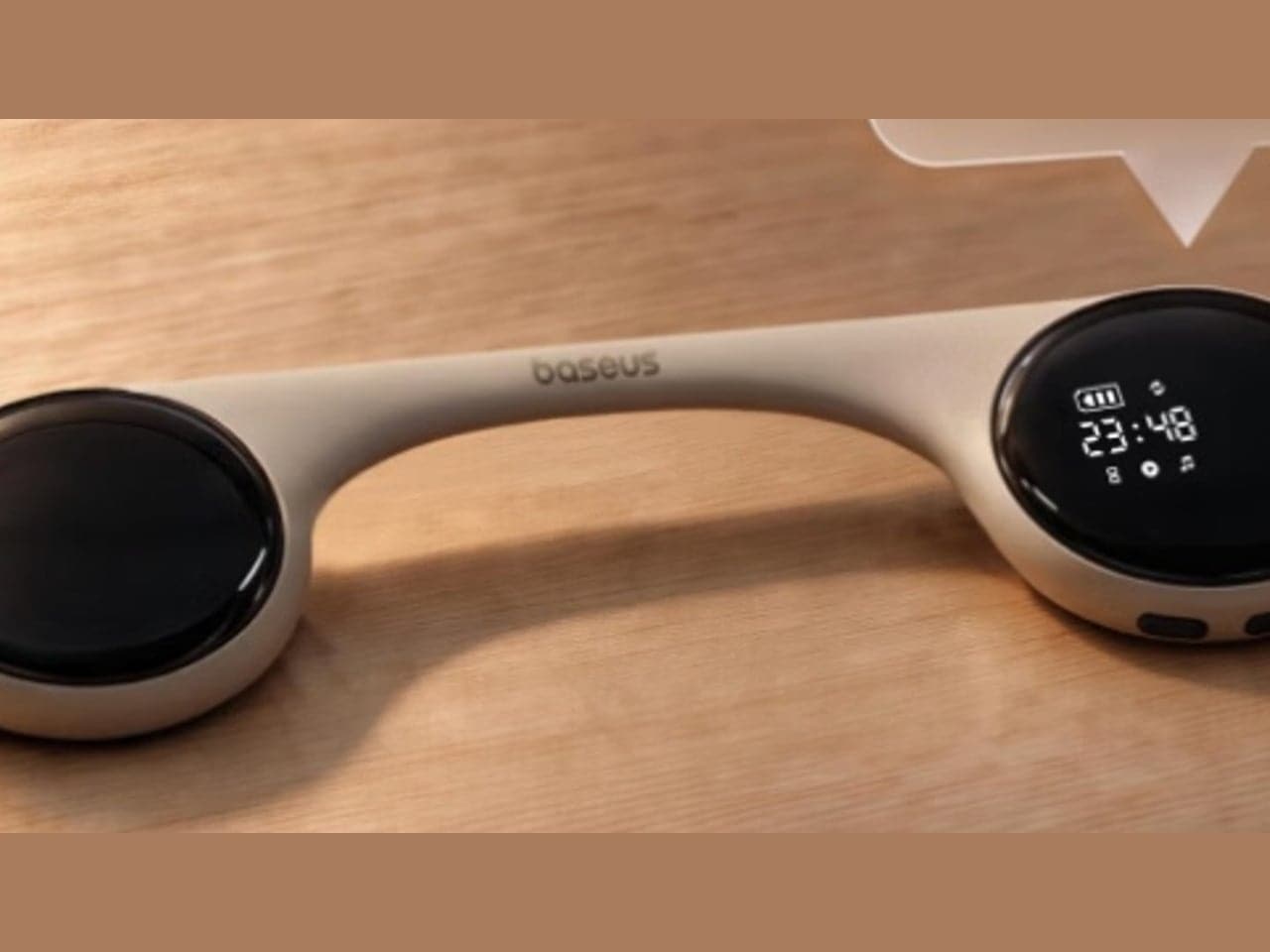
Visually, the Baseus Sleep SK1 looks more like a Bluetooth speaker than a piece of sleep equipment. Two circular pods are connected by a narrow, curved bridge, creating the appearance of a pair of linked pucks.
That shape is much more compact than a conventional bedside speaker. The reported dimensions are approximately 6.5 by 1.8 by 0.55 inches, while the weight is about 1.55 ounces. Those measurements suggest a device designed to disappear beneath bedding rather than take over a nightstand.
The slim profile should help reduce the feeling of having a gadget under your head, although “slim” does not necessarily mean invisible. A pillow compresses under body weight, especially for side sleepers, so the device could still be noticeable depending on its position and the pillow’s softness.
That is one of those details that sounds minor until bedtime. A product can look beautifully minimal on a desk and feel entirely different when it is pressed beneath your cheek for eight hours. Comfort would need to be tested rather than assumed.
Controls Without Reaching for Your Phone
The Sleep SK1 includes three physical buttons around the edge of one pod. These controls are intended to handle the speaker’s basic functions without requiring a phone every time you want to adjust something.
There is also a digital display built into one of the circular faces. It shows the time, current operating mode, and remaining battery level. That could be handy during familiar 3 a.m. wake-ups when your first instinct is to reach for your phone and accidentally expose yourself to a screen full of notifications.
The display offers a small alternative: check the time directly from the speaker. Still, there is a practical catch. If the SK1 is underneath the pillow, the display will not be visible until you uncover or reposition it. The convenience is there, but it depends heavily on how the device is placed.
More Than Music for Falling Asleep
Not everyone drifts off to albums or spoken-word shows. Some people prefer steady background noise: rainfall, ocean waves, a crackling campfire, or the soothing repetition of ASMR.
According to Baseus, the companion app includes more than 100 sound options. That gives the SK1 a wider role than simply acting as a tiny bedtime speaker. It can function as a low-key sound machine, too, with enough variety to keep the nightly routine from feeling repetitive.
The app also supports up to 10 alarms for different schedules. That could be useful for households with uneven routines, early work shifts, or anyone who needs to wake before the person sleeping nearby. Since the alarms use the same pillow-directed audio approach, the intention is to alert the user without broadcasting a traditional alarm through the entire room.
That feature feels especially practical in shared hotel rooms. Nobody enjoys being jolted awake by someone else’s alarm, particularly when the offending ringtone sounds like it was designed by a fire department.
Overnight Battery and USB-C Charging
The SK1 is equipped with a built-in 300 mAh battery. Baseus claims it can provide more than 10 hours of playback, which would be enough for a typical overnight listening session if that figure holds up during everyday use.
Battery life matters more here than it might with a casual portable speaker. A device placed beneath a pillow should ideally work without a charging cable attached, both for comfort and convenience. A loose cable winding across the bed would rather undermine the whole idea of a simple, unobtrusive sleep setup.
Charging takes place through USB-C, with a reported full-charge time of around two hours. That is a reasonable recharge window for a device that can potentially run through the night. Charge it during the day, place it under the pillow at bedtime, and there is no need to keep a cable connected while sleeping.
Still, claimed battery performance and real-world battery performance are not always identical. Volume level, wireless connection behavior, app features, and the type of audio being played could all influence how long the device actually lasts.
Your Pillow and Sleeping Position Matter
The pillow itself is an important part of the Sleep SK1 experience. Baseus recommends using the device with pillows up to approximately 3.1 inches thick. Thicker pillows may reduce the clarity or volume of the audio traveling toward the sleeper.
The suggested workaround is to raise the volume when using a thicker pillow or when sleeping on your back. That makes sense from a practical standpoint, but it also creates a trade-off. Turning up the volume may make the content easier for you to hear, yet it could also make the sound more noticeable to another person in the room.
Sleeping position could make a difference as well. A side sleeper may place more direct pressure over one of the circular pods, while a back sleeper may experience a different relationship between the speaker, pillow, and ears. The best placement might require a little trial and error—never the most glamorous part of new technology, but often the most important.
The SK1 is therefore not a completely pillow-agnostic product. Its performance depends on thickness, softness, body position, volume, and where the device rests. Those variables do not make the idea less interesting, but they do mean buyers should think about their normal sleep setup before committing.
Availability and Regional Questions
The Sleep SK1 is listed on JD.com in China at a reported price of 184 yuan. That figure should not be treated as a confirmed US retail price, and an official US release has not been established in the available information.
Regional availability is worth checking carefully. The speaker may not be sold everywhere, and app support could vary depending on location. An imported unit might not provide exactly the same setup or software experience as one sold for a different market.
That is a familiar caution with smart accessories. The hardware can look ready to go straight out of the box, but companion apps, language support, account requirements, and regional services can shape the experience just as much as the physical design.
Would It Really Keep Audio Private?
For me, the strongest part of the Baseus Sleep SK1 is the possibility of listening without putting anything inside my ears. That alone could make it attractive to people who find earbuds uncomfortable at night or worry about losing one beneath the blankets.
But the deciding questions are practical ones. How clearly would a podcast come through my own pillow? Would voices remain understandable at a low volume? Could someone sleeping nearby still follow every sentence? And would the device remain comfortable after a full night of turning, shifting, and occasionally searching for the cool side of the pillow?
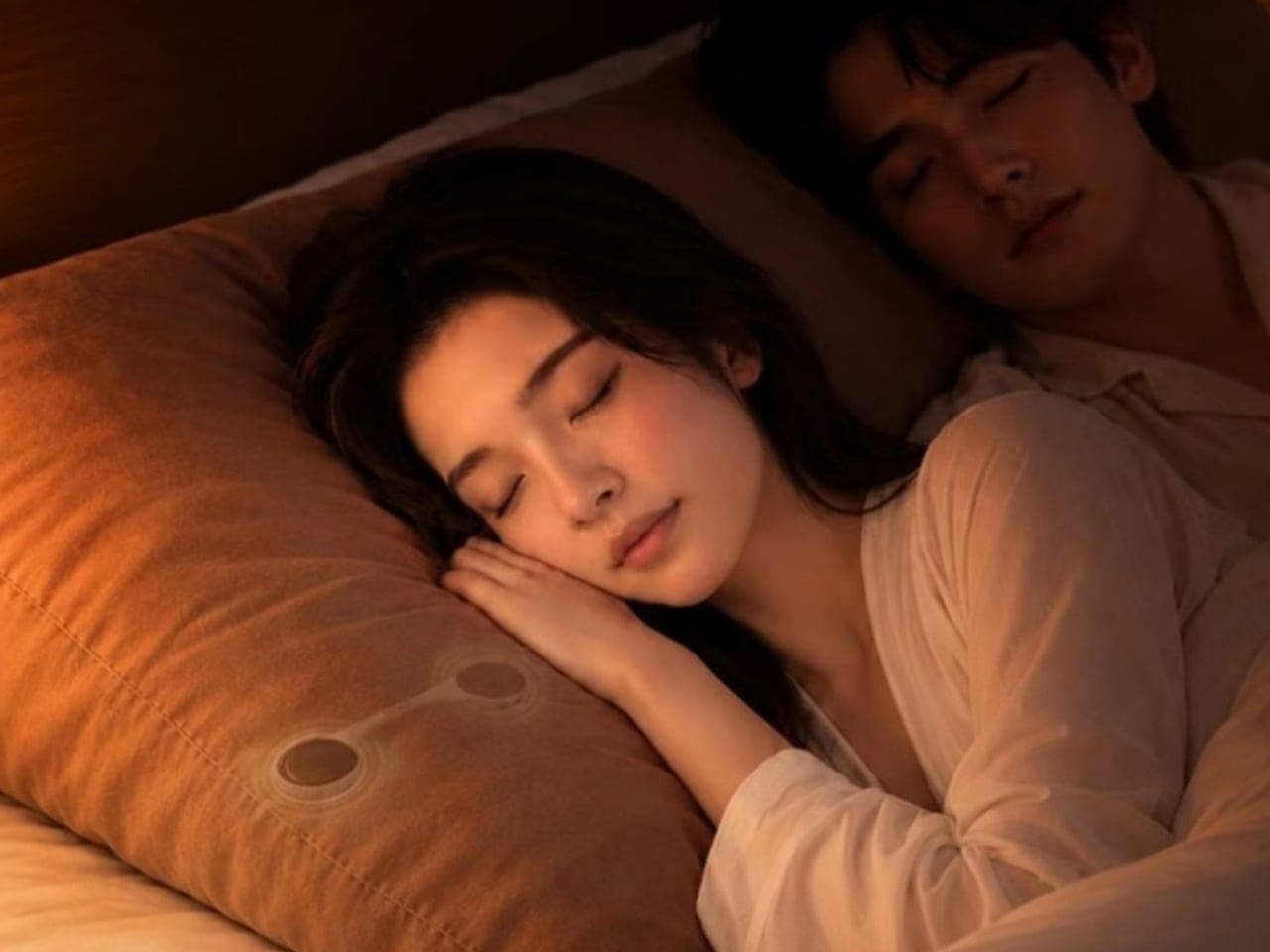
If the SK1 can keep a familiar voice close to the listener while preventing the rest of the room from hearing an entire conversation, it could offer a genuinely useful middle ground. It would not replace headphones for every situation, and it may not work equally well with every pillow, but the underlying idea is refreshingly focused: private bedtime audio without inserting hardware into your ears.
Conclusion
The Baseus Sleep SK1 turns an ordinary pillow into a small personal audio zone, combining micro-vibration sound, sleep-friendly controls, app-based ambient sounds, alarms, and overnight battery life. Its success will depend on comfort, pillow compatibility, and how effectively it keeps sound contained—but for shared bedrooms and hotel stays, the concept has real appeal.
FAQ
- What is the Baseus Sleep SK1?
The Baseus Sleep SK1 is a compact Bluetooth-style speaker designed to sit beneath a pillow and direct audio toward the sleeper through micro-vibration conduction. - Can the Baseus Sleep SK1 replace earbuds at bedtime?
It is designed as an alternative for people who want to listen to music, podcasts, audiobooks, or ambient sounds without placing earbuds inside their ears. - How long does the Sleep SK1 battery last?
Baseus claims more than 10 hours of playback from its built-in 300 mAh battery. Actual performance may vary depending on volume and use. - What pillow thickness does the SK1 support?
The recommended pillow thickness is up to approximately 3.1 inches. Thicker pillows may require a higher volume setting. - Does the Sleep SK1 include alarms and ambient sounds?
Yes. Its companion app reportedly offers more than 100 sound options, including rain, ocean waves, campfire sounds, and ASMR, along with support for up to 10 alarms.
If bedtime audio is part of your nightly ritual, a favorite album cover poster can bring that same music-loving atmosphere into your room. Browse the collection at Architeg Prints.
 | DISCOUNTGET 30% OFF*Use code on your next order:
|
* This post may contain affiliate links, meaning we earn a commission if you make a purchase through these links, at no additional cost to you.