Razer Hammerhead V3 Chroma Brings Wired Gaming Earbuds Back


Razer Hammerhead V3 Chroma Brings Wired Gaming Earbuds Back
Wired gaming earbuds return with USB-C audio, ANC, RGB lighting, surround sound, and a clever 90-degree connector built for handheld play.
A Familiar Cable, With a Modern Twist
There’s a particular kind of gaming frustration that begins with a tiny blinking battery icon. You sit down for a quick match, reach for your wireless earbuds, and discover that the charging case spent the night doing absolutely nothing. The Razer Hammerhead V3 Chroma takes a different route: it brings back the cable, but skips the old-fashioned headphone jack entirely.
These wired gaming earbuds connect through USB-C, carrying both audio and power through the same connection. That means there’s no earbud case to charge and no separate battery tucked inside each side. For anyone who has ever started a commute or gaming session with 3% battery left, that simplicity has a certain nostalgic appeal.
The Hammerhead V3 Chroma isn’t trying to recreate the classic wired-earbud experience exactly. Instead, it updates the formula for phones, handheld consoles, laptops, and gaming PCs that increasingly rely on USB-C. You still get the physical connection, but the feature list feels thoroughly modern.
A 90-Degree Plug Made for Handheld Gaming
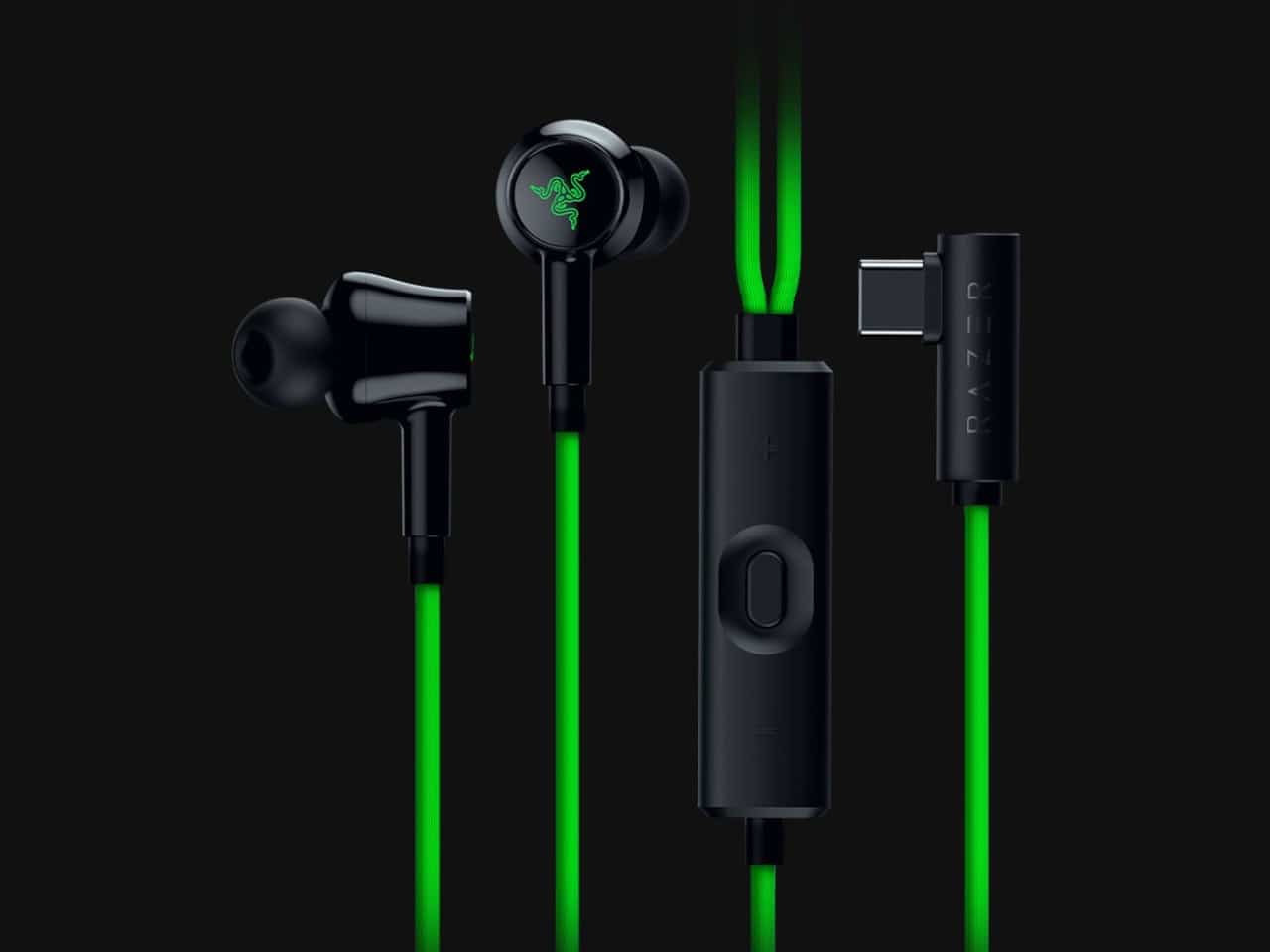
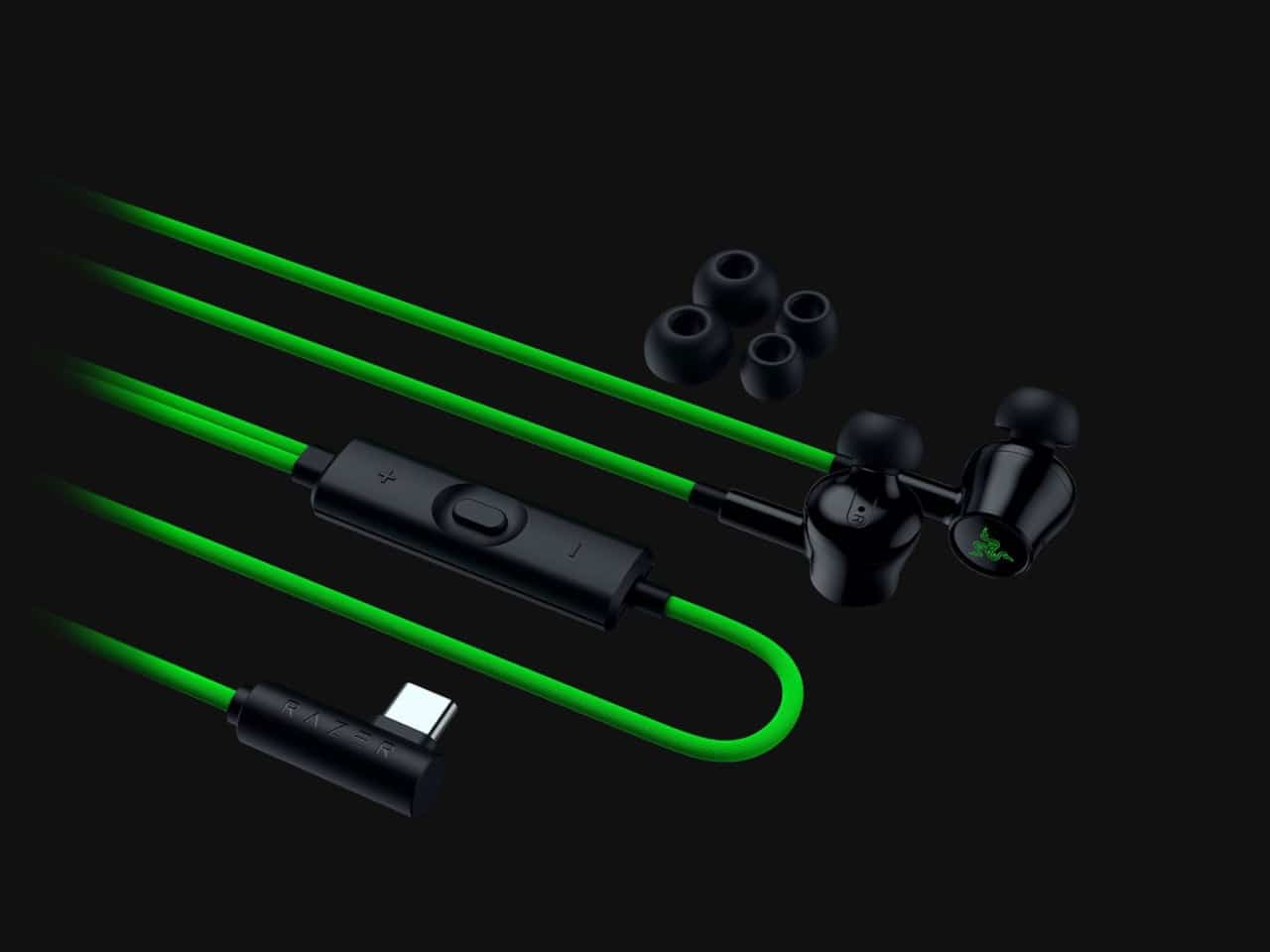
The most immediately practical detail is the connector. Razer gives the USB-C plug a 90-degree bend, allowing the cable to run alongside a compatible device rather than pointing straight out into your palm.
That small change matters more than it might seem. When a phone is turned sideways for gaming, both hands typically grip the outer edges. A straight connector can jut into the hand, press against a case, or force the cable into an awkward loop. The angled design keeps the wire closer to the device, reducing one of the most obvious annoyances of returning to wired audio.
It doesn’t make the cable disappear, of course. You’re still dealing with a physical wire, and it can still catch on a sleeve or tug when you stretch too far. But the connector points the cable in a more sensible direction. Think of it as good cable manners: not revolutionary, just considerate.
The USB-C design also means the earbuds can work with devices that no longer include a traditional audio port. That keeps the concept relevant for newer phones and computers while avoiding the need for wireless pairing, Bluetooth menus, or another charging routine.
Controls Where Your Fingers Can Find Them
The cable gives Razer another useful place to put controls: an in-line remote. Instead of tapping the earbud itself or reaching for a phone screen, users can adjust volume, control playback, and activate active noise cancellation from the cable.
The raised buttons are intended to be easy to locate by touch. That’s handy when you’re walking, gaming, or trying not to disturb the fit of the earbuds. Anyone who has accidentally knocked an earbud loose while fumbling for a touch control will understand the appeal.
An omnidirectional microphone is built into the same control area. It supports phone calls and team chat, keeping voice communication close to the cable rather than relying entirely on a smartphone’s microphone. For multiplayer gaming, that places the essentials within easy reach without requiring another trip through a settings menu.

There’s a slightly old-school satisfaction to an in-line remote. It’s tangible, immediate, and refreshingly clear about what each control does. No app is required just to pause a song, and there’s no wondering whether a double tap registered. Sometimes the humble button still knows what it’s doing.
RGB Lighting Keeps Things Loud
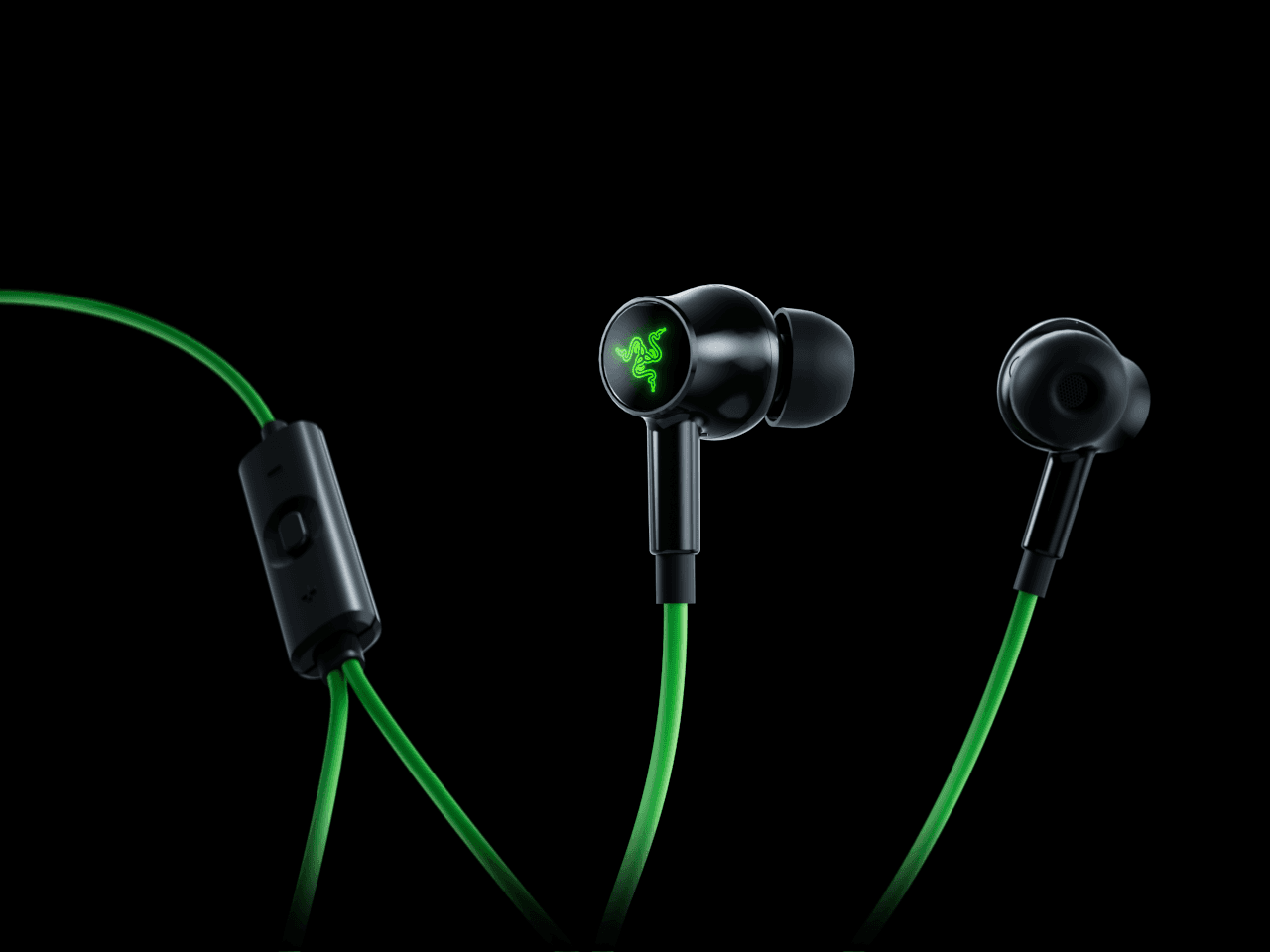
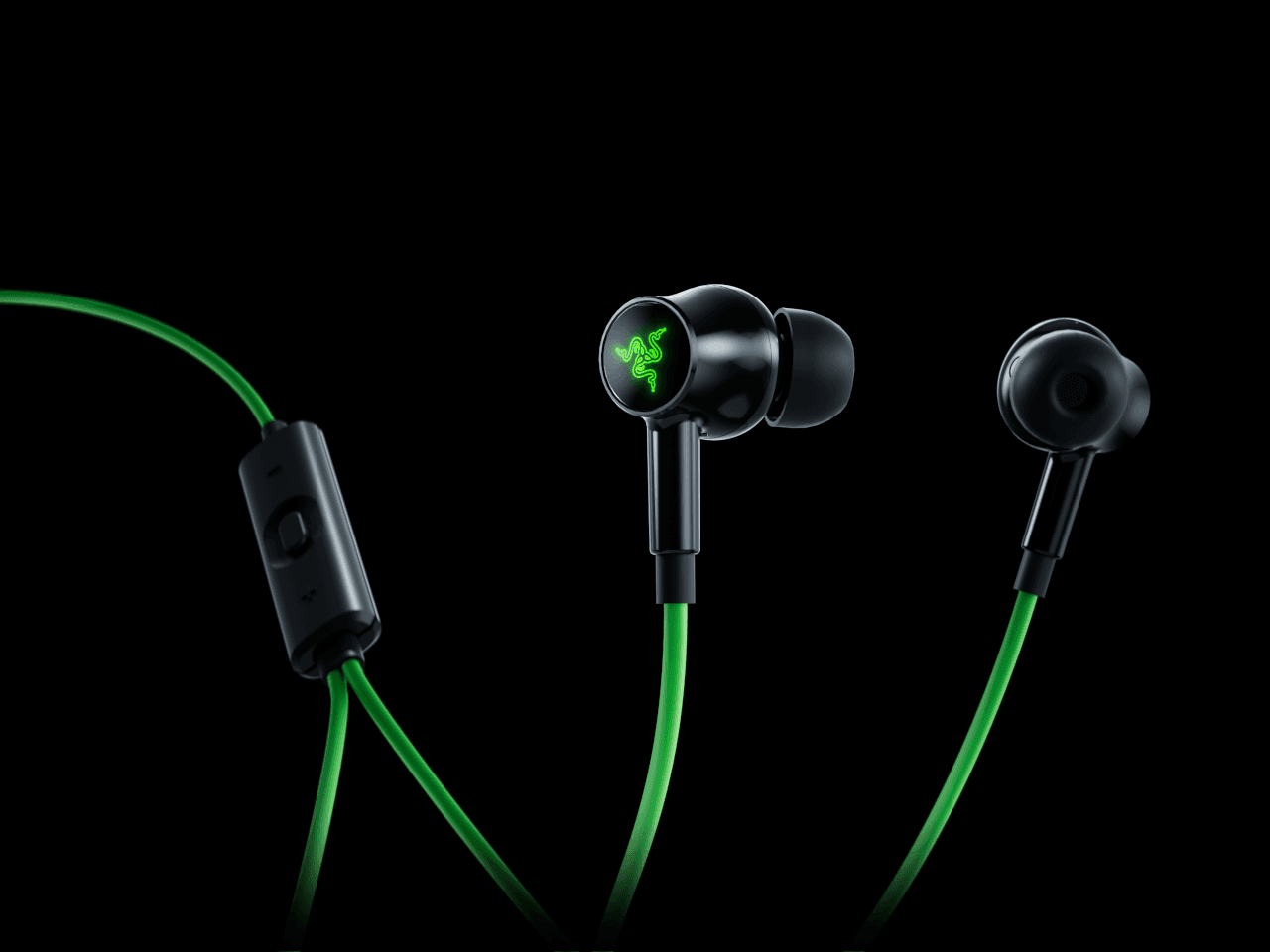
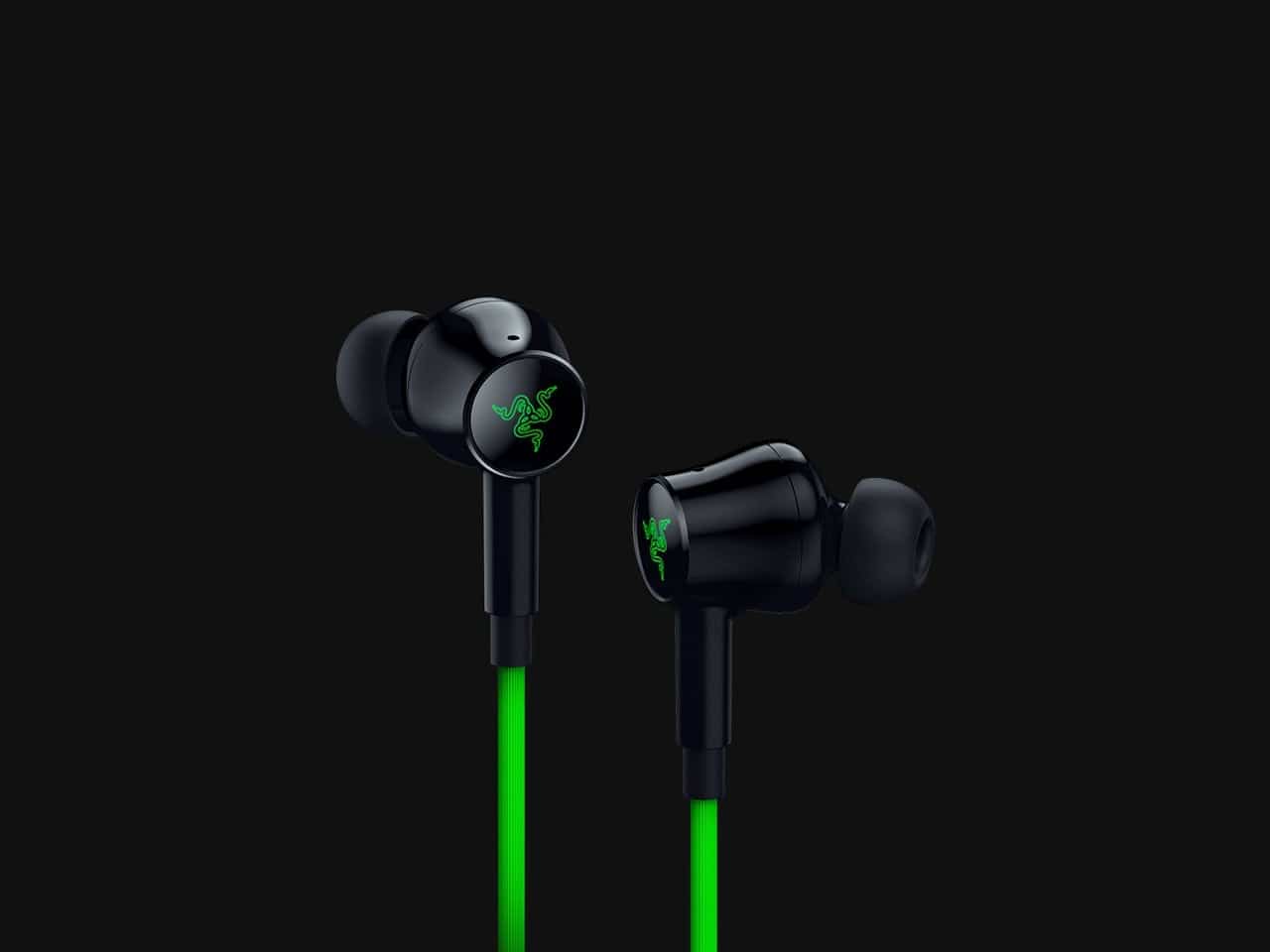
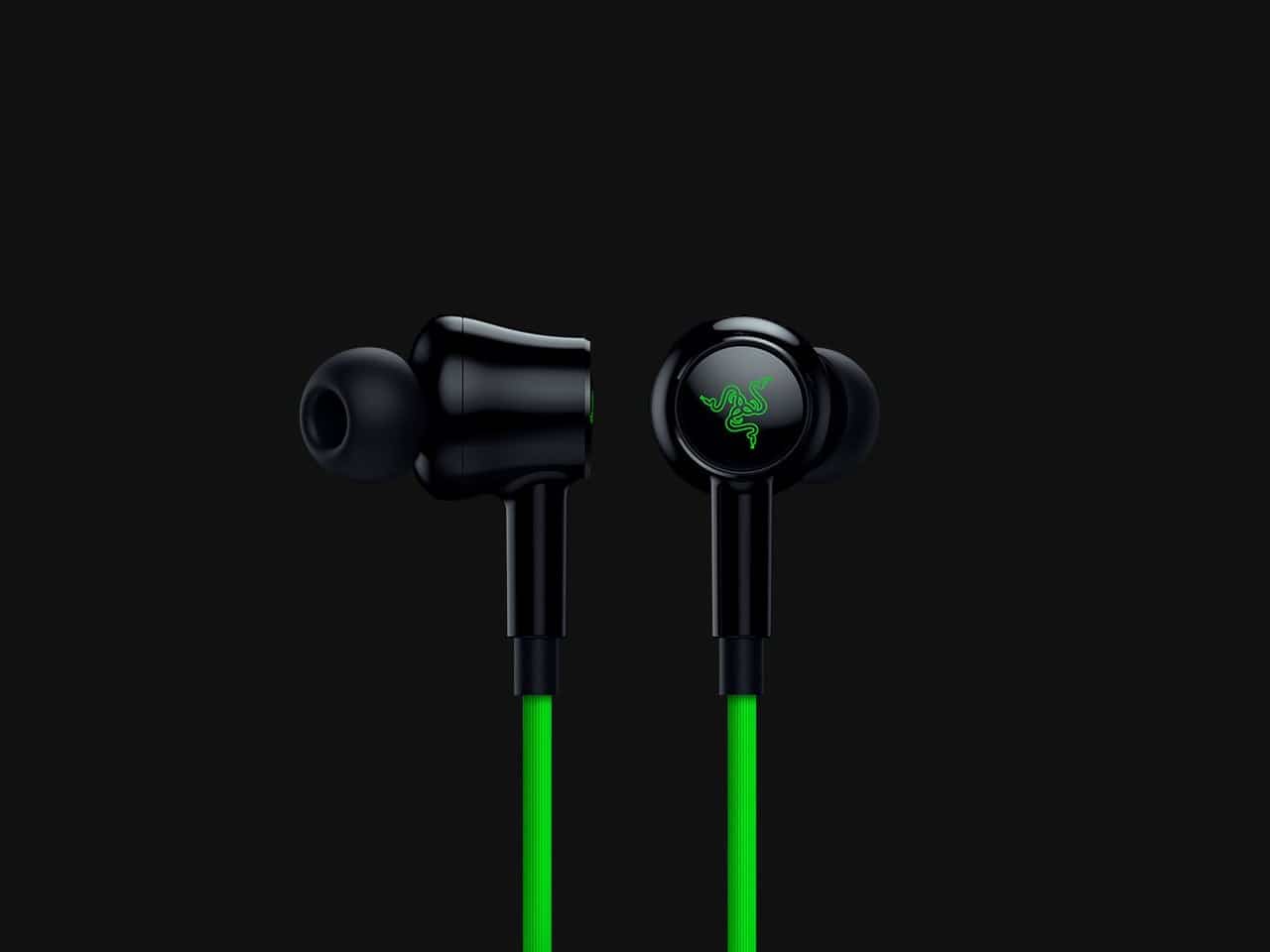
Subtlety was never the main character in Razer’s gaming accessories, and the Hammerhead V3 Chroma doesn’t suddenly decide to blend into the background. A bright green cable hangs from black earbuds, while circular outer caps display illuminated Razer logos.
The Chroma RGB system offers 16.8 million color options, giving users plenty of room to customize the visual effect. The glossy housings and short stems are relatively straightforward in shape, but the lighting makes the identity clear. These are gaming earbuds, not anonymous commuter buds hoping to pass unnoticed.
That bright styling may divide listeners. Some people will enjoy the unmistakable gaming look, while others might prefer something quieter for a bus ride or office desk. Still, the design is honest about its purpose. Even when playing music instead of a game, the earbuds carry the visual language of gaming hardware.
Two Drivers Aim for a Fuller Sound
Inside each earbud, a dynamic driver works with a dedicated tweeter. The two components divide the frequency range between lower and higher sounds, a setup designed to give the earbuds more room to handle bass, voices, effects, and music.
The Hammerhead V3 Chroma also includes feed-forward active noise cancellation. That feature is intended to reduce surrounding noise during a commute, in a shared room, or while gaming somewhere less than perfectly quiet. It brings a feature often associated with wireless earbuds into a wired design.
Still, the presence of a two-driver arrangement and ANC doesn’t automatically guarantee perfect sound. Hardware specifications offer possibilities rather than promises. Listening preferences vary, and the final experience depends on the device, software, fit, and the kind of content being played.
Razer provides four listening presets: Gaming, Music, Movies, and Call. Those modes are meant to shift the balance for different uses, whether you’re chasing positional details in a game, listening to a favorite album, watching a film, or trying to make conversation clearer.
There’s also a custom equalizer profile for listeners who prefer to shape the sound themselves. That option is welcome because no single tuning suits everyone. Some people want more low-end punch; others would rather keep vocals crisp and effects separated.
PC Features Add Another Layer
When connected to a PC, the earbuds gain THX Surround Sound 7.1 through Razer Synapse 4. That software-based feature is designed to create a broader surround presentation for compatible gaming and media use.
The important distinction is that this isn’t something the earbuds automatically provide in exactly the same way on every device. The USB-C connection may remain consistent, but the available features can change depending on where the earbuds are plugged in.
On a phone or handheld, users can rely on the core wired connection, available controls, ANC, microphone, and sound presets. On a PC, Razer’s software adds another layer of customization. It’s a useful reminder that USB-C audio doesn’t always mean every device delivers the same complete package.
IPX4 Protection, With Realistic Limits
The Hammerhead V3 Chroma carries an IPX4 rating, which provides protection against splashes and sweat. That makes the earbuds more suitable for everyday movement, a light drizzle, or a gaming session that becomes unexpectedly intense.
IPX4 doesn’t make the earbuds waterproof, though. They shouldn’t be treated like gear designed for heavy rain or submersion. The rating is best understood as practical protection for ordinary moisture rather than a license to take them swimming.
The cable remains the larger daily consideration. It may catch on clothing, pull against the connected phone, or become noticeable when you shift position. The angled USB-C connector improves the direction of the cable, but it can’t increase the distance between you and the device.
The Battery Trade-Off Is the Point
The Hammerhead V3 Chroma launched on November 5, 2026, at $79.99 in the United States. Its central trade is easy to understand: you give up wireless freedom and gain earbuds that don’t need charging.
That can be a worthwhile exchange for people who dislike battery management. There’s no charging case to remember, no earbud percentage to check, and no sudden silence because one side ran out of power first. Plug in, press play, and get on with it.
The USB-C port does create a different compromise. If it’s the only charging connection on your phone, using the earbuds occupies that port. You may need another solution if you want to charge the phone while listening.

So while the earbuds get the night off from charging, your phone doesn’t necessarily receive the same luxury. It’s a straightforward swap rather than a magical escape from power management.
In the end, Razer’s approach is less about pretending wires are better at everything and more about recognizing that wireless audio isn’t always the most convenient answer. For gamers, commuters, and listeners tired of keeping another tiny battery alive, the cable may feel less like a step backward and more like a dependable old friend with a USB-C upgrade.
FAQ
- What connection do the Razer Hammerhead V3 Chroma earbuds use?
They use a USB-C wired connection for audio and power. They do not use a traditional headphone jack. - Do the earbuds require charging?
No. Because they draw power through USB-C, the earbuds themselves don’t need a separate battery or charging case. - What does the 90-degree USB-C connector do?
The angled connector lets the cable run alongside the connected device, which can make handheld gaming more comfortable than using a straight plug. - Do the earbuds include active noise cancellation?
Yes. The Hammerhead V3 Chroma includes feed-forward active noise cancellation for reducing surrounding noise. - Are the earbuds waterproof?
They have an IPX4 rating for splashes and sweat, but they aren’t designed for submersion or heavy water exposure.
If the Hammerhead V3 Chroma’s colorful gaming aesthetic brings back memories of late-night sessions and favorite soundtracks, consider giving that feeling a place on the wall with a favorite album cover poster from Architeg Prints.
 | DISCOUNTGET 30% OFF*Use code on your next order:
|
* This post may contain affiliate links, meaning we earn a commission if you make a purchase through these links, at no additional cost to you.