Retro Radio Review: A 7-in-1 Escape From Phone Distraction


Retro Radio Review: A 7-in-1 Escape From Phone Distraction
Retro Radio brings AM/FM listening, Bluetooth, local playback, and emergency extras together in a compact $89 design made for keeping your phone out of reach.
A Small Case for Listening Without the Scroll
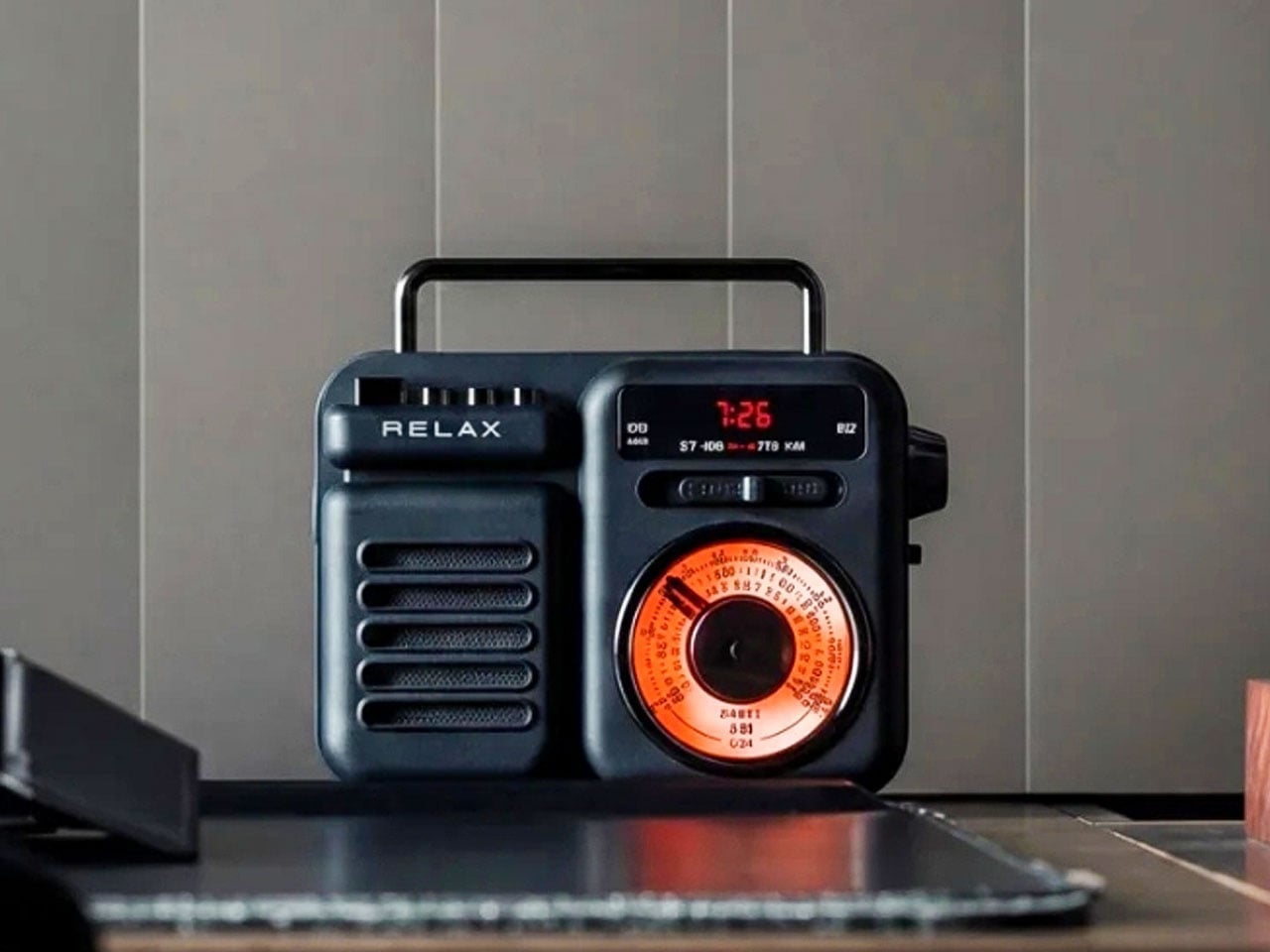
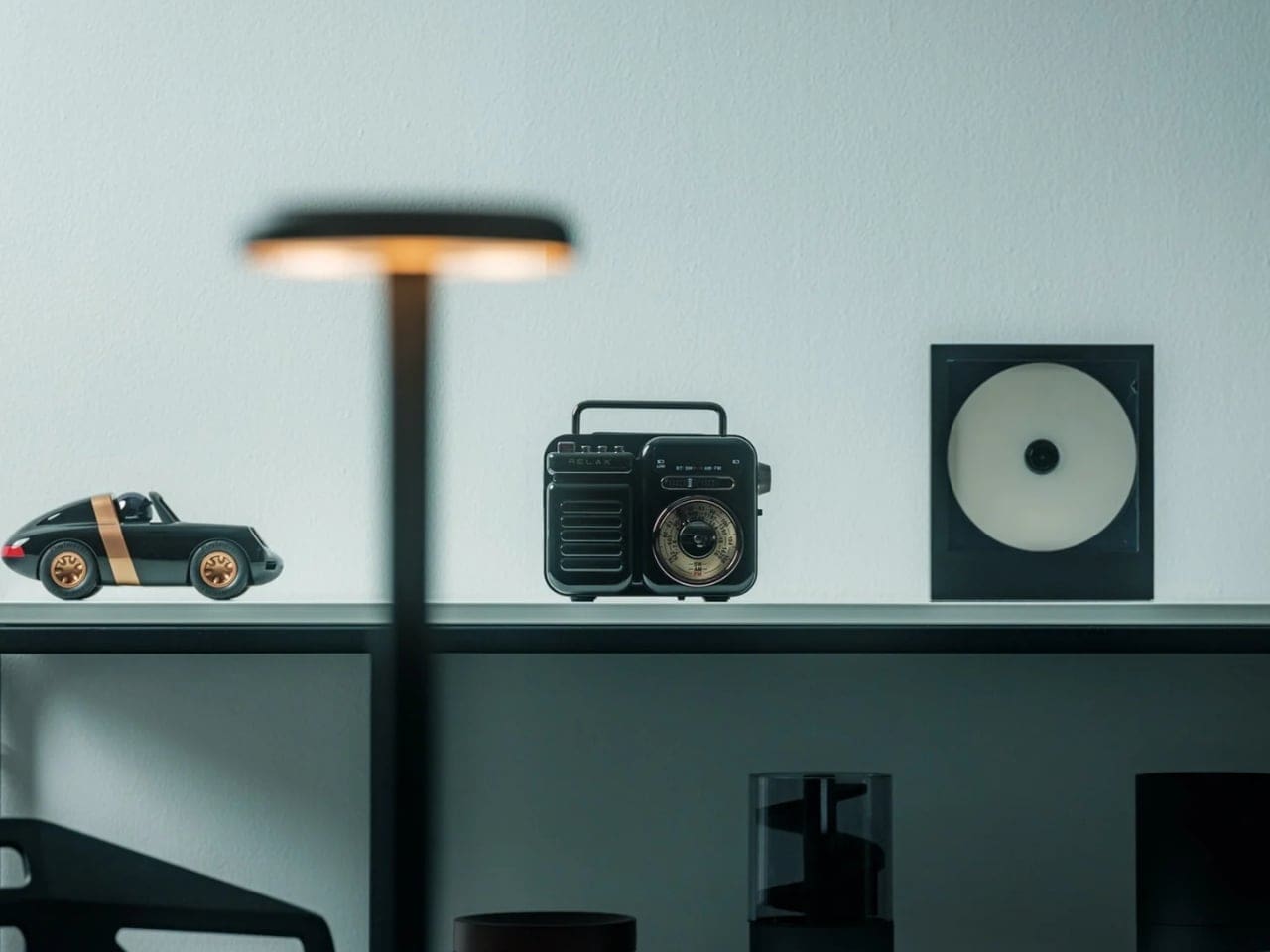
Sometimes the best way to enjoy music is to put the phone somewhere you can’t immediately grab it. The RetroWave 7-in-1 Radio makes that idea feel surprisingly practical, pairing old-fashioned tuning with modern playback features in a compact gadget built for everyday spaces.
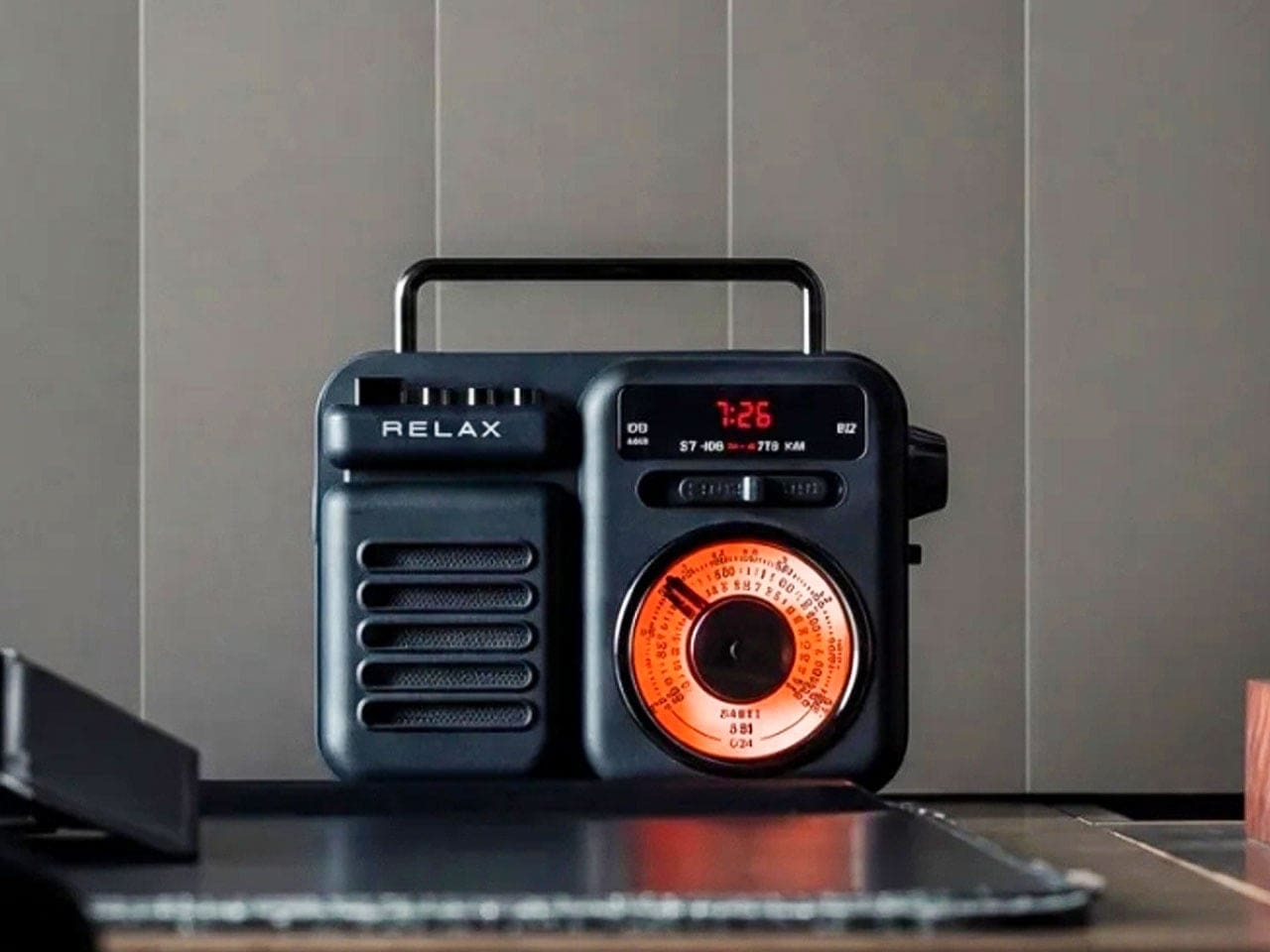
A tuning dial asks very little from you. Turn it, find a station, and leave it alone. There’s something almost luxurious about that simplicity now, especially when playing music usually means reaching for the same device that contains work email, notifications, messages, and an endless supply of distractions.
That separation is more interesting to me than nostalgia by itself. The RetroWave radio gives listening its own physical place in the room. You don’t have to unlock anything, swipe through an app, or accidentally spend twenty minutes reading something unrelated while choosing background music.
Modern Playback Meets Old-School Controls
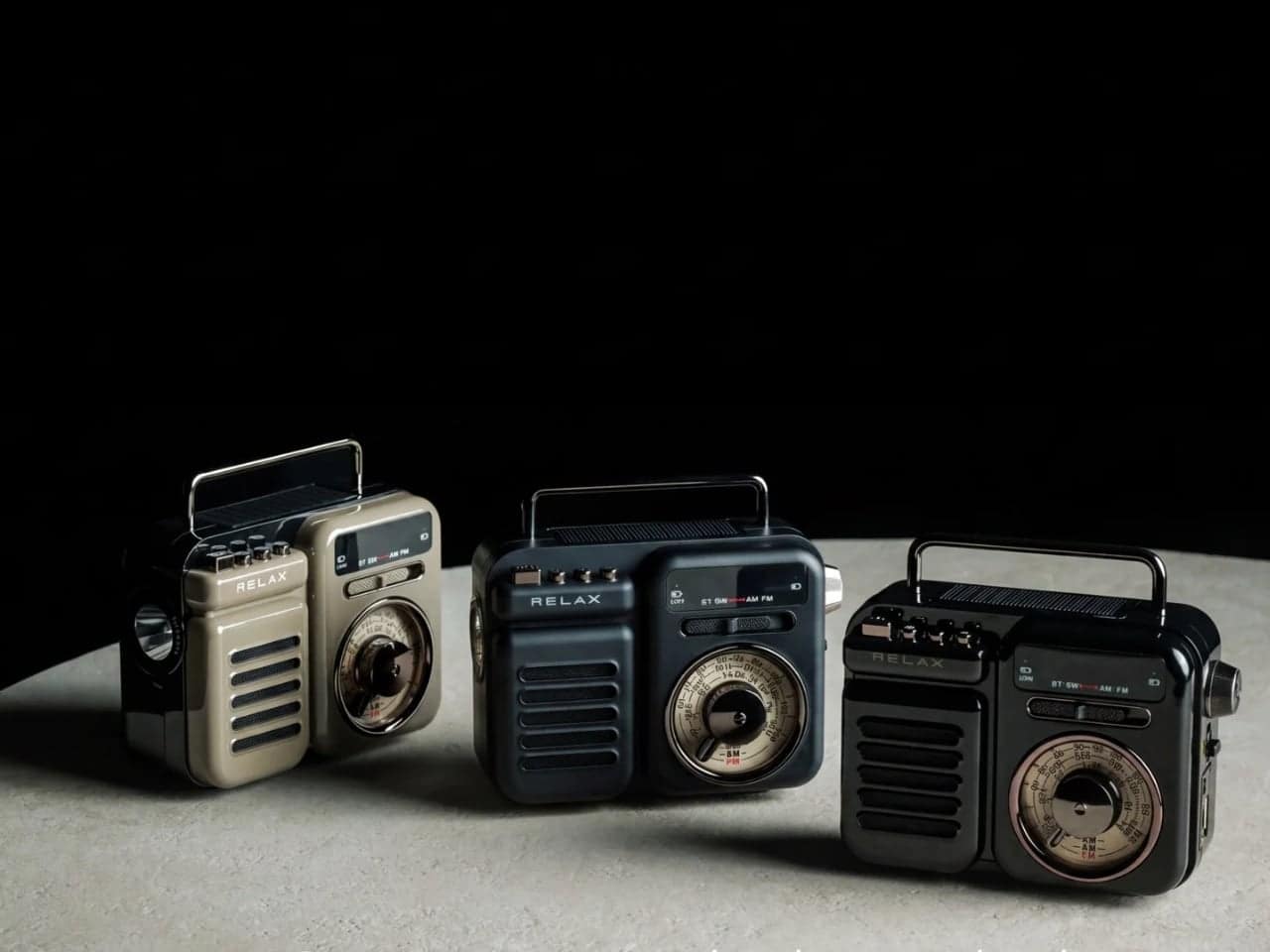
That retro radio charm doesn’t come at the expense of flexibility. Available for $89, the RetroWave 7-in-1 Radio combines AM, FM, and shortwave reception with Bluetooth connectivity and local file playback.
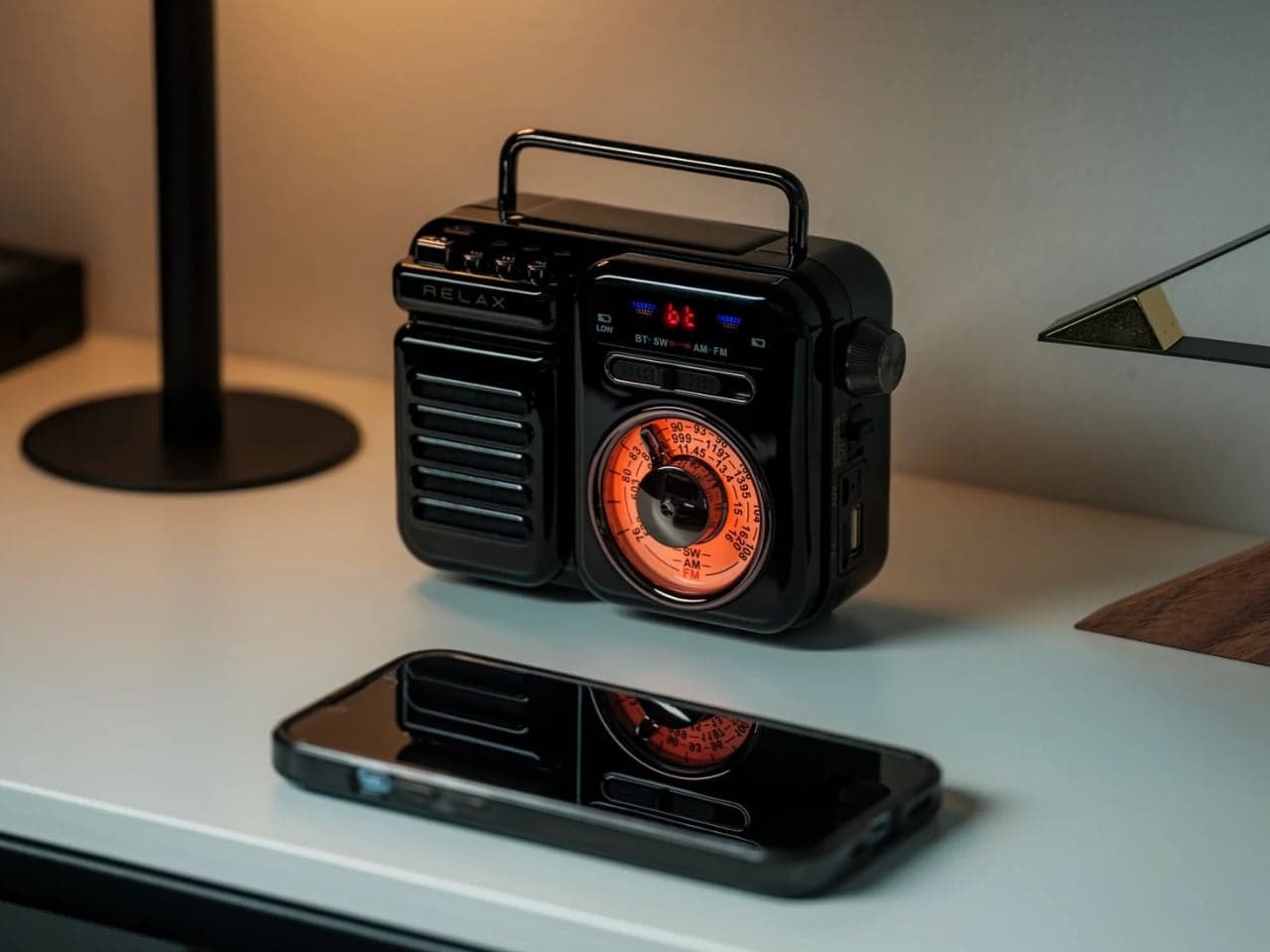
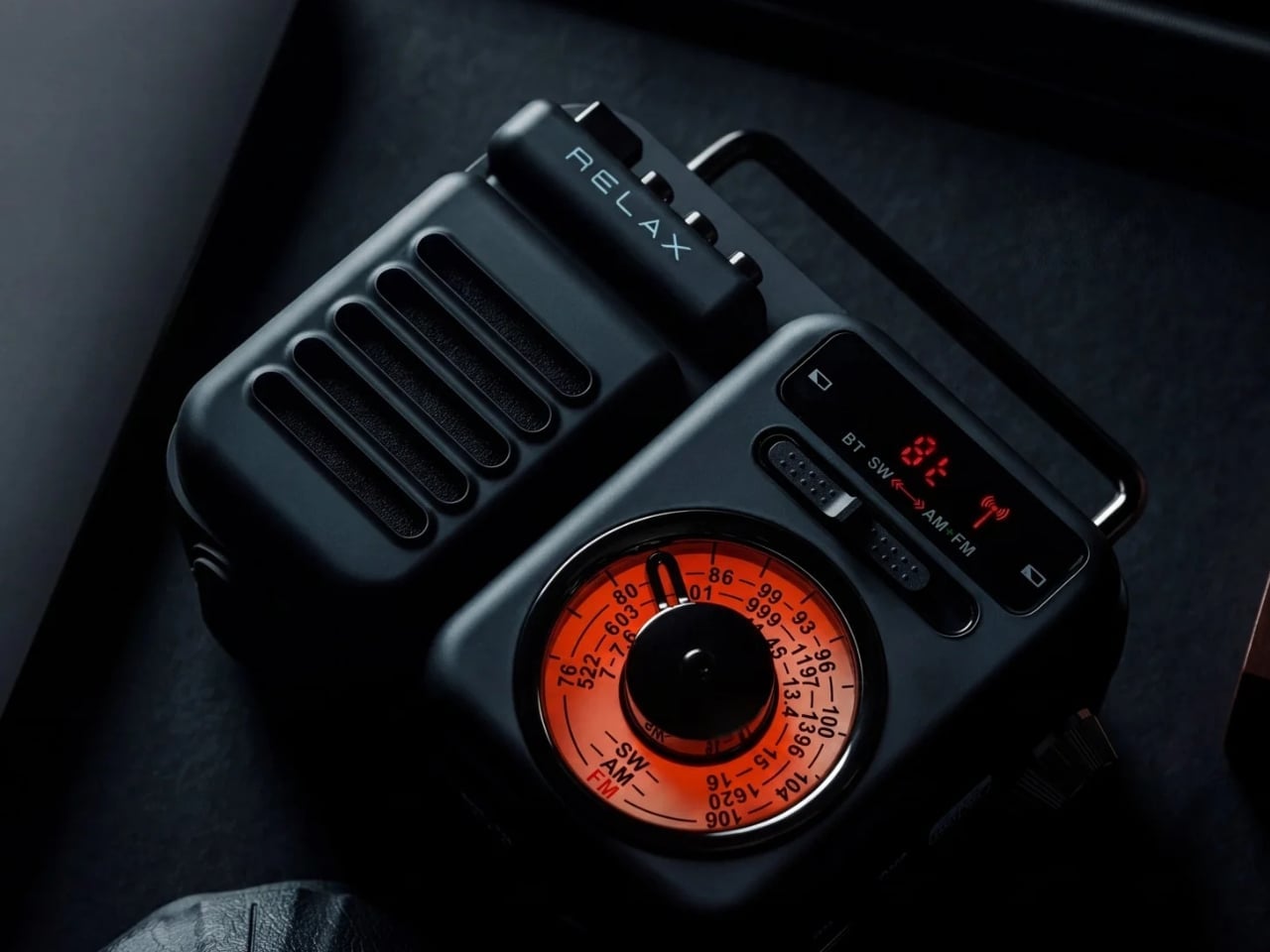
That combination is the real pitch. You can listen to broadcast radio when you want a little unpredictability, then switch to your own music when a particular album or playlist is calling your name. The radio doesn’t force you to choose between vintage character and contemporary convenience.
For anyone who enjoys the look of older electronics but doesn’t want to recreate every limitation of the past, that balance makes sense. You get a dedicated listening object, but your modern music library can still come along for the ride.
Why the Tuning Dial Still Matters
I like the decision to keep a physical tuning dial. Retro electronics don’t need to become awkward or inconvenient just to look nostalgic. The better idea is to preserve the controls that feel intuitive and purposeful.
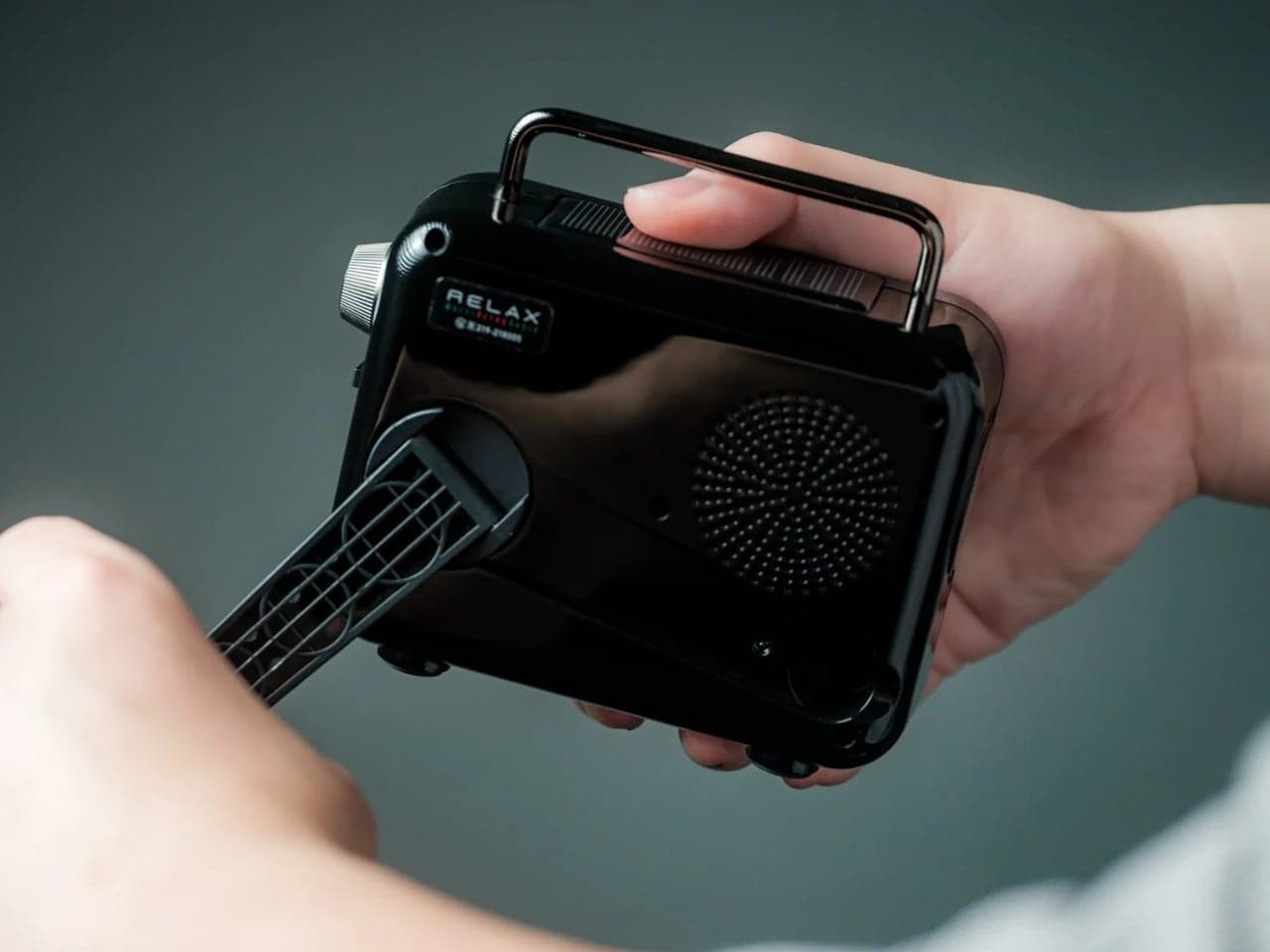
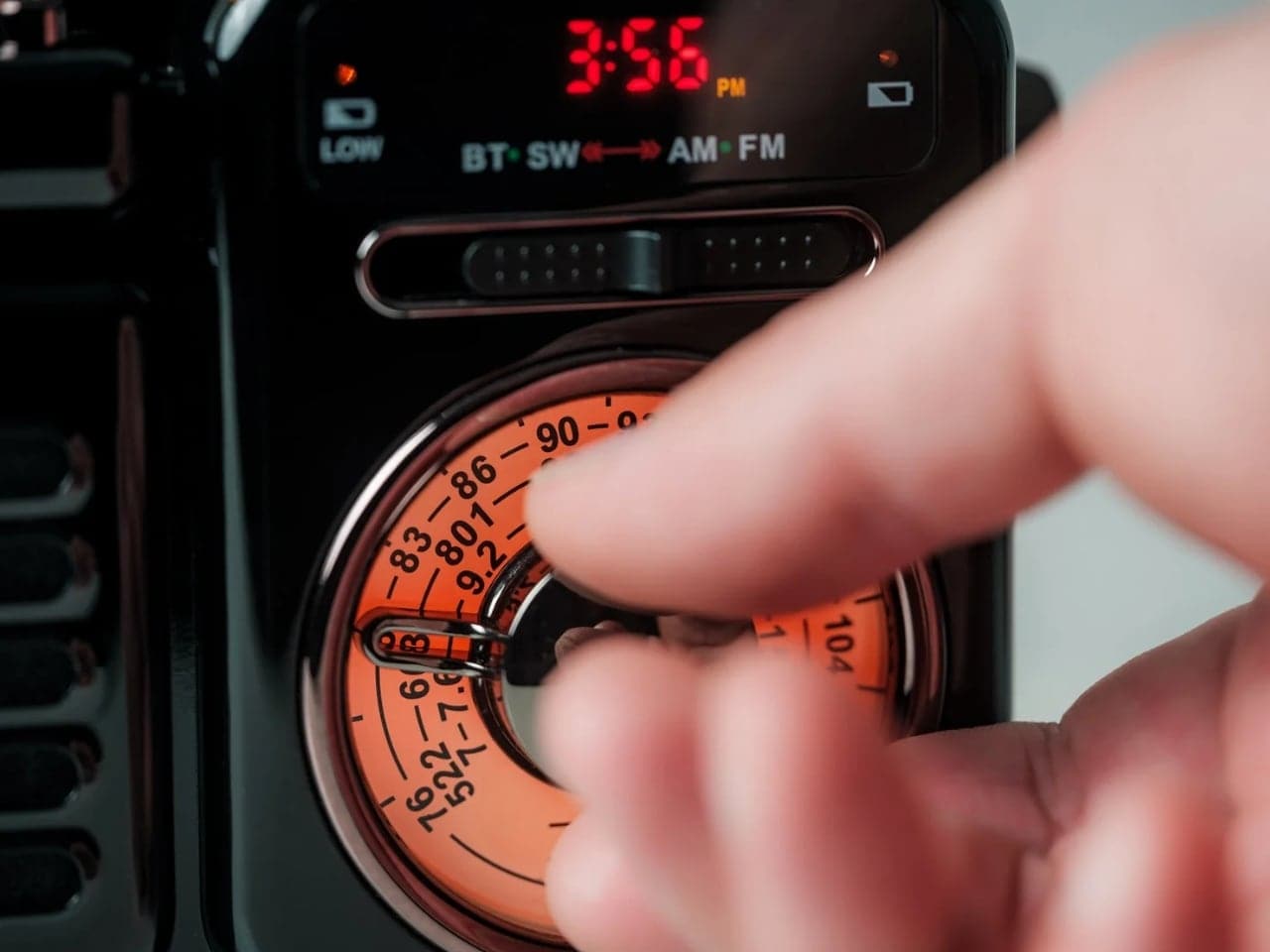
A dial gives you one clear task: find the station. Once you’ve done that, the interaction ends. No menus are waiting for you. No recommendation engine is nudging you toward something else. No tiny notification badge is quietly demanding attention from across the room.
You don’t have to romanticize the past to appreciate that kind of control. Sometimes an object is better because it lets you make one decision and then stop looking at it. That feels particularly refreshing in a world where nearly every device is eager to keep us engaged.
Compact Enough for a Shelf or Kitchen Counter
The RetroWave’s proportions reinforce its everyday character. The body measures approximately 5 × 2.2 × 3.9 inches and is made from ABS resin and iron.
That footprint suggests a desk, bedside table, kitchen shelf, or living room bookcase rather than a dedicated stereo system. It’s the sort of gadget that can quietly occupy a useful corner without demanding a full audio setup around it.
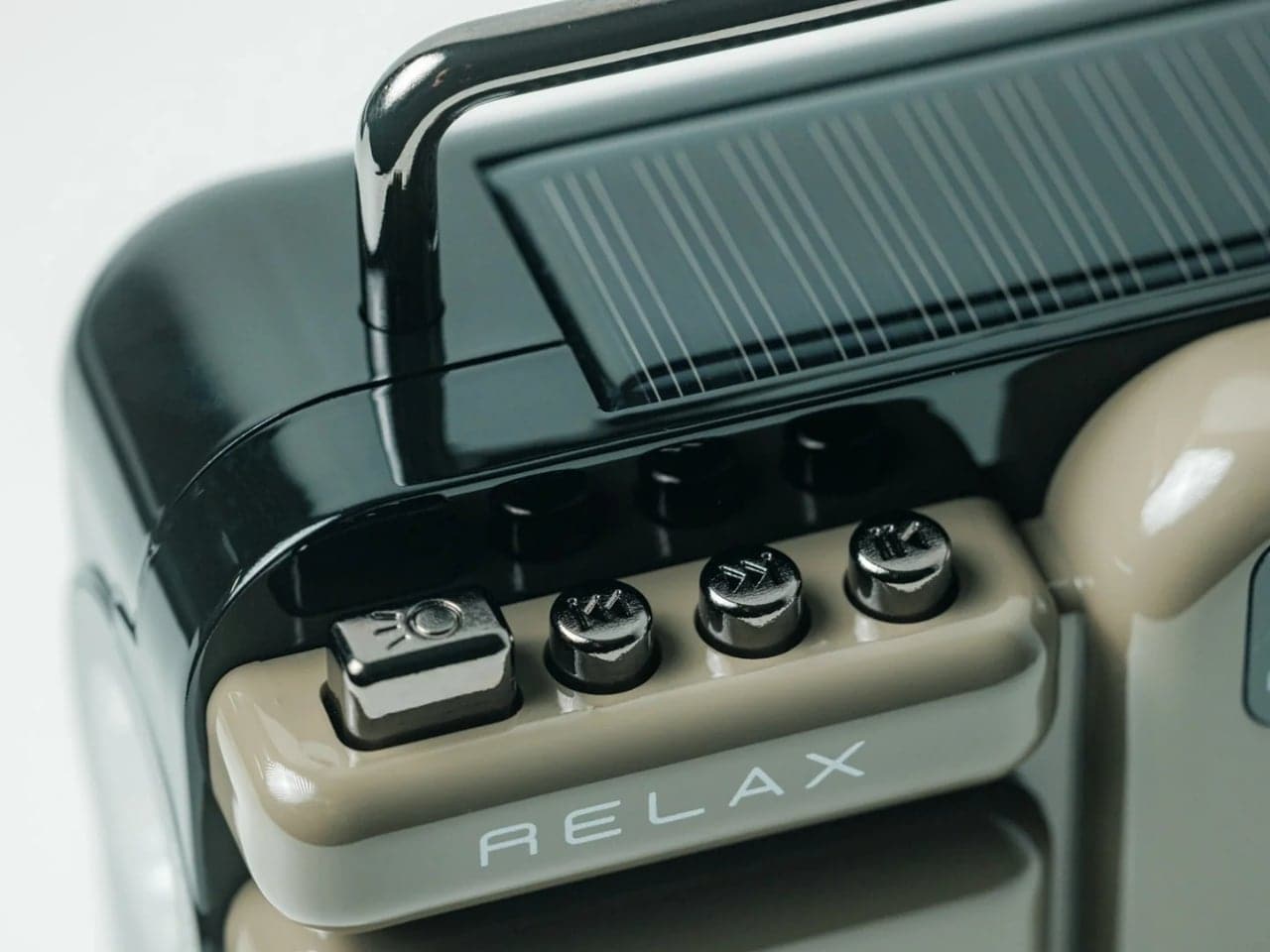
I’d think of it as an everyday gadget with nostalgic personality, not as a wooden heirloom cabinet or a replacement for collecting and restoring genuine vintage equipment. Those are separate pleasures. One is about using a convenient modern device with old-school styling; the other is about preserving history, dealing with quirks, and sometimes coaxing life back into a beautifully stubborn piece of hardware.
The RetroWave sits comfortably in the middle. It has enough character to avoid feeling disposable, but it’s designed to be used rather than admired from behind glass.
Bluetooth Keeps the Nostalgia From Becoming a Chore
Bluetooth is a sensible addition, even for listeners who love the retro aesthetic. Wanting an old-school radio doesn’t mean wanting someone else to decide every song you hear.
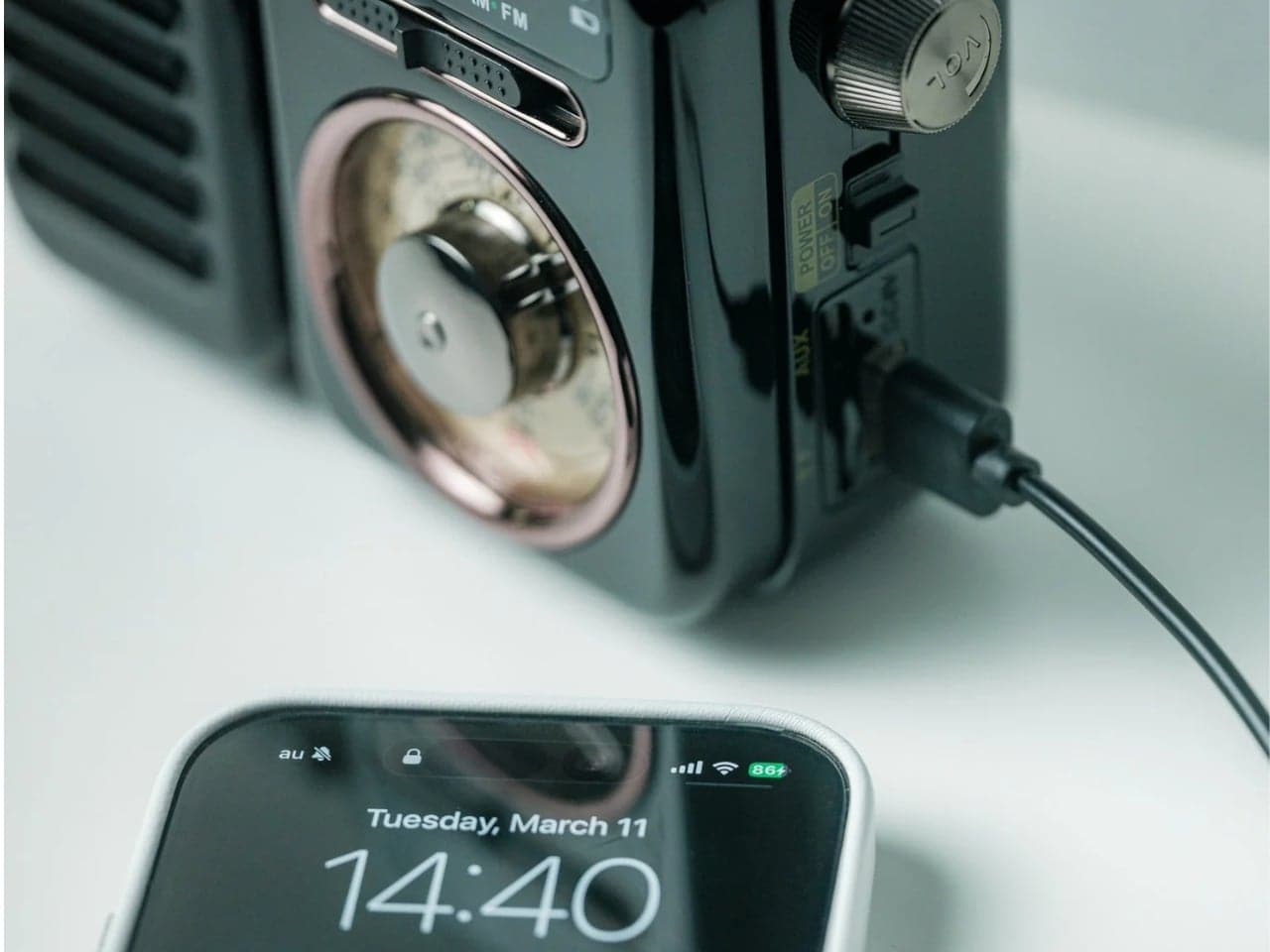
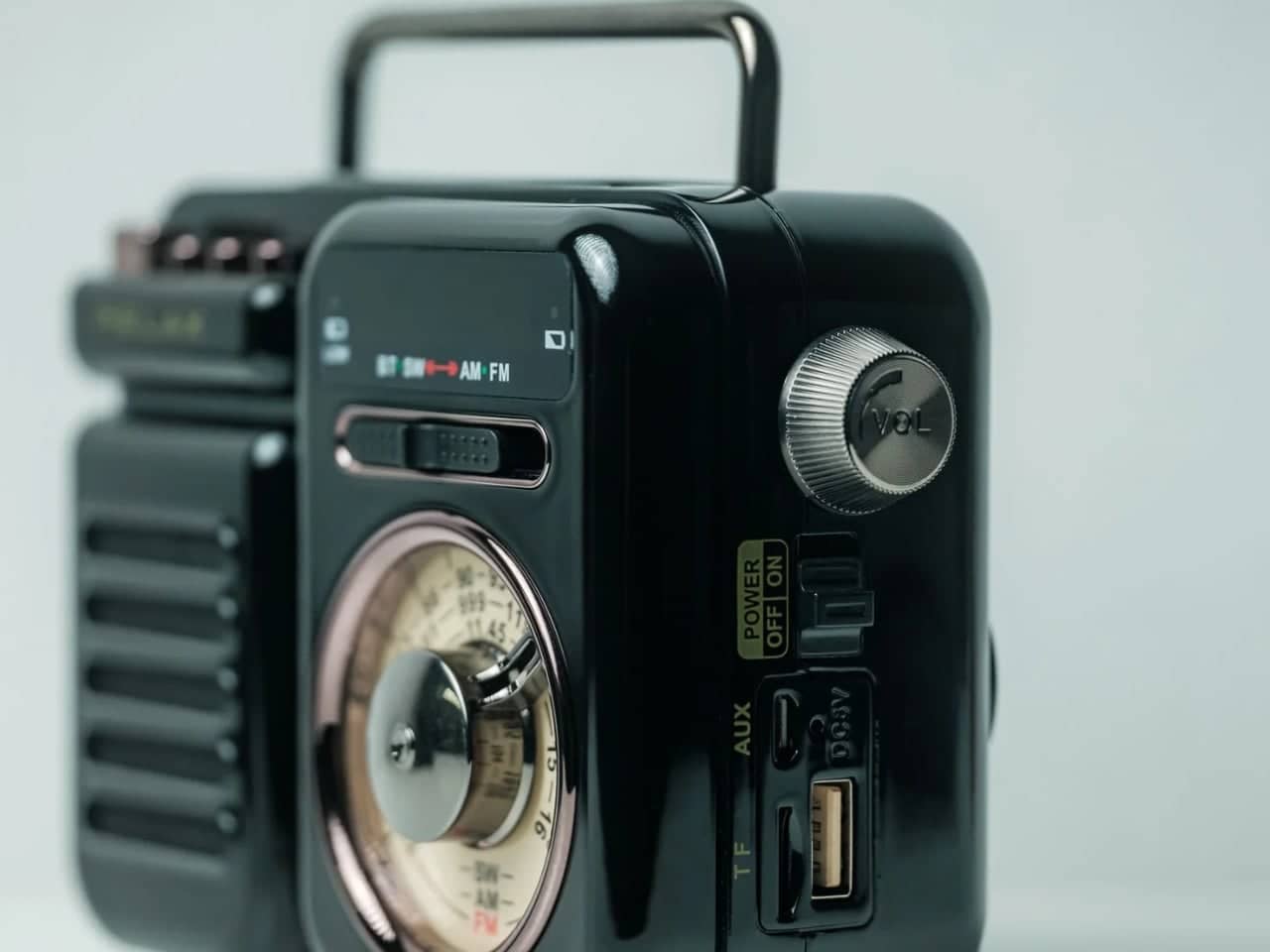
The radio also supports USB and microSD playback, allowing you to bring along local music without relying on your phone during every listening session. That gives the device a useful middle ground: it can play what you choose, but it can also offer the pleasant surprise of a broadcast station.
I’d much rather have those options than buy a decorative throwback whose commitment to the past becomes irritating by the second afternoon. Nostalgia is fun. Fighting with a device isn’t.
The Appeal of Letting Someone Else Pick the Next Song
Broadcast listening would be my main reason to consider the RetroWave. A playlist is useful when you know exactly what you want. Radio is more appealing when you don’t.
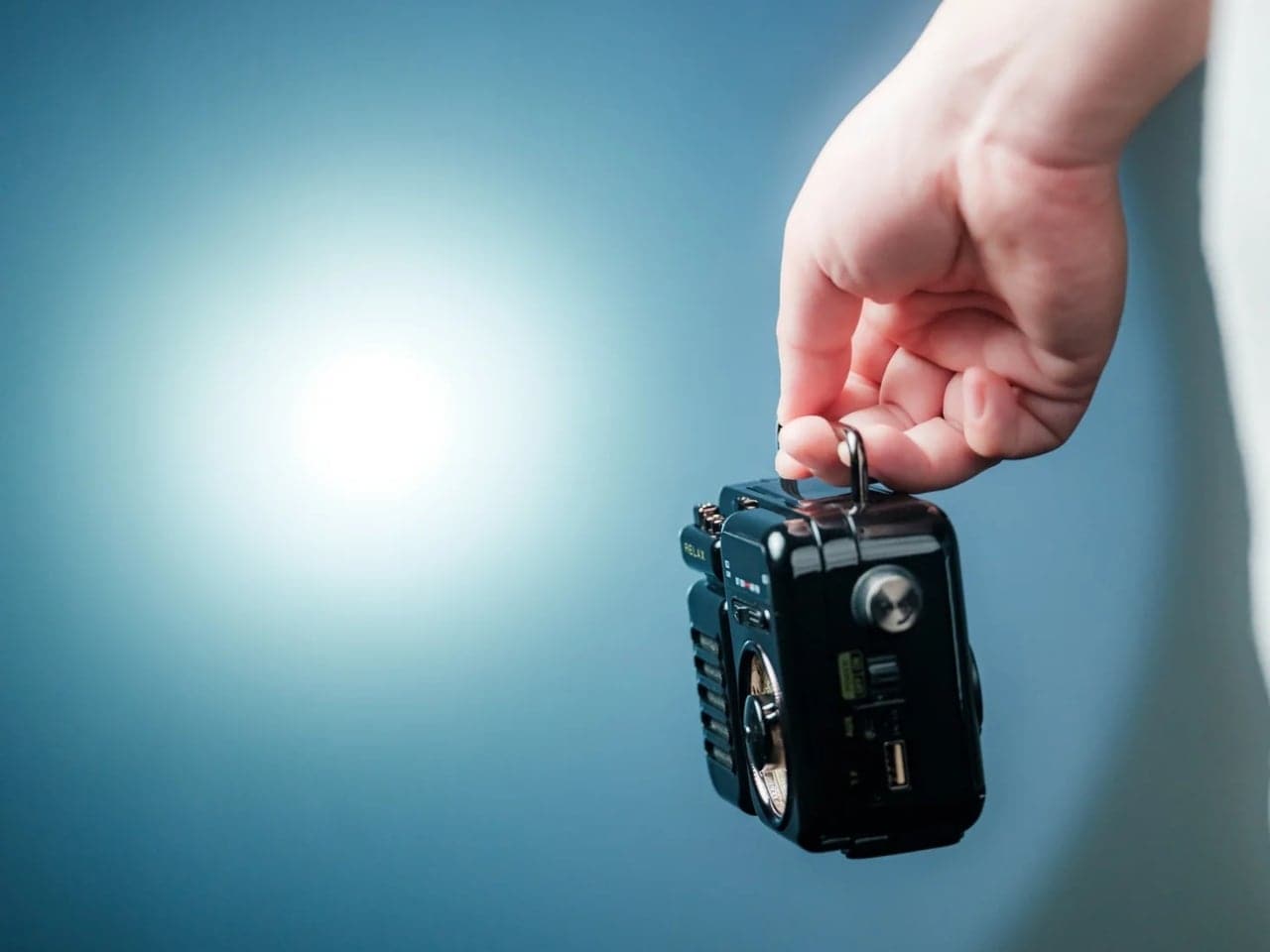
There’s a particular pleasure in letting a station set the mood. A DJ chooses the next song, the sequence moves along without your input, and you’re free to cook, work, read, or simply sit there without managing the soundtrack.
That small surrender of control can feel surprisingly welcome. Background music doesn’t always need to become another task. Sometimes it’s enough to turn a dial, hear what’s playing, and let the room carry on.
Seven Functions, With a Few Sensible Limits
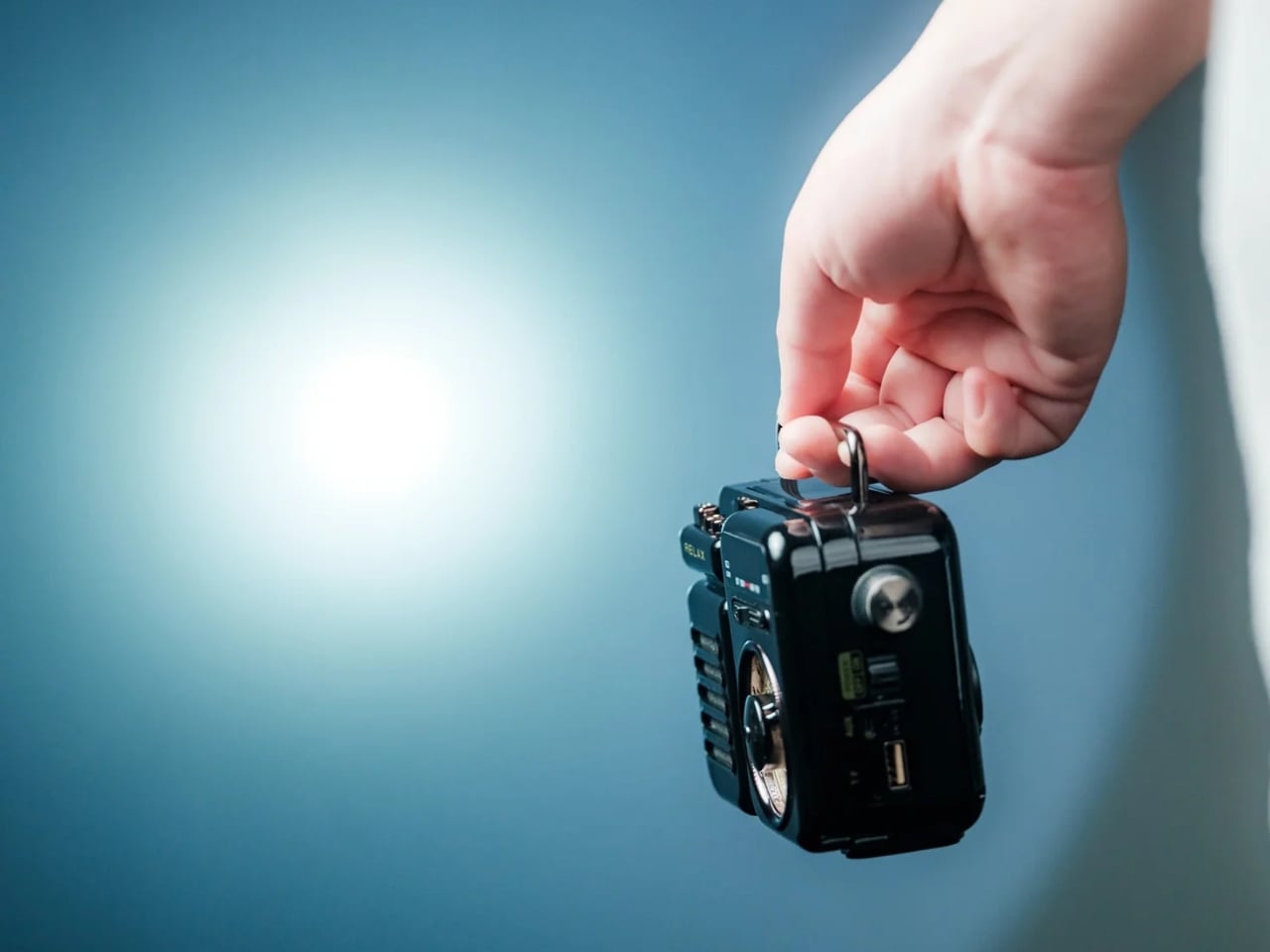
The less romantic part of the seven-in-one label is the collection of backup features. Alongside its radio and playback functions, the RetroWave includes an LED flashlight, clock, SOS siren, and power-bank function.
I’m usually a little suspicious when a charming object starts accumulating job titles. A radio becomes a flashlight, then a clock, then an emergency device, and suddenly the product description reads like it’s trying to win a talent contest.
Still, the logic works here. A radio you use regularly has a better chance of being within reach when the lights go out than one that has disappeared into a drawer. Familiarity matters during a power interruption, particularly when you don’t want to search around for a device you rarely touch.
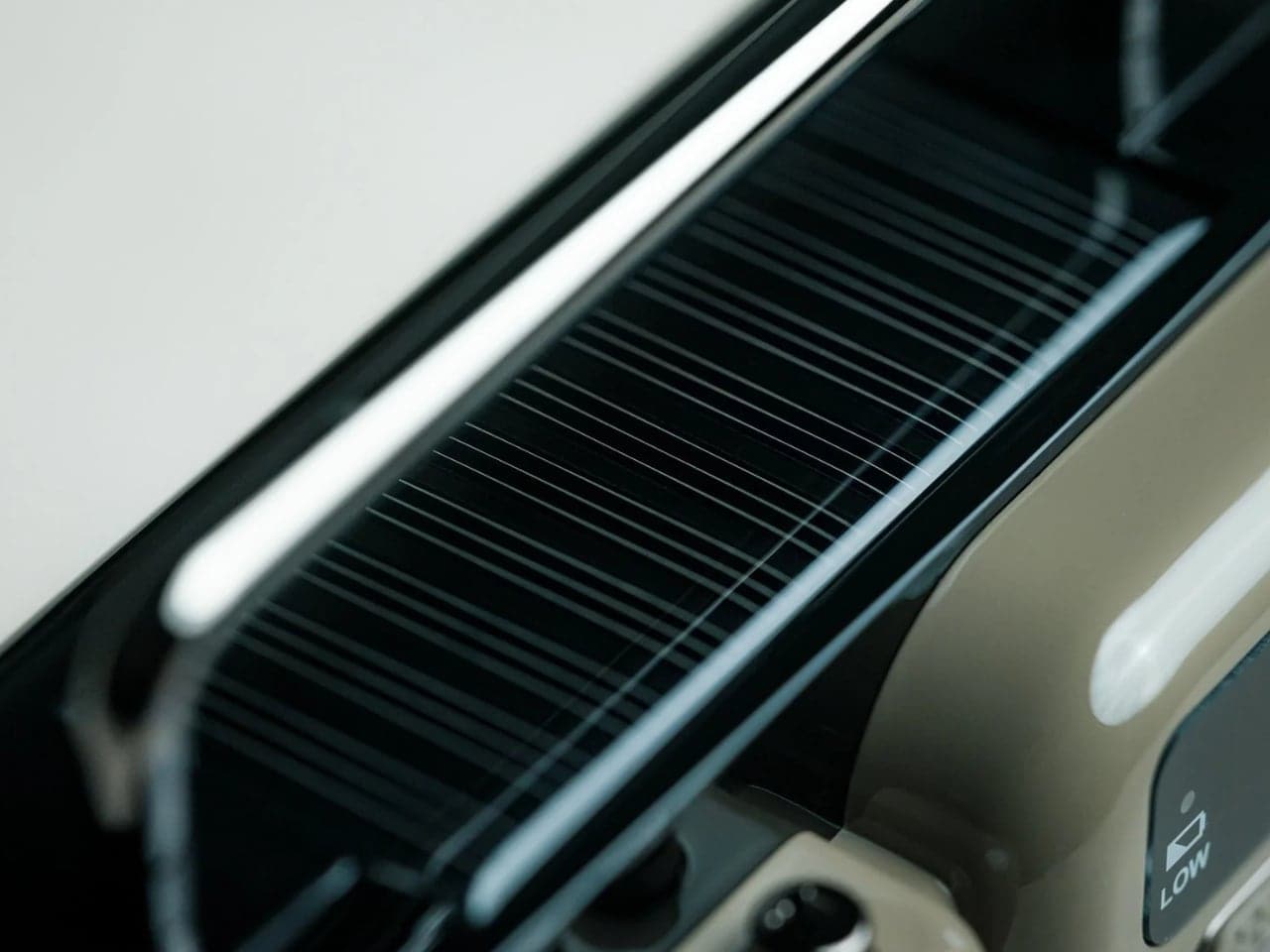
That said, the backup features shouldn’t be mistaken for a complete emergency kit. USB is the primary charging method. The hand crank is intended for emergencies, while solar charging is described as supplemental. I wouldn’t purchase it expecting sunlight to replace a charging cable.
The built-in 2,000mAh battery also calls for modest expectations. It may provide useful backup power, but it shouldn’t be treated as a guarantee that you can fully recharge a smartphone whenever you need to. These extras support the radio; they don’t transform it into a full-size power station.
The Everyday Experience Matters Most
For my money, those secondary functions should support the purchase rather than drive it. I’d want to enjoy using the radio on an ordinary Tuesday, not simply keep it around for a hypothetical emergency.
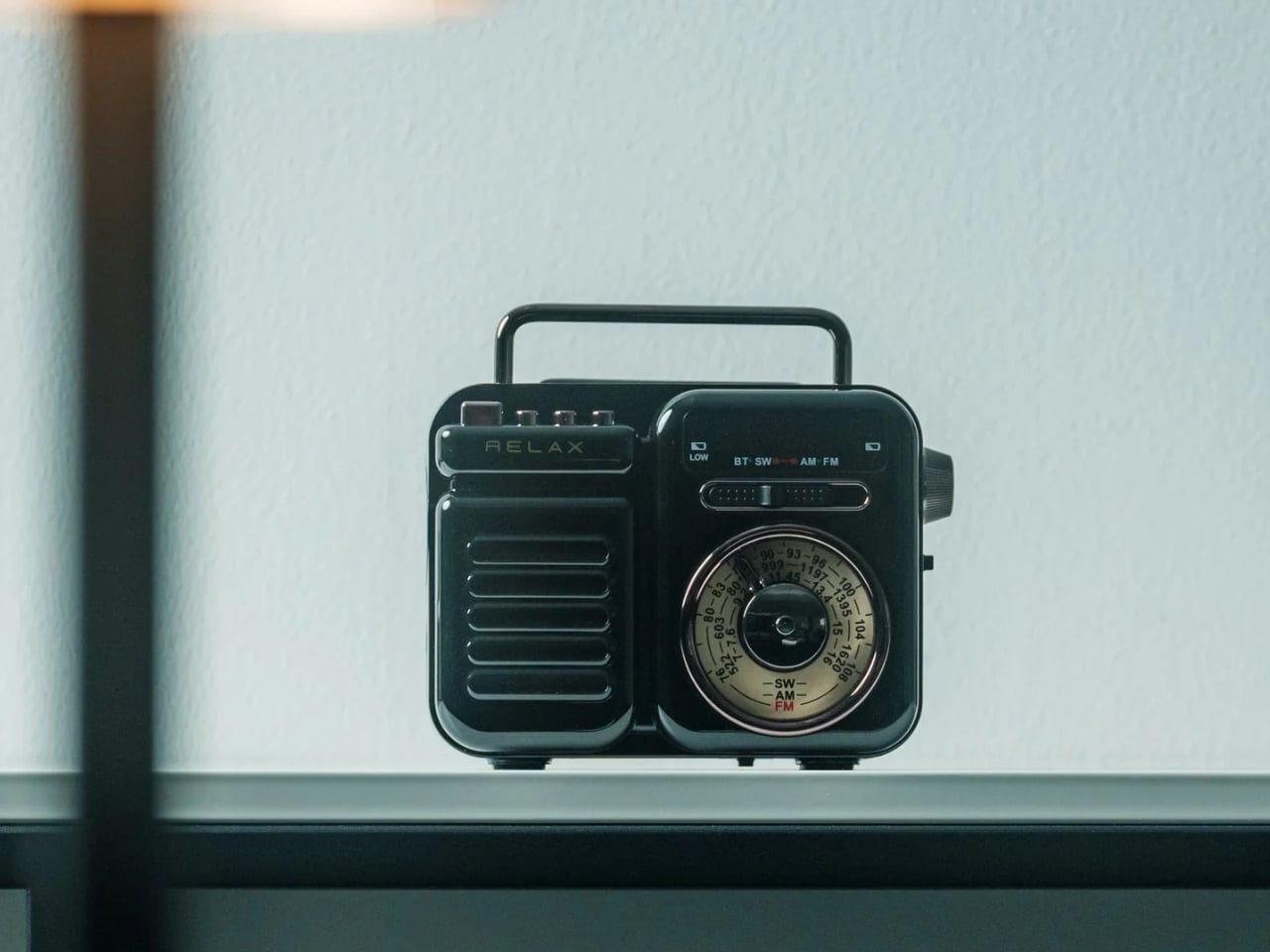
That distinction is important with multipurpose gadgets. A long list of features can look impressive, but the central experience still has to hold up. In this case, the main attraction is the mix of physical controls, radio reception, personal playback, and retro styling. The flashlight and power-bank functions are useful bonuses.
Sound quality and reception are the areas a specification sheet can’t settle. Without hands-on testing, I wouldn’t recommend the RetroWave based on promises of rich audio or exceptional signal pickup. Those qualities depend on real-world performance, and the available details don’t establish them.
The stronger case is broader. You want the radio controls, the playback flexibility, the small footprint, and the retro character working together. A feature count alone wouldn’t convince me, but the overall idea has appeal.
A Dedicated Music Object for a Distracted Age
For a retro lover, that combination is the point. You can enjoy a dedicated music object without turning every listening session into an exercise in historical accuracy.
The RetroWave doesn’t ask you to give up Bluetooth, USB playback, or microSD support. It simply offers another way to listen—one that feels more deliberate and a little less tied to the glowing rectangle we carry everywhere.
I’d be most interested in leaving the RetroWave 7-in-1 Radio on a shelf where it actually gets used, with a station already selected and my phone resting somewhere else. That sounds like a small change, but small changes are often the ones that stick.
The RetroWave 7-in-1 Radio is most appealing as a practical retro radio with modern flexibility, rather than as a perfect replica of vintage equipment or a replacement for serious emergency gear. Its strongest feature may be the simplest one: it gives music its own space in the room. Would you leave your phone in another room if the radio was already playing?
FAQ
- What features does the RetroWave 7-in-1 Radio include?
It includes AM, FM, and shortwave radio reception, Bluetooth, USB and microSD playback, an LED flashlight, a clock, an SOS siren, and a power-bank function. - How much does the RetroWave radio cost?
The radio is listed at $89. - Can the RetroWave play music without a phone?
Yes. USB and microSD playback allow you to play local music files without connecting a phone. It also receives broadcast radio. - Is the RetroWave a complete emergency power device?
No. Its emergency functions are supplementary. USB is the primary charging method, hand-crank charging is intended for emergencies, and solar charging is described as supplemental. - What is the RetroWave radio’s battery capacity?
The radio has a 2,000mAh battery, so expectations for charging a smartphone should remain modest.
If the charm of dedicated listening still has a place in your home, browse our favorite album cover posters for a warm, music-inspired companion to your new radio setup.
 | DISCOUNTGET 30% OFF*Use code on your next order:
|
* This post may contain affiliate links, meaning we earn a commission if you make a purchase through these links, at no additional cost to you.