Sony MDR-3R Headphones Bring Walkman Nostalgia to Wired Audio


Sony MDR-3R Headphones Bring Walkman Nostalgia to Wired Audio
Sony MDR-3R headphones revive the warm sound, bold colors, and unmistakable design language of the original Walkman era for today’s wired-audio fans.
A Familiar Walkman Feeling, Reimagined
There’s something wonderfully tactile about wired headphones. No pairing menu, no battery warning, and no notification asking whether you would like to connect. You simply plug in, press play, and let the music take over. The Sony MDR-3R headphones lean directly into that feeling, reviving the visual language and character of the Walkman era for a new generation of listeners.
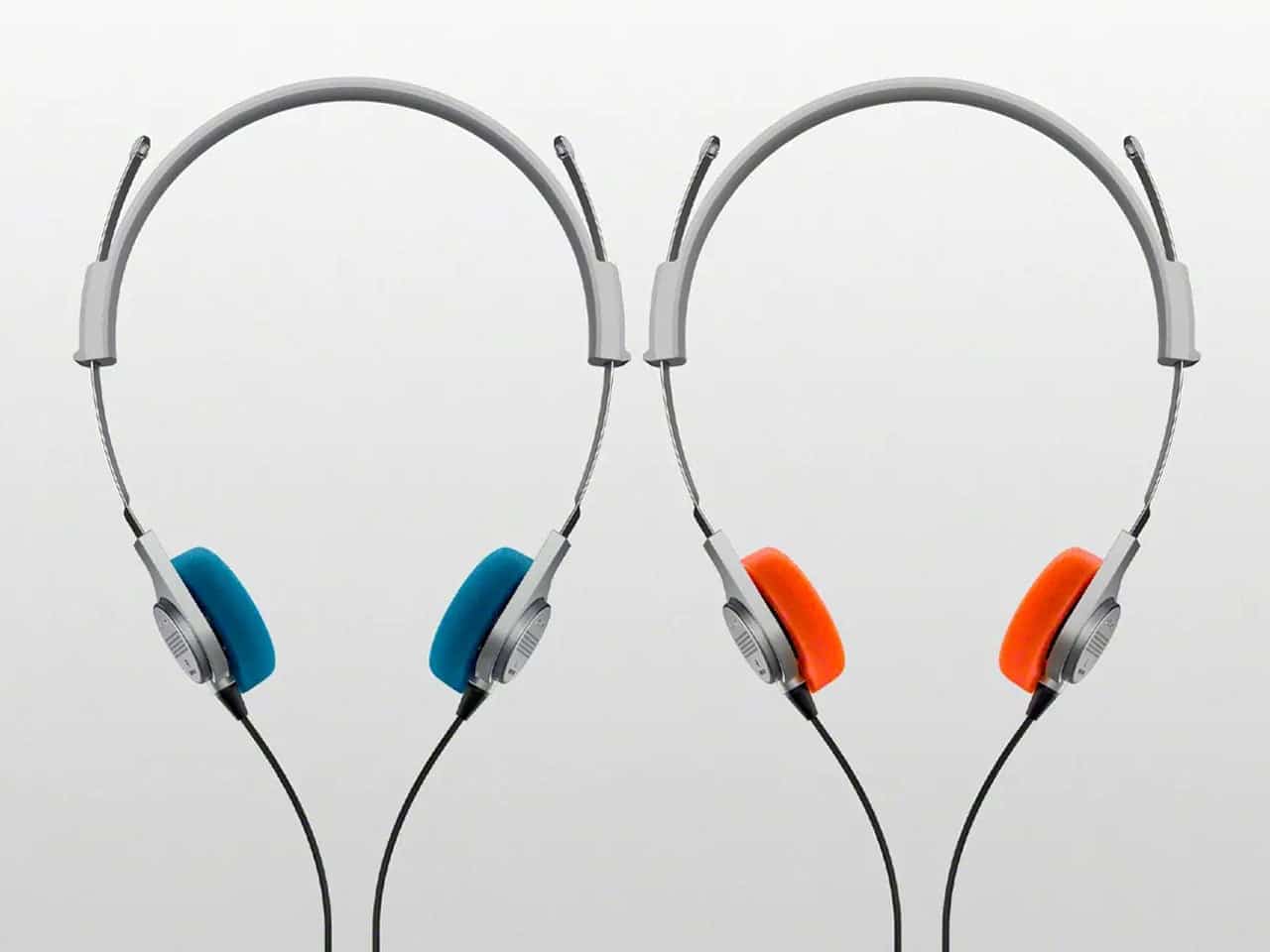
The design draws inspiration from Sony’s original Walkman headphones, which first appeared more than four decades ago. The earliest version debuted in 1981, and the new model was developed with the original design drawings in mind. That detail matters because the MDR-3R is not simply another retro-styled product with a few vintage colors added to its exterior. Its proportions, metal headband, earcup shape, and overall silhouette are intended to feel remarkably close to the classic design.
For anyone who remembers portable cassette players, the effect is immediate. These headphones look as if they have stepped out of an old electronics catalog, brushed off a little dust, and wandered into the present day.
The Sound Is Part of the Nostalgia
The visual throwback is only half the story. Sony has also brought back the same 23mm dynamic driver used in the original headphones, with the goal of reproducing their familiar sound signature.
That means the MDR-3R headphones focus on a balanced, warm presentation rather than an aggressively bright or overly bass-heavy profile. Natural vocals and emotional richness sit at the center of the experience. It is the kind of tuning that can make a familiar song feel slightly softer around the edges, like an old cassette played so many times that the music has become part of the tape itself.
For audiophiles who spend their time comparing headphones, managing expensive equipment, and searching for the perfect sonic balance, the MDR-3R offers a charming reminder of where portable listening began. Before music libraries lived in the cloud and every listening session involved a settings panel, there was simply a player, a cassette, and a pair of lightweight headphones.
That simplicity has its own appeal.
Classic Details With Modern Controls
The retro styling may be the headline, but Sony has not treated the MDR-3R as a museum piece. The headphones include a built-in microphone for calls and an in-line remote control that can be used to manage calls, music playback, and podcasts.
That combination gives the design a foot in both eras. The exterior says “early portable audio,” while the controls acknowledge how people actually listen today. A listener can move from a favorite album to a podcast or answer a call without reaching for the connected device every time.
It is a small but useful update, and it keeps the headphones from feeling like a purely decorative nostalgia exercise. The MDR-3R headphones are meant to be worn, carried, and used—not placed behind glass next to a vintage cassette player.


Blue, Orange, and a Very Specific Kind of Cool
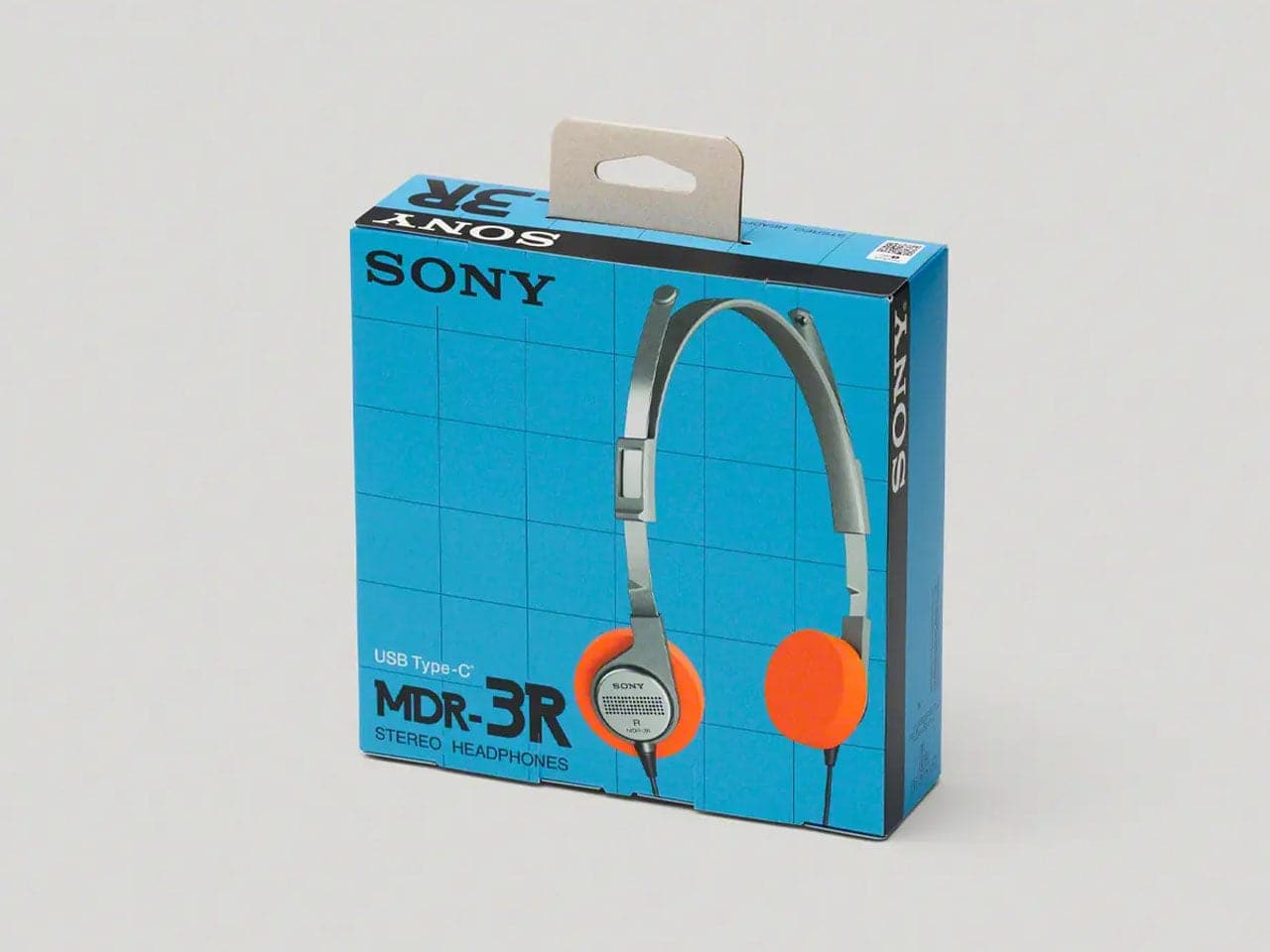
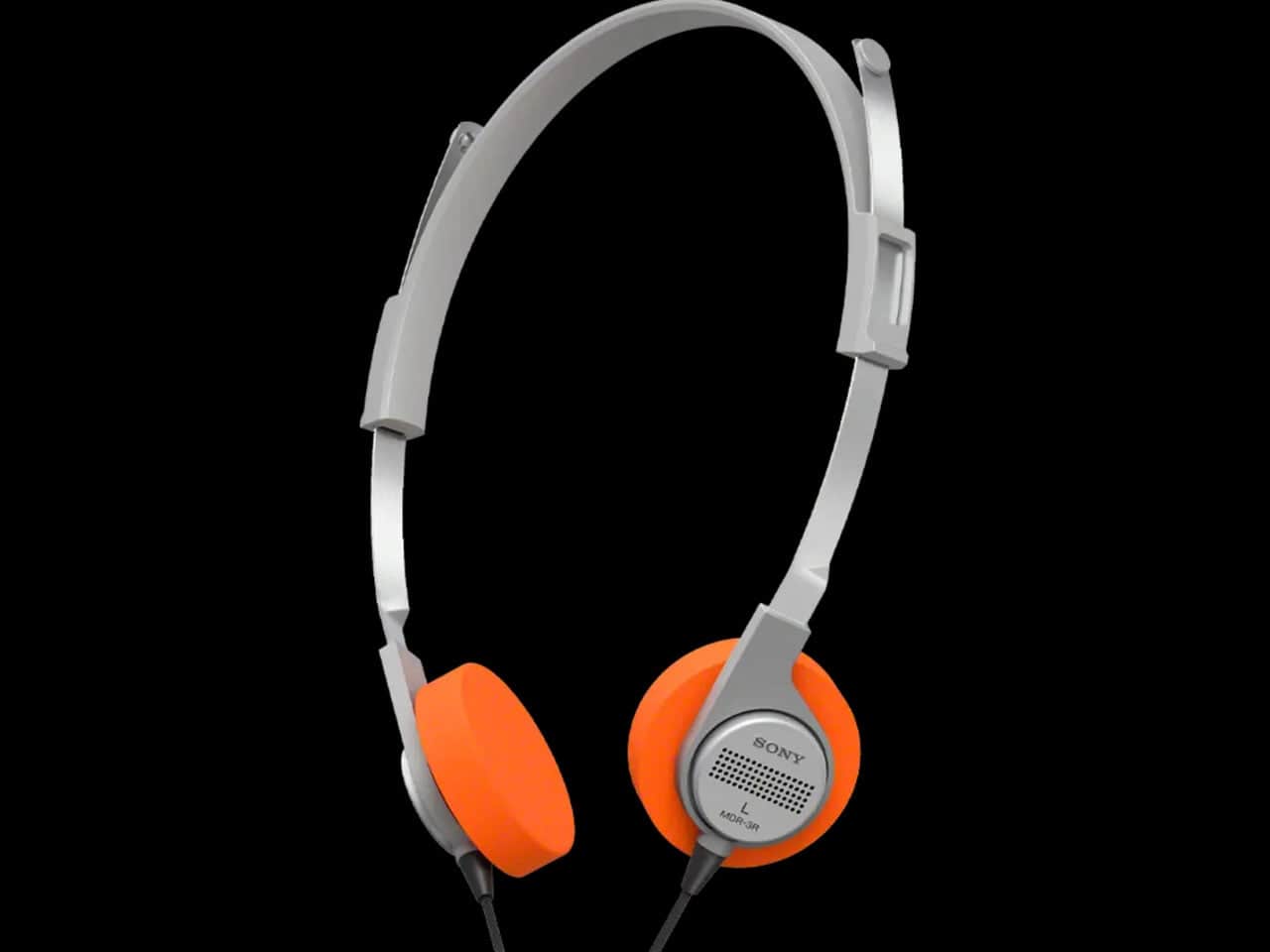
The original Walkman-era personality comes through most clearly in the colorful earpad accents. The headphones arrive with iconic blue and orange earpads, allowing listeners to customize the appearance while keeping the retro identity intact.
Those colors are not subtle, and that is precisely the point. They add a playful flash of personality to a product category that often defaults to black, white, or muted gray. The MDR-3R feels more like an accessory than a generic piece of audio equipment—something you might choose because it says a little about your taste.
The small design details help sell the illusion, too. The metal headband and holes across the outer driver casing echo the original construction. Even the packaging and instruction manual are designed to transport users back to the golden era of portable music.
That attention to the surrounding experience is especially effective. Nostalgia rarely comes from one feature alone. It comes from the whole package: the shape, the colors, the printed materials, and the tiny visual cues that make you think of a particular time before you have even heard a note.
Light Enough for Everyday Listening
Despite its substantial-looking design, the headphones weigh only 38 grams. That makes them 2 grams lighter than the original model, a modest improvement that could make a noticeable difference during longer listening sessions.
At that weight, the MDR-3R headphones are positioned as an easy everyday companion. They are light enough to carry around without turning a bag into a burden, and the over-ear format keeps the design visually connected to its predecessor.
Lightweight construction is also part of what made the original Walkman experience so appealing. Portable audio worked best when it did not feel like a chore to bring along. The new MDR-3R continues that idea, pairing a nostalgic shape with a practical, featherweight build.
USB-C Makes the Old-School Design Easier to Use
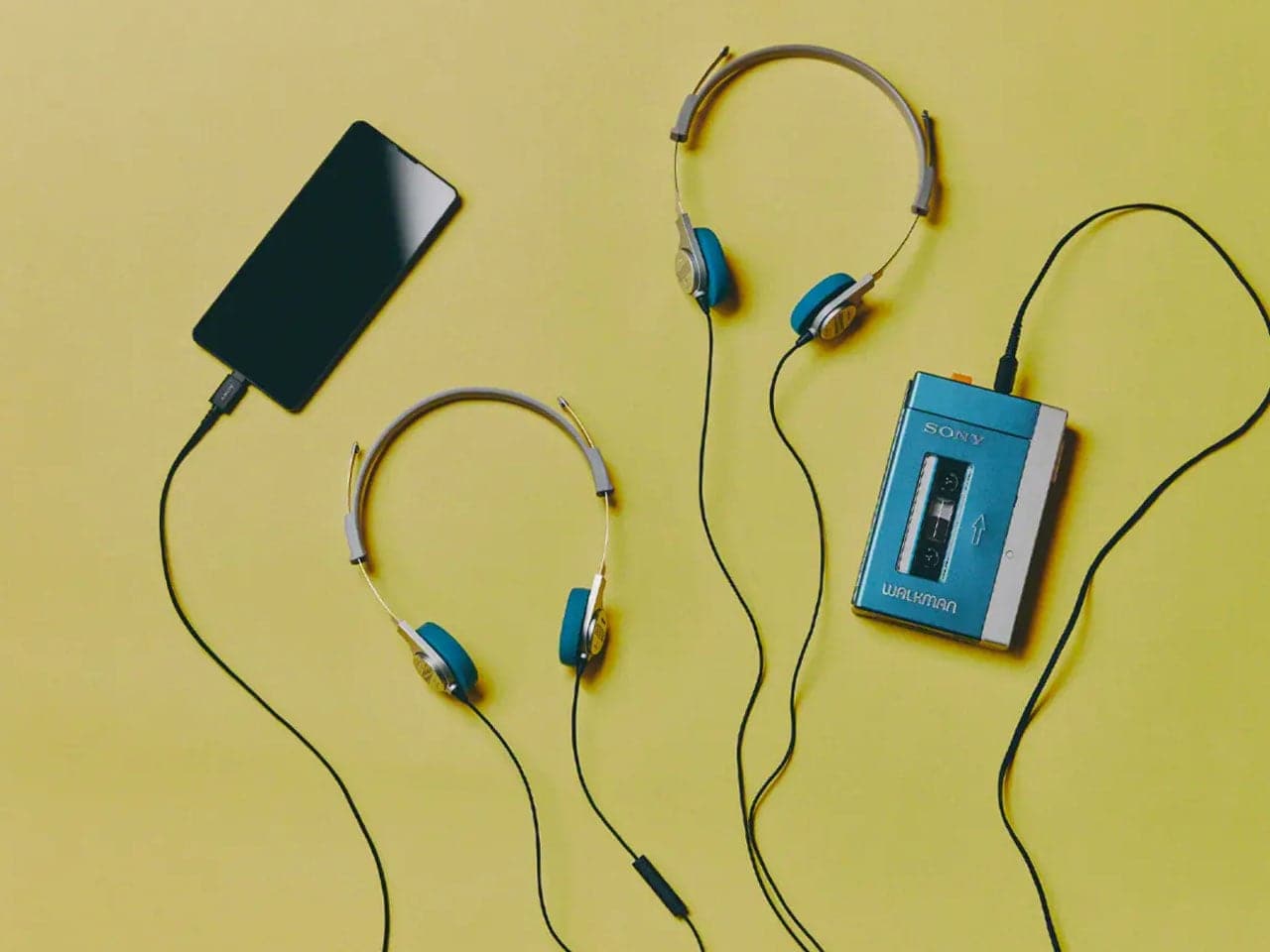
Here is where the modern world inevitably enters the picture: many current phones no longer include a 3.5mm headphone jack. To make the headphones easier to connect to newer devices, Sony has equipped the pair with a USB-C connector.
That choice brings a practical advantage. Users can plug the headphones directly into compatible modern devices without relying on a separate adapter. It also allows the classic wired concept to remain relevant as ports continue to change.
Still, there is one limitation worth noting. The cable does not appear to offer a swappable connection option for 3.5mm or 4.4mm plugs. That would have made the headphones more flexible for listeners who use dedicated digital audio players or want to explore higher-quality playback through services such as Tidal or Apple Music.
To connect the MDR-3R headphones to equipment with a traditional 3.5mm or 4.4mm port, users will need to purchase a separate USB-C adapter. That extra step may matter to listeners using dedicated audio hardware, while casual phone listeners may find the USB-C setup perfectly convenient.
A Stranger Things Edition Adds Another Layer
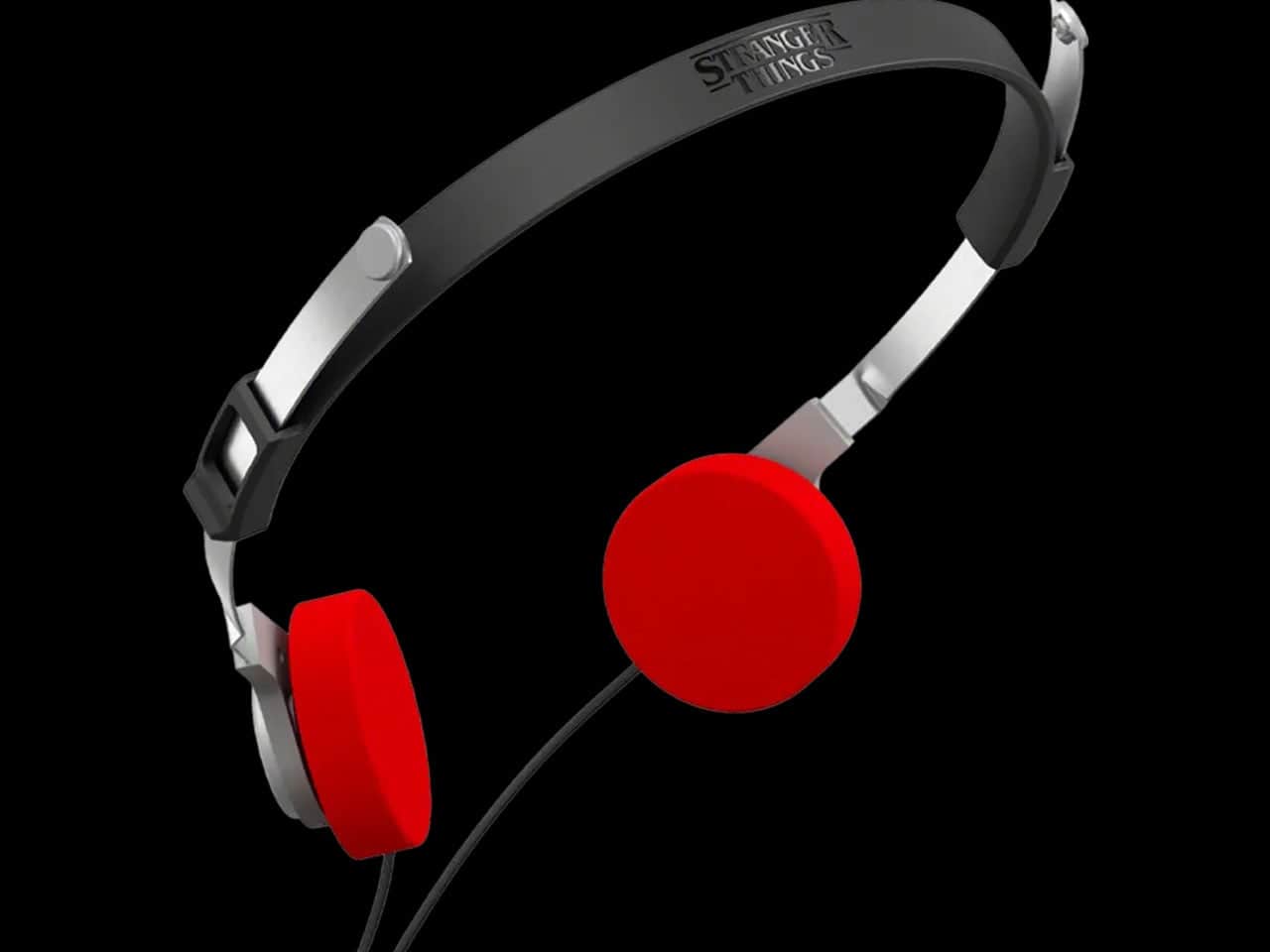
Alongside the standard classic version, Sony is also offering a Stranger Things Edition. This variant swaps the standard appearance for a black headband and themed red-and-black foam pads inspired by the headphones worn by Max.
It is a natural pairing. The series has a strong connection to vintage pop culture, analog technology, and the visual atmosphere of earlier decades, so a Walkman-inspired headphone design fits neatly into that world. The special edition takes the same nostalgic foundation and gives it a darker, character-driven finish.
The standard Sony MDR-3R headphones are priced at $59.99. The Stranger Things Edition costs $79.99, placing a $20 premium on the themed styling.

A Retro Headphone With a Real Point of View
The best nostalgic products do not merely copy the past. They understand why the past mattered, then add just enough modern convenience to make the object useful again. That is the balance Sony is aiming for with the MDR-3R.
The 23mm dynamic driver preserves the intended sonic character. The blue and orange earpads keep the look lively. The metal headband and perforated outer casings bring back the visual language of the original Walkman headphones. Meanwhile, the microphone, in-line remote, USB-C connection, and 38-gram weight make the design better suited to current routines.
It is a curious mix, but a compelling one. The MDR-3R headphones do not pretend that technology never changed. Instead, they let listeners enjoy the charm of an earlier era without giving up every modern convenience. For some, that will mean rediscovering wired listening. For others, it will simply mean wearing something that feels more memorable than another pair of anonymous black headphones.
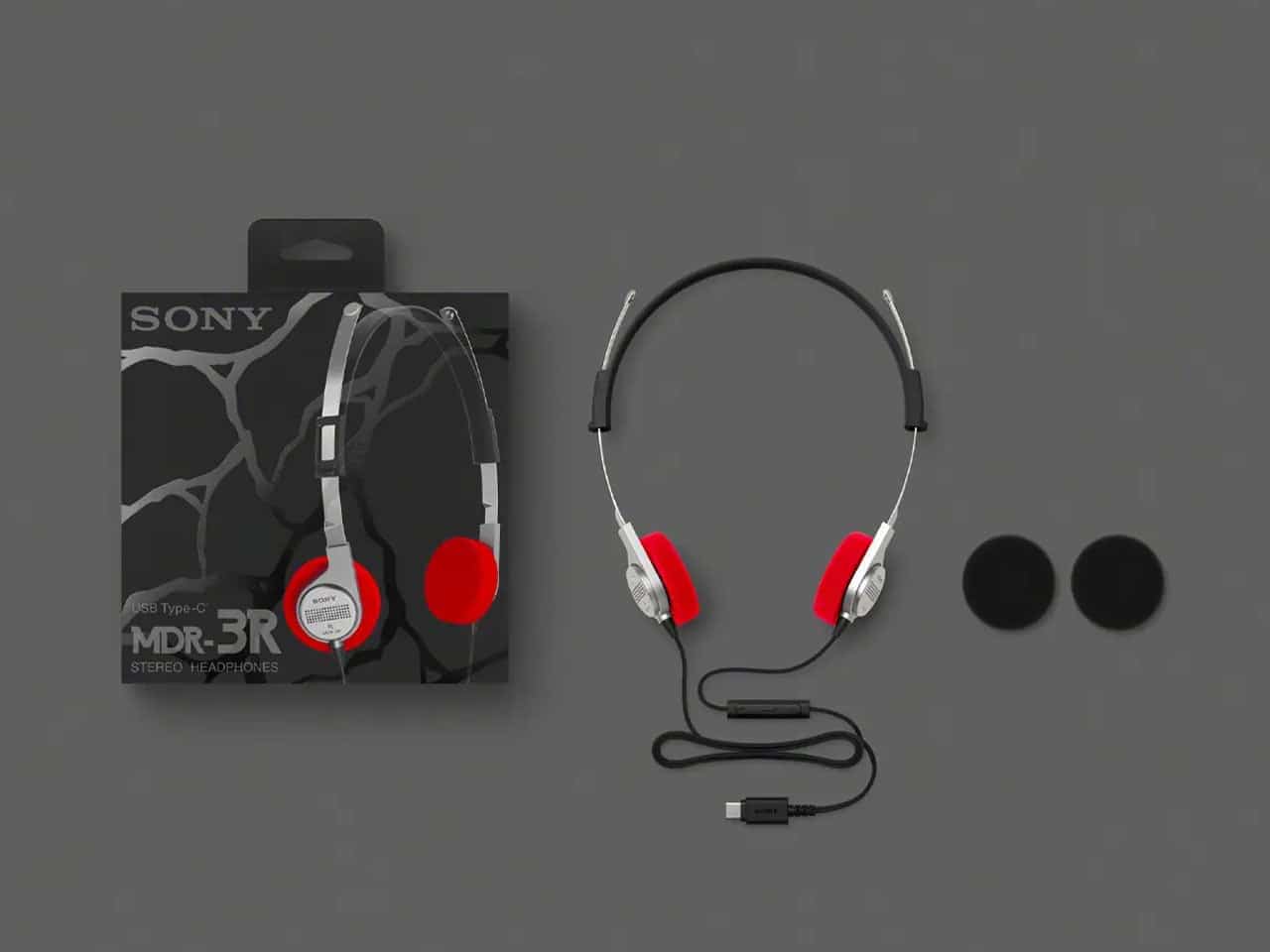
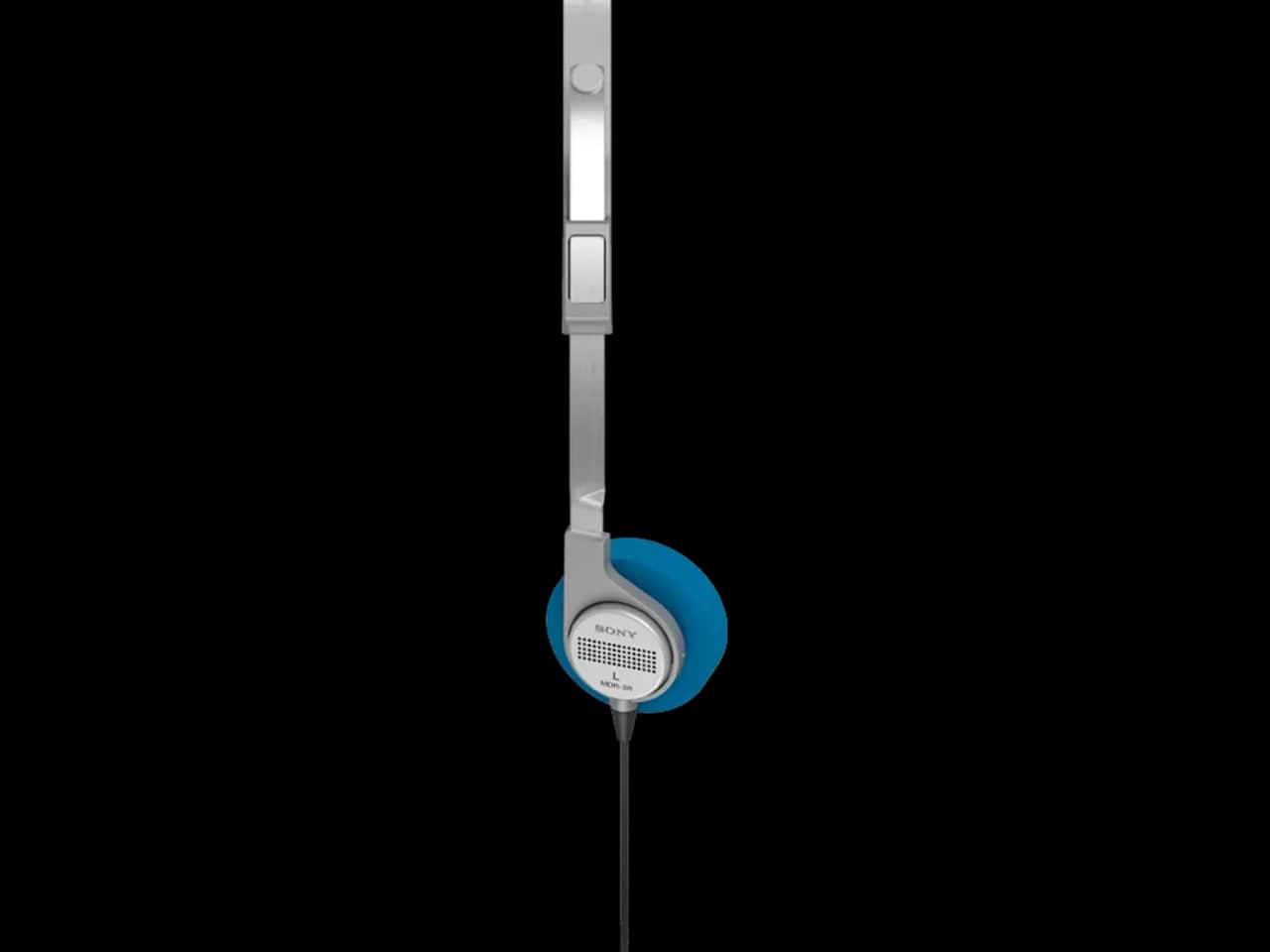

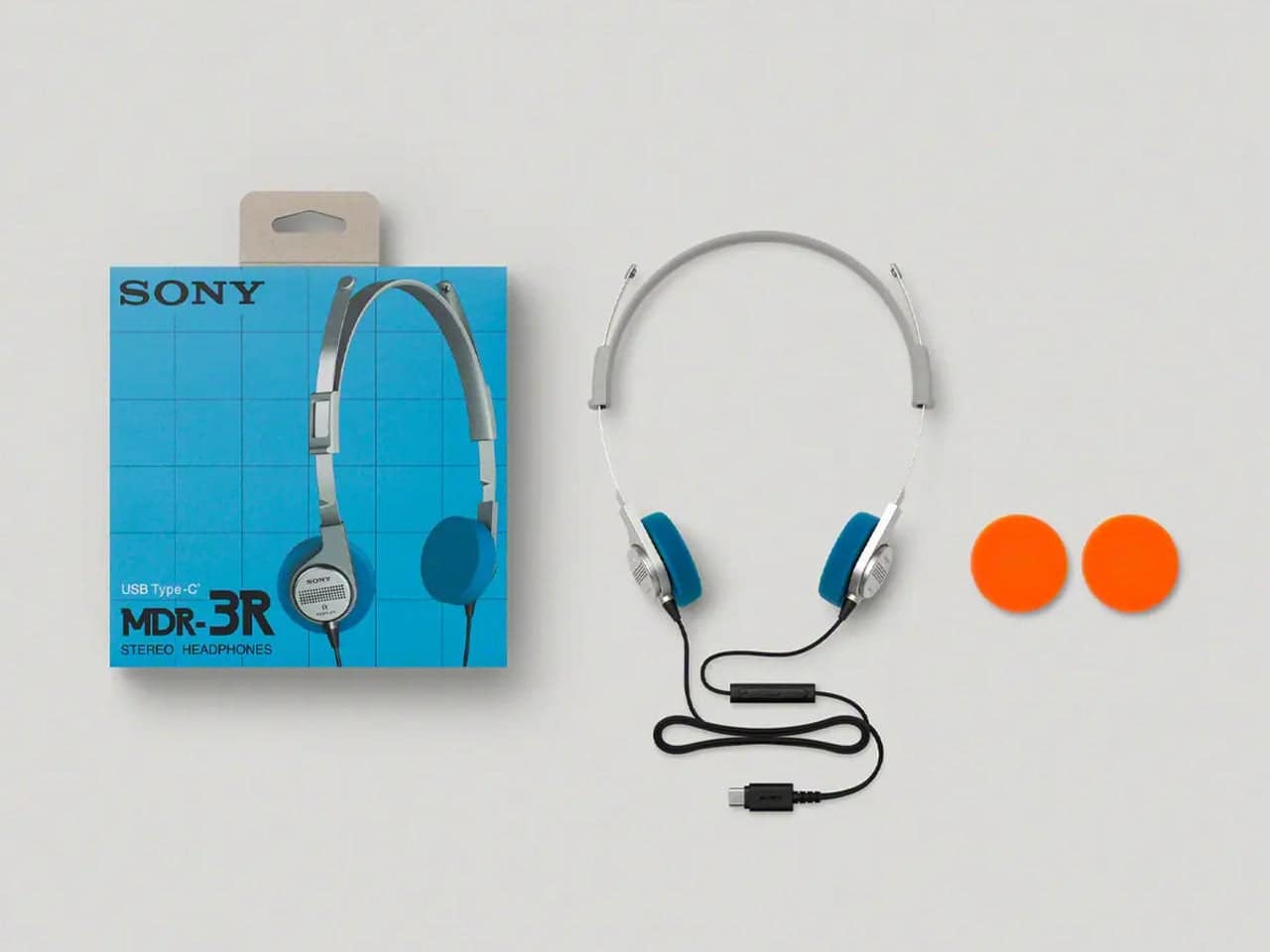
The Sony MDR-3R headphones turn a familiar Walkman-era design into a lightweight, USB-C-ready listening companion. Would you bring this colorful slice of audio history back into your daily playlist?
FAQ
- What inspired the Sony MDR-3R headphones?
The design is inspired by Sony’s original Walkman headphones, with the original design drawings referenced during development. - What type of driver do the MDR-3R headphones use?
They use the same 23mm dynamic driver associated with the original design, aiming for a balanced and warm sound signature. - Do the headphones include a microphone and remote?
Yes. The headphones include a microphone and an in-line remote for calls, music playback, and podcasts. - How much do the Sony MDR-3R headphones cost?
The standard version is priced at $59.99, while the Stranger Things Edition costs $79.99. - Can the headphones connect to devices with a 3.5mm headphone jack?
The headphones use a USB-C connector. A separate USB-C-to-3.5mm or USB-C-to-4.4mm adapter is needed for devices with those connections.
Bring a little more music nostalgia into your space with a favorite album cover poster from Architeg Prints. It’s a warm, stylish way to keep the spirit of physical music close—even when your playlist lives on a phone.
 | DISCOUNTGET 30% OFF*Use code on your next order:
|
* This post may contain affiliate links, meaning we earn a commission if you make a purchase through these links, at no additional cost to you.