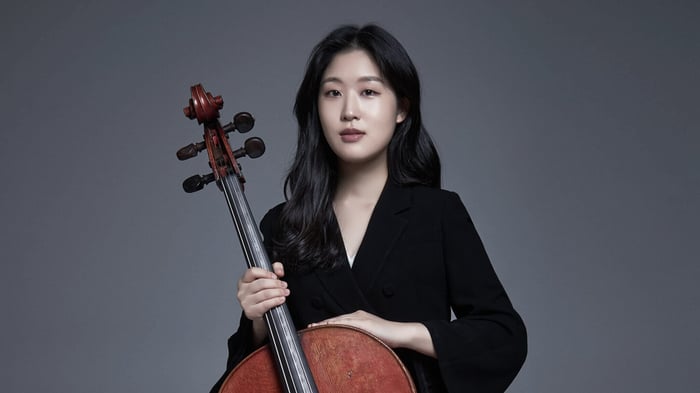
Between Cultures: How Ju Hyeon Kim Bridges Musical Traditions Through the Cello


 See more Architeg Prints stories on Google.
Between Cultures: How Ju Hyeon Kim Bridges Musical Traditions Through the Cello
Explore how cellist Ju Hyeon Kim blends Korean and American musical traditions, creating a unique voice through the cello that transcends culture.
A Musical Journey Across Two Worlds
Classical music is often heralded as a universal language — the scores read the same whether you're in Seoul, New York, Berlin, or London. Yet, the musicians breathing life into these compositions bring their own stories, backgrounds, and perspectives, coloring each performance with something deeply personal. For cellist Ju Hyeon Kim, this truth manifests vividly. She didn’t just study classical music in one place; she was shaped by two distinct musical cultures — South Korea and the United States — navigating different traditions, expectations, and philosophies along the way.
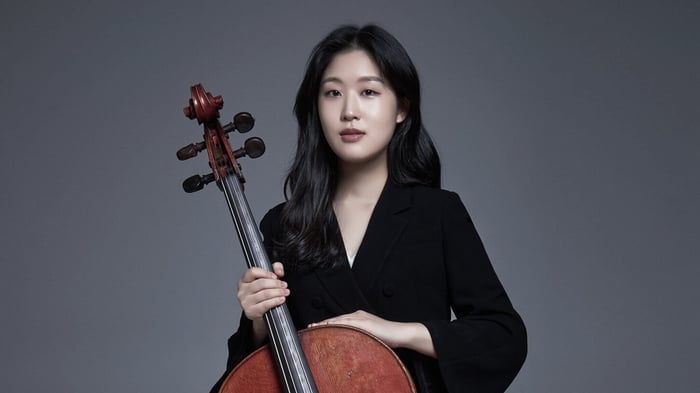
Photo Courtesy of Ju Hyeon Kim
At a certain point, Ju realized that technical mastery, while essential, doesn’t alone forge a truly great musician. Instead, it's the bold infusion of personal identity into each performance that truly resonates — a lesson that reflects a broader shift in the classical world, where diversity and emotional authenticity are gaining center stage.
The Spark That Ignited a Lifelong Passion
Kim’s connection to music didn't come from the usual early spark of natural affinity. Though she started piano lessons at five, she struggled to forge a genuine bond with the instrument. That changed unexpectedly during an academy concert. Watching the recording later, her attention drifted away from herself and instead locked onto another student playing the cello. That moment was transformative.
The cello's rich, voice-like timbre instantly captivated her. As a naturally reserved child, Kim found a deep emotional outlet through the instrument’s lyrical qualities — a way to communicate feelings words often failed to express.
What started as curiosity swiftly blossomed into a lifelong dedication. The cello became more than just an instrument; it was her bridge to expressing the inexpressible.
An Artist Shaped by Excellence and Cross-Cultural Experience
Today, Ju Hyeon Kim stands as an accomplished cellist and educator. Serving as a Section Cellist for the Delaware Symphony Orchestra, she regularly performs with professional ensembles and has stepped in with prominent regional groups, like the New Jersey Symphony.
Her accolades speak volumes: winning both the Rutgers University Concerto Competition in 2020 and the Chamber Music Competition in 2021 highlights her exceptional talent and artistry.
Kim’s musical journey has also been enriched by participation in esteemed festivals such as the Tanglewood Music Center, Fontainebleau Schools of Music, and Sarasota Music Festival. Academically, she boasts impressive credentials — a Bachelor of Music from the Peabody Institute, a Master of Music from the Manhattan School of Music, and doctoral studies in Cello Performance at Rutgers University.
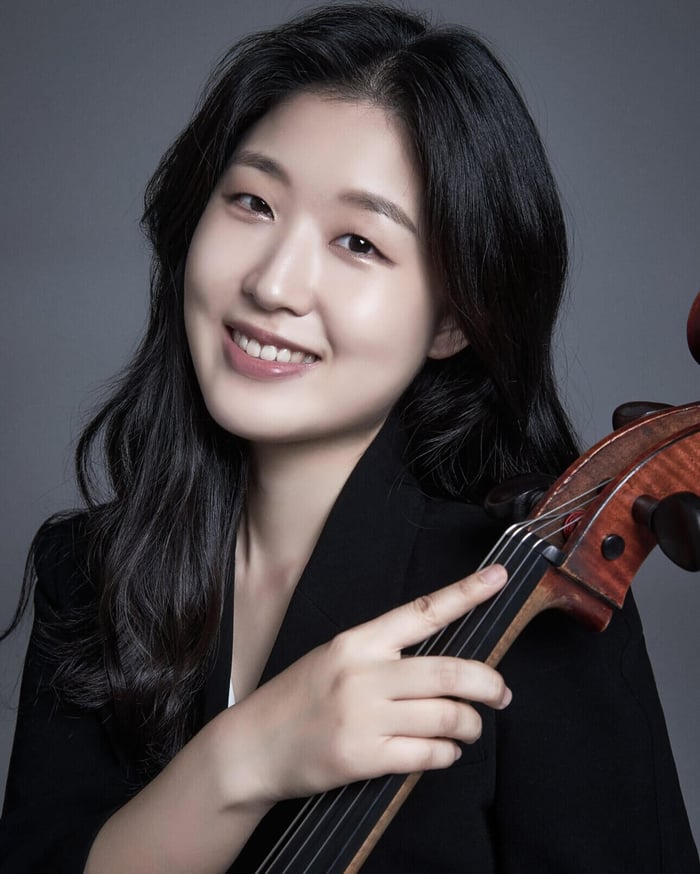
Photo Courtesy of Ju Hyeon Kim
Balancing Technical Mastery and Emotional Expression
In South Korea's highly competitive music environment, technical perfection often reigns supreme. For Kim, this rigorous standard shaped a strong foundation, but over time, she began to question: could flawless technique alone define true artistry?
Her exposure to international peers during studies in the United States opened her eyes to a different approach. Many musicians treated music not just as a technical challenge but as storytelling, where individuality and emotional honesty were essential.
This broadened perspective reshaped Kim’s view of music. She moved away from measuring herself against others or chasing perfection, instead focusing on discovering her own unique voice. It was a difficult, sometimes uncertain path but eventually led her to understand that originality cannot be quantified by competition scores.
This realization now forms the core of her artistic philosophy.
Reflecting a Larger Shift in Classical Music
Kim’s evolution mirrors a larger transformation in the classical scene. For decades, technical prowess was often the gold standard. While still vital, more musicians and educators now champion authenticity, cultural perspective, and personal interpretation as equally important.
International artists like Kim play an especially important role here. They weave together different traditions rather than replacing one with another. Ju’s early Korean training gave her discipline and precision, while her American experience granted freedom to explore emotive storytelling through music. The result? A fresh and deeply personal artistic voice that resonates both technically and emotionally.
Collaboration and Diversity on Stage
This rich, blended perspective carries through in Kim’s professional performances, particularly with ensembles like the Delaware Symphony Orchestra. On stage, musicians from diverse cultures blend their individual voices to create a unified, vibrant whole — a tapestry of sound enriched by varied life experiences.
Orchestras today emphasize diversity not just as a nod to representation but as a catalyst for artistic innovation. Different backgrounds mean fresh interpretations of timeless compositions, injecting new energy and relevance into classical music for contemporary audiences.
The Heart of Artistic Growth: Authentic Self-Expression
For Kim, technical skill is only the starting point — a foundation for the real challenge: bringing personal meaning and vulnerability to each performance. Expressing something genuine takes courage and self-awareness, qualities she hopes younger and international musicians embrace as they forge their careers.
Rather than competing against others, she encourages artists to trust their own perspectives and cultural backgrounds. In today’s global music landscape, individuality is often what makes a musician unforgettable.
Looking Ahead: A Continuing Cross-Cultural Voyage
Ju Hyeon Kim’s journey continues within the American orchestral community, where she aims not just to perform great works but to bring a perspective shaped by cultural exploration and years of study. Her story is a vivid example of how classical music evolves — the notes remain, but the voices interpreting them grow richer and more diverse with time.
As musicians like Kim fuse traditions and express their unique stories, classical music remains a living, breathing art form that evolves with the world around it.
"Bringing your own identity into the performance can matter just as much, maybe even more."
— Ju Hyeon Kim
FAQ
- What inspired Ju Hyeon Kim to switch from piano to cello?
During an academy concert, Kim was drawn to another student’s cello performance, captivated by the instrument’s rich, voice-like sound that resonated with her reserved nature. - How has Ju Hyeon Kim’s training in South Korea influenced her music?
Her South Korean training instilled a strong foundation of technical discipline and mastery, shaping her precision and rigor. - What did Kim discover during her studies in the U.S.?
She encountered a musical philosophy that emphasized storytelling, emotional communication, and individuality alongside technical skill. - Which orchestras has Ju Hyeon Kim performed with?
She currently performs with the Delaware Symphony Orchestra and has appeared as a substitute with the New Jersey Symphony. - How does Kim view the role of cultural diversity in classical music?
She believes diverse musical backgrounds bring fresh interpretations and vitality to classical music, making it more relevant and expressive.
Celebrate the fusion of culture and music by shopping your favorite album cover poster at our store, perfect for adding artistic flair to any space: Shop Now.
 | DISCOUNTGET 30% OFF*Use code on your next order:
|
* This post may contain affiliate links, meaning we earn a commission if you make a purchase through these links, at no additional cost to you.