BULLDAWG Review: Kenny Mason’s Loud Therapy Session Disguised as Rap


 See more Architeg Prints stories on Google.
BULLDAWG Review: Kenny Mason’s Loud Therapy Session Disguised as Rap
BULLDAWG review for people who like their rap with dents in it—Kenny Mason swings between metal bruises, plainspoken prayers, and money-mad grudges.
A Wake-Up Call That’s Already Mid-Argument
Some albums start with a welcome. BULLDAWG starts with a disturbance—like you walked into a room where two versions of Kenny Mason were already fighting about how today’s supposed to go.
The opening scene feels absurdly physical: a friend trying to shake Mason awake, voices bickering in the bedroom, that “eighth try” frustration in the air. Then the music does the thing that matters—a kick drum hits like a door slam, and a shouted vocal shows up early, ahead of the bar, like the song can’t even wait for him to be ready. Guitar smears into the next measure, messy on purpose. Mason sounds like he’s answering from under sheets, not from a booth. For a brief moment, it honestly feels like the track is dragging him by the ankle.
And weirdly, that’s the only time on the whole record where it sounds like he loses control of his own material. That early stumble isn’t weakness—it’s the thesis: this album is built around the idea that the noise arrives whether you’re prepared or not.
The Producers Aren’t “Supporting” Him—They’re Provoking Him
Right after that opening chaos, the production makes its agenda obvious: loud vs. quiet isn’t a vibe here, it’s an argument. It’s like the beatmakers are daring Mason to pick a side, then pulling the chair out when he tries.
Coupe and DvDx are the ones turning distorted guitar into something like a mission statement on “BULLKILLER” and “Bounce Wit Me.” Those are the two tracks that plant the flag: heavy guitars, metal-style kick patterns, the low end loud enough to feel through the floor if you’re playing it irresponsibly. And Mason? He raps through it with a voice that cracks where a label would normally demand a cleaner take. He leaves the fractures in. No polish pass, no “let’s get one more for safety.” That choice reads like pride, honestly—as if smoothing it out would be the real mistake.
Then Julian Cruz shows up as the quiet hero, not by making the album prettier, but by making it more stubborn. On “Street Car” and “Find God,” the drum volume drops to about half-strength so acoustic guitar can actually breathe. This isn’t an unfinished mix. It’s restraint used like a weapon. The quiet moments don’t feel like breaks—they feel like Mason staring you down without raising his voice.
A reasonable listener could say the record would be stronger if it picked one lane. I’d argue the opposite: the friction is the point, and comfort would be the real failure.
Kenny Mason’s Timeline Is Basically a Map of What He Refuses to Drop
The story behind BULLDAWG isn’t some clean “evolution.” It’s more like watching someone keep testing identities until one finally holds under pressure.
His writing comes out of West Atlanta’s Pittsburgh neighborhood, and you can hear that the verses are still built from that foundation—not nostalgia, more like muscle memory. He started rapping at twelve, then took it seriously at fourteen after hearing Kid Cudi talk about committing to music at that same age. That little detail matters, because Mason’s whole career has this undertone of “I decided early, so I don’t get to pretend later.”
By 2014, he and producer DvDx were already moving with House 9, putting out tapes. In 2019, “Hit” became the first viral breakthrough. A year later Angelic Hoodrat landed as a debut he carried himself. Then came the 2022 moment next to J. Cole on “Stick,” which bought him another wave of “next up” talk—the kind that sounds like a compliment until you realize it’s also a deadline.
None of that hype really protected 2024’s 9, though. That album’s hyperpop pivot felt like a label trying to get a crossover return on investment. The result: his lowest wave of reception. But then the Pup Pack singles he ran out through 2025 hit harder than anything on 9, like he’d quietly re-remembered what he’s good at. With the RCA window closing, Atlantic Music Group stepped in with a deal—and BULLDAWG sounds like the first time in a minute that the business move and the musical instinct actually agree.
If you’re waiting for him to become a “mainstream version” of himself, this album basically tells you: wrong artist.
He Picks Comparisons That Make Him Look Worse (On Purpose)
Mason doesn’t frame himself like a hero on BULLDAWG. He picks references that are almost… mean to himself. Like he’s trying to disappoint anyone hoping for a cleaner self-portrait.
On “Door Swangin’,” he calls himself “Anakin,” twin-style—then uses that to talk about Atlanta wages and neighbors assuming he was slinging dope. That’s not a victory lap. That’s a warning label. Then on “Whatuwannasay!” he pulls Lazarus—back to life, back to breathing. It’s resurrection language, but he doesn’t use it like redemption; it’s more like “yeah, I’m back, now what.”
And the “Citgo” reference turns the whole thing cautionary again, with AB looming over the bar like a shadow of what power can do when it curdles.
You could argue these references are just punchlines. I don’t buy that. He’s choosing comparisons that keep him morally unresolved. That’s the move.
“Junkyard Freestyle” Refuses to Catch You
Here’s where the record gets dangerous: “Junkyard Freestyle.” Three minutes, no hook, no relief valve. It’s just Mason talking like he’s pacing in a room full of loose metal.
The sound under him clatters like hardware tossed into a bin. He drops lines like “Broke my mind, left a-busin’ a substance,” then slides into “Suicidal and hidin’ it to elude the discussion, Toodaloo I’ma jump” at almost speaking pitch. That’s the part that made me pause, because the line arrives with no dramatic lighting—no swelling strings, no “this is the serious part now.” It’s just another bar, delivered like he’s trained himself not to react.
Mid-verse, he yanks the wheel: “Mark my fuckin’ words the martian comin’ to march again.” Suddenly the planet imagery kicks in—he’s turning the world in his palm, watching it rotate, then sending it away by the end like he’s done with it.
And the coldest detail is this: he refuses rescue nobody is offering. That’s not a flex. That’s a habit.
I thought on first listen he was just going for rawness. On second listen, it felt more calculated than that—like he’s proving he can hold that altitude without a chorus to oxygen-mask the moment.
Money Songs as Ritual: “Citgo” and the Language He Trusts
After that emotional altitude, the album drops into a run of “getting paid” tracks that aren’t celebratory—they’re vengeful.
On “Citgo,” Mason demands “Gimme my cheque” sixteen times. Not once or twice. Sixteen. It stops being a lyric and starts being a compulsion. Then the outro counts off gas grades at the pump: “Eighty-seven, eighty-nine, ninety-three, and Diesel.” On this record, that’s basically poetry—the only language he trusts without flinching.
“Door Swangin’” has him laughing at himself for staying too long at a legitimate job while scammers around him were already driving Phantoms. It’s funny in that exhausted way, like you’re joking so you don’t scream.
Then “Bullkiller” turns it into a grievance: he was dominant and still got skipped for a nomination, and he compresses the whole bitter logic into a couple bars that don’t even have time to breathe. The subtext is nasty and clear: awards are just another payment system, and he’s done pretending otherwise.
You can disagree and say he’s over-indexing on resentment here. But it didn’t sound like whining to me. It sounded like someone reading the invoice out loud.
The Prayers Are Plain, Then They Rot
The prayer writing on BULLDAWG is shockingly direct—plainer than anything I’ve heard him put on wax before.
On “Test Me,” he asks: “Dear angels, can you hear me, are you near me?” It starts as an actual request, not metaphor cosplay. Then the line stretches into him describing his own damage—the hell-room feeling, the stain he can’t scrub out. And when that prayer curdles later in the same track, the song doesn’t “heal.” It turns. Revenge arrives like an answer he’s been waiting for permission to give—five rounds of lion-knocking, brute and blunt.
Then “Find God” argues the other side: if you hold a violent friend accountable, is that betrayal? He doesn’t resolve it cleanly, but he lands one bar that wins the whole song—asking the devil not to lay in his bed or play with his head. That line hits because it’s not dramatic. It’s domestic. Evil as an unwanted roommate.
A year ago on 9, hyperpop production swallowed his words. Here, the volume drops enough that he can rap plainly—and he sounds braver when he’s audible.
Paris Texas Adds the Missing Axis
The guests on this album aren’t decoration. They change the geometry.
On “Be What I Want,” Paris Texas steps in and suddenly two new arguments enter the record that Mason probably couldn’t reach alone. Felix drops what feels like the year’s coldest political bar, then immediately twists revolution into a meme without changing his temperature. That chill is its own kind of threat.
Louie Pastel follows with “pen as cold as Aspen,” then drops my favorite guest line about Mason himself: “Kenny bring the peace, but he no Buddhist.” It’s a clean read—warm, but not flattering.
SMJ shows up later as a hook feature, tightening the song’s center of gravity.
I’m not even saying Mason needs features in general. I’m saying this specific album would lose a dimension without these voices, because they’re not agreeing with him—they’re sharpening him.
Where the Pressure Leaks (Yeah, It Happens)
Here’s the part where the album stops feeling invincible.
On “Break Time,” the auto-shop puns wear out fast—popped hoods, fixed engines, the whole metaphor set gets used so hard there’s nothing left for the verse that comes after. Mason sounds weirdly dull there, like he’s rapping while looking at his phone.
On “Here II Stay,” he asks, “Who the fuck care about me?” then drops the question and never returns to it. That’s a frustrating choice, because the line is a real door—but he doesn’t walk through it. He just points at it and keeps moving.
And “Bounce Wit Me” has a catch that’s genuinely sticky—a two-bar phrase that works—but Mason leans on it past the point where any idea can keep up. It’s not “filler” in the lazy sense. It’s more like the tire slowly losing air. The pressure leaks.
I kept waiting for this stretch to snap into focus on repeat listens, and… I’m not totally sure it ever does. In a version of this record that knew when to stop, these songs would sit closer to the end, where momentum matters less. BULLDAWG gives them more room than they earn.
“7eleven” and the 2039 Version of the Problem
By the time “7eleven” hits, Mason does something slick: he time-jumps.
He plays a 2039 version of himself, standing on “rhyming’s Mount Olympus,” disciples at his hands and feet. It’s grand, borderline ridiculous—then he undercuts it by calling it what it is: an addiction to acceptance from people whose acceptance already arrived. Inside the lyric, he walks away from the scene.
Outside the lyric, the deal funding this record obviously doesn’t come with a guaranteed identity for the next one. And that tension is part of what makes this track feel like an anxious victory lap: Atlantic paid for a rapper, not a successor, and Mason’s basically saying, “Cool—don’t try to turn me into a statue.”
His writing here cuts cleaner than anything I heard on 9 or last November’s Angel Eyes. That’s the easy test: can he sound like himself again with the right volume and the right friction? He passes.
The harder test is what happens after he’s proved it.
The Tracks I Keep Coming Back To
Looping this record, three songs keep resurfacing because they don’t just “sound good”—they expose what he’s doing.
- “Junkyard Freestyle” — no hook, no rescue, just him holding the mood with bare hands
- “Test Me” — prayer that rots into retaliation without pretending that’s growth
- “7eleven” — future-self fantasy that collapses into a very current insecurity
If your favorites are different, I get it. But I’d bet these are the ones that tell the truth.
Conclusion
BULLDAWG isn’t trying to be liked—it’s trying to be accurate. The loud songs don’t exist to hype you up; they exist to drown out hesitation. The quiet songs aren’t softer; they’re just close enough to hear the teeth grinding. And when Mason slips, he leaves the slip in, like proof that the day happened.
Our verdict: This will land for listeners who want rap that argues with itself—trap stitched to rock abrasion, prayer stitched to spite, and hooks that sometimes overstay their welcome. If you need tidy arcs, clean mixes, or “inspirational” closure, you’re going to bounce off this like it’s a locked door at 3 a.m.
FAQ
- Is this a “rap-rock” album or just rap with guitars?
It’s rap that uses rock volume as pressure. The guitars aren’t decoration—they’re part of the conflict. - What’s the most emotionally intense moment on the record?
“Junkyard Freestyle,” because it drops suicidal language at speaking pitch and refuses to frame it as a special event. - Does the album fix what didn’t work on 9?
Mostly, yeah. The biggest change is audibility—his words aren’t drowned out, and he sounds more confident because of it. - Do the guest features matter here?
Yes. Paris Texas (Felix and Louie Pastel) and SMJ add angles Mason doesn’t reach alone, especially on “Be What I Want.” - What’s the weak stretch?
“Break Time,” “Here II Stay,” and parts of “Bounce Wit Me” let the pressure leak—good ideas, but they run longer than their fuel.
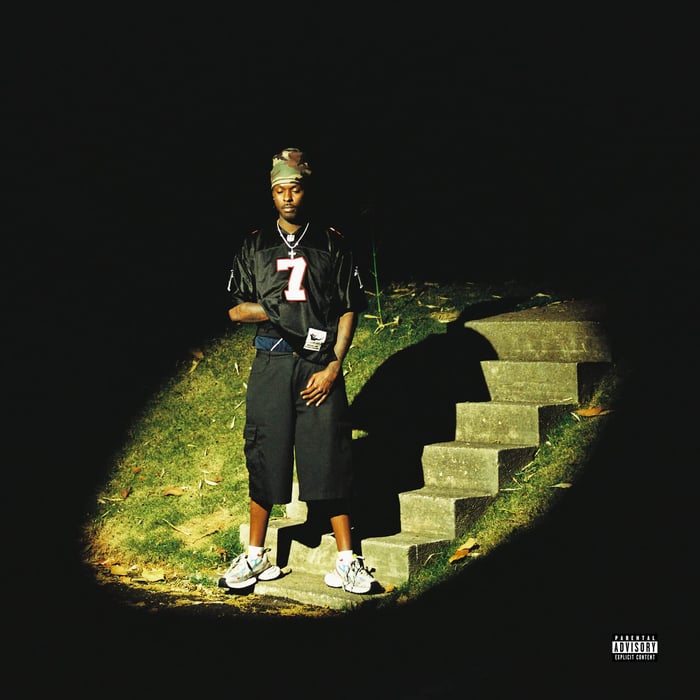
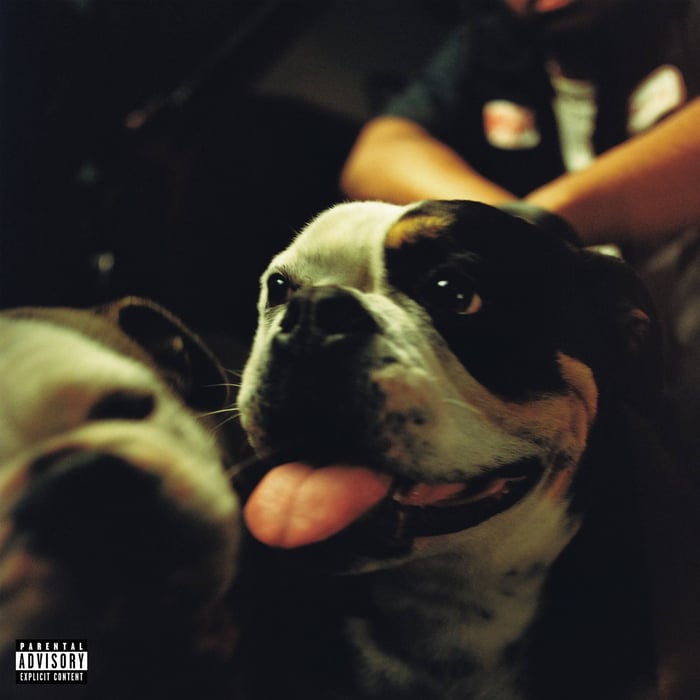
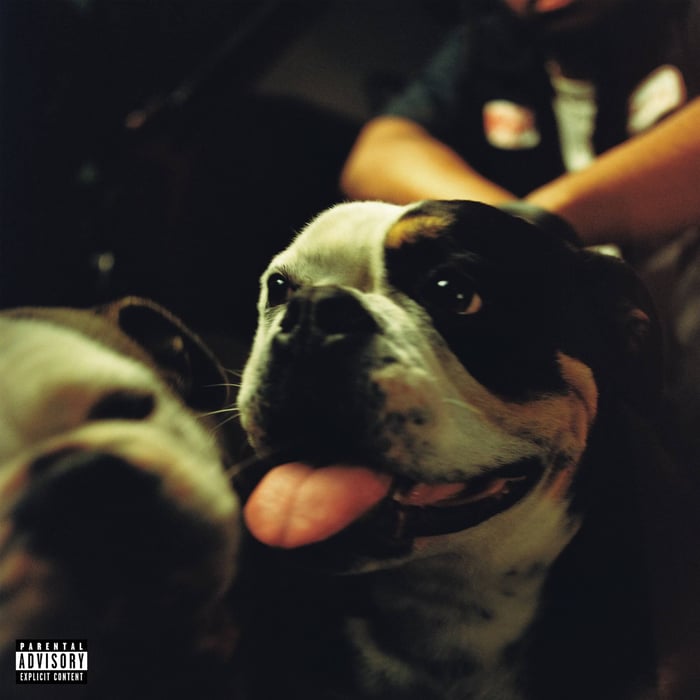
If this album’s cover is stuck in your head the way the kick drums are, you can grab a poster that matches that energy at our store: https://www.architeg-prints.com.
 | DISCOUNTGET 30% OFF*Use code on your next order:
|
* This post may contain affiliate links, meaning we earn a commission if you make a purchase through these links, at no additional cost to you.