The Prelude EP Review: SWAVAY’s “Warm-Up” That Swings Like a Hammer


 See more Architeg Prints stories on Google.
EP Review: The Prelude by SWAVAY
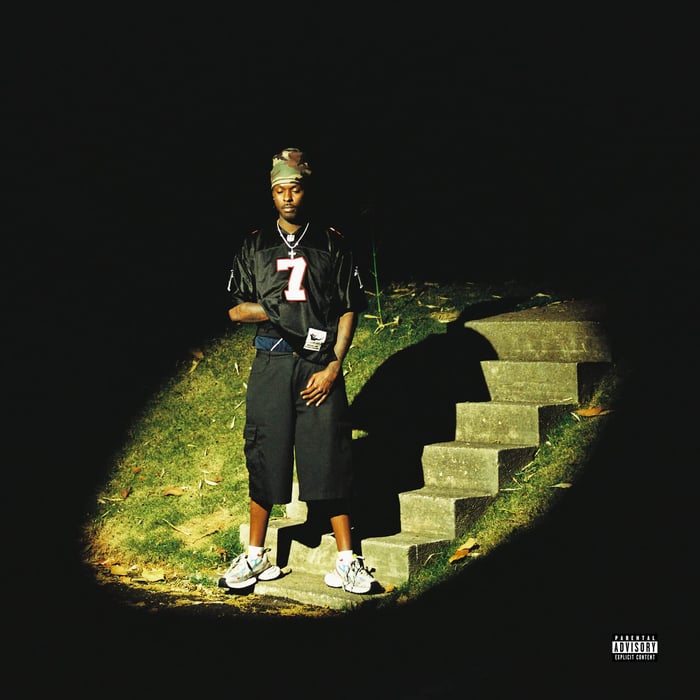
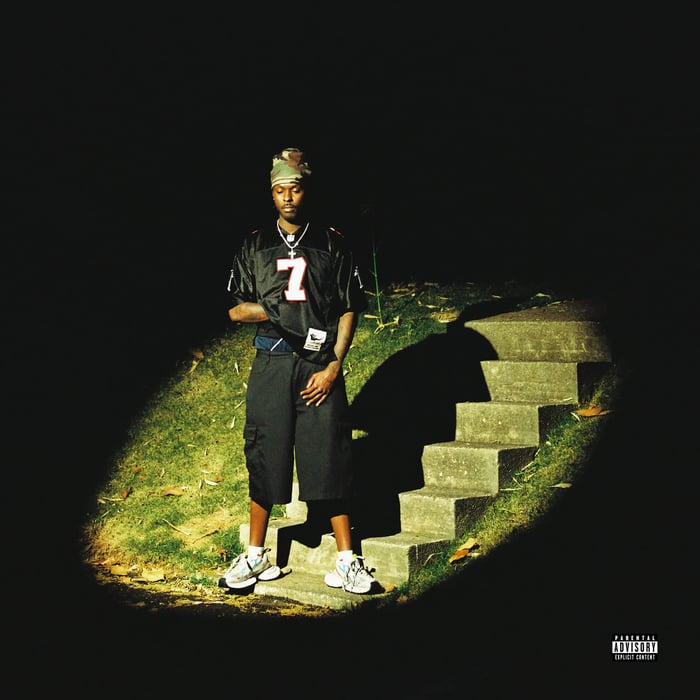
The Prelude EP is a raw and unfiltered exploration of SWAVAY’s life, blending moments of confidence with harsh realities, and delivering an intense listening experience that challenges traditional rap narratives.
This isn’t an intro. It’s a door being kicked in.
The first sound that sticks isn’t even SWAVAY—it’s Jermaine Dupri, still getting his bearings out loud. He’s in the studio talking like a man patting his pockets:
“Check this out right here, let me get my shit together, hold up.”
And behind him, that soul sample doesn’t “play” so much as scrape the ceiling. Then the 808s drop with that Atlanta rattle—the kind that makes everything feel one bad decision away from movement.
SWAVAY comes in mid-bar like he’s interrupting the ceremony:
“I’m on a whole ‘nother level, I’m geekin’.”
And right there, the EP shows its actual personality. It’ll hand the mic to a legend for the aura, sure—but it’s not here to kneel. It’s here to snatch the room temperature and raise it.
And I’m going to be blunt: the EP gets better the more it stops leaning on that borrowed myth. The moment the “legend in the room” energy fades, SWAVAY’s own voice gets louder—not in volume, in intent.
The EP’s real flex is how casually it carries pressure
Here’s what surprised me: SWAVAY doesn’t rap like he’s trying to prove he can rap. He raps like he’s trying to get something off his back. That’s a different posture. On certain beats, he moves with this almost insulting ease—like he’s taking the trash out, not “making art.” It’s not laziness. It’s control. And it makes the heavier moments land harder because he never announces them with a drumroll.
Also, the title The Prelude is bait. It implies “setup,” like this is just the lobby before the real building. But the writing doesn’t behave like a teaser. It behaves like someone leaving fingerprints on everything and daring you to call it fictional.
I’ll admit, at first I thought the EP was going to be more of a victory lap—Jermaine Dupri intro, familiar Atlanta gravity, the usual “I’m back” posture. On second listen, it’s closer to a stress test: money, shame, survival stories, and little flashes of relief that don’t fully convince you.
“YDKM” is where the feature steals the stakes
“YDKM” is bouncy in that tricky way—syncopation that feels playful until you notice how sharp the edges are. Coupe’s beat has this spring-loaded swing, and SWAVAY rides it so calmly it almost reads like dismissal. That’s the thing: he raps like nothing can touch him, which is cool, but it also makes the song feel like it’s waiting for a real wound.
Then NASAAN shows up and—yeah—he brings the wound.
His verse doesn’t just “feature.” It re-frames the whole track. He pours one out for his late girlfriend Mycah Lewis with
“Pour up for Mycah/My soul speakin’ Creole,”
and it’s the kind of line that makes the air change. Then he snaps into war-talk with
“Niggas ain’t totin’ handguns, .556 look like torpedoes.”
And before you can settle, he drags the present into it with a nod to the Young Thug racketeering case:
“Take Sign down and bill like Thug and Brian Steel.”
The arguable part: SWAVAY lets him do that on purpose. “YDKM” feels built to make NASAAN sound like the one with more to lose. And because of that, the feature ends up holding the actual weight of the song. If you wanted SWAVAY to dominate every room, you might find this choice odd. But if you understand what The Prelude is doing—sharing the frame, not hogging it—then it makes sense.
“Doing My Best” flips the EP inside out, and it’s not subtle
The EP’s cleanest gut-punch is “Doing My Best,” specifically verse two—the longest stretch of writing here, and the one that suddenly stops playing “cool rapper” and starts itemizing damage.
He starts with rent like it’s a weekly humiliation ritual:
“Landlord on my back, and every week I’m late again/Another 100 plus the tax.”
And then it keeps going—numbers, effort, the kind of progress that looks real until you touch it. A thousand plays that don’t amount to anything. That counterfeit feeling where you keep cracking safes and finding fake bills inside. The sense that a job at the mall is still hovering like an option you hate but might need. A therapy referral refused—like even “help” can be another door that doesn’t open.
Then there’s the family fight, and it’s so raw it almost feels like you shouldn’t be hearing it: a fight between his mama and his mama. That detail doesn’t land like gossip. It lands like a lifelong bruise.
And over it, the girlfriend’s chorus floats through asking if anyone would love her once she’s gone. It’s a hook that doesn’t “lift” the song. It haunts it. A reasonable listener could say the chorus is doing too much emotional heavy lifting—like it’s trying to make the song profound. I didn’t fully feel that way, but I get the argument. Still, it works because SWAVAY’s verse has already made the room cold.
Then the EP does something sly. Later, on “Juicy Crab 2,” he reports a totally different number:
“I made close to a mill’ in the studio.”
And suddenly “Doing My Best” isn’t just a sad chapter—it’s a deliberate contrast. He’s showing you how quickly the story can change and how the body still remembers the older version.
“Sixx Minutes” is a short film pretending it’s just rap
If The Prelude is trying to prove anything, it’s that SWAVAY can hold attention without the usual crutches. “Sixx Minutes” is the loudest evidence. No hook. No relief. Just a sustained robbery story that moves like a timer is running—because it is.
It’s set in Atlanta, and it opens on a rapper from his neighborhood—somebody whose tape used to be in every car while SWAVAY had nowhere to live. That’s not nostalgia. That’s hierarchy. That’s a reminder of who got to feel “real” while somebody else was scrambling for a place to sleep.
Then the story shifts like a camera cutting scenes:
- the club,
- then a Hawks player’s girlfriend,
- then an apartment just minutes from the door,
- then the moment everything turns.
The payoff is nasty in a way that feels intentionally unromantic. SWAVAY is naked in a stranger’s bed near Mount Paran when a black Maybach pulls into the driveway. And the Maybach belongs to the same fading rapper from earlier—her boyfriend, also cheating. The story doesn’t moralize. It just clicks into survival mode.
He gets pulled out before he can even think. And then the line that flips the scene from scandal to crime:
“Matter fact, fuck it, hands up, now this a robbery.”
Cash. Debit cards. Clothes. Then a drive home with his friend. Door to door: six minutes.
Here’s my uncertainty: I can’t tell if I’m supposed to feel impressed by the precision or sick from the casualness. Maybe both. Either way, it’s effective. It’s also the moment where the EP stops sounding like “a prelude” and starts sounding like a confession dressed up as entertainment.
And yeah, you could argue the no-hook choice risks monotony. For about thirty seconds, I kept waiting for a switch-up that never came. Then I realized the point: the unbroken flow is the panic. The lack of a hook is the lack of safety.
“Tony’s Dead” answers a question without feeding you a speech
Right next to that short film, “Tony’s Dead” feels like SWAVAY stepping back into the room and speaking one sentence like it cost him something. He closes the “Billy 3” question that’s been following him for two years with a single line:
“Just know that I’m moving on God’s watch.”
It’s not preachy. It’s not even comforting. It’s more like a boundary. If you came here for an explanation, he’s not giving it. He’s giving you a decision.
The arguable claim: “Tony’s Dead” is the smarter kind of closure—because it refuses to be a big dramatic finale. It’s a door shut, not a speech on the porch.
So what is The Prelude actually doing?
The title tries to convince you this is just a setup. The music doesn’t. The EP behaves like SWAVAY is building two competing projects at once:
- A tight, status-tinted rap statement that can stand in a room with Jermaine Dupri and not flinch.
- A messier, more specific diary where rent numbers, therapy refusals, and humiliations aren’t “content”—they’re evidence.
And the EP wins when it chooses the second one.
There’s even a weird tension baked into the sequencing: it sets “a casket hook” vibe against the momentum of “Sixx Minutes,” like it’s daring you to pick which version you’ll replay. For me, the ugly little movie wins. Not because it’s “better art,” but because it’s the one where SWAVAY stops managing his image and starts weaponizing detail.
Favorite tracks (and why they’re the ones that stick)
The EP basically tells you what to replay if you’re listening with your ears open:
- “YDKM” — because the feature makes the stakes feel real, not theoretical.
- “Doing My Best” — because verse two turns money stress into a scene you can smell.
- “Sixx Minutes” — because it commits to the bit so hard it stops being a “song” and becomes an incident.
And if you disagree, fine—this EP is built for disagreement. It keeps switching masks on you.
Conclusion
The Prelude doesn’t act like an appetizer. It acts like SWAVAY walking you through the parts of his life that are usually edited out, then reminding you he can still brag right after. It’s uncomfortable on purpose, and the strongest moments are the ones that don’t try to be likable.
Our verdict: People who like rap when it sounds like someone is recounting a night they haven’t processed yet will love this. If you need neat hooks, clean morals, and “relatable” lyrics that never get weird, you’re going to bounce off it—and you’ll probably call it “too much” while secretly replaying “Sixx Minutes” anyway.
FAQ
- What is the core vibe of The Prelude?
It plays like a flex that keeps getting interrupted by real life—rent, grief, messy decisions, then back to confidence. - Which track shows SWAVAY’s best writing?
“Doing My Best,” specifically the second verse, because it stops performing and starts accounting. - Does “Sixx Minutes” actually work without a hook?
Yes, because the lack of a hook becomes part of the tension—but if you’re hook-dependent, it may feel claustrophobic. - Is the Jermaine Dupri moment essential or just decoration?
It’s a tone-setter more than a necessity. The EP strengthens once SWAVAY’s own space takes over. - What’s the most replayable song here?
“YDKM,” mainly because the beat swings and the feature spikes the emotional voltage.
If you’re the kind of listener who treats cover art like part of the music, you might want to hang your favorite album cover as a poster—quiet proof of whatever phase you’re in. Here’s our store if you feel like browsing: https://www.architeg-prints.com
 | DISCOUNTGET 30% OFF*Use code on your next order:
|
* This post may contain affiliate links, meaning we earn a commission if you make a purchase through these links, at no additional cost to you.