LORE Album Review: Black Orchid Empire Tries to Prog Without the Homework


 See more Architeg Prints stories on Google.
LORE Album Review: Black Orchid Empire Tries to Prog Without the Homework
LORE album hits like prog-metal with a pop-length attention span: tight songs, big layers, and just enough chug to start arguments.
First contact: the album that doesn’t ask permission
There’s a specific kind of tension when you press play on a band you don’t really know yet. You might’ve skimmed a bio somewhere, sure—but the first real listen is where the truth leaks out. LORE doesn’t creep in politely. It shows up sounding confident enough that I immediately assumed Black Orchid Empire were one of those veteran, many-album bands with nothing to prove.
Then it clicked: they’re not exactly new, but they’re not over-familiar either. This is a group that’s been around long enough to have a “decade ago” debut in their history—and LORE comes off like a deliberate step forward from that earlier foundation. Not a reboot. Not a wild reinvention. More like they tightened the bolts, upgraded the wiring, and decided the next version of the project should actually move.
“Skinwalker” sets the rules—and they’re stricter than they look
The opener, “Skinwalker,” tells you what lane this record wants to drive in, and it’s basically the stretch of highway between progressive metal and melodic metal. I heard the influence palette almost immediately—those sleek, modern prog touches that bring HAKEN and LEPROUS to mind. Not in a copycat way, more like: “Yes, we know the current language, and we’re going to speak it fluently.”
And here’s the arguable part: “Skinwalker” is almost too good at introductions. It’s such a clean thesis statement that it risks making the album feel “solved” early. But that concern didn’t hold for long, because the band keeps shifting the balance—melody first here, rhythmic kink there—so the album keeps re-earning your attention.
What really sells it is how big this lineup sounds. They play with the density and interlock of a full five-piece, even though the core unit is tighter than that. The layers don’t feel stacked like a studio trick; they feel like a design choice. Everyone’s occupying space, but nobody’s just filling it.
The production’s strong… and occasionally a little weird in the wrong place
Most of LORE sounds polished in a way that makes the details easy to grab: guitars land with weight, the mix feels intentional, and the whole thing reads clearly even when parts are moving at once.
Still, I’d be lying if I said it’s flawless. There are a couple moments where something sits slightly off—like a texture or balance choice that distracts rather than adds tension. And no, I’m not talking about clever off-beat prog stuff where the drummer’s messing with your sense of gravity. This is more mundane than that: a few spots where the production feels like it almost nailed the landing and then decided “close enough” was a creative stance.
To be fair, that “fine balance” is the entire game with this kind of music. You want slickness without sterilizing the bite, complexity without turning the songs into math homework. LORE mostly walks that line with steady feet—and it does feel like a band that’s come a long way since its debut era.
“Angelfire” is the sales pitch, but it’s also the confession
If you want one track that makes the album’s intent obvious, “Angelfire” is the clearest preview of what you’re getting: melodic hooks, progressive architecture, and enough bite to keep it from turning into background listening.
And here’s my revised first impression: I initially thought LORE was going to be a “prog record that’s secretly a pop record” in disguise—something streamlined to the point of playing it safe. On second listen, “Angelfire” convinced me the streamlining is the point, not the compromise. They’re choosing focus. They’re choosing replay value. They’re not pretending every song needs to be an odyssey to count.
The trick: making prog feel short without making it feel small
A lot of progressive metal dares you to love it by testing your patience: long runtimes, labyrinth time signatures, songs that refuse to end until they’ve proven a point. LORE takes a different route. Most of these tracks keep things tight—hovering around that five-minute neighborhood—so the record gets to feel immediate without turning simplistic.
That’s a gamble. Some listeners will absolutely argue that shorter prog songs are “less prog,” as if duration is the real measure of ambition. But I don’t buy that. This album’s punch comes from compression. It packs the movement into manageable spans, the way a good short story can hit harder than a bloated novel.
It also means the album is easier to latch onto if you’re not the kind of person who wants twenty-minute track journeys as a lifestyle. Compared to the marathon tendencies you get from the classic long-form prog mindset, LORE is practically speed-dating—still intense, still detailed, but not demanding you cancel your plans.
And honestly? That probably widens the audience. Whether that’s “for the younger generation” or just for anyone with a functional attention span is up for debate, but the accessibility here feels intentional.
Not “prog enough” for some—and that’s exactly why it works
Here’s where people will split into camps: LORE isn’t trying to be the most progressive thing in the room. If your idea of prog is constant left turns, relentless complexity, and songs that feel like puzzles, you might hear this and think it’s holding back.
But the fusion is handled well: melodic metal leads the emotional charge, prog structures give it shape, and every so often there’s even a hint of metalcore-style chugging—not enough to hijack the identity, just enough to thicken the pulse. That occasional chug is going to annoy the purists who want their prog pristine. Personally, I like that it dirties the shoes a little. It keeps the record from floating away into tasteful abstraction.
That said, I’m not totally certain the album always knows which side of itself should be driving. A few moments feel like they’re balancing “catchy” and “clever” by alternating them rather than fusing them. It doesn’t break the experience, but it’s the kind of thing that keeps the album from feeling truly untouchable.
The real achievement: a foundation that feels usable
The most convincing thing about LORE is that it doesn’t sound like a band tossing ideas into the air to see what sticks. It sounds like a band building a platform. Even when a section doesn’t land perfectly for me, the intention is readable: they’re laying down a template they can push farther next time.
And I’ll stake a mildly spicy claim here: this album’s strength is restraint, not ambition. The “ambition” is obvious in the layered writing and the prog lean, but the restraint—keeping songs concise, keeping hooks present, keeping the blend coherent—is what makes it feel like a real step forward instead of an exercise.
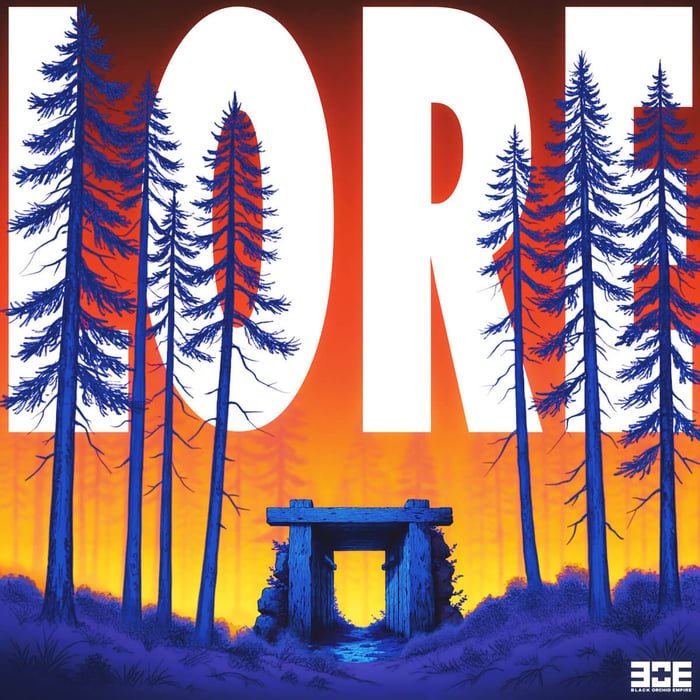
Album art
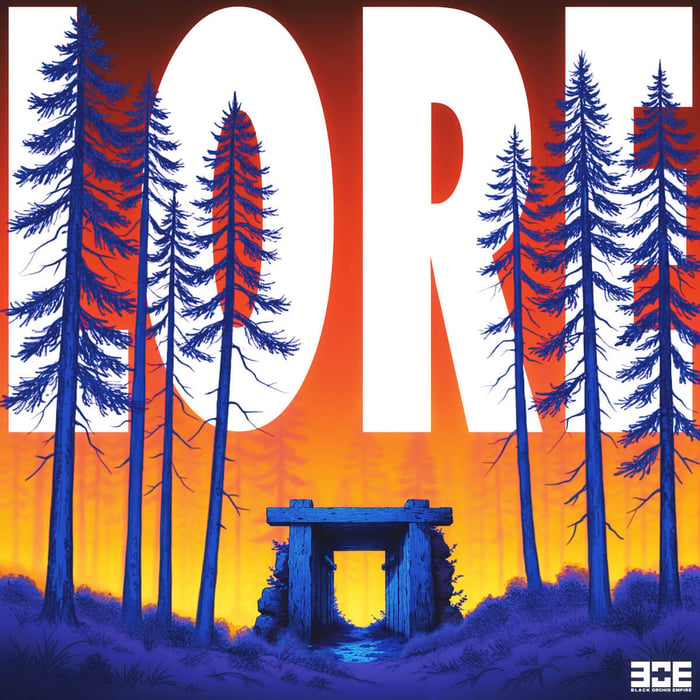
Release note and where it lands
LORE is out now via Year Of The Rat Records. That’s the clean logistical fact, but the listening takeaway is simpler: this is a record built to be replayed, not merely respected.
And if I had to translate my reaction into the kind of neat number people love to argue about, I get why this sits at:
Rating: 8/10
Not because it’s perfect—because it isn’t—but because it’s purposeful, cohesive, and better than the “pretty good prog-metal” pile it could’ve disappeared into.
Conclusion
LORE doesn’t try to out-nerd prog; it tries to out-write it. The songs stay compact, the layers stay busy, and the band keeps flirting with heaviness without letting it bulldoze the melody. A couple production moments wobble, and a few sections feel like they’re negotiating between “hook” and “flex,” but the core idea works: make progressive, melodic metal that actually sticks in your head after one listen.
Our verdict: People who like prog touches but don’t want 12-minute detours will actually love this—especially if you enjoy melody doing the driving while the complexity rides shotgun. If you think “real prog” requires longer songs and a higher boredom threshold, you’ll call LORE album “not enough” and go back to timing your drum fills with a calculator.
FAQ
- What kind of sound does the LORE album aim for?
It leans between progressive metal and melodic metal, with occasional chugging that nudges it toward modern heaviness without fully committing to metalcore. - Is LORE approachable if I don’t usually listen to prog?
More than most. The songs generally avoid sprawling runtimes, so the hooks hit before you get lost in the maze. - Does the production help or hurt the listening?
Mostly helps—clear, layered, and punchy—but a couple moments feel slightly “off” in balance or placement. - Which track best represents the album’s direction?
“Angelfire” feels like the clearest snapshot of the record’s mix of hook, polish, and progressive structure. - Will hardcore prog fans be satisfied?
Some will, some won’t. If you need maximal complexity and longer compositions as proof of legitimacy, you may find it a little too streamlined.
If this album’s cover lodged itself in your brain the way the hooks do, you can always grab a favorite album-cover poster vibe for your wall at our store: https://www.architeg-prints.com/ — it fits the whole “loud music, quiet room” contradiction nicely.
 | DISCOUNTGET 30% OFF*Use code on your next order:
|
* This post may contain affiliate links, meaning we earn a commission if you make a purchase through these links, at no additional cost to you.