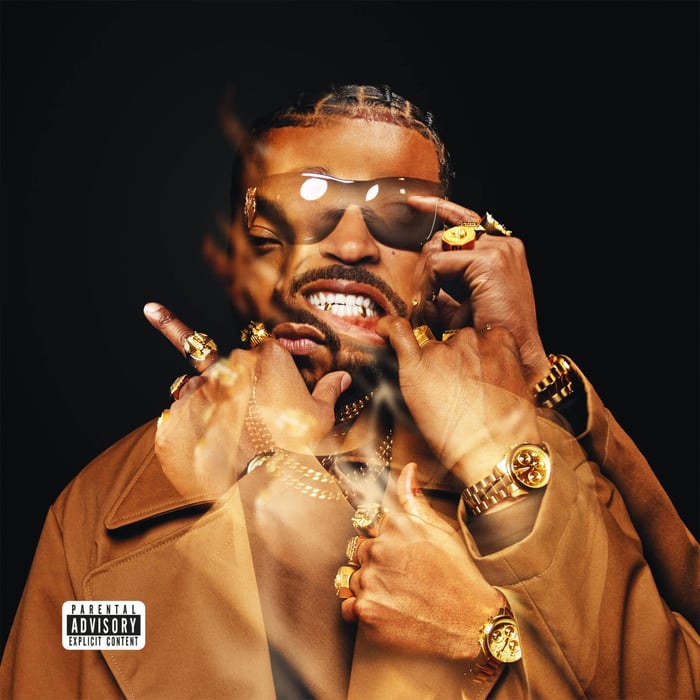
BULLY Album Review: Ye’s “Apology Era” Sounds Like a Screen Saver


 See more Architeg Prints stories on Google.
BULLY Album Review: Ye’s “Apology Era” Sounds Like a Screen Saver
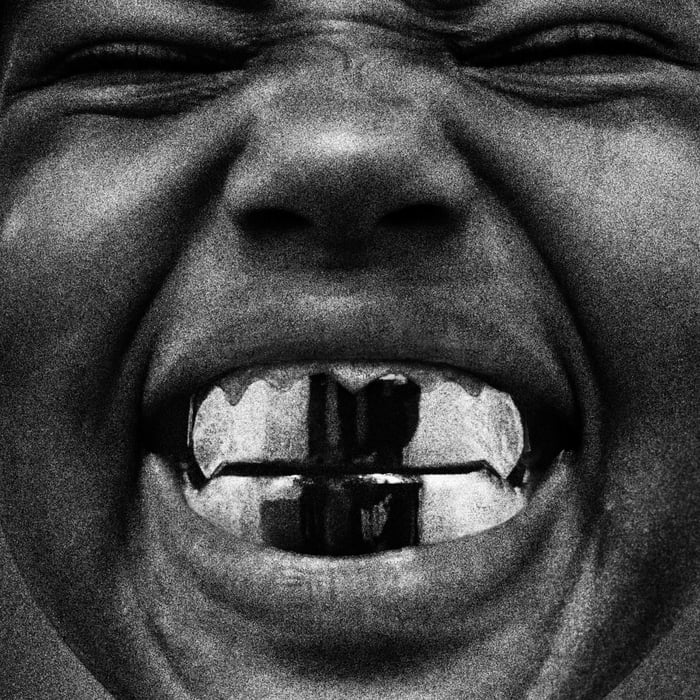
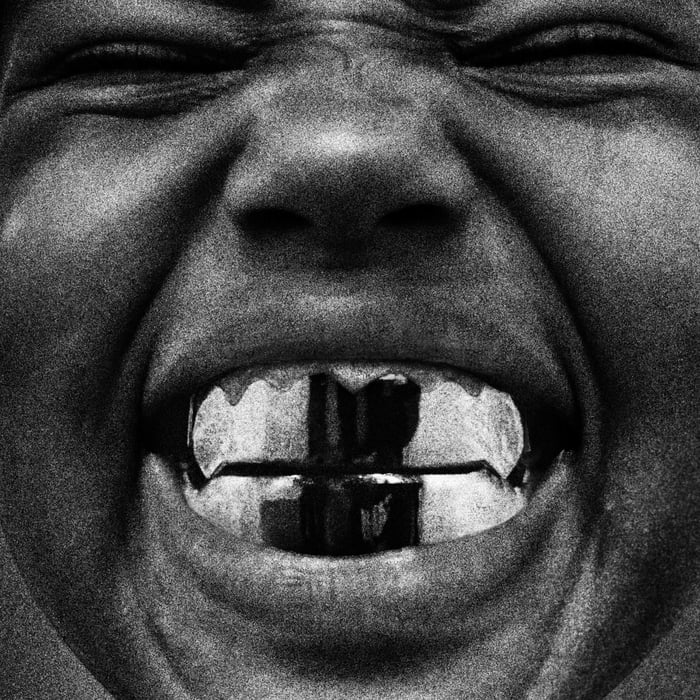
BULLY album is Ye trying to reset the narrative—then forgetting to write the songs. Great samples, thin guts, and a weirdly vacant “internal experience.”
This album shows up after a public apology… and ducks the point
There’s a specific kind of whiplash you only get when someone makes a very public, very serious confession—and then drops music that acts like none of it happened.
Right before BULLY album, Ye (the man many people still call Kanye West) bought a full-page newspaper ad and laid out the kind of thing you don’t put in print unless you mean it: a brain injury, a bipolar type 1 diagnosis tied to a car wreck from twenty-four years ago, and a direct line drawn from that to years of implosions, antisemitic tirades, and even swastika merch. He credited his wife and inpatient treatment in Switzerland for pulling him back. That ad ran in The Wall Street Journal, and for a second, it read like the lights were finally on.
Then BULLY album starts—and the lights go right back off. Not dramatically. Not even offensively. Just… absent.
The “serious statement” energy disappears the moment the beat drops
The weirdest part is how little of that confession survives contact with the music. I kept waiting for the record to deal with any of it—mania, wreckage, shame, consequences, the hard specifics he named in public. Instead, BULLY spends most of its time floating around vague love lines, chemical name-drops, and religious phrases that land like placeholders.
It’s his twelfth studio LP, and the first solo record since Donda. That gap should feel like pressure. It doesn’t. The album moves like it assumes the listener will fill in the emotional blanks just because the headline exists.
And the vocal situation doesn’t help. His team promised the deepfake vocals from earlier versions were removed. Vinyl still shipped with AI on “Preacher Man” anyway, which is the sort of own-goal you can’t “artistic vision” your way out of. Even where it’s supposedly his real voice, the Auto-Tune is laid on so thick the question stops being “is this AI?” and becomes “would it change anything if it was?”
That’s the first uncomfortable truth BULLY album keeps forcing on you: the record doesn’t sound embodied.
When the album works, it’s because someone else is basically driving
Here’s the part that made me roll my eyes and nod at the same time: the best moments belong to other people’s music. Not in a “sampling is hip-hop” way. In a “this song would collapse without the borrowed spine” way.
“I Can’t Wait” lives inside The Supremes
“I Can’t Wait” rides The Supremes’ “You Can’t Hurry Love,” and Diana Ross basically becomes the song’s bloodstream. The swing, the patience, the actual sense of motion—none of it comes from Ye. He mumbles about shipping stress to UPS and going “Shaq mode,” which is such a weirdly mundane flex that I almost respected it… until I realized it’s still just filler between someone else’s hook.
The sample gives the track a reason to exist. Ye’s verses feel like a delay in the service.
“White Lines” opens warm, then Ye walks in with draft lyrics
“White Lines” starts with Stevie Wonder’s talkbox medley of “Close to You,” and it’s instantly comforting—like walking into a room where somebody already set the temperature correctly. Then Ye shows up with lines like “Sometimes I belong by myself, yeah / Don’t feel at home by myself,” and they don’t sound raw or minimal on purpose. They sound unfinished.
I’m not even saying the sentiment is bad. I’m saying the writing doesn’t cash the feeling. It’s like he’s captioning an emotion instead of singing it.
“Last Breath” almost becomes an idea—almost
“Last Breath” borrows Poncho Sanchez’s “Bésame Mamá,” and the salsa loop does the heavy lifting with its eyes closed. Ye flips Spanish and English, and for a minute the bilingual back-and-forth actually feels like he’s thinking in real time. When he lands on “But you’ll never control me,” it’s the closest thing on the album to a real tension: surrender yanked back into defiance.
But even here, the Sanchez record is doing the “feeling” for him. Ye’s performance is more like he’s steering a car that’s already on autopilot.
“Circles” wastes a sample that’s already proven it can carry classics
“Circles” loops Cortex’s “Huit Octobre 1971”—a piece of music that’s been flipped beautifully before—and Ye gives it about sixty seconds of actual content. That’s not “minimalism.” That’s leaving the room and letting the décor host the party.
I thought on first listen that the short runtime might be a deliberate flex—like, “I don’t need to do much.” On second listen, it just sounded like he didn’t do much.
When Ye writes without a borrowed hook, the songs turn into blank paper
Strip away the iconic loops and the “instant mood” samples, and you start hearing what Ye is actually writing here. And it’s not that the lines are always terrible—it’s that they don’t go anywhere.
The title track “Bully” tries to sound like a mind in motion
Fifty thousand lunch, twenty bottles drunk
Left without you, love. I’m completely numb
System overdrive, algorithm’s fried
You consume my mind, you got all my time.
On “Bully,” he lists neurochemicals—“serotonin” shows up like it’s supposed to mean something by itself—then jumps through disconnected images: expensive lunch, bottles drunk, numbness, algorithms fried. The words are shaped like feelings. They rhyme. They don’t accumulate into a point.
That’s the theme across BULLY album: it presents the outline of inner life, then refuses to color it in.
“Highs and Lows” is breakup language assembled from a kit
“Highs and Lows” gives you one verse, and it’s basically breakup clichés stitched together: “toxic love,” “chemical romance,” and the melodramatic “before I break your heart, I’ll have a heart attack.” It’s not even the clichés that bother me; it’s how little friction there is between them. No twist. No detail. No surprise.
The track spends more time begging not to be let go than explaining why being held matters. Eight bars of verse can be enough—if they hit. These don’t.
“Damn” repeats until the song evaporates
“Damn” is barely more specific. “Did I ruin your plans?” repeats. “My feelings are the facts of it” repeats. Then the track ends, like it got bored mid-thought.
If someone asked what the song is about, you’d end up describing the vibe of regret, not a regret that actually happened.
And yes, Ye described this record in a press statement as “documentation of internal experience.” But documenting blankness is still blankness. You can label an empty folder “Important” all day. It’s still empty.
Two songs almost make the case for the album—and that’s the problem
There are a couple moments where BULLY album briefly looks like it remembers how to be music, not just an aesthetic.
“Beauty and the Beast” proves Ye can still make a chop feel inevitable
“Beauty and the Beast” flips The Mad Lads’ “Don’t Have to Shop Around,” and the chop is genuinely beautiful. The loop has grain and glow—the kind of warm damage that used to make Ye’s best sampling feel like he wasn’t borrowing a song, he was rescuing it.
The melody (“It’s been a long time coming / fresh new tires, I’m still running”) is simple enough to stick. And the outro—“never put me down”—finally sounds bruised in a way the lyric-dump tracks never reach. It’s one of the only times here where repetition feels emotional instead of lazy.
If you want the most convincing argument that Ye still has musical instinct, it’s this track.
“All the Love” hits an alien-gospel pocket that feels purposeful
“All the Love” opens with Fairouz’s Arabic vocal sample (“Fayek Alaya”), and it’s immediately transporting—not because it’s exotic window dressing, but because it sets a spiritual tension the song actually tries to match. André Troutman’s talkbox echoes the phrase and turns it slick and warm, and suddenly you’re back in that strange in-between zone Ye used to own: part church, part machine, part late-night confession.
It reminded me of Yeezus-era interludes—not in sound-alike nostalgia, but in the way it makes the room feel unfamiliar for a second.
But here’s the uncomfortable part: both of these songs also prove the same point. The production is carrying a man who won’t carry himself. Take the samples away and you’re left with sketches.
The rest ranges from underwritten to practically not there
- “Circles” has two micro-verses and a one-word chorus, like it’s allergic to development.
- “Losing Your Mind” repeats itself so directly the two verses are nearly twins—“A beautiful rose is standing at the corner / She is living in and out of tune” shows up in both—while the interpolations end up doing more talking than Ye does.
- “Mission Control” cycles through a devotional phrase—“holy, holy art thou, I am free because you were bound”—three times with minor wording tweaks. Tony Williams appears near the end, and even that doesn’t really change the air in the room. It’s like adding spice to a dish that was never cooked.
- “This One Here” leans on ad-libs (“Come on, it’s go time,” “lights on, showtime”) and winds up sounding like a pep rally for a song that hasn’t been written yet.
- “Preacher Man” has him calling himself the “only GOAT, the genius one,” which could’ve read as self-parody if the rest of the album had enough self-awareness to make the irony believable. Instead it lands like a slogan on an empty billboard. Also: it’s the track tied to the AI-vocal mess on vinyl, which is almost too on-the-nose for an album this vacant.
If I sound harsh, it’s because the record keeps teasing meaning, then refusing to show up with it.
The real contradiction: the apology was specific, the album is fog
That newspaper ad was direct: named incidents, named diagnosis, named the people who helped. It had weight because it had detail. BULLY album does the opposite. The second the music starts, the specifics evaporate.
The mania, the antisemitism, the institutional wreckage—gone. Replaced by gauzy proclamations about love, serotonin, and God, like those words alone can substitute for the hard parts.
And yes, the crate-digging is occasionally stunning—Asha Bhosle, Fairouz, The Supremes, Stevie Wonder, Cortex. But Ye uses these samples the way you’d use a stock photo:
- Drop it in
- Write four bars on top
- Repeat
That workflow can still make hits. Here it mostly makes wallpaper.
I’m not even totally sure this is laziness. Part of me wonders if the emptiness is the point—like he’s trying to present “recovery” as numbness, a kind of emotional safe mode. But if that’s the intent, he still needed to make numbness feel like something. Right now it feels like nothing.
The favorite track and the blunt reality
If I’m picking one song that actually sticks: “Beauty and the Beast.” It’s the clearest example of the old instinct—how Ye can make a sample feel like fate instead of decoration.
Overall, though, my reaction lands firmly in “very poor” territory—not because it’s scandalous or offensive, but because it’s weirdly contentless. This isn’t a disaster. It’s a screen saver.
Conclusion
BULLY album arrives with the shadow of a serious public confession hanging over it, then spends most of its runtime acting like emotions can be implied instead of written. When the samples hit, the record glows. When Ye has to stand on his own words, the floor isn’t there.
Our verdict: People who love crate-digging and can happily replay a gorgeous loop while ignoring the verses will get what they want here (and will probably defend it loudly). If you’re showing up for actual writing, actual vulnerability, or even just finished songs, this album will feel like being handed an apology letter… with half the pages missing.
FAQ
- Is the BULLY album Ye’s first solo project since Donda?
Yes—this is his first solo LP since Donda, which makes the thinness of the writing feel even more glaring. - Does BULLY address the serious themes Ye raised in his newspaper ad?
Not really. The music mostly dodges the specifics and retreats into vague love lines, chemistry words like “serotonin,” and generalized God language. - Which tracks actually work best on BULLY album?
“Beauty and the Beast” is the one that feels most complete, and “All the Love” has a strong atmosphere driven by its samples and talkbox textures. - What’s the biggest issue with the album’s songwriting?
The lyrics often read like first drafts: images that rhyme but don’t build, repeated lines that don’t deepen, and songs that end before they say anything. - Is sampling the main reason the album has any momentum?
Yes. The most alive moments are carried by The Supremes, Stevie Wonder, Fairouz, Poncho Sanchez, Cortex, and others—often more than Ye’s verses do.
If this whole conversation has you thinking about album art as mood-setting camouflage, you might want to put that feeling on your wall—tastefully. You can shop favorite album cover posters at our store: https://www.architeg-prints.com/
 | DISCOUNTGET 30% OFF*Use code on your next order:
|
* This post may contain affiliate links, meaning we earn a commission if you make a purchase through these links, at no additional cost to you.