The Understudy Review: Wyatt Waddell’s “Backup Plan” Flex (Too Honest?)


 See more Architeg Prints stories on Google.
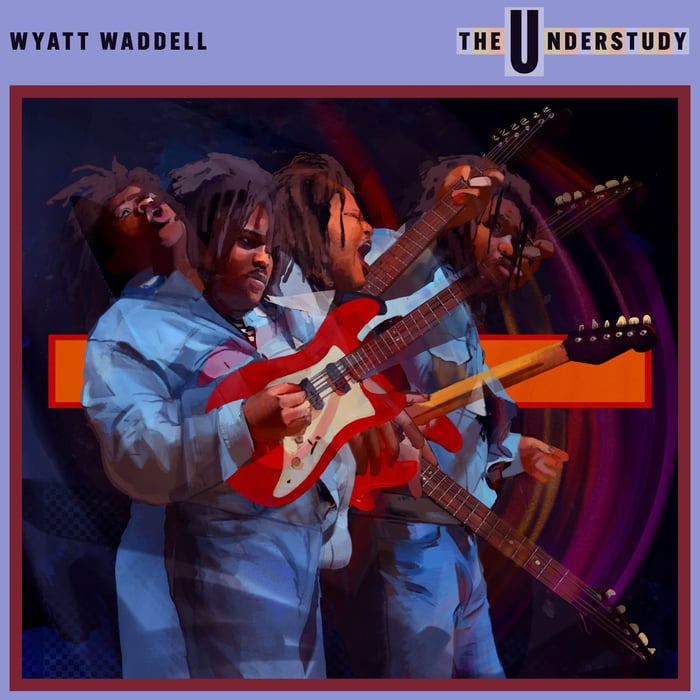
Album Review: The Understudy by Wyatt Waddell
Wyatt Waddell’s debut album, The Understudy, offers a patient and disciplined approach to heartbreak, combining live instrumentation with honest, specific songwriting that reveals the struggles of waiting in the wings.
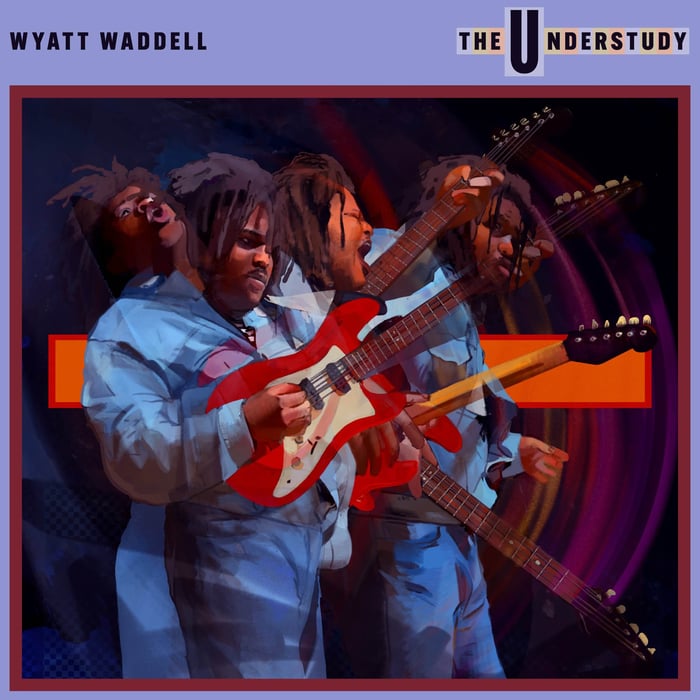
A record about waiting… that refuses to sound impatient
Some albums kick the door in. The Understudy stands by the door with perfect posture, adjusts its cuffs, and then decides whether you’ve earned the entrance.
Wyatt Waddell’s story is baked into that title before a note even lands: he’s the prepared performer who’s been ready, and maybe tired of being ready. He grew up a street away from O-Block in West Woodlawn, but the music doesn’t wear that geography like a chain or a badge. If you’re expecting the neighborhood to show up as obvious menace or street-reporting, it doesn’t. Instead, the record feels like a guy who learned discipline early and decided the drama would happen inside his head—in technique, in restraint, in how long he lets a feeling sit before he moves on.
As a kid, he joined Chicago’s Intonation Music Workshop, learned piano, then picked up bass and guitar. And you can hear the “student of performance” energy in the way he sings—like someone who’s watched a lot of performers closely, copied the little things (the tics, the posture, the moves), and then started throwing out whatever felt fake. He even returned to Intonation as an instructor, which honestly tracks: this album sounds like someone who knows how to demonstrate a concept cleanly.
The debut was supposed to arrive in 2020. It didn’t. It kept not arriving. Six years later, The Understudy finally shows up sounding like a person who’s been standing in the wings long enough to start narrating the waiting.
The production choice that tells you everything: “we played it”
The next clue is the construction. Waddell produced every track himself, with Nik Ritchie on drums and Zach Nicholas on keys. Between the three of them, they play everything you hear.
No programmed drums. No samples.
That decision matters because it forces the songs to live or die on human timing—the little pushes and pulls that make a groove feel like a mood, not a grid. It also makes Waddell’s whole point feel clearer: he’s not trying to win by volume or by trend. He’s trying to win by showing you he can do the work.
You hear it immediately in the playing: tight, organized, and proudly un-flashy. Even when the songs get emotionally messy, the musicians don’t. Part of me wanted them to break character once or twice—just to let something actually crack—but the consistency is also the thesis. The understudy doesn’t miss cues.
A few details stick out:
- “Daily News” puts Waddell’s bass high in the mix, walking a melodic line that nods toward Thundercat—but without that same twitchy restlessness. It’s more “I’m steady, watch me” than “I’m everywhere at once.”
- “Should’ve Stayed Home” speeds up and suddenly the album remembers it has legs. It’s nervous, brisk, and feels intentionally separated from the midtempo ballads around it—like he wanted one song to sweat.
- “I Saw the Light” uses handclaps—literal, room-sized handclaps from all three musicians—and it’s the kind of small decision that makes the song feel physical. If they’d polished it into some shiny studio snap, the moment would’ve died.
Then there’s saxophone, used sparingly, which is smart because it means it actually means something when it appears. Evan Montgomery’s sax drifts through “Hannah Leave Your Man” and “Gone Away”, and that smoky overlay gives those tracks a late-night looseness the rest of the record doesn’t always reach. The sax is basically a lighting change: suddenly the room gets dimmer, the air gets thicker, and Waddell’s voice sounds more vulnerable just because the atmosphere shifted.
Still—here’s the uncomfortable part—the playing is so consistently competent that it sometimes exposes the writing. The band can carry anything. Not every tune earns that.
Heartbreak as an address he keeps sending letters to
The emotional center of The Understudy is a cluster of songs that all live at the same address: a man gave more than he got, got burned, and now he’s trying to name the damage without sounding pathetic.
“I Thought It Was Over” opens the record with the premise plainly stated. She lied, wasted his time, made him believe the love was real. No metaphor maze, no cute detour. Just: this happened, it hurt, let’s begin.
At first, I honestly thought, “Okay—this is going to be one of those albums where every song is the same bruise.” But on second listen, I realized the repetition is kind of the point. Waddell isn’t just reliving heartbreak; he’s testing it from different angles like he’s rotating a shard of glass under a lamp, watching where it catches.
The record’s best move in this lane is “I Saw the Light,” because it stops pretending heartbreak is mysterious. It brings in his father’s advice—simple, brutal, and impossible to unknow once you’ve heard it.
“She’s not yours
She’s just your turn, my son, ‘til you find another one.”
He sings it with that bruised disbelief you hear in someone who knows the advice is right but hates that it has to be said at all. The song builds from wound to defiance: he insists he was “the best thing by far,” that he “raised the bar.” And I buy it—not because the line is objectively true, but because the need to say it is true. He’s trying to reassemble his dignity in public.
“Love Is a Game” covers adjacent territory, but it slips into more general language: crawling on the floor, she hit the mark and left, siren call, bound to lose. It’s not bad; it’s just less specific, and the gap matters. On this album, specificity is the difference between “he’s telling me something” and “he’s performing heartbreak gestures.”
And yes, I’m aware that some listeners will prefer the vaguer stuff because it’s easier to project your own story onto. I just think Waddell is sharper when he stops being polite.
The romantic “understudy” songs: begging, bargaining, and the backup-plan problem
From there, the album leans into the understudy role romantically too—being the option, the standby, the guy called when someone else fails.
“Hannah Leave Your Man” is where Waddell’s writing gets weird enough to feel like him, not just “a breakup song.” He tells a woman her boyfriend is past his prime, and then drops the kind of nasty cartoon detail that sticks in your mind: bugs crawling out of the guy’s teeth when he smiles. It’s such an odd, venomous image that it instantly separates the song from generic pleading. And the line about taking a bullet to the face for her embrace is ridiculous in a way that feels intentionally oversized—like he’s mocking his own desperation while still meaning it.
That’s the sweet spot for this record: sincerity with a side-eye.
Then “Make Up Your Mind” comes in and… flattens out. The push-pull dynamic is recognizable—she brings him around friends, acts like she doesn’t see him, then calls crying when he leaves. “You say, ‘Come over,’ and I cave in every time” is honest, but it’s not distinctive. It’s the kind of line that’s true in life and slightly too plain in a song—like it needed one more detail that only he would notice.
“Could Be Yours” fares better, partly because it’s the only waltz here. That 3/4 sway forces the emotion to move differently; it can’t just sulk in place. Waddell’s guitar carries real weight, and the line “Same scenes, different movies living in my mind rent-free” lands because the rhythm gives it room to echo. Is it the most original thought ever written? No. But in this arrangement, it feels considered—like he sat with it long enough to choose the right pacing.
I kept waiting for another song to get as strange as “Hannah,” though. The album flirts with oddness, then backs away like it doesn’t want to scare anyone off.
When the record finally laughs: “Should’ve Stayed Home”
Here’s the track that proves Waddell can be sharp and fun: “Should’ve Stayed Home.”
It’s the most enjoyable cut on the record and, not coincidentally, the one that sounds like it knows exactly what it is. He calls himself “a poor unfortunate fella” whose night out only proves people aren’t worth the trip. That’s a petty, relatable little thesis, and he sells it.
The core line is basically social anxiety boiled down into one blurting confession:
“Too many people, so little choices
Everything is overwhelming.”
And the uptempo groove gives the tune jittery momentum that matches the feeling of scanning a room for exits while pretending you’re fine. This is where the no-programming rule really pays off—Ritchie’s drums feel like nerves, not a click track.
If I’ve got a mild complaint about this song, it’s that it makes me want more of this mode across the album. Once you hear Waddell turn observational and quick, some of the slower heartbreak tracks feel heavier than they need to be.
The “leave me alone” suite: fantasies of rest and petty boundaries
After the party panic, “Gone Away” swings hard in the opposite direction, slowing to a crawl through a fantasy of rest: a place where the sun meets the sky and he never has to travel anymore. Montgomery’s sax floats through it, and suddenly the whole album sounds like it’s lying down.
The outro is the most unguarded writing on the LP. Waddell asks someone to tell callers he’s left—not forever, just for some time, just to figure things out, just for himself. It’s not wrapped in swagger. It’s not trying to win. It’s the sound of someone finally admitting exhaustion.
Then “Therapy” comes in as the funniest track—not because it’s a joke, but because the boundary-setting is so blunt it circles back into comedy. He tells someone to get a hobby, take a trip to church, get some exercise—anything, basically, as long as it isn’t obsessing over him.
“Just do anything than worry anything about me.”
The grammar almost helps it. It sounds like a person talking too fast because they’ve had this conversation too many times. And when he says the writing’s been on the wall “in big, bold letters: Go away,” the plain language is exactly right. Any fancier phrasing would’ve ruined the punch.
I’m not totally sure if Waddell intended “Therapy” to be comic relief, or if that’s just my reaction because the album finally stops romanticizing misery. Either way, it works.
The angry detour that the album needed: “The Hate You See”
“The Hate You See” is the angriest thing here by miles, and it doesn’t try to blend in. Good. The album needs this spike.
He compares someone’s heart to plastic “for the blood you collected at a grocery store” and says he hates them “more than point guards can score in a basket.” It’s a weird mix of grotesque and goofy, like he’s trying to describe real disgust but can’t help letting his brain reach for oddball imagery. The hook admits it’s a shame he even has to sing about this person at all. And he adds that they’re lucky he prefers pins to firearms and fists—another line that feels intentionally spiky, like he’s letting himself sound unhinged for once.
This track doesn’t sit neatly alongside the romantic material—and that’s exactly why it matters. It pushes the record’s emotional range past lovesick and lonesome into something closer to contempt. Honestly, The Understudy could’ve used one more moment this direct. When Waddell stops trying to be graceful, the album gets teeth.
The album’s real problem: not the music, the sameness of the bruise
Across 40 minutes, the record returns to heartbreak so often that individual tunes start competing for the same emotional space. And that’s where the “understudy” concept starts to feel accidental: sometimes it’s like the songs themselves are auditioning for the same role.
Waddell’s musicianship doesn’t falter. His voice moves between a grainy bark and a high, sweet falsetto with real control, and the band arrangements stay inventive even when the subject matter repeats. That part is solid. The issue is that “I Thought It Was Over,” “Love Is a Game,” and “Ain’t No Stuntin’” all describe being left by someone who mattered, and they don’t push past the conventions of that premise the way “I Saw the Light” does with the father’s advice or “The Hate You See” does with that bizarre grocery-store metaphor.
And that’s the frustrating thing: Waddell can build a song. He can play one. Sometimes his writing matches his hands, and when it does, it’s the kind of vivid that sticks. But when he stays general, the craft almost works against him. The band is too good to be wasted on safe lines.
To be fair, my first impression overrated the “sameness” problem—I didn’t notice how much the arrangements keep changing until I replayed it with headphones and followed the bass and keys more closely. Still, the album’s best moments are the ones where the lyric gives you a concrete object to hold onto: a father’s line, a party panic, bugs in teeth, blood in plastic.
The tracks that actually tell the truth (and don’t blink)
If you want the record’s intent in three songs, it’s here:
- “I Saw the Light” — heartbreak with a family voice cutting through the fog
- “Should’ve Stayed Home” — social anxiety turned into groove, not pity
- “The Hate You See” — the one time he lets disgust stand upright
Those are the tracks where the understudy stops rehearsing and actually steps into the spotlight.
Conclusion: the understudy steps out… but still checks the script
The Understudy is built like a résumé and a confession at the same time: live playing, tight control, and a singer who keeps circling the same wound until he finally finds the sentences that hurt enough to be memorable. When Waddell gets specific—when he lets the writing get strange, blunt, or a little ugly—the album stops feeling like “a debut” and starts feeling like a person.
But when he leans on general heartbreak language, the craft almost works against him. The band is too good to be wasted on safe lines.
Our verdict: People who like musicianship you can hear—real drums, real hands, real timing—will like this album, especially if you’ve ever been someone’s backup plan and tried to laugh about it later. If you need every track to reinvent the emotional wheel, or you’re allergic to breakup songs that revisit the same bruise, you’ll get impatient and start checking your phone by the third “you left me” scenario.
FAQ
- Is The Understudy fully live instrumentation?
Yes—what you’re hearing is Waddell, Nik Ritchie (drums), and Zach Nicholas (keys) playing it, with no programmed drums or samples. - Which songs stand out the most on first listen?
“Should’ve Stayed Home” hits fast because the groove is nervous and fun; “I Saw the Light” lands because it’s personal; “The Hate You See” because it’s suddenly furious. - What’s the role of the saxophone on the album?
Evan Montgomery’s sax shows up on “Hannah Leave Your Man” and “Gone Away,” adding a late-night haze that the rest of the record doesn’t always reach. - Does the album lean more into romance or anger?
Mostly romance and heartbreak, with “The Hate You See” acting like the one door the album kicks open. - What’s one valid complaint about The Understudy?
A few tracks return to the same breakup premise without the specificity that makes the best songs cut deeper.
If the album’s cover is stuck in your head (it happens), you can always grab a favorite album cover poster for your wall over at our store—it’s a nice way to commemorate the records you actually replay, not just “respect.”
 | DISCOUNTGET 30% OFF*Use code on your next order:
|
* This post may contain affiliate links, meaning we earn a commission if you make a purchase through these links, at no additional cost to you.