SCUM II Review: Drumless Luxury Rap That Shoots First, Shops Later


 See more Architeg Prints stories on Google.
SCUM II Review: Drumless Luxury Rap That Shoots First, Shops Later
SCUM II turns drumless soul loops into a loyalty stress-test—Da Flyy Hooligan raps like trust is currency and betrayal is the invoice.
A record that dares you to keep up
This is the kind of album that doesn’t “set a mood.” It sets a trap. Step in and you’re immediately measuring your own tolerance for swagger, paranoia, and the weird calm of a man describing violence like he’s reading back a shopping list.
The real engine: Agor’s loops with the drums ripped out
Here’s the first thing you notice: Agor’s production shows up nearly naked. No drum kit babysitting the groove. Just samples left out in the open—an organ swell that crests and hangs there, a brass line bending like it’s trying to talk, pianos ringing long enough to make you wonder if anyone’s coming back to catch them.
Drumless rap always does the same psychological trick: it removes the obvious momentum so the rapper has to supply it with diction, breath control, and threat level. On SCUM II, Da Flyy Hooligan doesn’t just “ride” these loops—he fills the empty space like he’s allergic to silence. And that’s the point: without drums, every pause feels like a decision.
Arguable take: the lack of drums isn’t a vibe choice here—it’s an intimidation tactic. The beats don’t comfort you; they just stand there and watch.
Da Flyy Hooligan’s stance: loyalty isn’t a theme, it’s a price tag
The hook on “Veblen Goodz” basically prints the album’s terms and conditions: you back me, I back you—say less. It’s not romantic. It’s transactional. And across SCUM II, that mutual protection isn’t just talked about—it’s treated like the only thing worth owning.
Nearly every track either:
- reinforces that bond like it’s a survival ritual, or
- spells out what happens when somebody breaks it (usually in language that implies “you won’t get a second chance to misunderstand me”).
On “True Stories,” he talks about burying a brother in an undisclosed location—until someone rats to get a bigger slice. That detail lands cold because he doesn’t dress it up. It’s told the way people tell you something they’ve already accepted, which is always more unsettling than outrage.
Then “Lab Coats” doubles down on operational paranoia: snapped SIMs, burned burner phones, proximity wiped clean before anything gets said out loud. The whole track moves like a tutorial on how to leave no evidence, and it’s hard not to hear the subtext: if you even need reassurance about snitching, you were never really in the circle.
Arguable take: this album isn’t “about” loyalty—it’s about fear of being the last loyal person in the room.
“Nightingale Road” and the album’s casual brutality
“Nightingale Road” starts off breezy in that specific way rap gets breezy when it’s describing status. A Maserati in White City. A dedication to Nipsey Hussle. It almost coasts—until the second half turns into a phone call from a cousin describing a violation so severe that Hooligan basically tells his own family: don’t assume this ends clean.
That pivot matters. It’s the record admitting—without ever saying it—that the luxury talk is just the shiny coating on something permanently unstable.
I wasn’t fully sure, on first listen, whether that whiplash was intentional structure or just the track being overstuffed. But the more the album keeps doing these hard turns—flex to bloodshed, prayer to retaliation—the more it feels like the whole point is instability.
Arguable take: SCUM II wants you slightly disoriented, because disorientation is the closest thing it offers to honesty.
Luxury as camouflage: “Guilty Verdix” and the shopping-cart menace
There’s a particular flavor of flex rap where wealth is described like proof of spiritual superiority. This isn’t that. Here, luxury is camouflage—expensive fabric draped over a nervous system that never unclenches.
On “Guilty Verdix,” he crams designer names and high-end objects into one breath like he’s demonstrating abundance: Celine colorblock fleece, Casablanca merino, a full-grain leather briefcase, a red Veneno, custom Giuseppes, imported Miles Davis. Then, without changing tone, he’s splitting wigs and talking eclipse-level damage with a .50 caliber.
That flatness is the trick. The record is basically saying: this is all one lifestyle; stop pretending it separates into categories.
“Disregard his life or make a man approach you violently
Death before dishonor, move cautiously for loyalty.”
Arguable take: the flexes aren’t there to impress you—they’re there to dare you to envy the wrong person.
“Saville Row II”: the runway show with gun smoke in the lighting rig
“Saville Row II” is where the album’s aesthetic becomes almost absurdly clear. Hooli’s in a camel hair coat, maneuvering blocks like Ayrton Senna, sipping from Versace wine goblets in Vienna… and then spraying tech while someone watches bloodshed from a fourth floor.
It plays like a single continuous afternoon where wardrobe changes don’t exist because morality changes don’t exist either. Westside Gunn slides in and matches the frequency perfectly—Balmain, kilo Cuban links, bust-down Rollies, cocaine cookers, and a thirteen gauge to the back. It’s the same tone: shopping and shooting as if they’re errands on the same list.
Arguable take: Westside Gunn isn’t a “feature” here—he’s a mirror, showing how easily this world’s details become self-parody if you stare too hard.
“Alligator Skin II”: Conway’s contempt is the percussion
On “Alligator Skin II,” Conway runs the same program: dope boy money off mixtapes, wrist aching from whipping raw, torso shots rupturing spleens, then the casual dismissal—most current rappers are talentless.
That last part is what functions like drums on this album: contempt becomes rhythm. The music doesn’t need snares when the delivery itself lands like a series of hard taps on a table.
Arguable take: the album’s most consistent “beat” is the way these guys talk like success made them impatient with everybody else.
“China” is the angriest track—and it earns the heat
If the rest of the album feels like luxury paranoia, “China” feels like global rage shoved into one room. Three continents’ worth of pressure show up here, and the track actually holds it.
M1 opens with violent bluntness—wiping smiles off faces—then flashes back to touring with Big Pun in ’99, then swings at U.S. politics, specifically anger at what Bush did to Haitians in Miami. It’s personal, historical, and heated without sounding like a lecture.
Hooligan’s hook pins COVID blame on Boris Johnson and insists China had nothing to do with it. Then his verse jumps through a stack of uglier realities: EDL shirts, dodgy prime ministers, marching for Darfur while holding concealed weapons, self-defense spiraling into outright war. He calls himself “a fly revolutionary rooted in the compost,” which is a line that sounds ridiculous until you realize he means it—he’s claiming growth from rot, not purity.
General Steele closes with du’as for struggling men, the line about no country for old men while young guns bust, and then the Fred Hampton reference—“OG chairman Fred…”—landing like a final stamp of seriousness.
Arguable take: “China” is the moment SCUM II stops sounding like a lifestyle and starts sounding like a worldview.
“Lab Coats”: Rome Streetz shows up starving, and it changes the temperature
Rome Streetz comes into “Lab Coats” on a different gear—pocket full of pieces, custies on the curb, outgrowing close-minded friends, taking risks until you can sit in a big Benz. It’s hunger rap, but not the corny motivational kind. More like: I did what I had to do, and I’m still doing it.
And honestly, that hunger exposes something: Guilty Simpson’s contribution on “Guilty Verdix” doesn’t hit as hard as it wants to. The campfire imagery is solid, the punches land, but it stays comfortable. It doesn’t surprise the beat; it just sits in it.
That’s not a fatal flaw—it’s more like a brief dip in voltage. But on an album built around tension, a comfortable verse reads like someone took their foot off the gas for a second.
Arguable take: Rome Streetz doesn’t just out-rap the moment—he makes the rest of the album sound slightly too settled in its own formula.
Sean Price’s posthumous appearance: chaos beats planning
Sean Price’s posthumous turn is the loosest, funniest, meanest thing on the record. “Happy drug dealer, sell crack with a smile now,” karate-chopping krills, calling himself the prophet of profit, referencing Elijah Muhammad—he sounds like he walked into the booth without a plan and somehow left with something better than any plan.
It’s also a reminder: this album’s world is serious, but the best rappers in it still know how to smirk. Price doesn’t lighten the album—he sharpens it by refusing to be impressed by it.
Arguable take: the record needs this kind of unruly energy more often than it admits.
“Expensive Wishes”: the moment the album finally pays its emotional bill
After eleven tracks of Kenzo, ICU threats, cocaine cookers, rose gold Lexuses—after all that armored living—“Expensive Wishes” is where the bravado drops, and it’s almost jarring.
The first half starts with Hooli spraying on new Versace and then snapping backward into survival mode: writing to live, defeating rivals, praying God listens, being one man on a mission who doesn’t get to see his children. The wishes are expensive because they’re not really about jewelry—they’re about outcomes. He wants his kids owning buildings, Maybachs, Basquiat art, apartments overlooking cities. The whole dream is real estate and permanence—stuff that can’t be confiscated by a bad decision.
Then it goes colder: years in solitary, not answering calls, his mom worried. He sees the day she’s buried and feels like a failure, like he couldn’t make her wishes come true.
The second half stays in that grief without trying to rhyme its way out of it. Wishing he’d spent more time with her. Wishing he’d bought more presents. Recognizing her life as a blessing and still admitting she suffered trauma. Then it shifts again—brother hating, a shirt soaking from a laceration, sixty-four stitches, eight months of pain.
“My mind was faded, set my life or death
I knew the truth and walked away from hatred.”
I’ll admit it: my first impression was that SCUM II might be one of those records that never takes its sunglasses off indoors. But this closer changes the math. It doesn’t excuse the violence talk; it just shows the invoice that finally arrives when you’re alone and the flexes can’t keep you warm.
Arguable take: “Expensive Wishes” is the only track that tells you what all this posturing costs when there’s no audience left.
So is it perfect? No—and that’s kind of the point
This album doesn’t need perfection to earn respect, and it doesn’t have it. There are moments where the luxury-and-threat combo starts feeling like a well-rehearsed routine, like everyone already knows where the camera should point. And the drumless approach, as hypnotic as it is, can blur together if you’re not paying attention—one gorgeous loop bleeding into the next like expensive cologne in a small room.
But when it hits, it hits because it’s honest about its own contradictions: tenderness for family next to suspicion for everyone else, prayer next to retaliation, designer fabrics next to burial sites.
Arguable take: the album’s biggest strength is also its risk—when you live in one emotional temperature for too long, the listener either locks in or checks out.
Conclusion
SCUM II is drumless soul rap used the way it was always meant to be used: to force the MC into the spotlight with nowhere to hide. Da Flyy Hooligan treats loyalty like currency, luxury like armor, and violence like weather—unpleasant, frequent, and not up for debate. And then, right at the end, he finally admits the weather still gets inside the house.
Our verdict: People who like drumless rap that values presence over playlists will love SCUM II—especially if you enjoy your luxury talk with a side of real consequences. If you need big hooks, bright drums, or any sense that the narrator is relaxing… you’re going to feel like you showed up to a fashion show and accidentally wandered into a security briefing.
FAQ
- What does “SCUM II” sound like in plain terms?
Drumless soul samples—organs, brass, piano—built to leave space for the rapping to do the heavy lifting. - Is SCUM II more about luxury or street survival?
Both, and the album’s whole argument is that they’re not separable in this world—the luxury is the reward and the disguise. - Which tracks hit the hardest?
“China” for raw anger and scope, “Saville Row II” for the high-fashion violence blur, and “Expensive Wishes” for the emotional bill coming due. - Do the guest features matter or are they just name drops?
They matter. Westside Gunn amplifies the aesthetic, Conway adds bite, and Rome Streetz injects hunger that shifts the energy. - Is there any vulnerability on the album?
Yes—mostly saved for “Expensive Wishes,” which reframes the earlier bravado as something paid for in time, family, and regret.
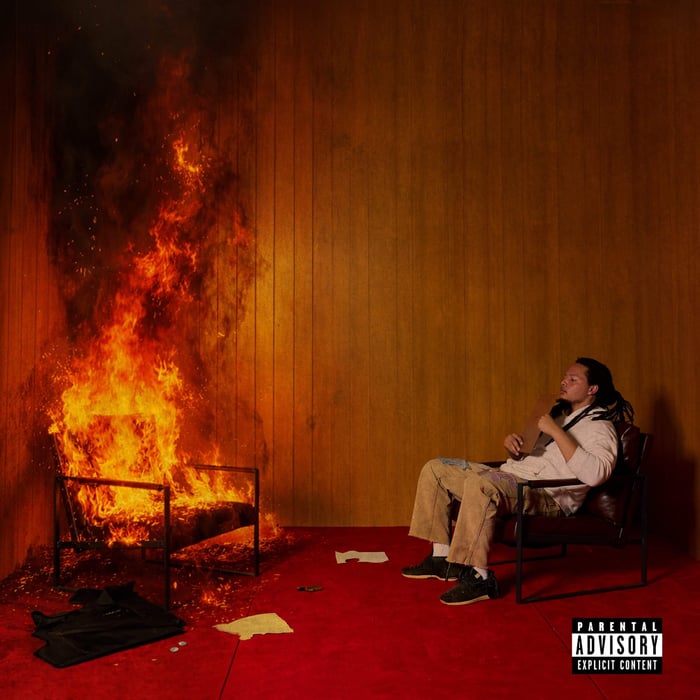
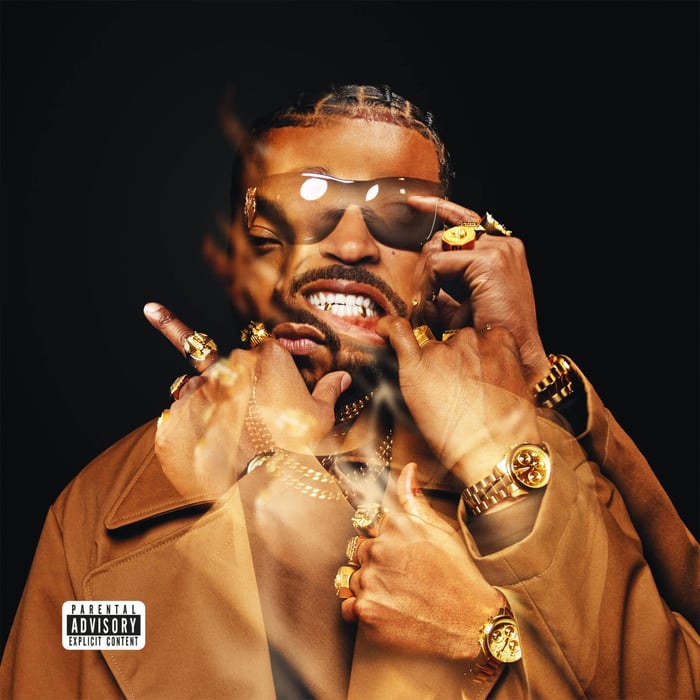
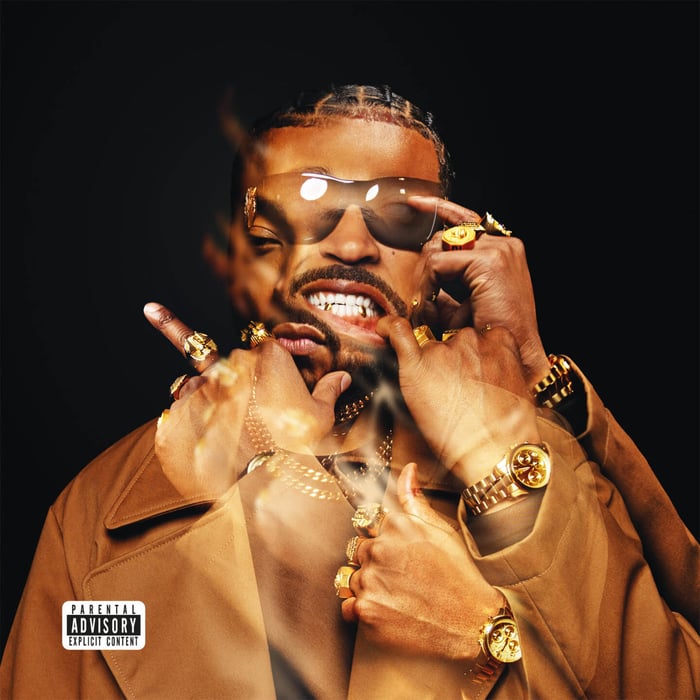
If this album’s cover art is lodged in your brain now (it happens), you can always grab a favorite album cover poster for your wall over at our store: https://www.architeg-prints.com —no hard sell, just a nice way to live with the music a little longer.
 | DISCOUNTGET 30% OFF*Use code on your next order:
|
* This post may contain affiliate links, meaning we earn a commission if you make a purchase through these links, at no additional cost to you.