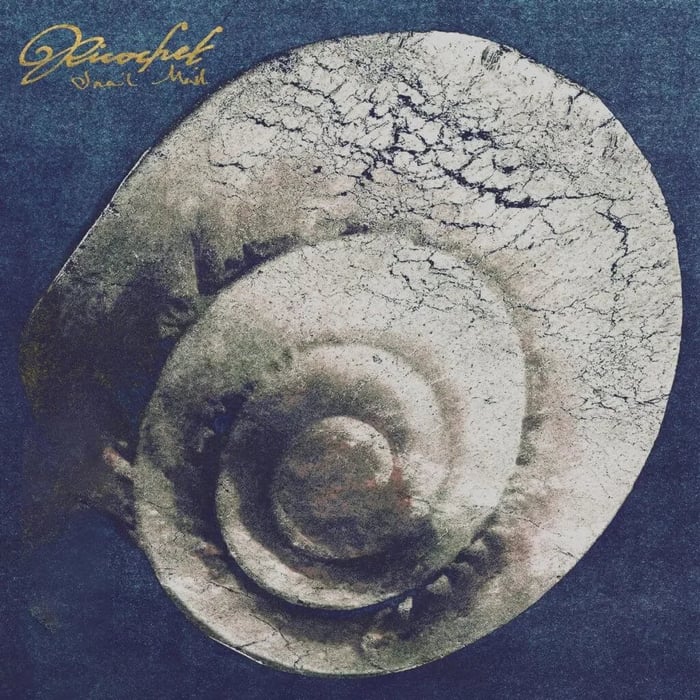
Snail Mail Ricochet Review: Pretty Guitars, Quiet Spirals, Loud Denial


 See more Architeg Prints stories on Google.
Snail Mail Ricochet Review: Pretty Guitars, Quiet Spirals, Loud Denial
Snail Mail Ricochet sounds like isolation dressed up as romance—until the title track admits what’s broken and lets the strings do the arguing.
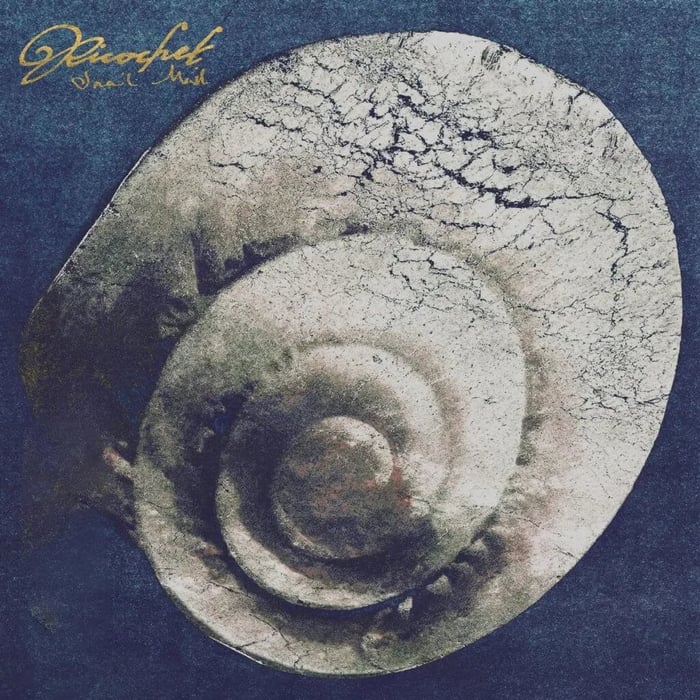
A record that smiles while it clenches its jaw
This album doesn’t kick the door in. It cracks it open, steps inside politely, and then rearranges the furniture in your head while insisting everything’s “fine.”
Snail Mail Ricochet feels like Lindsey Jordan deciding—very deliberately—not to romanticize the place she came from, even when the music keeps trying to float back there. The whole thing is built around a particular kind of restraint: clean guitars that refuse to melt, emotions that refuse to fully confess, and melodies that act like they’re above drama even as the lyrics keep poking the bruise.
I used to think Jordan only really hit when she was writing from that familiar, childhood-bedroom intensity—songs that felt like they were scribbled in the margins of a notebook right before class. But listening here, I had to revise that. The point isn’t “raw diary entry” anymore. The point is control. This is someone choosing the room, choosing the distance, choosing the quiet—then noticing the quiet has teeth.
Leaving the “home base” on purpose
The first thing you notice is how un-nostalgic the album sounds even when it’s being tender. It’s like she’s refusing the comforting myth that you need your old bedroom to write something true.
That choice matters because the album’s emotional engine is isolation—self-imposed isolation, the kind you call “peace” until you realize you’ve started negotiating with it like it’s a roommate. The songs are comfortably subdued, almost cozy, but there’s a low-level tension under the surface, like the record is constantly skirting the edge of obsession and dissociation and then pretending it didn’t.
And yes, I’m interpreting: this album keeps dancing around its own darkness on purpose. It doesn’t want to confess. It wants to imply.
1. “Tractor Beam” — the clean-guitar glow that won’t turn into sunlight
“Tractor Beam” opens with jangly guitars that shimmer without ever becoming blinding. That’s the whole thesis right there: the sound is luminous but measured, like the song is trying to look upward without promising you anything up there.
When the rest of the instrumentation rushes in, it still doesn’t turn into a big cathartic wave. It stacks. It circles. There’s optimism here, sure, but it’s the kind that keeps checking the exit.
The string section swirls like a weather system around her voice, and by the time she leans into the last line—“But you can’t find anyone else like me”—it doesn’t land like a flex. It lands like someone gripping the last scrap of leverage in a relationship that already knows its ending. Arguably, it’s the most “classic Snail Mail” moment on the record, but with the edges sanded down until it’s almost polite.
2. “My Maker” — mortality, but make it aerodynamic
“My Maker” is where the album starts talking about death without putting on the usual indie funeral outfit. The opening line—“I wanna fly a plane to heaven”—doesn’t sound metaphorical so much as stubbornly literal, like she’s trying to engineer her way out of dread.
The wild part is how the song avoids nihilism even when it asks “What if nothing matters?” Instead of collapsing into emptiness, she delivers “Tonight I’m gonna my maker” with way more conviction than that phrase deserves on paper. It’s almost funny how determined it is—like she’s decided certainty is a production choice.
And the production does choose: synth and guitar squiggles color the margins, pushing the track into stratospheric alt-rock. Waiting around to die rarely sounds this… frankly wondrous. If you think that’s too generous, fine—but the song really does make existential dread sound like it has good posture.
3. “Light on Our Feet” — romance without the usual knife twist
This might be the most romantic song she’s ever made, and what’s weird is what it doesn’t include: no frustration, no regret, none of that clenched-teeth longing that usually powers her best choruses.
A featherlight guitar carries the top end while a violin fills the low space, and she fixates on carnival lights in her lover’s eyes. But it doesn’t read like doomed-young-love romanticism. It reads like something quieter and stranger—less star-crossed, more moon-bound.
When she admits “Fantasy is pulling at the seams,” the track doesn’t unravel. It just keeps floating. I’m not totally sure whether that’s maturity or avoidance—maybe both. But I can’t deny the song makes bliss sound sturdy, which is a hard trick for someone with her history of writing heartbreak like it’s a competitive sport.
4. “Cruise” — the ‘90s rock sugar rush hiding a fever
So much for the no-frustration streak. “Cruise” snaps back with “Sick with a rage I can’t contain”—and she sings it like she’s mad at her own bloodstream.
This is where her sentimental ‘90s rock love really shows, especially with those big studio drums. The song wears its influences plainly, but it doesn’t get swallowed by them. The emotional point isn’t nostalgia; it’s escape.
The track keeps reaching for that “float away” feeling—ditch the body, ditch the sickness, wander for a minute. Arguably, “Cruise” is the moment the album admits that serenity here isn’t enlightenment. It’s a symptom-management plan.
5. “Agony Freak” — nu metal fingerprints with pop instincts
Yes, the song called “Agony Freak” drags in nu metal cues. Scratch effects. A doomy, distorted bridge. It flirts with ugliness—but only enough to get the thrill of it.
Here’s the tell: even when she’s leaning into the title’s angst, the chorus stays ear candy. That’s not an accident. It’s Jordan basically saying, “I can write misery in my sleep, but I’m not living there anymore.”
And the song dares the “agony freak” to twist around her like it’s the only compromise left. That’s a specific kind of power move: letting the darkness hang around, but refusing to let it drive. If you wanted the track to go full feral, you might feel teased. I did, a little. But the restraint is the point—this record keeps refusing to give catharsis the satisfaction of being obvious.
“Misery feels safe to write about because I am good at it, but I’m not bathing in my own agony anymore.” — Lindsey Jordan
6. “Dead End” — memory rendered like weather
“Dead End” stares backward without getting sentimental about it. She sounds almost celestial even when she’s pulling from teenage years—parking in a cul-de-sac, smoking with friends, that kind of small-town gravity.
The lyric that sticks is “You’re burned in my heart, old friend”—because it doesn’t feel like a sweet postcard. It feels like a scar she keeps tracing absentmindedly. There’s an implied “and it still burns,” like the past didn’t end so much as go dormant.
As a centerpiece, it’s also the most shoegazey moment, and here’s my mild complaint: I kept wishing that hazy surge bled into more of the album. The sound is so good here—thick, smeared, dimensional—that the cleaner tracks around it can feel a little too well-behaved. Not worse, just… less willing to risk looking messy.
7. “Butterfly” — fragility as a plot, not a mood
“Butterfly” takes a simple symbol—fragility—and actually does something with it. It threads the idea into motion, into a little journey, instead of leaving it as an aesthetic.
Halfway through, the promise of anesthesia lights a punky bridge, then the guitars crash into a daze. Over that fog, she throws out “You want a trip?” like it’s both invitation and warning.
This is a nastier kind of transcendence than the earlier songs: not “let’s float,” but “let’s feel something so I don’t have to look directly at my life.” Arguably, it’s the most revealing track on the album because it admits the craving underneath the calm.
8. “Nowhere” — the secret doorway between waking and vanishing
“Nowhere” pulls inspiration from Laura Gilpin’s 1977 poem ‘The Two-Headed Calf’, and you can feel that influence in the way the song treats tenderness like something that shouldn’t exist, but does anyway.
It’s another sky-driven escape song—except this time the sky is begging her to slip away. The chorus is especially sticky, and she treats the liminal state like a private hinge in reality:
“Nobody can know / The junction of sleeping and being in limbo.”
Of course she tells us. That’s the tension: this record keeps claiming privacy while turning the diary outward. If you think that’s a contradiction, you’re right. But it’s also the emotional truth of the album—wanting isolation, then needing witness.
9. “Hell” — voice as proof of survival, not ornament
On “Hell,” there are moments where her voice gets close to unrecognizable. Not in a gimmicky way—more like she’s testing the full range of expression she has now, the kind you only get by rebuilding technique from the ground up.
The verses feel like a showcase, but the song doesn’t get lost in demonstrating. It’s aimed at estranged friendships, and what’s striking is the lack of self-pity. She doesn’t beg. She calls out into the open.
Then the hook blows open into a gauzy bridge, like she’s projecting the question upward for absent people to see: “Are you wasted? Being on your own?” Arguably, that line is the record’s sharpest mirror—because it doesn’t only accuse them. It asks her too.
10. “Ricochet” — the fantasy breaks, finally
The album’s title track is where everything clicks into place, mostly because it stops being vague. Up until here, the record can feel like it’s hovering—pretty, controlled, occasionally evasive. Then “Ricochet” lands with stark specificity:
“You can’t stop now / My little cliché / ’Til you’ve sold out / All over LA.”
That’s the moment the romance is rubble, the moment the album admits the dream had a price tag and the bill came due. Suddenly, the afterlife’s nothingness sounds tempting—not as melodrama, but as relief: eroded time, infinite possibilities, no more performance.
The strings mirror the couple’s dynamic like they’re bouncing off each other—sharp, ricocheting, never settling. If the album title ever felt like a vague poetic flourish, this track proves it’s literal: this is what love looks like when it can’t stop hitting the walls.
11. “Reverie” — the closer that smirks at the party
“Reverie” makes the isolation make sense. It balances swooning resolution—“If loved is all we’ll ever be, then we’ll bask in our reverie”—with lines that are genuinely funny in a bitter, clear-eyed way:
“Older, now I’ve realized / All my heroes are nothing more than socialites / Fuck them too.”
That’s not just a punchline. It’s the album finally letting its mask slip. Even if “selling out all over LA” means ending up at parties with “soulless zombies” where the cash is the only real religion, she still insists the night can count.
Besides, she implies, there’s always the afterparty. And that’s Ricochet in one sentence: a record that distrusts the room, hates the room, can’t stop narrating the room—then goes anyway.
What Snail Mail Ricochet is really doing (and what it refuses to do)
By the end, I don’t think Snail Mail Ricochet is trying to devastate you the way earlier Snail Mail moments could. It’s doing something sneakier: it’s making dissociation sound elegant, making solitude sound “heavenly,” then letting just enough rage, nostalgia, and specificity leak in to prove the calm is curated.
If you came here wanting a full-body gut punch, you might leave slightly hungry. I did at first. On second listen, though, the restraint started to feel less like a lack and more like the concept—someone circling the truth because walking straight into it would be too easy, too clean, too much like closure.
Conclusion
Ricochet is an album about hovering: above your past, above your body, above the party, above the relationship—until gravity wins for a few crucial minutes and the strings underline the impact. It’s not the loudest Snail Mail record, but it’s arguably the most revealing, because it shows how hard she’s working to stay composed.
Our verdict: People who like their indie rock pretty, controlled, and quietly haunted will actually love this album—especially if you enjoy lyrics that sound like they’re smiling while deleting your contact. If you want constant fireworks or big messy catharsis, you’ll get bored and start blaming the mix, which is a very human thing to do.
FAQ
- Is Snail Mail Ricochet a breakup album?
It acts like one in fragments—devotion, rage, fallout—but it’s more interested in the psychological afterimage than the actual breakup scene. - What’s the most emotionally direct moment on the record?
The title track “Ricochet,” especially the line about “sold out all over LA,” because it stops hiding behind atmosphere and names the wreckage. - Does the album lean more rock or more dreamy indie?
It keeps a rock skeleton—drums, guitars, big choruses—but often dresses it in gauze, especially when strings and haze start steering the mood. - Which track best represents the album’s push-pull between escape and reality?
“Butterfly,” because it turns fragility into motion, then spikes the calm with a bridge that feels like self-medication in real time. - Will fans of earlier Snail Mail miss the rawness?
Some will. The rawness is still here, but it’s tucked under composure—more clenched hand than open wound.
If this album put a specific image in your head—a room, a sky, a party you didn’t want to attend—having that as a poster isn’t the worst idea. You can browse album-cover-style prints at our store: https://www.architeg-prints.com
 | DISCOUNTGET 30% OFF*Use code on your next order:
|
* This post may contain affiliate links, meaning we earn a commission if you make a purchase through these links, at no additional cost to you.