Cambridge Audio Spira Turntable Brings Vinyl Playback Fully Equipped



Cambridge Audio Spira Turntable Brings Vinyl Playback Fully Equipped
The Spira turntable pairs a pre-aligned cartridge, built-in phono stage, Bluetooth, and classic hi-fi detailing in one colorful package.
Vinyl’s Comeback Still Needs a Player
Vinyl has made its grand return, complete with record-store browsing, limited pressings, and the familiar ritual of lowering a stylus onto a spinning disc. But owning records is only half the experience. To hear them, you need a turntable that can turn those albums into music without making setup feel like a weekend engineering project.
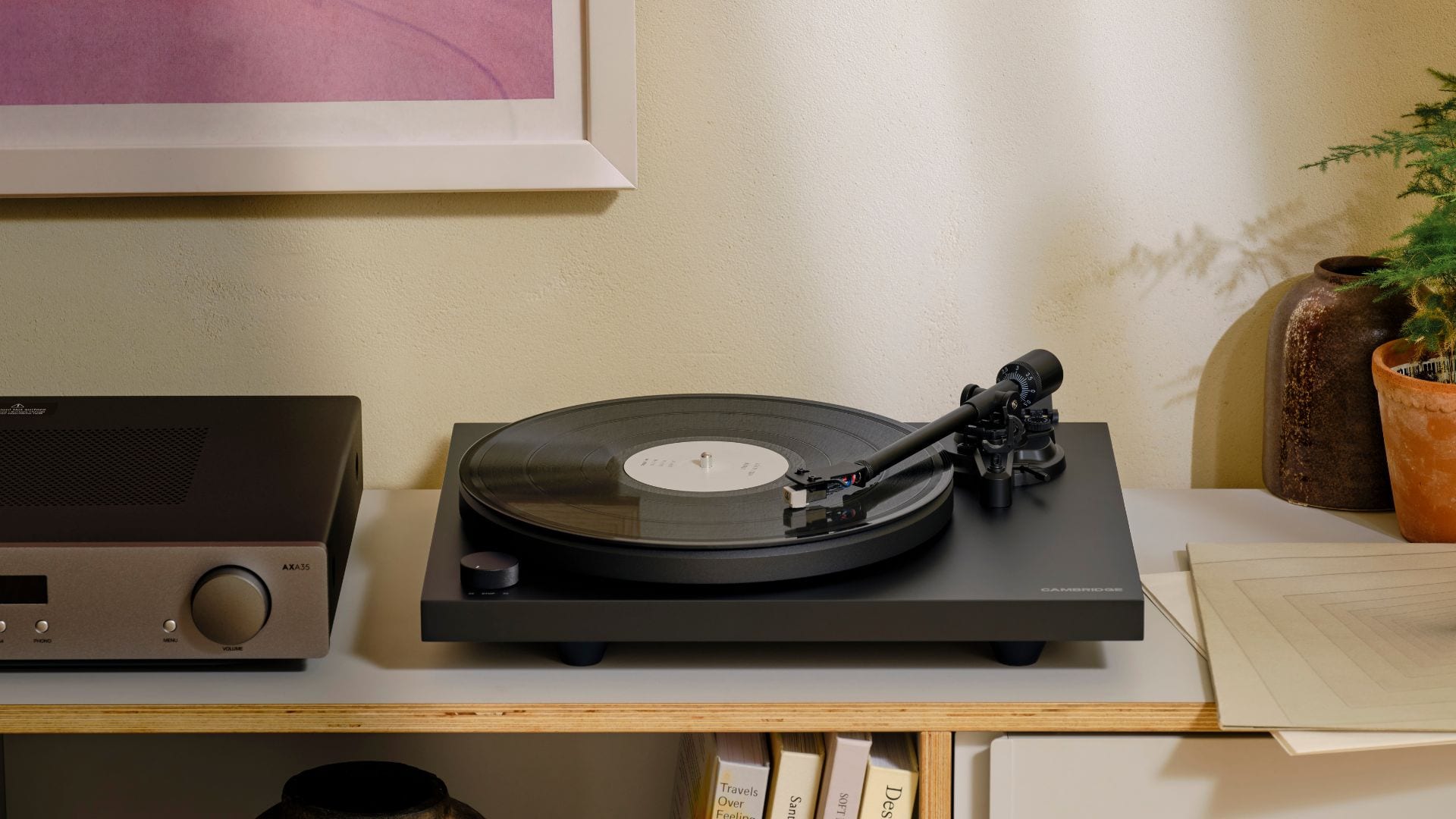
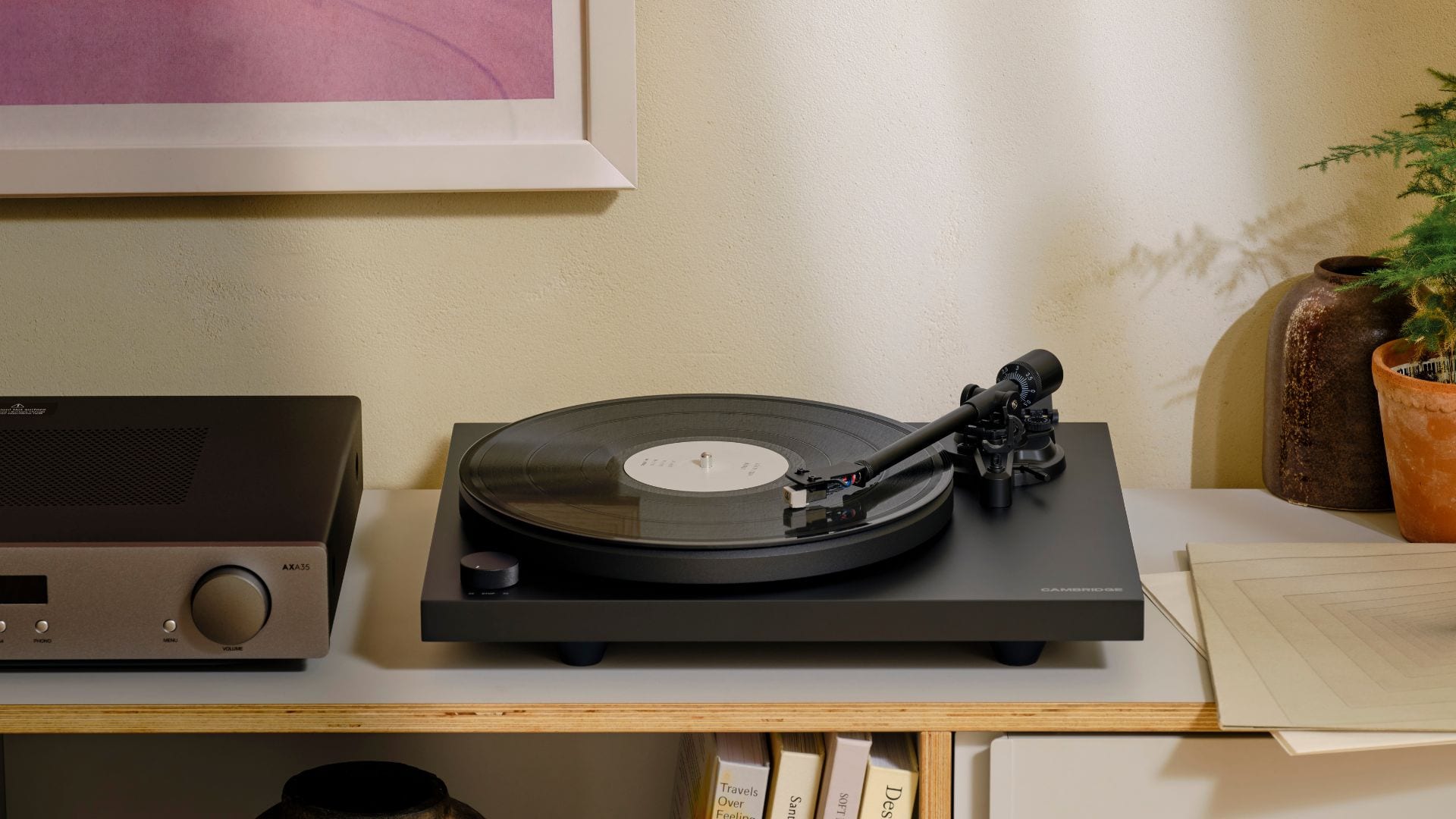
That’s where the Cambridge Audio Spira turntable enters the picture. Cambridge Audio has positioned this new model as a simple, ready-to-use way into vinyl listening—one that aims to give newcomers the essentials straight from the box while leaving room for enthusiasts to make upgrades later.
It’s a sensible approach. Some turntables are little more than beautifully finished foundations, requiring separate amplification, careful cartridge alignment, and a fair amount of patience before the first record plays. The Spira, by contrast, is designed to reduce those early obstacles.
A Ready-to-Play Turntable for New Listeners
The strongest part of the Spira’s appeal is its out-of-the-box setup. Cambridge Audio describes it as “everything you need straight out of the box,” and the specification supports that positioning.
An Audio-Technica cartridge arrives pre-fitted and aligned, so buyers don’t have to spend their first evening adjusting tracking alignment or wondering whether the stylus is sitting correctly in the groove. For someone returning to vinyl after years away—or for a first-time record owner—that convenience could make a real difference.
There’s a certain charm to learning the finer points of analog audio, of course. Tweaking a setup can become part of the hobby. But not everyone wants to begin with a miniature physics lesson. Sometimes, you simply want to open the box, place an album on the platter, and listen.
The built-in phono stage also keeps the system relatively straightforward. Because the turntable includes this circuitry, there’s less immediate need for a separate phono preamp or additional amplification equipment. That means fewer boxes on the shelf, fewer cables behind the cabinet, and fewer decisions standing between you and the music.
Bluetooth Adds a Modern Twist
The Spira isn’t limited to traditional wired listening. Bluetooth support allows the sound from your records to be sent to compatible wireless headphones or Bluetooth speakers.
That feature gives the turntable a more flexible role in a modern home. You might connect it to a wireless speaker during a relaxed afternoon, or send the signal to headphones when you want to listen without filling the room with sound. It’s a useful bridge between the tactile appeal of vinyl and the convenience people now expect from everyday audio equipment.
Naturally, Bluetooth may not be the first choice for every dedicated vinyl enthusiast. Some listeners will prefer a wired connection and a more traditional chain of components. Still, having the option built into the Spira makes it easier to fit the turntable into different listening spaces without requiring a complete hi-fi system.
That versatility matters, especially for anyone whose music setup is still evolving. The Spira can begin as a simple record player and potentially become part of a more elaborate system later.
Upgrade Potential Without Compulsory Tweaking
Although Cambridge Audio is emphasizing simplicity, the Spira turntable isn’t sealed off from future experimentation. Its removable headshell makes it easier to change the cartridge, which is handy for listeners who eventually want to explore different tracking characteristics or pursue a more refined sound.
Cambridge Audio recommends the Audio-Technica 3600LE cartridge as an alternative. The important point is that upgrading doesn’t require abandoning the whole turntable or wrestling with an inaccessible tonearm assembly. The removable headshell keeps that process more approachable.
For a beginner, this means the Spira can remain straightforward at first. Later, if curiosity takes over—as it often does once you start comparing cartridges and phono stages—the turntable offers a path forward.
There’s also the option of using an external phono stage. Cambridge Audio lists its Alva Solo phono stage and Alva Duo phono stage as possible partners for listeners who want to move beyond the built-in phono circuitry. That gives owners a choice: keep the system simple, or add dedicated equipment when they’re ready to explore a more specialized setup.
A Tonearm and Plinth Built for Stability
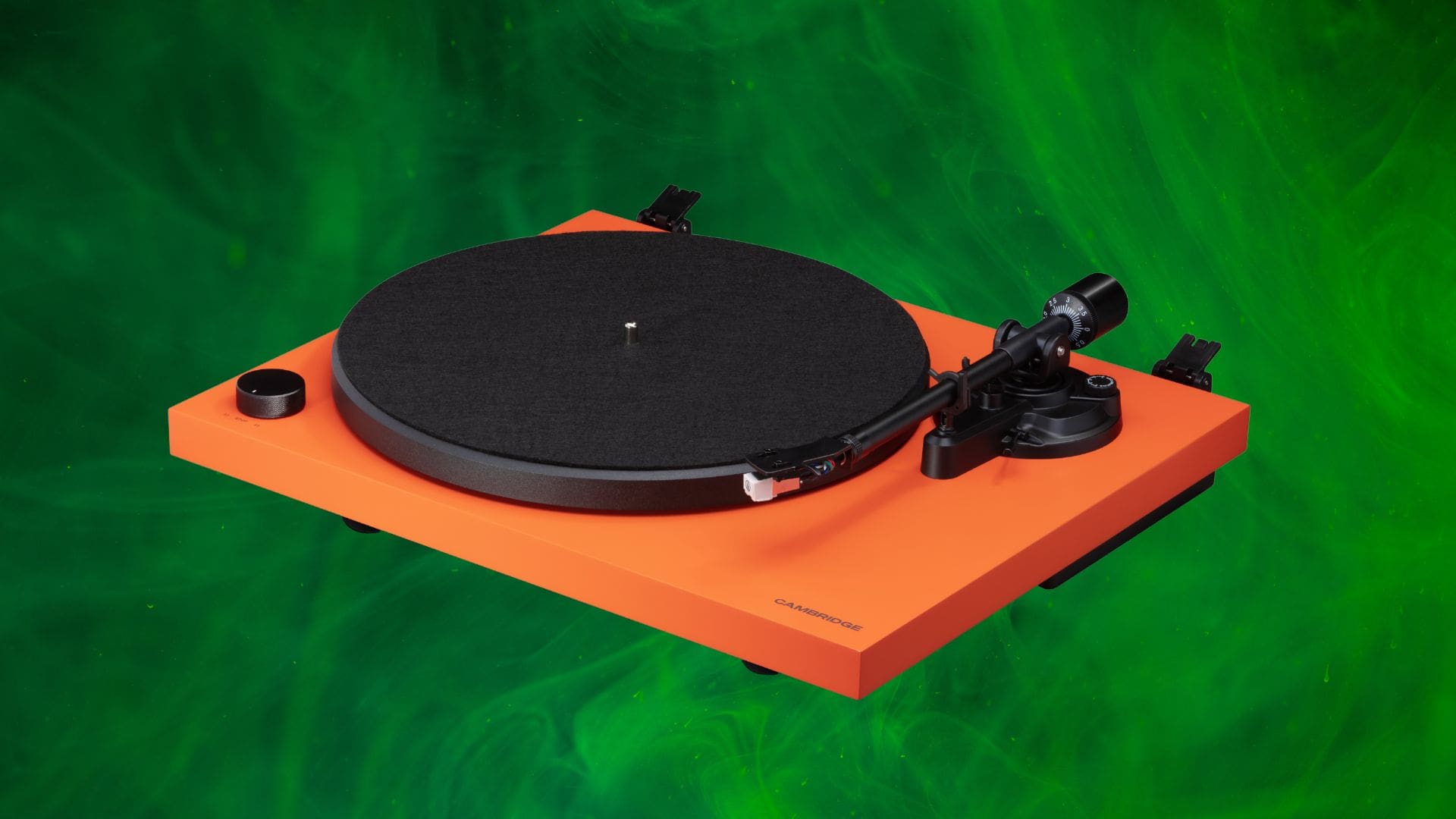
The Spira’s hardware is designed around the practical demands of record playback. Its aluminum-alloy tonearm includes an adjustable counterweight and anti-skate control, two features that help users balance the cartridge and manage its movement across the record.
Those controls may sound technical on paper, but they serve a straightforward purpose. A properly balanced tonearm helps the stylus track the groove consistently, while anti-skate adjustment helps keep the tonearm from pulling too far toward the center of the record. For anyone who has watched a needle behave unpredictably, these details are reassuring.
The turntable’s chassis is built around a solid wooden plinth, with the structure intended to reduce unwanted vibration. Vibration is one of those quiet troublemakers in audio: it may not announce itself, but it can interfere with the delicate signal coming from the stylus.
The Spira also includes a felt mat and vibration-absorbing feet. Together, these details are intended to help prevent rumbles and external movement from affecting playback. It’s the kind of behind-the-scenes engineering that may not be flashy, but it’s essential to a stable turntable.
A Dust Cover for Real-World Listening
A hinged dust cover is included, too, and this is one of those features that can seem minor until you own a turntable without one.
Dust has a habit of appearing out of nowhere. It settles on records, gathers around the stylus, and seems to multiply whenever a black vinyl surface is left exposed. Keeping the cover closed when the Spira isn’t in use helps protect the turntable, while lowering it during playback can help keep airborne debris away from the record.
The hinged design also makes everyday use easier. There’s no separate panel to store nearby and no need to find somewhere safe to place it each time you want to play an album. It’s a small touch, but practical details like this often make the difference between a product that looks good and one that works comfortably day after day.
33.3 and 45 RPM Playback
The Spira supports the two record speeds most listeners will need: 33.3 and 45 revolutions per minute.
That covers standard full-length albums as well as many singles and shorter releases. Switching between speeds is part of the familiar turntable routine, and having both options means the Spira can handle a typical record collection without fuss.
This is perhaps the least surprising feature on the list, but it completes the basic package. A turntable needs to be flexible enough for more than one kind of record, and the Spira delivers the expected speed options while focusing its extra attention on ease of setup and connectivity.
Color Choices for a More Personal Setup
Cambridge Audio is offering the Spira in several colors: black, white, blue, green, and orange.
That range gives the turntable a little more personality than the usual all-black hi-fi component. A black or white version can blend quietly into a traditional setup, while the blue, green, or orange finishes can make the record player a more visible part of the room.
The colors are also designed to coordinate with Cambridge Audio’s own L/R wireless speakers. Pairing the Spira with those speakers could create a cohesive-looking system, particularly for listeners who want their audio equipment to feel like part of the room rather than a stack of anonymous boxes.
And let’s be honest: vinyl is already a visual hobby. The sleeves, labels, shelves, and turntable all become part of the atmosphere. A little color doesn’t hurt.
Price and Availability
The Cambridge Audio Spira is available now, with pricing listed at £329, €349, and $499.
That places it in a part of the market where buyers are likely to weigh convenience against long-term flexibility. The Spira’s pre-aligned cartridge, built-in phono stage, Bluetooth capability, adjustable tonearm, dust cover, and upgrade-friendly headshell all contribute to its all-in-one appeal.
Whether it ultimately earns a place among the standout turntables available will depend on how it performs in real listening conditions. Its specifications suggest a thoughtful balance: approachable enough for someone buying their first serious record player, but adaptable enough to keep more experienced listeners interested.
For now, the Spira looks like a confident return to the format from Cambridge Audio—part traditional record player, part modern wireless music component, and part invitation to keep exploring.
The Cambridge Audio Spira turntable makes a strong case for keeping vinyl playback simple without making it feel basic. With essential setup handled, wireless listening included, and sensible upgrade options waiting in the wings, would this be the turntable you’d choose for your next record-listening corner?
FAQ
- What cartridge comes fitted to the Cambridge Audio Spira?
The Spira comes with an Audio-Technica cartridge pre-fitted and aligned, allowing users to begin playing records without carrying out the initial cartridge setup themselves. - Does the Spira turntable include a built-in phono stage?
Yes. Its built-in phono stage reduces the need for separate amplification equipment, making it easier to connect the turntable to a suitable audio system. - Can the Cambridge Audio Spira connect to Bluetooth devices?
Yes. Bluetooth support allows vinyl playback to be sent to compatible wireless headphones or Bluetooth speakers. - Can the cartridge be upgraded later?
The headshell can be removed, making cartridge replacement easier. Cambridge Audio recommends the Audio-Technica 3600LE as a potential alternative. - What record speeds does the Spira support?
The turntable supports both 33.3 RPM and 45 RPM playback, covering standard albums and singles.
If the Spira’s blend of tactile vinyl listening and clean modern design speaks to you, browse our favorite album cover posters and bring a little more music history into your space.
 | DISCOUNTGET 30% OFF*Use code on your next order:
|
* This post may contain affiliate links, meaning we earn a commission if you make a purchase through these links, at no additional cost to you.