Linn 343 Loudspeaker Brings Reference Sound to a Compact Design



Linn 343 Loudspeaker Brings Reference Sound to a Compact Design
The Linn 343 loudspeaker packs Pistonik bass technology, built-in electronics, and a space-conscious cabinet into a high-end audio system.
A Smaller Speaker With Serious Ambitions
Some loudspeakers demand an entire room’s attention before they’ve played a single note. The Linn 343 takes a different route: it aims to deliver reference-level sound in a cabinet designed to fit more naturally into everyday living spaces.
Scottish audio specialist Linn has introduced the 343 as a high-end loudspeaker built for listeners who want substantial, carefully controlled sound without moving up to an enormous cabinet. It’s a thoughtful proposition, especially for anyone who loves the scale and authority of a flagship system but doesn’t want their listening room to resemble a recording studio.
The Linn 343 is also notable because it was developed around the company’s Pistonik drive unit technology from the beginning. Rather than adapting an existing speaker design, Linn has built the 343 around the same engineering principles used in its flagship 360 speakers, then shaped that technology into a more compact format.
That makes the 343 more than a scaled-down alternative. It’s intended to bring the benefits of Linn’s latest drive-unit design to a speaker that can settle into a wider range of homes.
Pistonik Technology Takes Center Stage
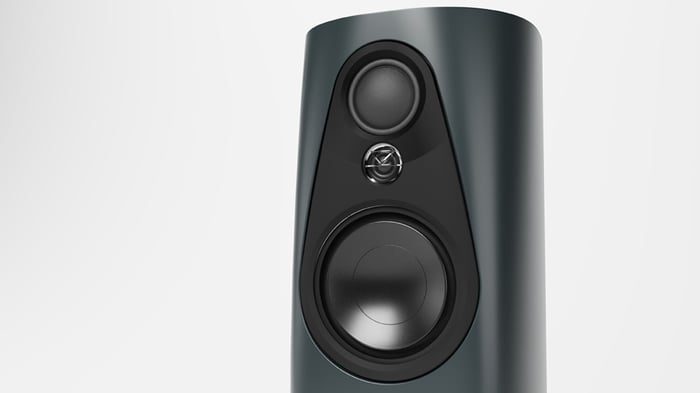
Here’s where the engineering gets especially interesting. The Linn 343 uses an 8-inch downfiring bass driver paired with a 6-inch upper bass driver. Both feature Linn’s Pistonik motor system, a technology that first appeared in the company’s flagship 360 earlier in the year.
The goal is straightforward, even if the engineering behind it is anything but: produce deeper, more controlled bass while reducing distortion. Bass can be the unruly guest at any audio party. It can boom, blur into neighboring frequencies, or overwhelm the finer details in a recording. Linn’s approach is designed to keep the low end weighty but disciplined.
The downfiring arrangement is part of that strategy. By pointing the main bass driver toward the floor, the speaker uses the surface beneath it to help distribute low-frequency sound through the room. In practical terms, this arrangement is intended to spread bass more efficiently rather than concentrating it in one narrow listening position.
According to Linn, the two bass drivers handle approximately 70% of the speaker’s acoustic workload. That division of labor is important because it allows the cabinet to create a fuller presentation without relying on a much larger enclosure.
The idea is appealing for anyone who has ever shifted a speaker a few inches, sat back down, and suddenly heard the entire balance change. A wider and more even low-frequency spread could make the Linn 343 easier to live with in a real home, where furniture, walls, and listening positions rarely behave like a perfectly treated studio.
A Cabinet Designed to Stay Quiet
The technology inside the Linn 343 is substantial, but the exterior appears intentionally restrained. Linn has used a curved cabinet made from a glass-fibre-reinforced moulding compound. This construction allows the company to use thinner cabinet walls while preserving the stiffness needed to support the speaker’s bass system.
Cabinet rigidity matters because unwanted vibration can color the sound. Ideally, the enclosure should support the drivers without adding its own distracting voice. In a speaker designed for serious listening, that quiet physical foundation is just as important as the visible components on the front.
The curved shape also serves an acoustic purpose. Linn says the rounded edges help reduce unwanted sound diffraction, which can improve stereo imaging and create a wider listening area.
That means the 343 isn’t simply trying to sound good from one carefully marked chair. Its cabinet shape is intended to help preserve the stereo image over a broader area, which is a welcome touch for shared rooms. After all, most people listen to music from sofas, armchairs, kitchen doorways, and occasionally the spot where they’re searching for the remote.
Two Versions for Different Systems
Linn is offering the 343 in two versions, giving buyers a choice between a highly integrated system and a model that works with external amplification.
The 343 Exakt Integrated includes Linn’s Utopik power supply, Exakt digital crossover, Organik DACs, and Adaptive Bias Control amplification inside the cabinet. This version is designed as a more complete, self-contained solution, with the key processing and amplification hardware built into the speaker itself.
That integrated approach can simplify a high-end setup. Instead of assembling multiple separate boxes and deciding how each part should interact, the speaker contains much of the system architecture required to operate it. For listeners who prefer a clean installation and a carefully coordinated design, that could be a major attraction.
The second model is the Passive with Active Bass, or PWAB, version. It keeps the same Pistonik bass drivers and dedicated bass electronics, but it requires external amplification for the upper bass, midrange, and tweeter units.
This arrangement gives system builders more flexibility. Owners can pair the speaker with their preferred external amplification for those parts of the frequency range, while the bass section retains its dedicated electronics. It’s a different philosophy from the Exakt Integrated model, but the central bass technology remains shared between both versions.
Keeping the Electronics Cool and Isolated
The speaker’s internal electronics have also received careful attention. Linn has fitted the 343 with a three-point spring mounting system intended to isolate the electronics module from vibrations produced by the cabinet.
That separation is designed to protect the electronics from the physical energy generated during playback. It’s a small detail on paper, but high-end audio is often shaped by precisely these kinds of details: how parts are mounted, how vibrations travel, and how unwanted movement is kept away from sensitive circuitry.
Heat management is another part of the design. The 343 uses a specially developed aluminum heat sink that relies on natural airflow to keep its components cool. Crucially, this system does not require fans.
That means the speaker can manage heat without introducing the additional mechanical noise associated with active cooling. In a quiet listening room, the absence of a fan’s hum may be easy to appreciate, particularly during softer recordings or the pauses between tracks.
Finishes That Blend In—or Stand Out
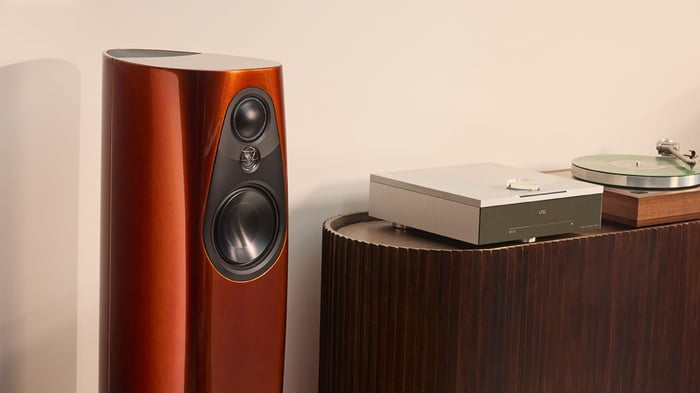
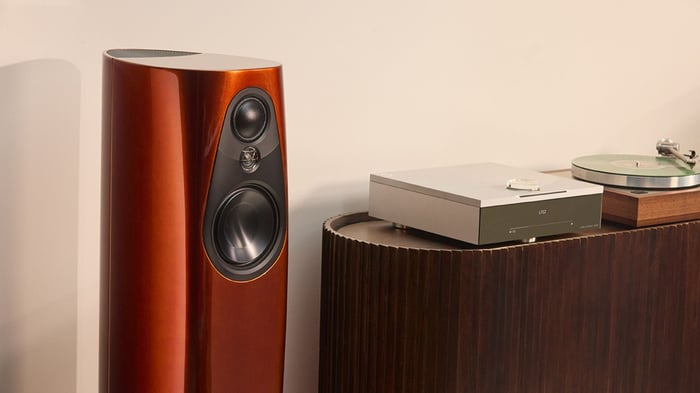
Despite its performance ambitions, the Linn 343 is not presented as a visually aggressive piece of equipment. Its curved enclosure and selection of finishes allow it to take on different personalities, depending on the room.
Buyers can choose from six finishes:
- Piano Black
- Alpine White
- Triton
- Single Malt
- Clyde Built
- Linn Heritage
All versions are paired with black speaker trims. The finish options range from understated and contemporary to more distinctive choices, giving owners a chance to match the speaker with existing furniture and décor—or let it become the room’s centerpiece.
That variety matters because a loudspeaker at this level is unlikely to disappear entirely. The goal is not invisibility, exactly, but a balance between visual presence and domestic practicality. The Linn 343 appears designed to feel deliberate rather than intrusive.
Pricing and Availability
Both versions of the Linn 343 are available to order now. The 343 Exakt Integrated is priced at £65,000, while the PWAB model costs £45,000.
The difference reflects the electronics included in each design. The Exakt Integrated version houses Linn’s power supply, digital crossover, DACs, and amplification, while the PWAB model leaves amplification for the upper bass, midrange, and tweeter sections to an external system.
Either way, these are premium loudspeakers aimed at listeners who place a high value on engineering, finish, and long-term system performance. The compact design doesn’t make the 343 an entry-level product; it simply makes the reference-focused concept less physically demanding than a much larger flagship speaker.
Why the Linn 343 Stands Out
The Linn 343 brings together several ideas that rarely appear in such a compact high-end package. It uses Pistonik technology for its main bass drivers, directs the larger bass unit downward to help distribute low frequencies, and places a significant portion of the system’s electronics inside the cabinet.
At the same time, the curved enclosure is designed to support stereo imaging and reduce diffraction, while the internal mounting and cooling systems aim to keep the electronics stable and quiet.
The result is a speaker built around control rather than spectacle. It doesn’t rely solely on size to create impact. Instead, Linn is using driver technology, cabinet shape, internal isolation, and system integration to pursue a fuller sound from a more manageable footprint.
For music lovers, that’s an appealing promise. Big sound is wonderful, but big furniture is another matter entirely.
The Linn 343 is an ambitious attempt to make reference-level listening more compatible with real-world spaces, combining advanced bass technology with carefully integrated electronics and a choice of six finishes. Would you make room for a speaker like this in your listening setup?
FAQ
- What is the Linn 343?
The Linn 343 is a high-end loudspeaker designed to deliver reference-level sound in a more compact cabinet. It is built around Linn’s Pistonik drive unit technology. - What drivers does the Linn 343 use?
It features an 8-inch downfiring bass driver and a 6-inch upper bass driver. Both use Linn’s Pistonik motor system. - What is the difference between the Exakt Integrated and PWAB versions?
The Exakt Integrated model includes Linn’s Utopik power supply, Exakt digital crossover, Organik DACs, and Adaptive Bias Control amplification. The PWAB version includes dedicated bass electronics but requires external amplification for the upper bass, midrange, and tweeter units. - How does the Linn 343 manage cabinet vibration and heat?
Its electronics module is isolated with a three-point spring mounting system. A specially designed aluminum heat sink uses natural airflow to cool the components without fans. - What finishes are available for the Linn 343?
The speaker is available in Piano Black, Alpine White, Triton, Single Malt, Clyde Built, and Linn Heritage, with black speaker trims on each version.
If the Linn 343’s blend of precision engineering and music-first design speaks to you, bring that same love of iconic audio into your space with a favorite album cover poster from Architeg Prints.
 | DISCOUNTGET 30% OFF*Use code on your next order:
|
* This post may contain affiliate links, meaning we earn a commission if you make a purchase through these links, at no additional cost to you.