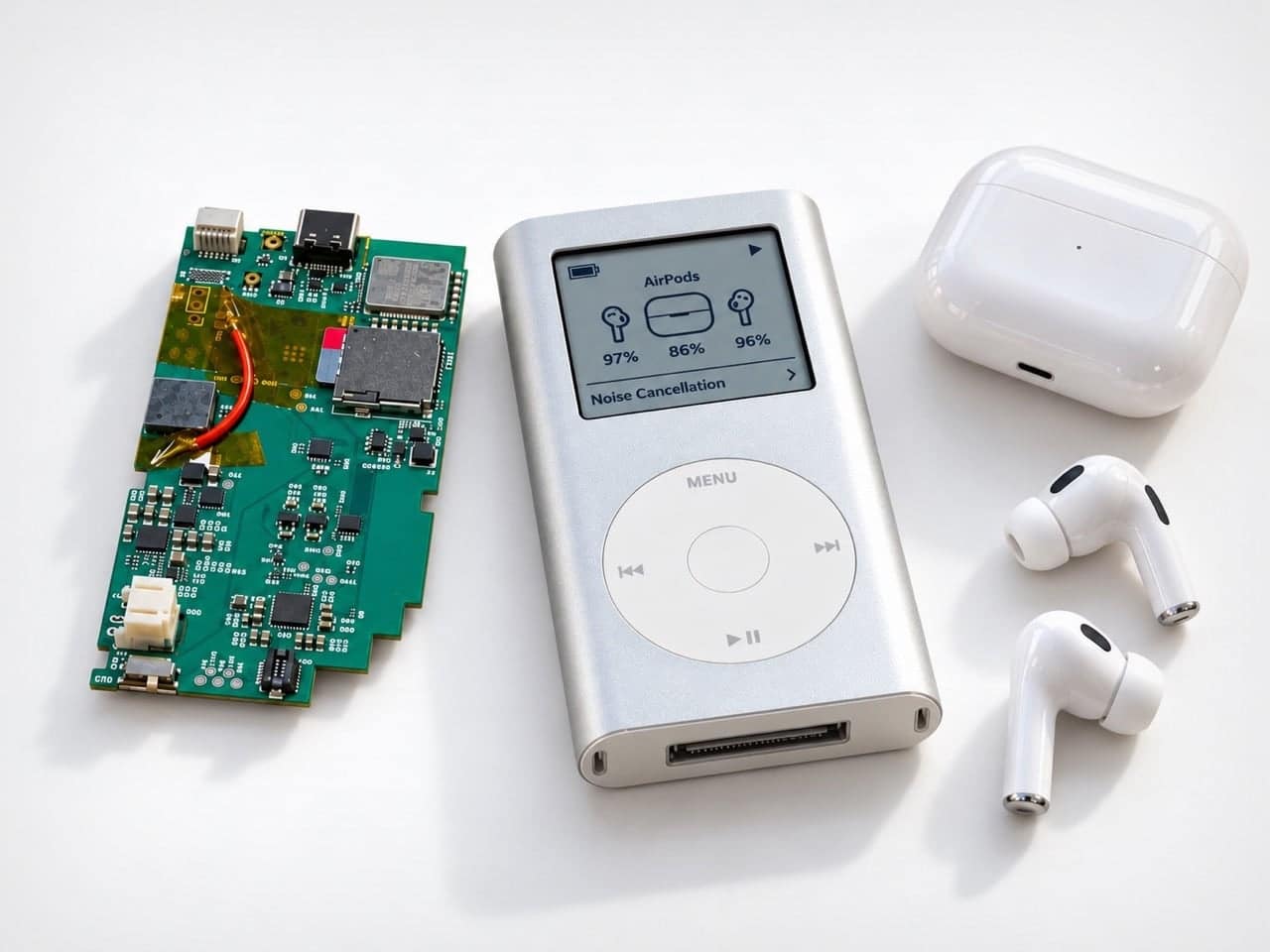
iPod AirPods Upgrade: Give Your Classic Player a Wireless New Life



iPod AirPods Upgrade: Give Your Classic Player a Wireless New Life
This iPod AirPods upgrade brings Bluetooth, USB-C, Wi-Fi, and up to 2TB of storage to classic iPod models without changing their iconic look.
The iPod Is Back, Only a Little Smarter
There’s something wonderfully stubborn about the iPod. It doesn’t buzz with notifications, demand a subscription, or tempt you into scrolling when you should be listening. Now, a new motherboard swap gives that beloved little music player a surprisingly modern trick: pairing with AirPods.
When Apple introduced the iTunes Music Store, the goal was simple: make buying music as easy as the file-sharing services people were already using, but keep the process legal and polished. Individual songs became digital singles, and the iPod became the pocket-sized home for them.
That combination changed how people bought and carried music. More than two decades later, the iPod is enjoying a second life. Part of that is nostalgia, of course. Many people remember loading a player with a carefully chosen library before leaving the house, with no algorithm waiting to decide what they should hear next.
But the renewed interest is also practical. A growing audience wants music that can be owned, stored, and played offline. The trouble is that even a working old iPod has no idea what to do with Apple’s wireless earbuds.
That’s where Sprout enters the picture.
A New Brain Inside the Original iPod Body
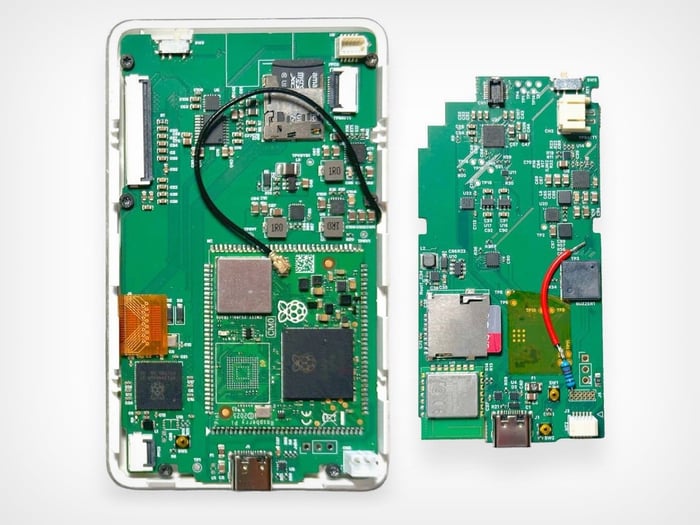
Certain Things, a London-based design studio, has created Sprout as a replacement motherboard for the iPod 3rd generation, 4th generation, and iPod mini. The idea is refreshingly restrained: keep the original case, screen, click wheel, and overall personality, while replacing the aging electronics underneath.
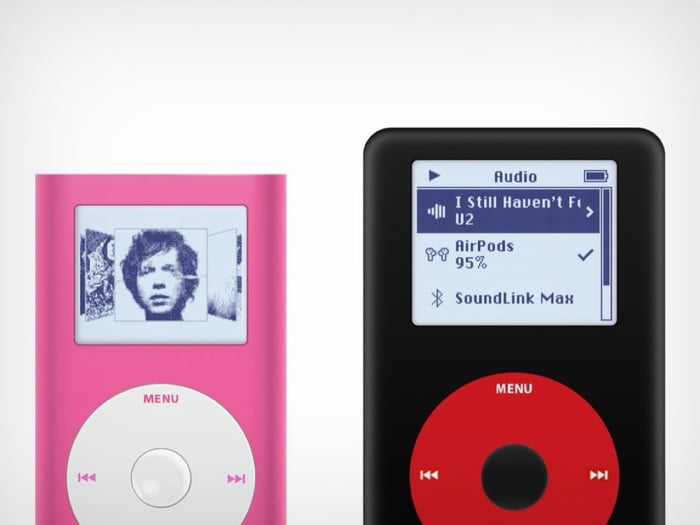
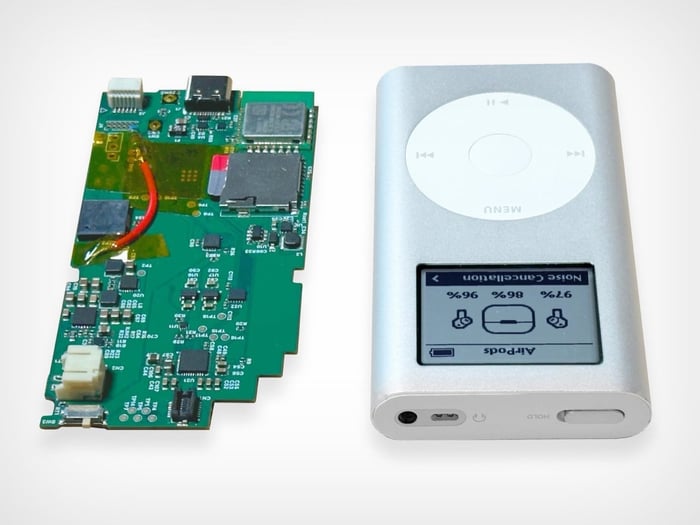
The result adds Bluetooth support for AirPods and other wireless headphones or speakers. AirPods can bring their noise cancellation along for the ride, which is a fairly surreal pairing when you think about it. The player in your hand may look like it belongs in the early 2000s, but the earbuds in your ears are doing distinctly modern work.
Sprout also adds several upgrades that make everyday use less fussy:
- USB-C charging
- Wi-Fi support
- A microSD card slot
- Storage capacity of up to 2TB
- Wireless audio through Bluetooth
- Continued access to the original 3.5mm headphone jack
Two terabytes is enough for roughly 500,000 songs, depending on file sizes and formats. That’s less a music collection and more a private archive with a click wheel.
A Crowd Supply campaign is planned, although pricing and shipping details have not been announced. The project’s designer is Certain Things.
Same Shell, New Motherboard, No Soldering
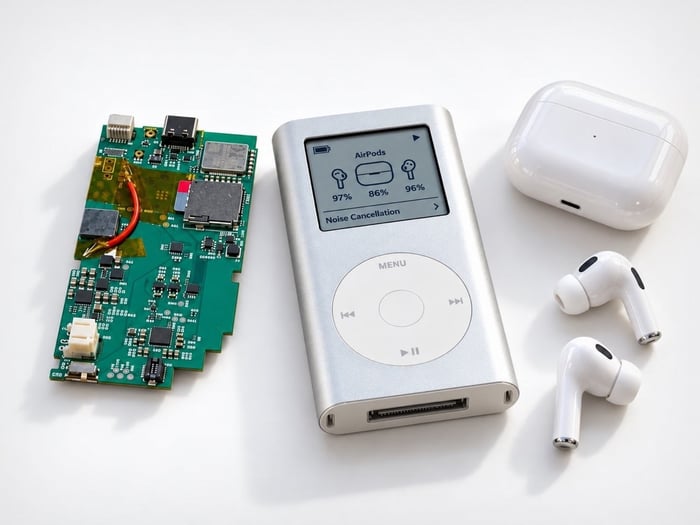
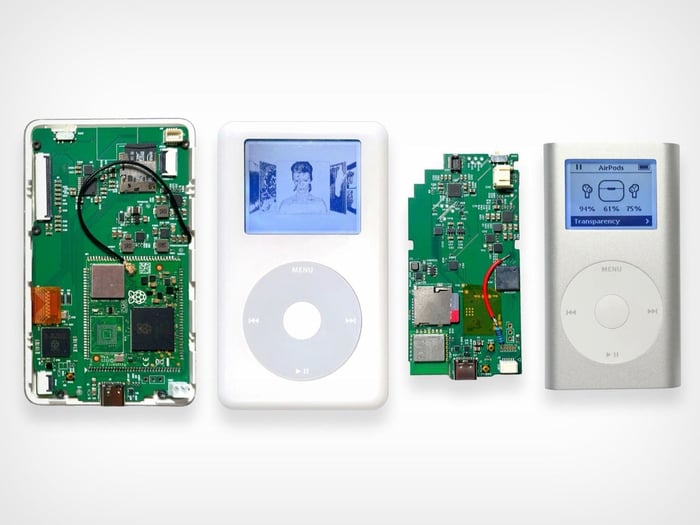
The beauty of the iPod AirPods upgrade is that it doesn’t ask you to turn the player into a completely different object. Sprout’s motherboard is shaped to match Apple’s original board, a small but meaningful detail that shows how much attention went into the design.
For the 3rd- and 4th-generation iPods, the board measures 2.19 x 3.86 x 0.06 inches, or 55.5 x 98.0 x 1.6 millimeters. The iPod mini version is even slimmer.
Installation involves opening the iPod with a screwdriver and plastic pry tool, removing the original board, and reconnecting the existing ribbon cables to Sprout. There’s no soldering required, which will be welcome news to anyone whose relationship with a soldering iron begins and ends with watching repair videos online.
The original monochrome LCD is driven natively, so the display should retain its familiar chunky pixels and old-school charm. The screen doesn’t suddenly become colorful or high-resolution. That’s the point. Sprout modernizes the machinery without sanding away the personality.
Once installed, the modified iPod weighs less than the original. That’s an unexpected bonus for a device already famous for being pocket-friendly.
Other iPod modifications have taken different routes. One approach involved soldering a generic Bluetooth transmitter into an iPod Video’s headphone circuit. It works, but the process demands steady hands and patience with extremely small wires.
Another kit minimizes soldering while keeping Apple’s original motherboard in use. That setup pairs a machined aluminum shell with glass panels, though the enclosure costs $155, with an additional $13 for buttons and switches. The finished player is also thicker than the original, trading slimness for features such as haptic feedback and wireless charging.
Sprout chooses a quieter path. From the outside, the iPod remains almost untouched. The transformation happens internally, which is ideal for purists who still remember the satisfying click of the wheel and the unmistakable silhouette of an early digital music player.
Bluetooth, Better Audio, and Two Versions to Choose From
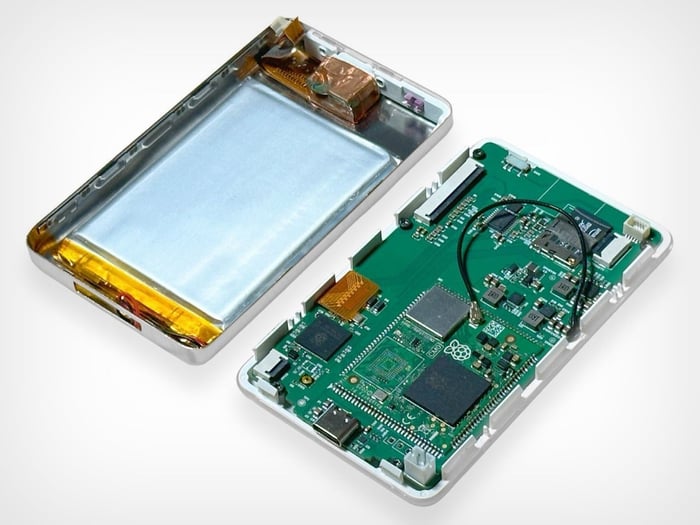
Once the visual nostalgia is protected, the technical upgrades start to feel even more appealing.
Bluetooth is the headline feature. With Sprout installed, an iPod 3G, 4G, or mini can connect to AirPods, wireless headphones, and Bluetooth speakers. For wired listening, the original 3.5mm jack remains available.
The board includes a Cirrus Logic CS43131-class digital-to-analog converter, or DAC. In plain English, the DAC converts digital music files into the analog signal your headphones actually play. That gives wired listeners a more serious audio path than the phrase “old iPod modification” might suggest.
Music transfers through USB-C using a straightforward drag-and-drop process. Supported formats include:
- MP3
- AAC
- ALAC
- FLAC
- Opus
There’s no need to invite iTunes back into the room. Your music library can simply be copied over, which feels much closer to the original promise of personal music ownership.
Battery life depends on the model. The 3rd- and 4th-generation boards target up to 40 hours of continuous Bluetooth playback using a 2,500mAh battery. That’s enough for several days of desk listening, commuting, or pretending to organize your life while replaying the same favorite albums.
The iPod mini version targets 20 hours using a 1,200mAh cell. Its microSD slot can support up to 2TB, replacing the aging internal storage with something far more flexible.
Sprout Pico and Sprout Pi Take Different Paths
Sprout comes in two main flavors, and they’re aimed at slightly different kinds of listeners.
Sprout Pico uses a Raspberry Pi RP2350 microcontroller. It wakes quickly and focuses on playing a locally stored music library, along with podcast downloads delivered over Wi-Fi. It’s the more focused version for people who want an offline player with modern connectivity but without turning the iPod into a tiny general-purpose computer.
Sprout Pi, available for the 3rd- and 4th-generation iPods, adds a Compute Module Zero. That tiny Raspberry Pi computer opens the door to more ambitious software features, including Spotify, Apple Music, AirPlay, and custom applications.
The streaming functions were described as working proofs of concept as of September 2026, so the final list of launch features may change. That distinction matters. A demo can be exciting, but hardware projects often evolve between an early showcase and a finished product.
The firmware itself is written from scratch. It adds familiar touches such as Cover Flow, the album-browsing feature associated with Apple’s later iPod software, while adapting it to the monochrome screen. Podcasts and Search are also included.
On Sprout Pi, Linux runs underneath the experience. Demonstration clips labeled as apps show a classic Mac interface and a PlayStation, hinting at the playful possibilities hidden inside the revived player.
Open-Source Plans Could Keep the Project Moving
Sprout’s open-source plans are another reason the project feels bigger than a single clever modification. The schematics, board layouts, and bill of materials—the complete parts list—are scheduled for release under CERN-OHL-S v2.
The firmware will use the MPL-2.0 license, while the documentation will be available under CC BY 4.0. That documentation is expected to include reverse-engineering notes covering the iPod’s display, click wheel, and headphone connectors.
In practical terms, future builders won’t have to start from a blank page. They’ll have a map showing how these old components work and how the new board communicates with them. The files are planned for release on GitHub before the campaign ends, giving other makers room to study, adapt, and improve the design.
Sprout follows earlier experiments that placed Raspberry Pi hardware inside classic iPods to enable streaming music. Those projects demonstrated what was possible, but often kept only the original shell and click wheel. Sprout takes a more complete approach by preserving the monochrome display and functional headphone jack.
That makes the project feel less like a one-off stunt and more like a repeatable restoration platform.
A New Option for Overlooked iPod Generations
Other modern music players already recreate the feel of the iPod wheel and the satisfaction of owning a personal library. Some are entirely new devices designed to look backward. Sprout takes the opposite approach: it uses an old device and teaches it new tricks.
Another existing connection board focuses on 5th-, 6th-, and 7th-generation iPods, leaving the 3rd generation, 4th generation, and mini without a comparable upgrade. Sprout fills that gap.
There’s also an important financial difference. You need to provide the original iPod, but those less-loved generations can be cheaper than the later models. Since Sprout pricing and shipping dates have not been announced, the final cost will determine how accessible the project becomes.
Still, the appeal is easy to understand. You get the physical object people remember—the white front, the wheel, the tiny monochrome display—but with USB-C, Bluetooth, wireless earbuds, modern storage, and optional Wi-Fi features tucked inside.
It’s a little like putting a new engine in a classic car without changing the dashboard. The old character stays in place. The daily experience simply becomes less frustrating.
The iPod once made personal music feel simple, portable, and genuinely yours. Sprout keeps that spirit alive by giving overlooked classic models a modern motherboard while preserving the tactile details that made them special. Would you bring your old iPod back for another spin?
FAQ
- Which iPod models are compatible with Sprout?
Sprout is designed for the iPod 3rd generation, 4th generation, and iPod mini. The Sprout Pi version is intended for the 3rd- and 4th-generation models. - Can Sprout connect to AirPods?
Yes. Bluetooth support allows compatible iPods to pair with AirPods, wireless headphones, and Bluetooth speakers. - Does installing Sprout require soldering?
No soldering is required for the planned motherboard swap. Installation involves opening the iPod, removing the original board, and reconnecting the existing ribbon cables. - What music formats does Sprout support?
Music can be transferred through USB-C in MP3, AAC, ALAC, FLAC, and Opus formats. The system is designed for drag-and-drop transfers without relying on iTunes. - How much storage can the upgraded iPod support?
Sprout includes a microSD slot supporting up to 2TB. That capacity is estimated at roughly 500,000 songs, depending on file formats and sizes.
Give the nostalgia a permanent place on your wall with a favorite album cover poster from Architeg Prints. It’s a warm visual companion for anyone who still believes great music deserves a little shelf space—and maybe a little wall space, too.
 | DISCOUNTGET 30% OFF*Use code on your next order:
|
* This post may contain affiliate links, meaning we earn a commission if you make a purchase through these links, at no additional cost to you.