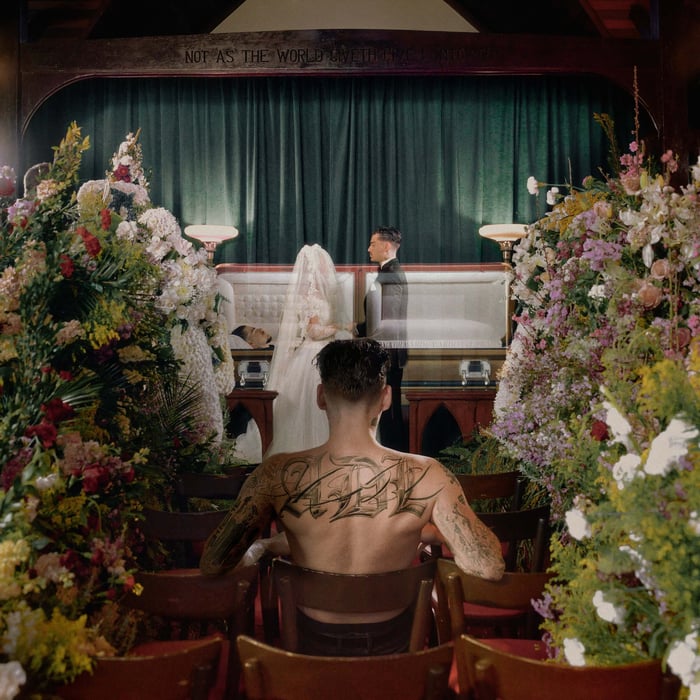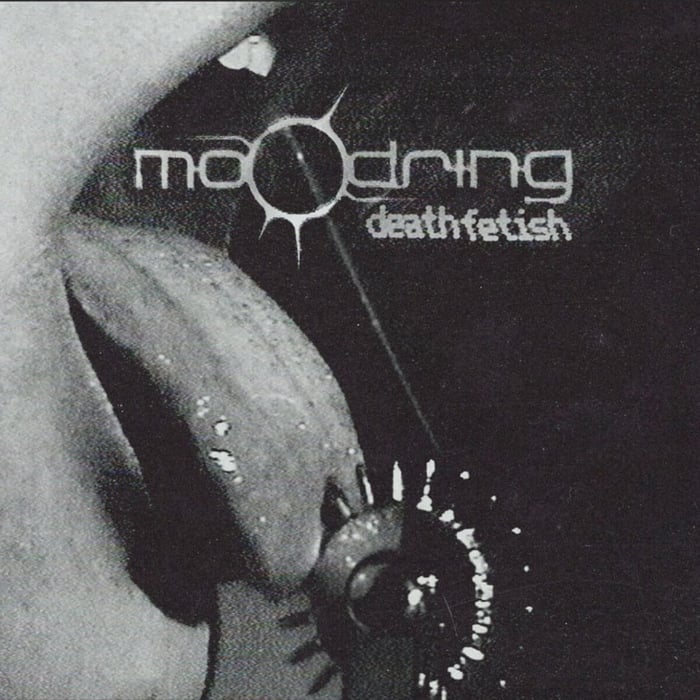
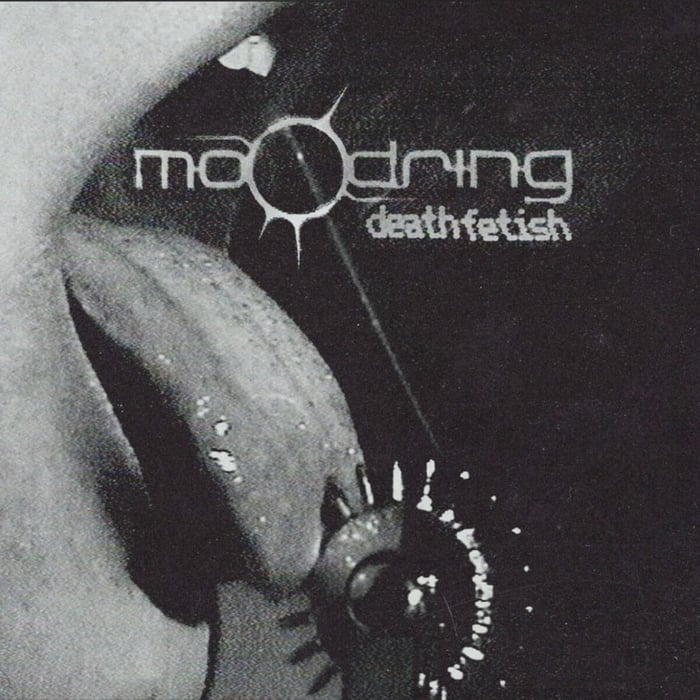
Death Fetish Review: Moodring’s Nu-Metal Glow-Up (Annoyingly Effective)


 See more Architeg Prints stories on Google.
Death Fetish Review: Moodring’s Nu-Metal Glow-Up (Annoyingly Effective)
Death fetish turns Moodring’s nu-metal revival into something bruised, glossy, and personal—until the sameness starts to show.
A record that doesn’t ask politely
There’s a particular kind of metalcore record that shows up wearing a thrifted nu-metal hoodie and acting like it invented angst. death fetish doesn’t do that. It walks in already irritated, already catchy, already dialed-in—like Moodring knows the whole “revival” thing is a trap and is trying to outrun it with sheer craft.
And yes, death fetish is absolutely a nu-metal revival album hiding inside modern metalcore muscles. That’s not an insult. It’s the plan.
Nu-metal revival isn’t the point—it’s the camouflage
The late-2010s-to-now wave of metalcore has been quietly feeding on nu-metal like it’s a power source. Some bands keep the groove and violence; others chase that dreamy, smeared-out atmosphere. Moodring lands in the sweet spot where those impulses can either become compelling… or embarrassingly cosplay.
What I hear on death fetish is an artist actively trying to dodge the corny pitfalls. The album makes a very specific choice: it borrows the textures and emotional posture of late-’90s/early-2000s alternative metal, then bolts them to modern metalcore pacing—tight transitions, quick pivots, and that “get to the hook, don’t over-explain it” structure.
A reasonable person could say this is just trend-chasing with better taste. I think it’s more deliberate than that. This record sounds like it’s trying to reclaim a vocabulary that got turned into a joke—then prove it still works when you strip away the gimmicks.
The production is the real frontman
Before the songs even start arguing their case, the sound does. The production is the first obvious flex: punchy drums, guitars with a ragged edge, and a mix that stays nimble instead of collapsing into low-end sludge. It’s not that exaggerated, bass-heavy, “metallic snare” abuse you hear on certain heavier modern records. This is lighter on its feet, almost bouncy—which matters because death fetish lives on momentum.
These tracks don’t slowly build. They snap between modes:
- half-screamed, brisk verses
- hooks that actually want to be sung (not just tolerated)
- breakdowns that show up like punctuation, not the entire sentence
I thought the polish might make the album feel safe at first—like it would sand down the emotion. On second listen, that cleanliness reads less like safety and more like control. The mix isn’t trying to impress other producers. It’s trying to make every left turn feel inevitable.
“Half-Life” opens the album with a clean punch to the ribs
The opener and lead single “Half-Life” lays out the blueprint immediately: fast, clipped verse delivery, then a big sung hook that doesn’t apologize for being a hook. There’s also a breakdown that lands with that “sweet” kind of impact—heavy without acting like it’s the heaviest thing you’ve ever heard.
Where “Half-Life” really locks in, though, is emotional specificity. Plenty of metalcore bands write about mental collapse like they’re filling out a template. Here, the pain doesn’t feel like a genre requirement—it feels like the lyric is being used as a work permit to keep going.
I can’t pretend I know exactly where the line is between performance and confession on this album, and I’m not totally sure the record even wants me to. But the context that Hunter Young was diagnosed in 2022 with a neuro-immune disorder that has kept him from touring changes how the chorus hits. When someone’s body is actively interrupting their life, “half a life” stops sounding poetic and starts sounding logistical.
The chorus—“I’m living half a life now / I’m swallowing the pain, what’s left to take”—lands harder because it doesn’t sound like metaphor first. It sounds like someone keeping score.
And the work-obsession underneath it isn’t presented as inspiring. It’s presented as necessary.
“I have to ‘Frankenstein’ myself with a concoction of supplements and drugs to continue to do what I do. I know that I’m hurting myself by doing it, but if I stop, I’ll go insane.” — Hunter Young
That quote is basically the thesis of the album’s tone: determined, grim, and not particularly interested in being admirable about it.
The album’s best moments are the ones that flirt with uglier machines
Once “Half-Life” establishes the emotional temperature, the rest of death fetish keeps poking at the edges with texture—especially anything that sounds industrial-adjacent. The record sprinkles in sequenced beats, clanking snares that feel like sheet metal, and those gritted-teeth whisper moments that show up like a threat in the background.
“Masochist Machine” is a highlight because it understands how sticky a hook can be when you don’t smother it in melodrama. The chorus is one of the album’s most immediate payoffs—one of those earworms that’s annoying in the good way.
But I’m not going to pretend it’s perfect: the digitally stuttered screams that pop up are… a little corny. Not “ruins the song” corny, more like “this effect is wearing a backwards hat indoors” corny. Still, the hook carries it. Moodring seems aware that pop instincts are allowed in heavy music, and that confidence is half the sell.
Then there’s “Gunplay (Suicidal 3way),” which leans harder into an industrial aesthetic, and it works because the vocal delivery in the chorus goes drawling and strangely calm—like the song is smirking while the instruments swing. The industrial touches across the album aren’t there to make it “heavier.” They’re there to make it feel mechanical, like the songs are running on stress and routine.
A listener could argue the industrial elements are just decoration. I’d argue they’re Moodring’s way of avoiding nostalgia cosplay: instead of recreating the past, the album drags those older influences into a colder room.
When the tracklist locks into a loop, you start noticing the walls
Here’s where death fetish shows its one real limitation: it likes its own lane a bit too much.
There’s a difference between “cohesive” and “repetitive,” and this record sometimes flirts with the latter—especially as the album moves forward and you realize how often it returns to the same core moves: quick verse bite, big hook release, breakdown punctuation, repeat with different lighting.
If you’re fully immersed in the world Moodring builds, that consistency will feel like being held inside a mood. If you’re not, the sameness can feel like the album is stalling—like it’s allergic to a truly risky left turn.
I kept waiting for one more genuine experiment—something that didn’t just change the texture, but changed the song idea. Not because the album is boring, but because it’s good enough that you start wanting it to be nastier, stranger, or more unpredictable.
“Ketamine” is the ballad, and it’s the one time the album goes a little dim
“Ketamine” is the lone ballad here, and it’s the clearest example of Moodring aiming for a different emotional posture. It does have a more unique progression than the album’s usual fairly standard structures—so it’s not lazy songwriting.
But the chorus feels sleepy in a way that doesn’t fully earn itself. And I don’t mean “slow” sleepy; I mean the hook doesn’t arrive with the same sense of purpose the heavier tracks have. It’s the part of the album where the atmosphere starts doing more work than the melody, and for once, the atmosphere alone isn’t quite enough.
To be fair, a ballad on a record like this is always a gamble. Plenty of listeners will call it “necessary breathing room.” I think it’s more like a pause button that gets pressed a little too long.
So what is Moodring actually doing on death fetish?
This album’s real move is that it refuses to treat revivalism like a museum exhibit. It pulls from older strains of alternative metal—late-’90s and early-2000s DNA is all over it—but it keeps the song structures uptempo and modern enough that the influences don’t feel like a tribute act.
And emotionally, it’s not doing the vague “I’m not okay” thing. It keeps circling the idea of function: how to keep making things, how to keep moving, how to keep performing a self when the body is malfunctioning. That’s why the industrial details make sense—they sound like systems, routines, and grinding gears. It’s a human album that keeps accidentally describing itself in machine language.
Not everything lands, and not every track separates itself cleanly from the next. But there also aren’t many glaring weak spots. The album’s strength is that it stays raw and consistent; the album’s weakness is that it stays raw and consistent.
Release notes (yes, the practical stuff matters)
death fetish is out now via SharpTone Records.
I land around a 7/10 on how effectively it accomplishes what it’s reaching for: a modern, emotionally pointed nu-metal revival album that still knows how to hit like metalcore.
Conclusion
death fetish succeeds because it sounds like Moodring is trying to survive inside the songs, not just decorate them with influence. When it’s hitting, it’s brutally listenable—hooks that stick, drums that punch, and a cold industrial sheen that keeps the nostalgia from getting too comfortable. When it misses, it’s mostly by circling its own formula a bit too faithfully.
Our verdict: People who want death fetish to punch and sing—without turning into a cartoon—will get exactly what they came for. If you need every track to reinvent the band in real time, you’ll end up tapping your foot impatiently like the album owes you a plot twist.
FAQ
- What genre is Moodring aiming at on death fetish?
It plays like modern metalcore built on a nu-metal revival foundation, with industrial textures threaded through the heavier moments. - Is “Half-Life” a good entry point?
Yes—fast verses, a big hook, and a breakdown that doesn’t waste time. It’s basically the album’s mission statement. - Does the album have any softer songs?
“Ketamine” is the lone ballad. It tries for a different shape, though the chorus doesn’t hit as hard as the rest of the record. - What stands out most in the sound?
The production: punchy drums, ragged guitar tone, and a mix that stays light and nimble instead of turning into a bass blob. - Does the tracklist feel varied?
Up to a point. The album is consistent to the point of occasional repetition—great if you’re locked into the mood, less great if you want more risk.
If you’re the kind of person who treats album artwork like part of the listening experience, you can always shop a favorite album cover poster at our store—tastefully, not like a shrine—over at https://www.architeg-prints.com.
 | DISCOUNTGET 30% OFF*Use code on your next order:
|
* This post may contain affiliate links, meaning we earn a commission if you make a purchase through these links, at no additional cost to you.