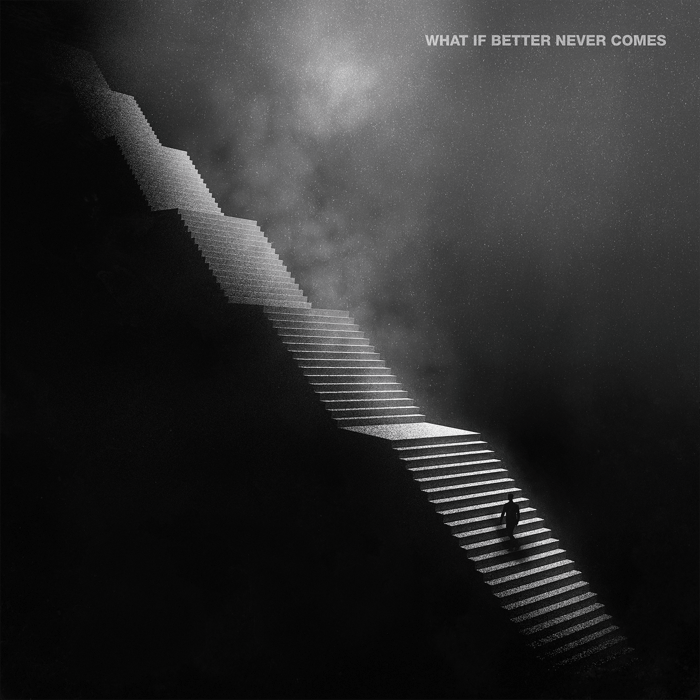
Mallavora’s Better Never Comes Review: Metal That Refuses to Behave


 See more Architeg Prints stories on Google.
Mallavora’s Better Never Comes Review: Metal That Refuses to Behave
Mallavora’s Better Never Comes isn’t here to comfort you—it’s here to argue. A blunt listen to the riffs, the rage, and the uncomfortable point.
This record starts by picking a fight
Plenty of albums want to be a “safe space.” What If Better Never Comes? pretty clearly doesn’t. It walks in with its shoulders squared, acting like music isn’t just entertainment but a kind of public statement—about who gets heard, who gets ignored, and who gets told to be grateful about it.
And yeah, I know “art is political” can sound like a poster someone sells outside a venue. But when Mallavora writes about bodies, access, gender, race, exclusion—real, everyday stuff that people keep trying to reframe as “drama”—the songs stop being abstract. This is alternative metal that uses heaviness the way some bands use eyeliner: to make sure you look at it.
The album’s big question—What If Better Never Comes?—isn’t just doom-posting. It feels like the band made a decision to stop promising happy endings and start documenting the mess instead. A listener could call that bleak. I hear it as honest, maybe even practical.
“Prologue” makes the mission statement loud and clear
The first real move is “Prologue,” and it’s not subtle. It builds slowly, like the band wants you to feel the floorboards creak before the wall falls in. The tension is deliberate—sonically intimidating, but not in a “scare the normies” way. More like: pay attention, because we’re not smoothing this over.
At first, I honestly thought the slow build might be the band doing the classic debut-album thing—proving they can be cinematic before they get to the songs. But it doesn’t feel like padding once the album gets rolling. It feels like groundwork. They’re basically laying track for what comes next: weight, groove, and anger that’s organized, not sloppy.
And that matters, because the rest of the record keeps returning to that feeling—pressure, not chaos.
The band’s best weapon is rhythm (and it knows it)
Here’s the part people might argue with me on: the most impressive “heavy” thing on this album isn’t the guitars—it’s the drumming choices. On tracks like “Waste,” “Sick,” and “Empty,” the rhythms don’t just keep time. They push the songs forward like a crowd surge you can’t step out of.
The drumming has that satisfying mix of precision and threat, where the hits feel intentional instead of decorative. It’s not showing off; it’s steering. A lot of modern metal gets lost in texture—Mallavora uses rhythm like a spine.
That said, I did catch myself wishing one or two moments lingered longer before switching gears. Not because the band can’t write, but because the momentum is so constant it occasionally rushes past its own best ideas.
Guitars: grit, melody, and a refusal to choose
The guitars on Better Never Comes make a very specific promise: you’re going to get heavy grit and actual melodic lines—not “melody” as in a single clean intro before the breakdown, but melody that stays present even when everything else turns feral.
What surprised me is how often the riffs feel like they’re carrying more than aggression. There’s a sense of heritage and influence baked into the playing—like the band isn’t copying a template, they’re folding their own musical background into the distortion. You can hear it in the way certain phrases bend and resolve. It’s pretty, then it’s nasty, then it’s pretty again—like the album refuses to let you sit comfortably in one mood.
And the bass deserves credit for being more than a shadow. It’s that dark, deep, almost dirge-like foundation that gives the songs thickness. Without it, this record would still be loud—but it wouldn’t feel as weighted.
The “Hopeless” moment: where the album shows its teeth
This is where the album stops feeling like “a strong debut” and starts feeling like a statement with intent.
“Hopeless” hits like the name suggests, but not in a melodramatic way. It’s more like: the song is tired of pretending reassurance is available. The heaviness isn’t there to sound impressive—it’s there to make the point land in your chest, where you can’t talk your way around it.
I kept waiting for the track to soften itself for accessibility—some big, comforting hook that acts like a “release valve.” Instead, it commits. Whether someone loves that or finds it punishing is going to depend on what they want from heavy music: escape, or confrontation.
Lyrics that refuse to be inspirational wallpaper
The album’s real strength isn’t just that it’s heavy—it’s that it’s specific. Mallavora isn’t doing vague “the world is broken” poetry. The words feel aimed at real behaviors and real systems.
Right away, “Smile” throws a line that sticks because it’s blunt and tired in the exact way real people get tired:
“I don’t want your admiration, I am not your inspiration”
It’s a direct hit on disability inequality and the gross little social habit of calling someone “inspiring” instead of making anything accessible. That’s the album in a nutshell: it doesn’t accept symbolic praise as a substitute for change.
And the lyrical weight doesn’t stop there. Tracks like:
- “Waste”
- “Hopeless”
- “Sick”
- “Host”
…carry the same kind of lived-in bite. Feminism, depression, exclusion, harsh truths—the themes aren’t dropped in as trendy headline words. They’re woven into the songs like the band has actually sat in these situations and is done sugarcoating them.
A reasonable listener could push back and say the messaging is too overt, that it doesn’t leave enough room for interpretation. I get that. But I think that’s the point: the album isn’t trying to be a puzzle box. It’s trying to be understood.
Nothing here feels faked—and that’s the whole trick
There’s a certain kind of heavy band that cosplays trauma. This doesn’t sound like that. The lyrics land because the delivery doesn’t wink at you. The album’s emotional core feels like it comes from experience, not research.
And that changes the listening experience. You don’t just hear “issues.” You hear how those issues shape someone’s daily life: the frustration, the exhaustion, the anger that has nowhere polite to go.
On first listen, I thought the record might lean too hard on intensity—like it was going to be all pressure, no nuance. On second listen, I heard the nuance in the choices: the way harmonies are layered, the way instrumental sections don’t just fill space but deepen the mood, the way the songs keep finding new angles to say the same hard thing.
Still, I’m not totally sure every listener will connect with the full run. The album asks for your attention—and it doesn’t always reward passive listening. If you want a record you can half-hear while doing dishes, this one’s going to glare at you from the other room.
So what is this album actually doing?
What If Better Never Comes? is Mallavora refusing the standard metal bargain where pain gets turned into spectacle and everyone leaves feeling oddly refreshed. This album doesn’t clean up its meaning for mass consumption. It chooses confrontation, then backs it up with musicianship that’s genuinely detailed—drums that lead, guitars that balance beauty and grime, bass that anchors everything, and vocal/musical harmonies that make the heaviness feel three-dimensional.
It’s clearly metal in sound, but it also feels distinctly Mallavora—not a collage of influences, but a band using influence as raw material.
If I had to pin a number on the experience, I’d land close to 9/10, mostly because the record feels like it knows what it wants and doesn’t flinch. My only real hesitation is that a couple transitions move so fast they almost cheat the best parts out of a longer impact.
Release info (so you don’t have to hunt for it)
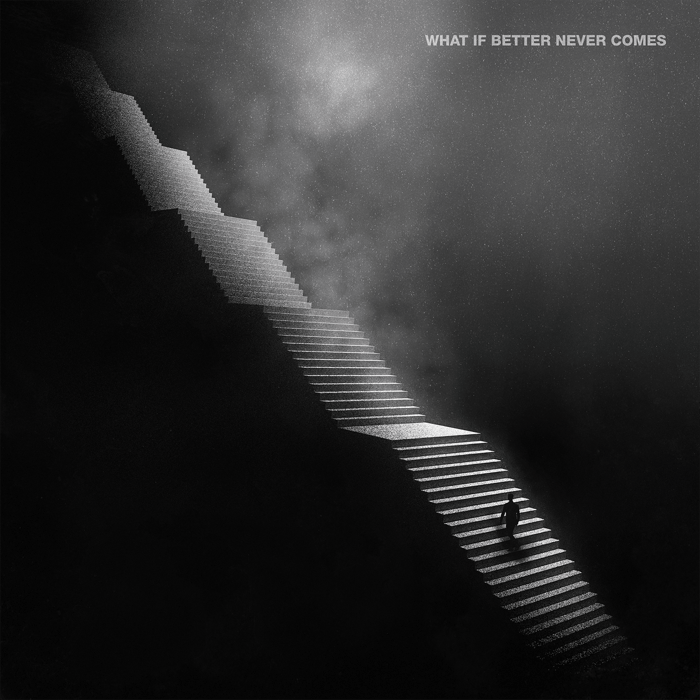
What If Better Never Comes? is set for release on March 27 via Church Road Records.
If you want to keep up with the band directly: Mallavora on Facebook.
Conclusion
Mallavora made Better Never Comes like they’re done asking nicely. The heavy parts aren’t decoration—they’re the delivery system for lyrics that refuse to be turned into motivational posters.
Our verdict: People who like their metal with a real spine—political, personal, and uncomfortably direct—will latch onto this fast. If you prefer your heavy music to stay vague, “relatable,” and safely inspirational, this album is going to feel like getting handed a mirror when you asked for a light show.
FAQ
- What is the core theme of Better Never Comes?
It circles inequality and exclusion—gender, race, disability access, depression—and treats them like lived reality, not lyrical seasoning. - Which track sets the tone first?
“Prologue.” It’s a slow-build opener that basically warns you the rest of the album won’t play nice. - What’s the standout lyrical moment?
“Smile,” especially the rejection of being labeled “inspirational” as a substitute for real accessibility. - Is the album more progressive metal or alternative metal?
It leans alternative metal with progressive touches—more about structure and detail than technical flexing. - Who should skip this album?
Anyone who wants background music. This record demands attention, and it doesn’t soften the message to make it easier.
If you’re the type who still judges a record by its cover (no shame), you can shop a favorite album cover poster at our store—something that matches the album’s stubborn energy.
 | DISCOUNTGET 30% OFF*Use code on your next order:
|
* This post may contain affiliate links, meaning we earn a commission if you make a purchase through these links, at no additional cost to you.