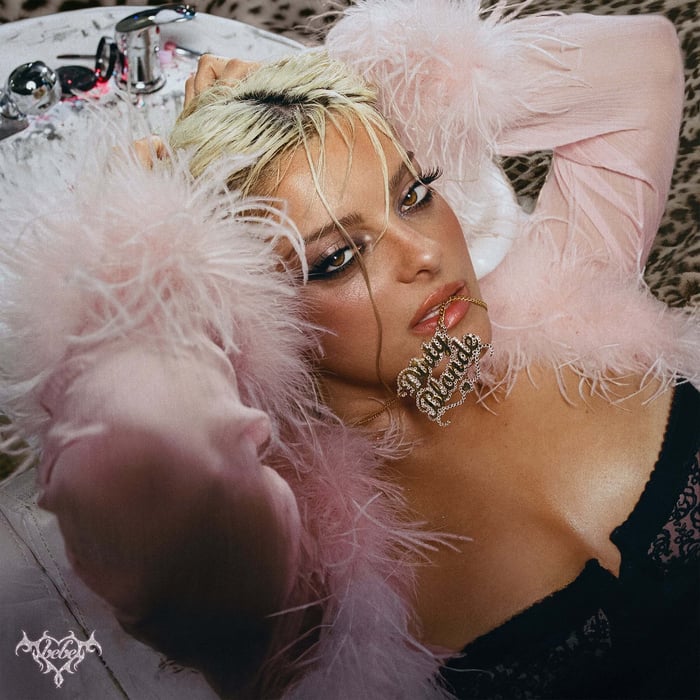
Dirty Blonde Album Review: Bebe Rexha’s Club Bangers With a Guilty Conscience


 See more Architeg Prints stories on Google.
Dirty Blonde Album Review: Bebe Rexha’s Club Bangers With a Guilty Conscience
Dirty Blonde isn’t just late-night pop—it's Bebe Rexha sneaking dread, prayers, and bitterness into glossy hooks that refuse to stop moving.
The whole record lives after midnight (and it knows it)
This album sounds like it’s allergic to overhead lighting. Every track feels built for that exact moment when a club should’ve closed 20 minutes ago, but someone important is still dancing, so nobody’s allowed to touch the switch.
Dirty Blonde is glossy, expensive-feeling pop aimed straight at a packed floor—beats with polished edges, hooks that are engineered to stick. And yeah, Bebe Rexha has been doing this long enough that she can build earworms on command. That part isn’t even the trick anymore.
The trick is what she keeps smuggling inside the shine. These songs don’t just want to make you move—they want to confess while you’re distracted. The hook keeps smiling, but the lyrics keep slipping a note into your pocket: a prayer here, a fear there, a little panic hiding under the bass like it paid for VIP.
And I’ll be honest: at first I thought this was just going to be another sleek set of “turn it up” tracks. On second listen, it’s pretty clear she’s using the club as a hiding place.
“Hysteria” opens with a prayer… then pretends it didn’t happen
The album kicks off with “Hysteria,” and Rexha starts it by asking:
“Lord, forgive me… If I don’t make it home tonight.”
That’s not a throwaway line. That’s a real sentence with actual fear in it.
Then—two lines later—she flips the switch into crowd-control mode:
“Turn it up, make it bounce / Hysteria in the crowd / Got the world in a trance.”
The prayer never gets answered. It doesn’t even get acknowledged. It just hangs there like someone said something a little too real in the bathroom line and everyone decided to ignore it.
That move basically introduces what Dirty Blonde is doing all over the place: Rexha drops something tender or anxious at the doorway, then the drums shove it back into “don’t kill the vibe.” It’s a dodge, but it’s also the point. The fear stays in the room—just not in the spotlight.
“Çike Çike” and “Tokyo” treat chaos like a travel itinerary
The same bait-and-switch hits again with “Çike Çike,” and honestly it’s more effective here because the energy is so bright it almost feels like a disguise. The chanted Albanian hook—
“Çike, çike, luje belin, çike”
loops like it’s trying to hypnotize you into forgetting what time it is.
Around it, the song flashes quick scenes: waiting for an Uber, a phone number pressed into a hand with a 347 area code, a bouncer getting brushed away like an annoying app notification. Then, almost tossed aside in the bridge, she finally says the quiet part:
“I just came here to clear my mind.”
That’s the real lyric. Everything else is the decoy.
“Tokyo” is even messier in a way that feels intentional—like she wants the story to sound breezy so you don’t notice how cold it is. Rexha hooks up with someone who apparently got told she was a fan. She drops a detail like it’s nothing—
“Left my boyfriend in Nantucket”
—and then talks herself into the moment with:
“I’m out in Tokyo, so my attitude is ‘Fuck it.’”
If that sounds like empowerment, sure, it can. But it also sounds like someone choosing impulse because thinking too hard would ruin the night.
When she commits to a “bit,” she commits like it’s a hostage situation
“$.H.I.T.” and “Nobody’s There” are the album’s clearest examples of Rexha taking one idea and squeezing it until it squeaks.
“$.H.I.T.” is built around a pun she refuses to release. She spells it out, in case you weren’t keeping up:
“I’m the sugar-honey iced tea… I’m the S-H-I-T.”
The verse then has to stuff an entire personality into the setup, like she’s speed-running character traits:
- Monday: having fun
- Tuesday: blowing someone off
- Wednesday: being loved
- Thursday: being single
- Friday: a freak
- Saturday: a creep
- Sunday: asleep “like a sweet little angel”
It’s silly, and it’s kind of the point. Still—here’s my mild complaint—the “week schedule” gag goes on long enough that I started listening for the exit ramp. The hook hits, but the song is so busy proving the premise that it forgets to surprise you.
“Nobody’s There” takes the swagger and turns it into third-person mythology. She sings about a “she” with
“fire in her eyes,”
someone who
“can make the room go loud,”
and just wants to
“dance like nobody’s watching, like nobody’s there.”
That “she” is obviously Rexha, but at arm’s length—like she’s more comfortable narrating her own urgency if she can pretend it belongs to someone across the room.
It’s a clever dodge. Also a little sad, if you sit with it too long.
“New Religion” aims huge… and that’s where it gets thin
Here’s where Dirty Blonde occasionally trips over its own ambition. When Rexha reaches for something bigger than a club snapshot, the writing can get airy.
“New Religion,” built on interpolating Faithless’ 1995 single “Insomnia,” wants the dance floor to feel like salvation. She says it outright:
“I feel the beat, I feel the beat / It’s like a new religion.”
The bridge tries to draw an actual before-and-after—
“I used to believe there was nothing for me / That nowhere was where I belonged”
—but the song doesn’t really develop that thought. It just keeps widening the same hook like widening alone equals depth.
I’m not totally sure if that’s a failure or a choice. Part of me thinks she wants the big idea to stay vague because specifics would break the spell. But yeah, it’s one of the moments where the album’s emotional contraband feels a little mass-produced.
Then “Drink and a Little Love” comes in with a smaller, sharper ache and suddenly she sounds more human.
“Stressin’ all day… I’ve been cryin’ my heart out,”
she sings, and all she wants is exactly what the title says: a drink and a little love. She even drops the line
“Life has been lifin’,”
which is funny until you realize it’s also the exhausted truth. The track settles for “pleasant,” even though the words underneath it are tired enough to be genuinely sad.
That’s the album in miniature: it keeps choosing sparkle, even when the emotions are begging for a dimmer bulb.
The “lights off” obsession isn’t aesthetic—it’s avoidance
The album keeps returning to light like it’s a moral event. And Rexha keeps begging for darkness like she’s bargaining with time.
On “Hysteria,” the chaos begins with
“Lights off, what just happened?”
On “Nobody’s There,” she pleads:
“Don’t turn the lights on… don’t let the morning come.”
The logic is blunt: if the room stays dark, the night doesn’t end. And if the night doesn’t end, the reckoning doesn’t start.
“Sad Girls,” the David Guetta collaboration, makes that bargain the whole theme. She watches someone leave with another person and keeps dancing anyway—
“tears dipped in glitter and Molly.”
She repeats “I’m alright” like she’s trying to talk herself into it for the hundredth time, then drops the deadpan confession:
“That’s a lie.”
And there it is again—the begging:
“I’m not ready for the lights back on.”
This is what Dirty Blonde is really selling: not partying as celebration, but partying as delay. Like the beat is a padlock.
When the dance floor clears, she finally hits hardest
Two songs drop the “lift” almost entirely, and they’re better because of it—because the dread doesn’t have to wrestle with a chant.
“i like you better than me” runs on comparison and self-disgust. The hook fixates on wanting to
“fit in those size-two jeans,”
and the verses don’t soften it. She admits:
“I get off on being insecure,”
and
“there’s something wrong with me for sure.”
Even a friend trying to help gets dragged into it:
“your toxic positivity… You know you’re only making it worse.”
That’s ugly, but it’s specific. And specificity is what makes it land. The club tracks are fun; this one actually sticks.
“Night Falls” goes slower and darker, loneliness arriving right on schedule:
“when the night falls.”
Thoughts of an ex show up like a horror movie callback—
“makes my skin crawl.”
She describes her own mind as
“way too dark,”
waiting for
“a glimpse of light,”
while the chorus keeps repeating that it
“never gets better.”
Bluntly: the dread weighs more than any bounce chant on this record. And I don’t think that’s an accident.
The ugliest songs are the most honest (and the funniest line wins)
The sharpest turn on Dirty Blonde is when Rexha stops blaming herself and starts aiming outward—hard. These are the moments where the album stops trying to be likable, and suddenly it feels more real.
In “Time,” she speeds past the house of an old flame and basically posts the final verdict on a billboard:
- “I wasted all my best years on you”
- “I’m fucking bitter, but I’m not a victim”
- “I had to lose and let you win, to love myself again”
It’s not subtle. It’s not trying to be. And the chorus nails the kind of contradiction people actually live with:
“So many good times / But I never had a good time.”
That line tells me more than the grand statements in “New Religion,” because it’s mean in a way that sounds earned.
“One Day” is even more direct: a curse aimed at an ex, with Rexha promising he’ll be
“haunted by the ghost of me.”
It’s dramatic, sure, but it’s clean. No moral lesson. No growth montage. Just venom.
Then “The Way I Want You” slides in and, halfway through, drops the album’s best moment of comedy-as-self-defense. After admitting she still calls him at 4AM and that
“the pills don’t work the same anymore,”
she snaps:
“I talk to my therapist like a billion times / And that bitch is overpaid.”
It’s cruel, it’s funny, and it’s the kind of joke people make when they’re trying not to spiral in public.
She follows it with the actual problem—
“my anxiety won’t go away”
—and then lands a perfect sentence for any doomed relationship:
“sick and tired of being sick and tired of loving you.”
That uncomplicated meanness is the best thing this album pulls off. It’s the sound of someone dropping the performance for half a second and telling you what the night was really for.
Where I land on Dirty Blonde (and where it almost loses me)
I kept waiting for the album to choose: is it a club record with occasional confession, or a confessional record wearing club clothes? It never fully decides, and that indecision is either the point or the problem—I’m still not 100% sure.
But I do know this: when Rexha leans into the ugly truths (“i like you better than me,” “Time,” “The Way I Want You”), the whole project sharpens. When she leans into the big slogans (“New Religion”), it can feel like she’s decorating emptiness with neon.
If I’m filing this in my own brain: Dirty Blonde ends up in the “great, messy, revealing” pile for me—especially because it keeps slipping real dread into music that’s supposed to be disposable.
And yeah, the tracks that hit hardest are the ones I keep going back to:
- “i like you better than me”
- “Time”
- “The Way I Want You”
Dirty Blonde doesn’t want the lights on because the moment you see the room clearly, you have to admit why you came there in the first place—and the album isn’t done dancing around that truth.
Our verdict: People who like pop that sweats a little—hooks first, honesty sneaking in through a side door—will actually love Dirty Blonde. If you only want clean empowerment slogans or purely “fun” club music with no emotional aftertaste, you’re going to get annoyed and check the lighting menu for an exit.
FAQ
- Is Dirty Blonde a dance album or a confessional album?
It’s a dance album pretending it isn’t confessing—until it can’t help itself. - What’s the most emotionally direct song here?
“i like you better than me” says the quiet parts out loud and doesn’t apologize. - Does the Faithless “Insomnia” interpolation help “New Religion”?
It gives the track instant floor-energy, but the writing reaches big and lands a little thin. - What’s the album’s main repeating idea?
Keeping the lights off so morning—and consequences—can’t start. - Which track shows Bebe Rexha at her sharpest?
“The Way I Want You,” because it mixes 4AM self-knowledge with a joke that’s doing emotional labor.
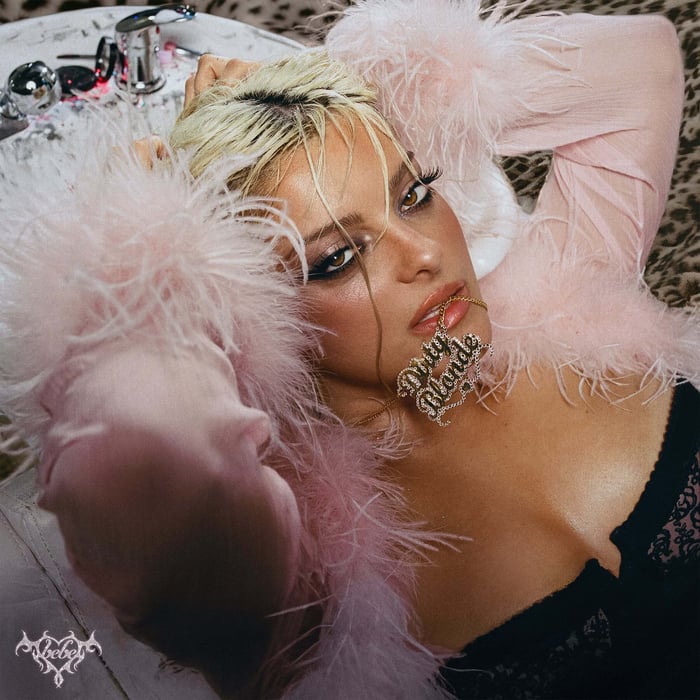
If you’ve got a favorite album cover you’d actually hang on your wall (maybe even this one), you can grab a clean poster print at our store: https://www.architeg-prints.com
 | DISCOUNTGET 30% OFF*Use code on your next order:
|
* This post may contain affiliate links, meaning we earn a commission if you make a purchase through these links, at no additional cost to you.