To Hell Album: Des Rocs Makes Pain Sound Weirdly Like a Victory Lap


 See more Architeg Prints stories on Google.
To Hell Album: Des Rocs Makes Pain Sound Weirdly Like a Victory Lap
To Hell album “To Hell And Back” isn’t here to comfort you—it’s here to comb your hair back, turn the ignition, and dare you to feel unstoppable anyway.
That opening scene isn’t subtle—and that’s the point
The first thing this record does is plant you in a very specific kind of fantasy: the car, the mirror check, the last-second hair fix, the city ahead like it owes you money. I didn’t even have to try to picture it—the album shoves you into it. And honestly? It works, because To Hell And Back is built like a soundtrack for manufactured confidence, the kind you put on when you’re not sure you actually have any.
That’s the trick: it sells invincibility while quietly admitting it’s a costume.
Des Rocs is making “working-class rockstar” feel like a job title
DES ROCS is Danny Rocco’s project, and this third studio album feels like the moment he decides to stop flirting with the “big rock statement” and just make the thing, no apologies. The whole record is grit-forward—determination, struggle, that crawl-through-the-darkness energy—except it’s presented with the kind of theatrical punch that usually belongs to bands who pretend they’ve never had a bad day.
I kept thinking about how sharpened this “bedroom arena rock” approach sounds here: it’s intimate in the vocal choices, but it wants stadium scale in the riffs and pacing. And I’ll make the arguable claim: this is the album where he stops sounding like he’s chasing a classic-rock silhouette and starts using it like a weapon.
Still, I’m not totally sure it’s as “raw” as it wants me to believe—some of the grandness is so carefully placed it almost feels storyboarded. But maybe that’s the honesty: the mess is real, the presentation is controlled.
“When The Love Is Gone” kicks the door in—then whispers in your ear
The opener, “When The Love Is Gone,” starts with spoken words—
“Show them why they call you Des Rocs”—and it’s basically the album lighting a match in front of your face. The bass comes in thick, the drums stay clean and confident, and then the guitar shows up like it’s been waiting backstage, tapping its foot.
What got me wasn’t just the “fiery” guitar energy—it was the way the vocals move. They’re close enough to feel invasive, almost whisper-level at times, and then they snap into these angsty yells that don’t sound pretty on purpose. It’s a power move: the track acts like it’s already a classic before it’s finished playing.
Arguable take: this is the best kind of opener because it doesn’t “introduce” anything—it assumes you’re already on board and dares you to catch up.
“Fall Together” changes the lighting—and the album gets sneakily cinematic
From there, “Fall Together” doesn’t try to outmuscle the opener. It goes mid-tempo, leans more alternative, and opens up the room with a sweeping string section that makes the whole thing feel wider than a rock band has any right to feel. It’s cinematic, yeah, but not in the corny “trailer music” way—more like the song is building scaffolding for the emotional drop that’s coming.
And here’s where my first impression shifted. At first, I thought, oh, we’re doing the big tough-guy rock album. But by the time the strings are pulling at the edges of “Fall Together,” it’s obvious the record is less about toughness and more about how badly you want to appear unbreakable.
That’s a more interesting problem to write songs about.
The slow stretch (“Sing Me Back To Sleep” / “The More She Wants”) is a controlled bruise
“Sing Me Back To Sleep” slows things down and lets the voice sound broken in a way that feels intentionally unpolished—pain laid out plainly, not dressed up. Then “The More She Wants” keeps you sitting in the feeling with the most stripped-back focus of the album: voice, lyrics, and the music doing the bare minimum it needs to do.
Some listeners will call this dip a pacing issue. I don’t think it is. I think it’s the album forcing you to live in the part of the story that doesn’t look good on a poster.
But I’ll admit: the stretch almost lost me for a second. Not because it’s weak—because it’s patient, and the album up to that point has trained you to expect a strut. If you came for constant adrenaline, this is where you’ll start checking your phone.
Arguable take: the record is better for risking that lull, because it makes the later triumph feel earned instead of declared.
“The Riders Of Red Hook (Legends Never Die)” is where the album decides to be myth
Then the rhythm snaps back and “The Riders Of Red Hook (Legends Never Die)” comes in swinging like one of those “star track” moments that’s obviously meant to be a centerpiece. The guitars circle like they’re looping the same block in New York City, refusing to leave until they get what they came for. The lyrics go grand, telling an epic tale of city life, and the whole band arrangement feels curated with a lot of care: instruments entering and exiting at exactly the right time, no one stepping on anyone else’s line.
The vocals here are strong and planted—no coyness, no hiding. And that bridge? It turns into a sort of electronic rock opera climb, reaching for something higher, then snapping back into a majestic riff like it just cleared a rooftop gap.
Arguable take: this song is the album’s real thesis statement, because it turns survival into legend and makes the “struggle” feel like a story you’d actually repeat.
“The King” is a breath—then swagger walks back into the room
After that, “The King” gives you a moment to inhale. It starts with a rhythmic, heartbeat-like intro—like the album checking its own pulse. And then it leans into the carefree swagger this project has been chasing from day one.
This track feels like the evolution of the Des Rocs sound in one clean move: less “look how hard I can hit” and more “watch me stand here and own the space.” That confidence hits different after the vulnerability earlier. It’s not naïve; it’s practiced.
Arguable take: “The King” isn’t trying to convince you he’s royalty—it’s showing you the ritual of pretending you are until it becomes useful.
“This Land” is the big-production detonation—and you can hear the intent
“This Land” ramps the album back into escalation mode. It’s also tied to Borderlands 4 as part of its soundtrack, and that makes sense: the song builds like it’s meant to accompany motion, mayhem, and some hero moment you didn’t exactly earn.
The production is credited to Joe Chiccarelli (with past associations including The White Stripes and The Strokes), and you can feel that kind of air moving through the chords—the sense that the guitars and drums aren’t just recorded, they’re staged. There are undertones that nod toward those icons, but it doesn’t read like cosplay. It reads like a guy borrowing a classic engine design and tuning it for his own kind of speed.
Mild criticism, though: the “explosion” is so clean it almost sounds too professional for an album selling itself on grit. The dirt is emotional, not sonic—and depending on what you want from rock ‘n’ roll, that’s either maturity or a missed chance to get uglier.
Arguable take: “This Land” is the album’s most obvious attempt at a modern rock statement, and it mostly pulls it off without drowning in its own ambition.
“War” proves the vocals aren’t just attitude—they’re a whole range of weapons
The record’s instrumentals and production are clearly a big deal, but “War” is where the vocal range becomes impossible to ignore. The track sits in modern rock with a tinge of funky blues, and it lands with a “timeless” vibe—not because it sounds old, but because it sounds like it knows the rules and enjoys bending them.
The lead vocal is deep and forceful, and then the backing vocals come in like a second personality—contrasting, fiery, almost like the song is arguing with itself in real time. Together they turn it into an anthem.
I’m not entirely certain everyone will like that anthem feel—some folks hear “anthem” and think “generic.” But this doesn’t feel generic to me; it feels like someone trying to build a rallying cry out of personal wreckage.
Arguable take: “War” is where the album stops being just “rock” and becomes a performance of willpower.
“The Juice” and “Supernaturalize” are the album’s grin—whether you asked for it or not
“The Juice” shows up as the earliest major single from this era, and it holds its spot like a classic rock ‘n’ roll tune that knows exactly how to lean into its own momentum. It’s got that familiar swing—something you can move to without thinking too hard.
Then “Supernaturalize” follows with a more melodic, feel-good push. It’s the record letting sunlight in—not a full weather change, more like the clouds parting for long enough to remind you the sky exists.
Arguable take: these tracks are deliberately approachable, and that accessibility is not a sellout—it’s strategy. The album wants its big emotional moments to feel communal, not trapped in someone’s diary.
“The Way” ends like a jailbreak, and it’s almost shameless about it
Closing with “The Way” is a very specific choice. It starts with a short acoustic intro—brief, almost like a calm breath—then the electrifying guitar kicks in, the drums lock the rhythm down, and the bass plants its feet so the whole thing feels grounded.
And the closer doesn’t pretend to be ambiguous. It states its mission plainly:
“When I’m coming through, you’d better move cause I’m gonna break free.”That’s not subtle writing, but subtlety isn’t the point here. The point is the feeling of getting out the other side—freedom coded into the chords.
Arguable take: if this ending feels “too victorious” to you, that’s because the album is intentionally refusing the modern habit of ending on a question mark. It wants the doors blown off.
This album’s real ambition is emotional, not technical
By the time To Hell And Back is over, it’s hard to deny how fully realized it feels: theatrical, cinematic, fired up, and relentless when it needs to be. It draws from the sonic world of rock classics but pushes it into something sharper and more modern—not by reinventing instruments, but by tightening the emotional pacing so every big moment feels like it has a reason to exist.
And yeah, it’s “for the fighters, the dreamers, the survivors”… but not in the motivational-poster way. More like: for people who know confidence is sometimes just the loudest mask in the room.
Release details (because timing is part of the statement)
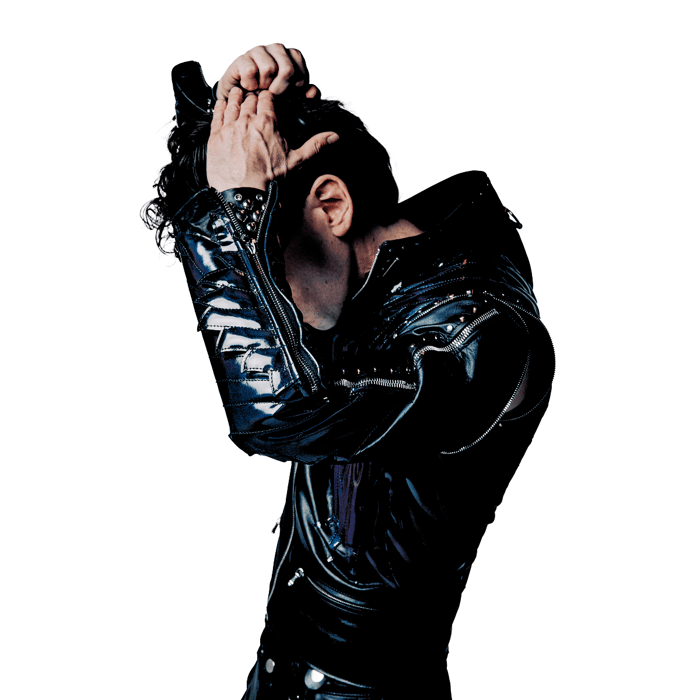
To Hell And Back is set for release on June 12 via Sumerian Records.
Conclusion
To Hell And Back doesn’t “heal” you. It re-stages you. It takes the dark stretch, makes you sit in it, then hands you a riff like a crowbar and insists you pry your own life back open.
Our verdict: People who like rock that struts and bleeds—big choruses, cinematic swings, vocals that get right in your face—will eat this up. If you only want lo-fi mess, or you roll your eyes at anything that smells like a victory speech, you’ll probably call it overbuilt and walk away (and honestly, you might not be wrong).
FAQ
- What is the core vibe of the To Hell album?
It feels like turning personal despair into something loud enough to drive through—equal parts swagger and survival. - Which track best represents the album’s big swing?
“The Riders Of Red Hook (Legends Never Die)”—it’s the one that turns the New York story into myth with a carefully staged band build. - Does the album slow down, or is it nonstop rock?
It slows down in the “Sing Me Back To Sleep” / “The More She Wants” stretch, and that patience is part of the point—even if it tests your attention. - Is “This Land” connected to anything outside the album?
Yes, it’s used as part of the soundtrack for Borderlands 4, and it’s one of the record’s most overtly “big moment” productions. - What makes the closer “The Way” hit so hard?
It starts acoustic, then breaks into electrified momentum, and the lyric about breaking free lands like the album’s final, unapologetic decision.
If you’re the type who misses when album art felt like a banner you could march behind, you can always grab a favorite album cover poster over at our store: https://www.architeg-prints.com — no pressure, it just fits the whole “victory lap” aesthetic.
 | DISCOUNTGET 30% OFF*Use code on your next order:
|
* This post may contain affiliate links, meaning we earn a commission if you make a purchase through these links, at no additional cost to you.