Paint Houses Mixtape Review: Conway & Whoo Kid Make Theft Sound Noble


 See more Architeg Prints stories on Google.
Paint Houses Mixtape Review: Conway & Whoo Kid Make Theft Sound Noble
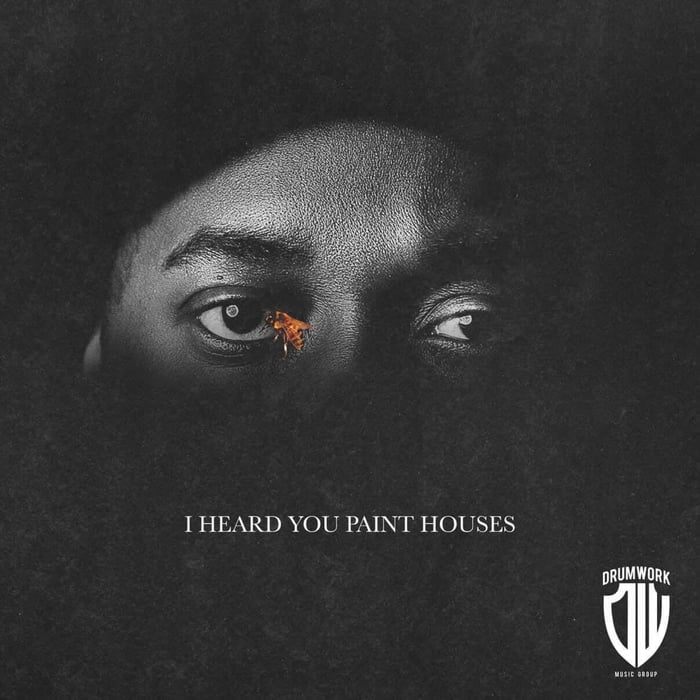
Conway’s “Paint Houses” mixtape borrows famous beats like it’s a flex—then dares his rapping to be the only thing that matters.
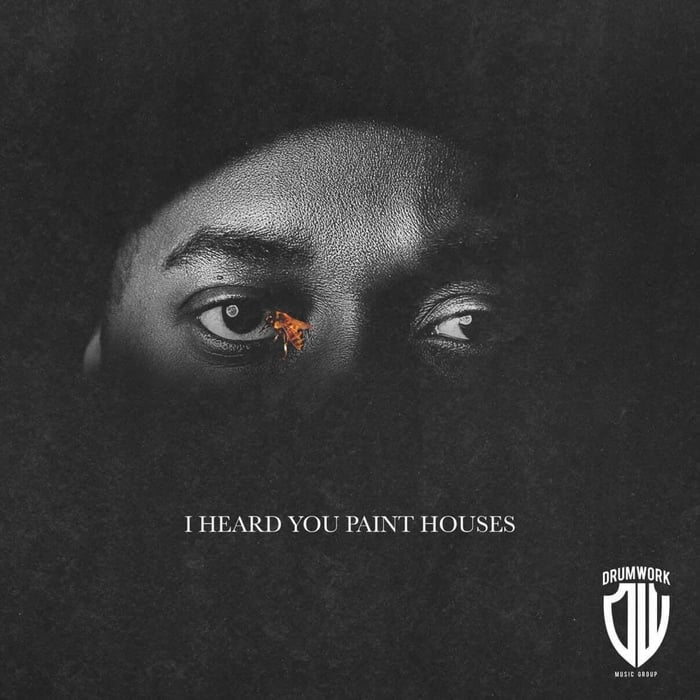
Courtesy of Drumwork Music Group.
A Hosted Street Tape That Acts Like a Time Machine
Here’s the weirdly sweet thing: this tape brings back that old hosted-mixtape feeling—like somebody just shoved a CD into your hand and said, “Don’t ask questions.”
The beats are the tell. These instrumentals clearly belong to pop-culture rap history, not to this project: Conway raps over production tied to 50 Cent, Eminem, Biggie, Drake, and even a vintage 702 R&B single from the ’90s. And DJ Whoo Kid? He’s not “featured.” He’s basically yelling the project into existence, splashing his drops all over it like he’s tagging a wall that was already famous.
The recurring tagline is from The Irishman—that “I heard you paint houses” mob-language wink, the polite way of saying you kill people for money. And the tape leans into that phrase so hard it stops being a reference and starts being the job description. Conway doesn’t just rap on these beats; he steps into a role. The skits even arrange him like a character being briefed before a hit—one moment has him getting a phone call and being instructed on the right pistol to carry. From there on out, the music behaves like a test: if you strip away the luxury of original production, can Conway carry somebody else’s record with nothing but voice, writing, and presence?
That’s the challenge the tape sets. And it’s kind of cocky to do it on purpose.
When the Beats Aren’t Yours, the Threats Have to Be
The first stretch of this tape is built out of threats—tight, efficient ones. Conway doesn’t waste language. He treats danger like a line item, like he’s reading a receipt and you’re supposed to be scared of the totals.
On “20 Shots,” he flips wealth into menace mid-sentence: one breath jumps between a speeding Porsche and a four-person Lamborghini, and the next breath is a shrug that lands cold:
“Heard in his family someone died, I almost cared.”
It’s funny in the worst way, because the humor isn’t “jokes”—it’s the calmness. The threat works because he reports it like weather.
Arguable take: the scariest part isn’t what he says, it’s how rarely his voice changes when he says it.
“This Is Way” rides the skeleton of 50 Cent’s “This Is 50,” but Conway doesn’t copy the swagger—he turns it into mockery. He plays a suit-and-tie hitman who still thinks like a kid on a school lunch line. That contrast shouldn’t work, but it does, because he sells both sides: menace with polish, then petty street logic right after. When he dismisses someone with
“You ain’t shit to me, you a write-off,”it lands like he’s bored, not angry—which is a nastier energy than rage.
Then “Superhero” pulls the mob fantasy into fine-dining cosplay: lemon squeezing, lobster, Gekko, Naomi Campbell—luxury name-drops like he’s staging the kill inside a lifestyle magazine. And then, like he’s commenting on a parking ticket, he drops:
“Hit him three times, and he didn’t get up.”The brag and the body show up together every time, which is exactly why it doesn’t get stale. He refuses to separate “success” from “damage.” That’s the point. He wants you to feel the price tag and the blood on the same hand.
I kept waiting for a track where the tough talk turns into empty calories. It mostly doesn’t—at least not here.
“Long Kiss” and the Joyless Instruction Manual
Eventually the tape stops sounding like threats and starts sounding like procedure.
On “Long Kiss”—built off Biggie’s “Long Kiss Goodnight”—Conway raps like he’s reading an operations manual he wrote himself:
- what he sold (“I sold base, I sold flake”)
- how he stretched it (“put some soda in the pot, the white expanded”)
- how he exited (“Took the label’s money and ran, it’s like I vanished”)
And then he closes the loop with the only loyalty statement that counts in this world:
“No friends, only this .38 I trust.”It’s not even framed like drama. It’s framed like a conclusion he reached years ago and hasn’t revisited.
“TV Off” pushes him back into the kitchen talk, and this is where he sounds loosest—in a good way.
“When I’m cooking up, it’s Michelin three stars,”is the kind of line that works because it’s ridiculous and specific. He’s turning illegal labor into fine art on purpose, like he wants the listener to admit skill even while judging the act. And then the threats get uglier: a gun longer than a broomstick, parents’ faces—stuff that’s meant to make you flinch.
Mild criticism, because it’s true: sometimes the shock-value details feel like he’s adding extra hot sauce to a dish that was already spicy. The writing is strongest when he’s controlled, not when he’s trying to gross you out.
Still, the “cooking” bars hit because they sound lived-in. He’s not playing dress-up there. That’s memory.
He Can’t Stop Measuring Himself (Even When He’s Winning)
The next shift is subtle but telling: Conway starts auditing Conway.
On “Whips & Chains,” he turns inward with blunt self-labels:
“I’m antisocial, I don’t socialize,”then
“Bipolar, yet still one of the most polarized rappers.”It’s not therapy; it’s inventory. He catalogs contradictions like they’re assets and defects on the same spreadsheet. Then he starts listing what’s still on his checklist—an album with Pharrell, Chanel owed to Tyler, the “Holy Grail” he says he’s finishing.
Arguable take: that list isn’t hype; it’s anxiety dressed as ambition.
On “IJDGAF,” over Eminem’s “Just Don’t Give a Fuck,” the legacy talk gets huge—almost too huge. He runs the numbers (
starting from zero, now worth nine million), then leaps to the kind of comparison that dares you to roll your eyes:
“I got a legendary catalog, I’m Bob Dylan.”He even pushes the “greatest rapper ever” claim to the edge of parody.
At first, I took those bars as empty chest-thumping—standard rap math, standard rap canon talk. But on second listen, the way he almost chuckles through the exaggeration changes the texture. It’s like he knows the brag is oversized, and he’s saying it anyway because he needs to hear it out loud. Like a man convincing himself the climb was real.
I’m not totally sure that’s what he meant… but the delivery makes it hard not to hear it that way.
The Tape Tries Seduction—and You Can Hear the Awkward Outfit Change
When the threats finally step back, Conway tries on seduction. The results are uneven, which honestly makes sense: this tape is built like a hired-gun fantasy, and romance doesn’t naturally fit in the holster.
“702” rides a “Steelo”-style cadence and it actually comes off easy. He compliments with museum-level exaggeration (
your picture belongs in the Louvre), then flexes generosity (picking up a tab for a stranger), then gets weirdly observational in a way that feels more human than poetic:
“I can tell by the way the thighs match the ankles.”That’s not “smooth,” exactly. It’s more like he’s being honest about how his brain notices bodies: like a scanner, not a painter.
Arguable take: “702” works because it doesn’t pretend he’s suddenly a romantic lead—he stays a blunt guy trying to flirt without changing his posture.
“Freakin” aims for something messier: an on-and-off relationship where arguments and romance share the same air. One moment he’s serving Paris and first crème brûlée, the next he’s snapping:
“Every other day, it’s like another argument with you.”The song wants complexity, but it also wants to keep Conway’s hardened image intact, and you can hear the tug-of-war.
Then there’s “Can’t You Be”—the one moment that actually feels built to be replayed like a single. It’s the only original beat here, produced by Cardiak and Hitmaka, flipping Total’s “Can’t You See.” It comes with a real hook from A Boogie wit da Hoodie and Jeremih.
And Conway? He shows up with his thinnest lyrics on the whole tape. The vibe is glossy—pure late-’90s flashy energy, all Diddy-in-’97 sheen—and it kind of leaves him behind. He doesn’t embarrass himself, but he also doesn’t own it. The hook does the heavy lifting while Conway plays passenger.
The Ending Isn’t Tough—It’s Wounded
By the time the tape reaches its final stretch, the menace starts draining out and something heavier takes over: grief. Not the cinematic kind. The irritated, restless kind that makes you say mean things just to prove you still feel something.
“Emotionless” is a breakup track with no soft edges. It opens with insults—fast, sharp—and then drops a line that’s too specific to be invented:
“I crossed more lines with you than this paper my pen crossed.”Then he twists the knife in a way that still sounds like he’s talking to himself:
“I guess you seen grass wasn’t as green as it was with Machine.”Under the flex is the admission:
“When deep down, that shit crushed me to pieces.”
Arguable take: that confession hits harder because he doesn’t slow down for it. He treats heartbreak like another bruise you’re not supposed to stare at.
“1985” piles on more weight—money and regret in the same breath. He talks about the $1.5 million Ghazi gave him and how he burned through it. He mentions drinking more than he should. There’s a lost child in the air. And then there’s envy he can’t scrub off: his brother Victor choosing a different life—being a husband, picking up his children—over chasing music. It’s not framed as inspiration. It’s framed as an ache.
Then “Free” shows up and, yeah, it’s the sharpest writing here. The track feels like Conway sitting down for five minutes and finally letting his brain talk without armor.
He’s reading a Wallo book and wishing for peace while drinking a bottle of The Prisoner. He remembers a moment with JAŸ-Z at a table—telling someone to give him a portion while his eyes say something else entirely. (The memory lands like a half-told story you’re not supposed to finish out loud.) He lists people coming home from prison. Then the call disconnects after mentioning a friend who stole from him twice.
The peace he wants sounds nothing like the early tracks’ posture. And that’s the point: the tape makes menace feel like a costume he can wear until the grief yanks it off.
The Real Trick: He Still Sounds Like Buffalo on Everybody Else’s Beats
A hosted tape like this is basically a controlled robbery: you borrow other people’s records, you pay to use them, and you gamble that your writing will earn the expense back. That’s the old mixtape bargain—one a lot of us pretend we don’t miss until it’s suddenly in our headphones again.
DJ Whoo Kid’s drops and movie skits act like scaffolding. They hold up the concept. But after a few listens, I’ll be honest: they stop feeling essential. The yelling becomes part of the wallpaper.
What sticks is Conway’s ability to lean into a 50 Cent or Eminem instrumental and still bend it toward his own world without asking permission. He doesn’t disappear into nostalgia. He drags those beats into Buffalo and makes them host him.
And when he finally writes about what actually wounds him—when the menace steps aside—he does it with the same bare hand he used earlier to count bodies. That contradiction isn’t a flaw. It’s the whole tape.
Favorite moments I’d actually replay
Not “best songs” in some abstract way—just the spots where the tape locks in and stops negotiating:
- “20 Shots” (economical threats, cold delivery, money-as-danger)
- “1985” (regret, envy, and spending as emotional hemorrhage)
- “Free” (the clearest writing, the least armor)
Conway made a tape that dares you to judge him without the safety net of “his” production, then wins anyway by making the writing do the flexing.
Our verdict: People who like street-rap as craft—voice, structure, replayable lines—will love Paint Houses even when the beats are borrowed. People who need original production to feel like “a real album” are going to get grumpy fast, especially once Whoo Kid starts hollering like it’s still 2004.
- Is Paint Houses more about rapping or production?
Rapping. The whole point is Conway proving he can dominate other people’s instrumentals without sounding like a guest in his own tape. - Does DJ Whoo Kid add value or just noise?
Both. The drops sell the hosted-mixtape vibe early, but they fade into background clutter after repeat listens. - Which track shows Conway at his most human?
“Free.” The menace backs off and you hear him wanting peace in plain language, not punchlines. - Do the romantic tracks fit Conway’s persona?
Sometimes. “702” slides in clean; “Can’t You Be” feels more like a hook-driven detour where Conway doesn’t have much to do. - What’s the biggest theme the tape keeps returning to?
The brag and the bruise arriving together—wealth next to danger, confidence next to grief, legacy talk next to loneliness.
If this tape made you nostalgic for cover art that actually looks like a statement, you can always grab a favorite album cover poster for your wall at our store: https://www.architeg-prints.com/ — no hard sell, just a nice way to keep the obsession visible.
 | DISCOUNTGET 30% OFF*Use code on your next order:
|
* This post may contain affiliate links, meaning we earn a commission if you make a purchase through these links, at no additional cost to you.