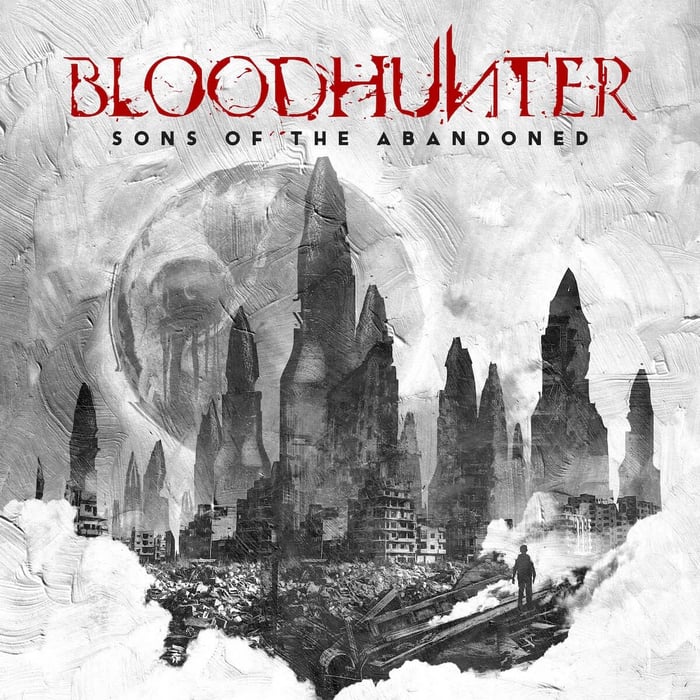
Sons Abandoned Review: Bloodhunter’s Big Choruses Pick a Fight


 See more Architeg Prints stories on Google.
Sons Abandoned Review: Bloodhunter’s Big Choruses Pick a Fight
Bloodhunter’s “Sons Of The Abandoned” blends rapid technical melodeath with massive choruses, creating a captivating yet sometimes disjointed listening experience that highlights both skill and ambition.
A record that shows off… and then dares you to complain
Melodic death metal is one of those styles where “tight” isn’t a compliment—it’s the entry fee. If the guitars aren’t sprinting while the drums do gymnastics, you’re basically listening to a warm-up. Bloodhunter don’t sound remotely fazed by that standard on Sons Of The Abandoned. This is their fourth album, and it plays like a band that knows exactly how good they are and is willing to rub your face in it.
Front and center is Diva Satanica, a vocalist with the kind of command that makes weaker bands accidentally sound like backing tracks. Around her is an “everybody brought their A-game” lineup: drums that never stop moving, riffs that snap into place with surgical precision, and solos that feel like the guitarists are competing for oxygen.
And yet—this is where the album gets interesting—it isn’t just a technical flex. It’s also obsessed with big choruses, the kind that feel engineered to hit hard in a live set. Sometimes that obsession pays off. Sometimes it creates a weird Frankenstein effect, like the band wrote two different songs and stitched them together because both parts were too good to throw away.
“The Devil’s Own” sets the rules, then speeds them up
The album opens with “The Devil’s Own”, and it immediately tells you what flavor of melodeath you’re dealing with: that old-school riff shape, the kind that feels carved rather than improvised. It doesn’t stay comfortable for long. Once the first verse hits, the tempo snaps forward and the track starts moving like it’s late for something.
Blast beats shove the verse into a bridge, and then—finally—the first real guitar melody arrives like a banner being raised. That melody is basically the doorway into the album’s real obsession: the huge chorus. The chorus is massive, and it’s not shy about being massive.
After the second chorus, the track eases off just enough to open a classic solo section—melodic death metal in its most familiar, satisfying form: speed, precision, and just enough drama. Then a third verse, then a final chorus, and it ends with that “big ending” flourish that feels designed for a stage blackout.
Here’s the official video embed as it appears:
Arguably, it’s almost too effective as an opener—because it makes you expect the rest of the album to be equally “cohesive banger,” and that’s not always what you get.
“Ephemeral Youth” proves the band can outrun itself
By the time “Ephemeral Youth” shows up (track four), the album stops pretending it’s here to ease you in. It starts with a rapid drum fill that feels like someone cracking a whip, and the first verse mirrors that pace so perfectly it’s borderline smug.
The track’s structure is the first real sign of the album’s internal tug-of-war. The chorus doesn’t arrive until after the second verse, and when it finally lands, it’s slower, more old-school, and way more focused on guitar melody than vocal intensity. That choice is unusual—and honestly, the first time through, I wasn’t sure it belonged in the same song. It’s a hook that feels like it wandered in from a different track wearing the right band shirt.
But then the solo hits, and it’s not just “good,” it’s the kind of technical solo that forces your attention. It’s one of the album’s sharpest showcases of ability—clean, fast, and written like it actually matters, not like filler between choruses. After that, the chorus returns again, and the track closes by bringing back the verse riff, like it’s trying to stitch the song back into one piece before it ends.
A reasonable listener could argue the chorus is the weak link here. I’d argue the opposite: the chorus is strong—it’s just miscast.
“No One Beats Death” goes less melodic and more predatory
The sixth song, “No One Beats Death,” is the longest on Sons Of The Abandoned, clocking in at just over five minutes. That extra space matters. You can feel the band using the runtime to actually develop ideas instead of firing them off like bullets.
This one leans more traditional death metal than the earlier tracks—less melody-forward, more about weight and bite. Even so, the chorus still shows up as a “unique highlight,” the album refusing to abandon its big-hook agenda even when the rest of the track wants to grind your teeth.
The solo section is where it really earns its length: both guitarists get room to show off, and it plays like a duel—less “look how fast we are” and more “watch how we trade control.” After that, a brooding, menacing riff takes over, like the song is lowering its voice on purpose. Then the main riff returns, final chorus, done. It lands like a statement.
If you skip this track, you’re basically skipping the moment where the album stops sprinting and starts stalking.
“The Path That Never Ends” introduces clean vocals… and a weird chorus problem
Then comes “The Path That Never Ends,” and it’s instantly the album’s most diverse move because it’s the only track with clean vocals. It features Laura Guldemond from Burning Witches, and her presence changes the chemistry immediately.
The surprising part: she doesn’t just float in with clean lines and leave. She also adds additional gutturals alongside Diva Satanica, which should feel like overkill, but it actually gives the verses a thicker, more dynamic punch.
The guitars at the start are genuinely sensational—melodic without sounding soft. And when the harsh vocals hit, especially in the bridge, they sound the most intimidating they’ve been on the album so far. That section feels like the band deliberately tightening the screws.
But the chorus… I kept waiting for it to click, and it never really did. It’s not “bad” in a simple way—it’s more like it’s plain odd, like the song abruptly turns its head at the wrong angle. On second listen, I realized my first impression (“this feature is going to steal the show”) wasn’t quite right. The feature works; the chorus doesn’t. That’s a different issue.
The solo section brings it back into safe territory: Dani Arcos and Guillermo Starless turn in another flashy, controlled showcase. Then that odd chorus returns one last time, and the track ends with the same mixed feeling: some of the best moments on the album… attached to its most confusing decision.
You could argue the weird chorus is the point—that it’s meant to feel unsettling. Maybe. Or maybe it’s just a rare case where this band’s confidence outruns their editing.
“Master Of Deceive” turns the chaos into a closer-worthy punch
The second-to-last track, “Master Of Deceive,” comes in hot—blast beats immediately, plus melodic vocal layering in the harsh screams. That little production/arrangement touch matters because it helps the track stand out without needing a gimmick.
The chorus is, once again, very melodic, and it hits that classic melodeath satisfaction button—like your ears know what to do with it before your brain catches up. It’s “pleasing” in the simplest sense: it feels inevitable.
After the solo—played at the same pace as the chorus, which gives the whole song a more unified stride—the final verse brings back the layered vocals again. Then the chorus returns, and when it repeats, there’s a key change that pushes it over the edge into legit standout territory.
If the album has a “see, we can do this cleanly” moment, it’s here. Arguably, this is the track that best merges the band’s speed addiction with their chorus addiction.
So what’s the real issue? The album’s hooks don’t always belong to their songs
By the end, Sons Of The Abandoned left me conflicted in a very specific way. The choruses and solos are often excellent—like, obviously well-written, not just technically executed. The problem is that some choruses don’t fit the tracks they’re inside.
That mismatch catches you off guard. Sometimes it’s a fun jolt. Other times it breaks the spell and makes the song feel like it’s switching outfits mid-stride. It’s not that the band can’t write hooks—they can. It’s that they sometimes place those hooks like puzzle pieces from a different box.
And that’s my mild complaint: for an album this technically disciplined, the song-to-chorus alignment can feel weirdly undisciplined. It’s the one place where the band’s control slips—not in performance, but in arrangement taste.
Still, none of this erases how gifted the members are. If anything, it makes the album more frustrating, because you can hear how close it is to feeling seamless. A few choruses swapped around—literally just reassigned—and the whole thing might flow like a single blade instead of a set of knives.
Release details and where this era is clearly headed
Whatever my quibbles, Sons Of The Abandoned is a record where each member makes a case for relevance. Diva Satanica sounds like someone who’s done the time and isn’t interested in sounding polite about it. The band plays with the kind of intensity you usually hear from acts with way bigger footprints, like they’re trying to muscle their way into the next tier by sheer force.
It feels like an “ascend now” album: not a debut hungry for approval, but a veteran swing for a larger audience—without sanding off the aggression that got them here.
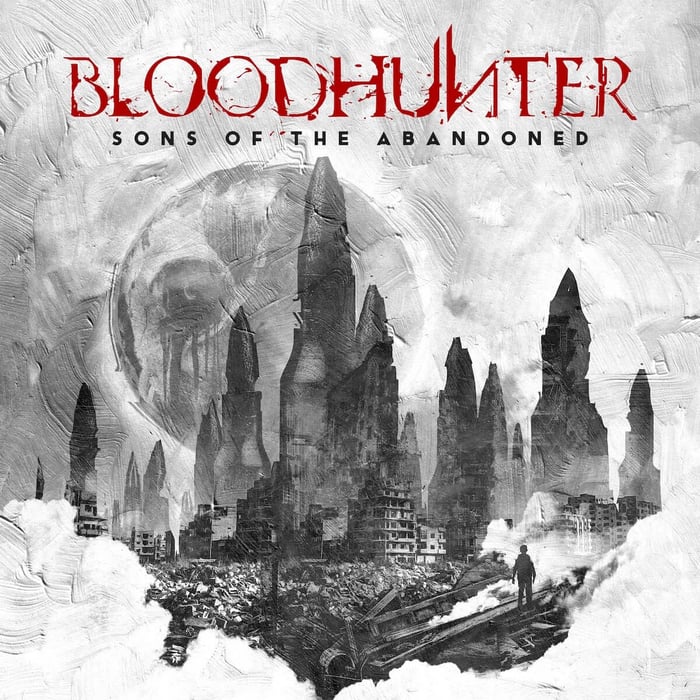
Sons Of The Abandoned is set for release on June 12 via ROAR (a division of Reigning Phoenix Music).
You can also find Bloodhunter on Facebook: https://www.facebook.com/BLOODHUNTEROfficial/
Sons Abandoned doesn’t need you to think it’s heavy—it needs you to notice how often it chooses “anthem” right when “attack” would’ve made more sense. And that friction is either the flaw… or the personality.
Our verdict: If you like melodeath for solos, huge choruses, and musicians clearly showing off, you’ll have a great time with this. If you need your songs to flow like one mood instead of five glued together, this album will irritate you in very specific, very nerdy ways—and honestly, you might be right.
FAQ
- Is Sons Abandoned more about technical playing or songwriting?
It’s both, but the technical side is never in doubt; the real argument is whether the choruses always belong where they land. - Which track best represents the album’s “big chorus” obsession?
“The Devil’s Own” sells that approach immediately—huge hook, big finish, built like a live-set anchor. - Does the album stay melodic the whole time?
No. “No One Beats Death” leans more traditional death metal, even while keeping a chorus that still wants to be memorable. - How does the guest vocal affect “The Path That Never Ends”?
Laura Guldemond adds range and extra heft (including gutturals), but the chorus choice is the part that may lose people. - What’s the most frustrating part of the listening experience?
The occasional “wait, why this chorus here?” moment—great hooks that sometimes feel assigned to the wrong track.
If you’ve got a favorite album cover aesthetic—especially the kind that looks like it could glare at you from across the room—you can always grab a poster-worthy print at our shop: https://www.architeg-prints.com.
 | DISCOUNTGET 30% OFF*Use code on your next order:
|
* This post may contain affiliate links, meaning we earn a commission if you make a purchase through these links, at no additional cost to you.