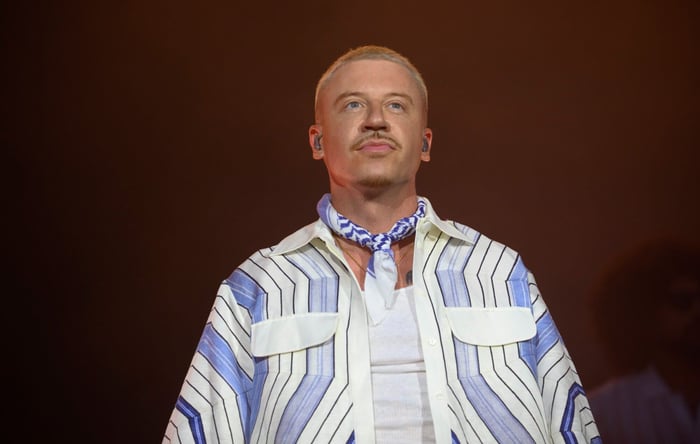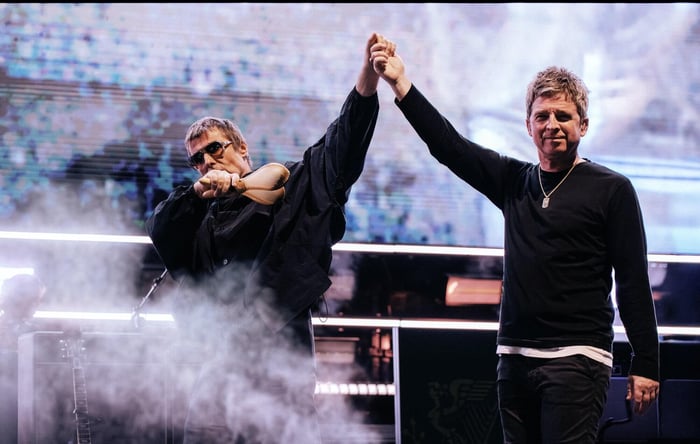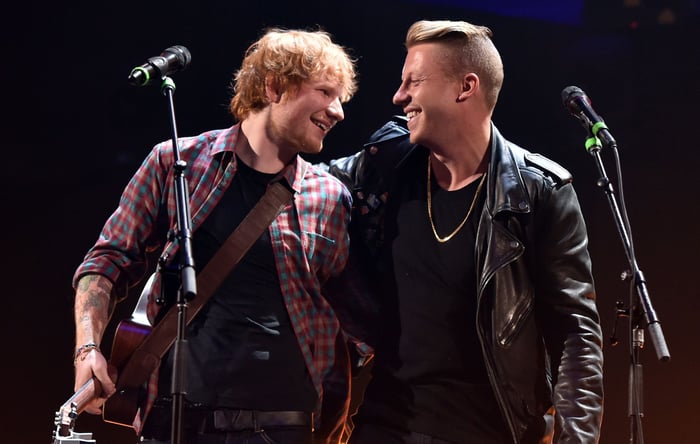
Ed Sheeran Addresses Macklemore Tour Exit Over Palestine Comments


 See more Architeg Prints stories on Google.
Ed Sheeran Addresses Macklemore Tour Exit Over Palestine Comments
Ed Sheeran has explained why Macklemore was removed from his U.S. tour after comments supporting Palestine, insisting that the decision was not his and that he is “not complicit.”
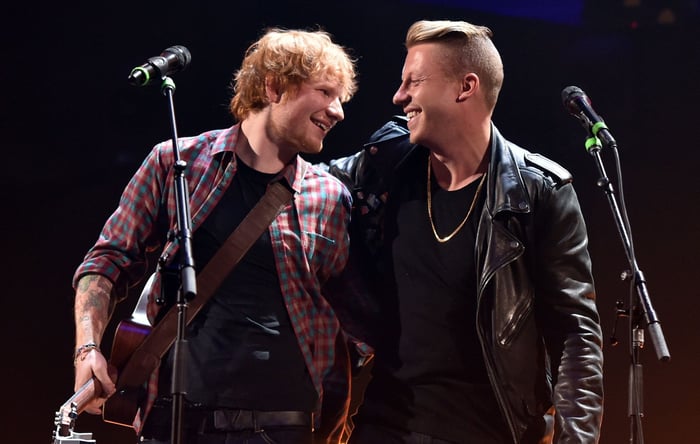
One concert speech has turned a major pop tour into a complicated debate about free expression, political responsibility, and the uneasy line between entertainment and real-world events. Ed Sheeran has now addressed Macklemore’s removal from his U.S. tour, insisting that he is “not complicit” while explaining why the decision ultimately went ahead.
Macklemore’s Onstage Message Sparks Controversy
The dispute began during Macklemore’s appearances as a support act on Sheeran’s U.S. dates. Speaking from the stage, the rapper called for “all human beings to be treated with dignity, respect, and equality” and voiced support for a “free Palestine.”
For many audience members, the moment was a direct appeal for compassion during an unfolding humanitarian crisis. For others, it crossed a line they believed should not be drawn during a mainstream concert. And, as anyone who has watched a gig turn unexpectedly serious knows, a few minutes onstage can travel a very long way once the clips reach social media.
The Israeli-American Council then called for Macklemore to be removed from the tour. The organization argued that he had used the concert platform to advance what it described as “a one-sided political agenda.”
Macklemore pushed back against the criticism, arguing that the pursuit of equality should not be treated as controversial. His response kept the focus firmly on the message he had delivered rather than retreating from it.
Why Macklemore Was Dropped From the Tour
The situation escalated when Macklemore’s removal from the tour was confirmed. Messina Touring Group, which promoted the U.S. leg of Sheeran’s shows, said the decision followed concerns from venues involved with the concerts.
According to the promoter, some venues said they would not allow a concert to proceed with Macklemore included in the lineup. That explanation shifted the story from a disagreement between two artists into a larger question involving venue control, promoters, performers, and audiences.
Macklemore later said he did not view himself as “a victim.” Instead, he directed attention toward Palestinian civilians, describing the victims as “the men, women and children who have been killed, starved, displaced and forced to live through unimaginable violence.”
He also referred to Sheeran as a friend and said the singer had been placed in a “fucked up position.” Macklemore explained that Robert Kraft, owner of the New England Patriots and Gillette Stadium, had told Sheeran that the shows could not go ahead with Macklemore involved.
Robert Kraft Explains the Venue’s Position
Kraft also addressed the controversy. He said that he agreed with Macklemore “in many ways,” but believed the rapper’s comments conflicted with the venue’s longstanding commitment to creating a welcoming environment for every guest.
He added that events at the venue should not provide a platform for hate speech. That statement introduced another difficult distinction: where does political expression end and unacceptable rhetoric begin? In a packed arena, those questions rarely arrive with tidy answers.
The result was a decision that affected not only Macklemore, but also Sheeran’s fans, the touring crew, other support performers, and everyone whose work depends on a concert moving forward as planned.
Ed Sheeran Says the Decision Was Not His
Sheeran has now offered his own explanation, making clear that he did not personally decide to remove Macklemore from the lineup.
He began by saying he was “appalled by the conflict between Israel and Palestine” and described the pain and suffering on both sides as a tragedy. Rather than presenting the situation as simple or one-sided, Sheeran emphasized the human cost of the conflict and the grief surrounding it.
He said he had originally added Macklemore to the tour because he respected him as an artist. However, Sheeran was later told by his team that several shows could be at risk of cancellation because of Macklemore’s public comments.
That left the singer trying to keep the tour intact while navigating a dispute that had quickly become far bigger than a supporting slot.
Sheeran Says He Tried to Find a Compromise
According to Sheeran, he spent the week speaking at length with venues in an effort to “build a bridge.” One of those conversations involved Kraft. Sheeran also said he took part in direct discussions with promoters and activists on both sides in the hope of finding a solution acceptable to everyone involved.
Those efforts, he said, did not succeed.
“Macklemore coming off tour was the promoter’s decision, it was not mine. Macklemore’s contract for the tour was with the promoter, not me.”
— Ed Sheeran
Sheeran added that he would not let down fans who had made plans to attend the shows. He also pointed to the touring crew, other support acts, and musicians who depend on his concerts for work and income.
It’s a practical argument, but also a deeply emotional one. A stadium show may look like one artist under a spotlight, yet it takes an enormous network of people to make that night happen. When a lineup changes, the ripple effect can reach far beyond the person whose name appears on the poster.
“I Am Not Complicit,” Sheeran Says
Sheeran went on to explain why he generally keeps his personal views on the conflict private. He said he wants to use his platform and music to bring people from different backgrounds and cultures together.
For Sheeran, the purpose of his concerts is to create an atmosphere built around unity, joy, escapism, love, and a sense of welcome. He argued that fans attend his shows expecting a shared musical experience rather than a political forum.
“I am not complicit… Just because I choose not to speak publicly, it doesn’t mean I don’t have [opinions], and it doesn’t mean I don’t care.”
— Ed Sheeran
He continued by saying that silence in public does not mean an absence of personal beliefs or private support for causes. In his view, there are different ways to advocate for change, and not every form of advocacy has to happen from a concert stage.
Sheeran also described his shows as a place of safety and sanctuary. He said he wants to maintain diplomacy and keep conversations open rather than closed, adding that if everyone focuses only on shouting the loudest, meaningful change may become harder to achieve.
That idea will likely divide listeners. Some will see his position as thoughtful diplomacy. Others will argue that choosing not to speak publicly can itself become a political act. Either way, Sheeran’s statement makes clear that he sees music as a potential meeting place rather than another battlefield.
The Debate Continues Among Other Musicians
The Macklemore tour controversy has drawn reactions from several other musicians, with opinions landing on sharply different sides.
P!NK shared a post from the StopAntisemitism group that criticized Macklemore’s speech. The post accused him of making what it described as a false claim of genocide and turning a mainstream concert into a political conflict involving Israel and Jewish people.
Boy George also commented on the dispute. He shared an AI-generated image portraying Sheeran in a shirt with the phrase “Wkack Mack No More.” He later wrote on social media that he had never been an Ed Sheeran fan and that nothing had changed.
The comments added another layer of noise to an already heated debate. Instead of focusing only on the original speech or the venue decision, the conversation expanded into criticism of the artists themselves—classic internet discourse, where one concert announcement can somehow become a full celebrity side quest.
Chris Shiflett of Foo Fighters, however, defended Macklemore’s right to speak from the stage. He wrote that he often hears the instruction to “STFU and play,” but said he does not subscribe to that idea.
Shiflett later offered another pointed observation:
“Maybe speaking out against genocide trumps etiquette. The irony of all this performative outrage is that the crowd sounded on board with the message.”
— Chris Shiflett
His response reflects the central argument made by Macklemore’s supporters: musicians do not stop being citizens when they walk onstage. If artists can use a platform to promote causes, charities, products, or personal stories, supporters say they should also be allowed to speak about injustice.
Critics, meanwhile, believe concerts should remain spaces where audiences can gather without being pulled into political disputes. Sheeran’s own statement sits somewhere between those positions, emphasizing personal concern while defending a more neutral public role for his shows.
What This Means for the Tour
The immediate outcome is clear: Macklemore will no longer appear as a support act on the affected U.S. dates. The promoter and venues made the final decision, while Sheeran says he tried to prevent that result.
The larger consequences are less straightforward. The dispute raises questions about who controls a concert’s message, whether artists can be separated from the politics surrounding them, and how promoters respond when performers use the stage for activism.
It also highlights the difficult realities of modern touring. A performer may have artistic freedom in theory, but major shows involve contracts, venue policies, sponsors, security concerns, crew members, and thousands of ticket holders. Every choice can carry professional consequences.
For fans, the controversy may linger long after the final encore. Some will remember Macklemore’s speech as an important act of solidarity. Others will remember the removal as an example of why concert stages should not become political forums. Sheeran, meanwhile, is asking audiences to see his position as an attempt to protect music’s ability to bring people together.
Conclusion
Ed Sheeran’s comments don’t settle the argument, but they reveal how complicated the Macklemore tour dispute became behind the scenes. Macklemore chose outspoken advocacy, while Sheeran says he pursued private diplomacy and tried to keep the shows moving. In the end, the promoter and venues made the call—but the debate over artists, activism, and responsibility is still very much playing.
Where do you think musicians should draw the line between performing and speaking out?
FAQ
- Why was Macklemore removed from Ed Sheeran’s tour?
Macklemore was removed after comments supporting Palestine during his opening performances. The promoter said some venues would not allow concerts to proceed with him on the lineup. - Did Ed Sheeran personally remove Macklemore?
Sheeran said the decision was made by the promoter and venues, not by him. He explained that Macklemore’s contract was with the promoter rather than directly with Sheeran. - What did Macklemore say during his performance?
He called for all people to be treated with dignity, respect, and equality, and he voiced support for a free Palestine. - What has Robert Kraft said about the controversy?
Kraft said he agreed with Macklemore in many ways but believed the comments conflicted with the venue’s commitment to welcoming guests and avoiding a platform for hate speech. - Why does Ed Sheeran avoid sharing his political views publicly?
Sheeran said he wants his music and concerts to bring people together. He described his shows as spaces for unity, joy, love, safety, and connection rather than political debate.
If music history, memorable performances, and the stories behind iconic artists are part of your personal soundtrack, browse the favorite album cover posters at Architeg Prints. A great print can keep the feeling of a song—or an unforgettable era—alive on your wall.
 | DISCOUNTGET 30% OFF*Use code on your next order:
|
* This post may contain affiliate links, meaning we earn a commission if you make a purchase through these links, at no additional cost to you.