Ed Sheeran Tour Exodus Deepens Over Macklemore Palestine Controversy


 See more Architeg Prints stories on Google.
Ed Sheeran Tour Exodus Deepens Over Macklemore Palestine Controversy
The Macklemore controversy has prompted Finneas, Lukas Graham, Beoga and Aaron Rowe to leave Ed Sheeran’s tour amid a wider debate over artistic expression and Palestine.
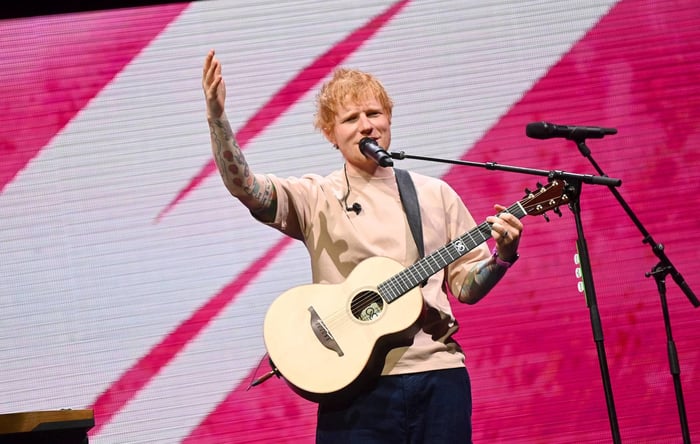
The backstage machinery of a major concert tour usually runs like clockwork: buses roll in, instruments are tuned, and support acts step into the spotlight before the headliner arrives. This time, however, Ed Sheeran’s tour has become the center of a growing dispute after several performers and members of his backing band withdrew in solidarity with Macklemore and the people of Palestine.
Macklemore’s onstage speech sparks the dispute
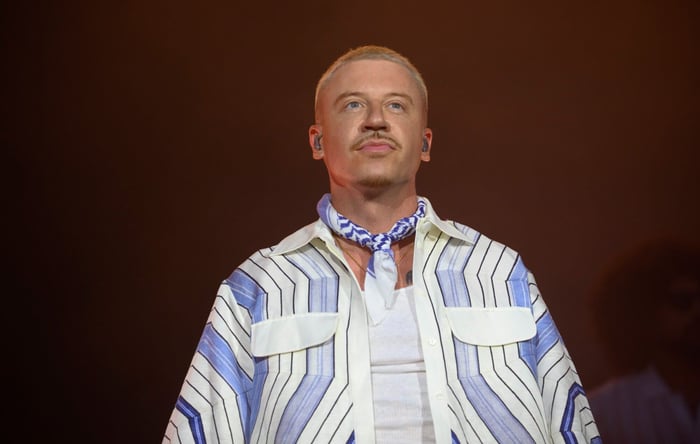
The chain of events began during Macklemore’s recent opening appearances for Sheeran in New Jersey. From the stage, the rapper delivered an impassioned speech calling for “all human beings to be treated with dignity, respect, and equality.”
He also voiced support for Palestine and urged audiences to consider the suffering of civilians affected by the conflict. The remarks quickly became controversial, with the Israeli-American Council calling for Macklemore to be removed from the tour. The organization accused him of using his platform to promote what it described as a one-sided political agenda.
For fans in the room, the moment was a familiar reminder of how live music can suddenly become something much larger than a setlist. One minute, the crowd is waiting for the next chorus; the next, an artist is addressing a global crisis in front of thousands of people.
Macklemore later responded to criticism of his calls for a “Free Palestine,” arguing that the pursuit of equality “should never be controversial.” Despite that defense, he was removed from the remaining tour dates.
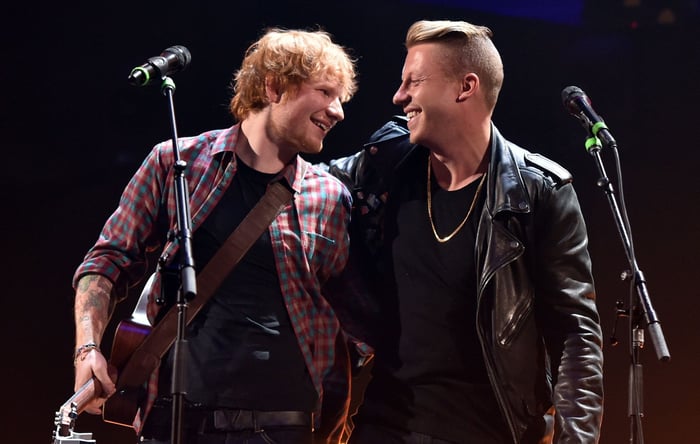
Why Macklemore was removed from the tour
In a lengthy statement, Macklemore said his removal followed pressure connected to Robert Kraft, the owner of the New England Patriots and Gillette Stadium. According to Macklemore, Kraft launched a campaign calling for him to be dropped from the shows or for the concerts not to proceed.
Kraft later confirmed that he had played a role in the decision. Sheeran, meanwhile, said he was not complicit in the removal and insisted that he had spent the previous week trying to build bridges and find a solution. Ultimately, he said he had been unable to do so.
The situation placed Sheeran in an awkward position. As the tour’s headliner, he was linked to the decision even while saying that he had not made it. Macklemore’s departure also left the concert series facing a question that music fans know all too well: where does an artist’s creative freedom end, and where does a venue’s responsibility begin?
Finneas withdraws from South American dates
Finneas, the musician and producer known for his work with Billie Eilish, had been scheduled to join Sheeran’s South American shows later this year. He has now withdrawn from those dates.
Finneas has previously spoken in support of the people of Palestine, and he framed his decision as a matter of artistic solidarity. In a public statement, he wrote:
“Artists must not be silenced when they speak up for the oppressed. I have decided to withdraw from my upcoming tour dates with Ed Sheeran. I stand with Palestine and its people.”
— Finneas
It was a brief statement, but its meaning landed heavily. Touring is a team effort, and walking away from a major run of shows can affect schedules, income and professional relationships. Finneas’ choice made clear that the controversy had moved beyond one performer’s comments and into a broader dispute over whether musicians should be expected to remain silent when political pressure enters the venue.
Aaron Rowe and Beoga also leave
Irish performers Aaron Rowe and Beoga have made similar decisions. Rowe had been brought in as one of Macklemore’s replacements for Sheeran’s remaining United States dates. Beoga, meanwhile, had been working as Sheeran’s touring band.
The group has a particularly close musical connection to Sheeran, having collaborated with him on songs including “Galway Girl” and “Nancy Mulligan,” both from his album ÷. That history gives Beoga’s withdrawal an especially personal dimension. This was not a distant industry protest; it involved musicians who had shared stages, studios and years of creative work with the headliner.
Beoga said the band was leaving Sheeran’s remaining U.S. Loop Tour dates after what it described as the silencing of Macklemore by pro-Israel lobbying groups. The band also connected its position to Ireland’s own experience with oppression and colonialism.
“We are Irish people who understand colonialism. As founding members of the Irish Artists for Palestine movement, we are committed activists for justice and will continue to be.”
— Beoga
Rowe expressed a similar view, saying he could not stand by while wealthy figures used their influence to silence people speaking about Palestinian suffering. He referred to the deaths of children and said that continuing as if nothing had happened would cost him his self-respect.
That kind of language is stark, emotional and unmistakably personal. It also shows why this dispute has spread so quickly: the musicians involved are not presenting their departures as routine scheduling changes. They are describing them as moral decisions.
Lukas Graham rejects the power of money
Danish band Lukas Graham also withdrew from the tour. The group thanked Sheeran for the opportunity but criticized the idea that financial power should determine which subjects artists are allowed to discuss.
“Money doesn’t give you the right to own the conversation.”
— Lukas Graham
The band expanded on that point by arguing that no one’s bank balance should decide who gets to speak or which suffering audiences are permitted to acknowledge. The statement appeared to reference Kraft’s role in the decision to remove Macklemore from the shows.
Taken together, the departures create a striking picture. Finneas was scheduled for future international dates. Rowe had stepped in as a replacement. Beoga was part of the core touring band. Lukas Graham was another support act. Different artists, different roles, one shared response.
Macklemore says Palestinian victims must remain the focus
Before his exit, Macklemore spoke to the crowd at MetLife Stadium and said he wanted people in Gaza and the West Bank to know that they had not been forgotten. He told the audience that every human being deserved the same freedom.
He then named several countries and communities, including Palestine, Cuba, Congo, Sudan and Iran, as well as people in the United States living in fear because of immigration enforcement. After that, he performed his pro-Palestine song “Hind’s Hall” while footage from Gaza appeared on the screen.
Following his removal from the tour, Macklemore emphasized that he did not view himself, Sheeran or other wealthy public figures as the victims of the situation. He said that artists with careers, money, opportunities and international audiences could return home to their families, even if their public comments brought consequences.
“The victims are the Palestinian people. The men, women and children who have been killed, starved, displaced and forced to live through unimaginable violence.”
— Macklemore
He went on to say that more than 20,000 children had been killed in Gaza alone, according to the statement reproduced in the original account, and urged people not to lose sight of Palestinian suffering while discussing the controversy.
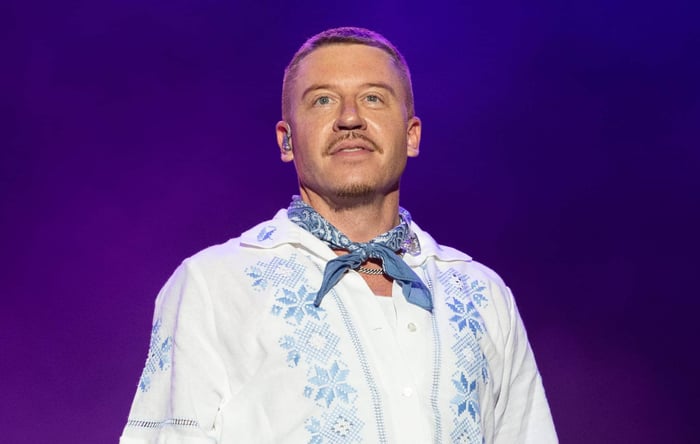
Robert Kraft defends the decision
Kraft responded with a statement explaining why Macklemore would no longer perform at the September 25 and 26 concerts at Gillette Stadium. He said the venue did not provide a platform for hate speech.
Kraft cited Macklemore’s recent actions, material shared from the stage during the New Jersey shows and what he characterized as a wider history of antisemitic rhetoric and imagery. He said those elements were deeply offensive and hurtful to the Jewish community.
At the same time, Kraft stated that the decision was not intended to diminish the suffering of innocent Palestinians or deny anyone the right to advocate on their behalf. He acknowledged that their pain and loss were real, while also emphasizing the responsibility of Hamas and describing the group as a designated terrorist organization in the United States and several other countries.
Kraft concluded by saying he would welcome the opportunity to speak with Macklemore directly. He described the shared goal as peace for all people, an end to suffering and an end to hatred.
That response highlights the central tension at the heart of the dispute. Macklemore and the musicians who followed him say Palestinian suffering must be spoken about openly. Kraft says that advocacy cannot ignore Jewish suffering, antisemitism or the actions of Hamas. The disagreement is not merely about a concert slot; it is about who controls the boundaries of public speech in a highly visible cultural space.
What happens to the tour now?
Sheeran has not yet responded to the withdrawals by his support acts and backing band. Palestinian campaign groups have also called for fans to boycott the tour and for the remaining shows to be canceled.
For now, the impact is both practical and symbolic. Replacing an opening act is one thing. Replacing an established backing band is another. Beoga’s connection to Sheeran’s music means the changes could be felt not only in the publicity surrounding the tour but also in the sound of the concerts themselves.
As a longtime music fan, I’ve always found the support slot fascinating. It’s where new songs meet unfamiliar ears, where a crowd can change its mind in twenty minutes, and where touring musicians build relationships that sometimes last for years. In this case, those relationships have become part of the story—and their absence may speak just as loudly as any performance.
The Macklemore controversy has turned an arena tour into a public debate over Palestine, artistic independence, institutional power and the responsibilities of performers with large platforms. Whether the remaining shows continue unchanged—or whether more artists take a stand—may depend on how Sheeran, the venues and the wider touring team respond next.
FAQ
- Why was Macklemore removed from Ed Sheeran’s tour? Macklemore was removed after speaking in support of Palestine during shows in New Jersey. Robert Kraft later confirmed that he helped make the decision, citing concerns about hate speech, antisemitic rhetoric and imagery.
- Which artists have withdrawn from the tour? Finneas, Lukas Graham and Aaron Rowe have withdrawn, while Beoga has left its role as Sheeran’s touring band. Rowe had also been serving as one of Macklemore’s replacements.
- What did Finneas say about leaving the tour? Finneas said that artists should not be silenced when speaking for oppressed people. He confirmed that he would no longer participate in his upcoming tour dates with Sheeran and expressed support for Palestine.
- What is Beoga’s connection to Ed Sheeran? Beoga had been part of Sheeran’s touring band and had collaborated with him on “Galway Girl” and “Nancy Mulligan,” songs from the album ÷.
- Has Ed Sheeran responded to the withdrawals? Sheeran had not responded to the support acts and backing band leaving at the point covered by this article. He previously said he was not responsible for Macklemore’s removal and had tried to find a solution.
If this story connects with the music, memories and movements that stay with you, take a look at the album cover posters at Architeg Prints. A favorite record on the wall can keep a whole era—and everything it meant—close by.
 | DISCOUNTGET 30% OFF*Use code on your next order:
|
* This post may contain affiliate links, meaning we earn a commission if you make a purchase through these links, at no additional cost to you.