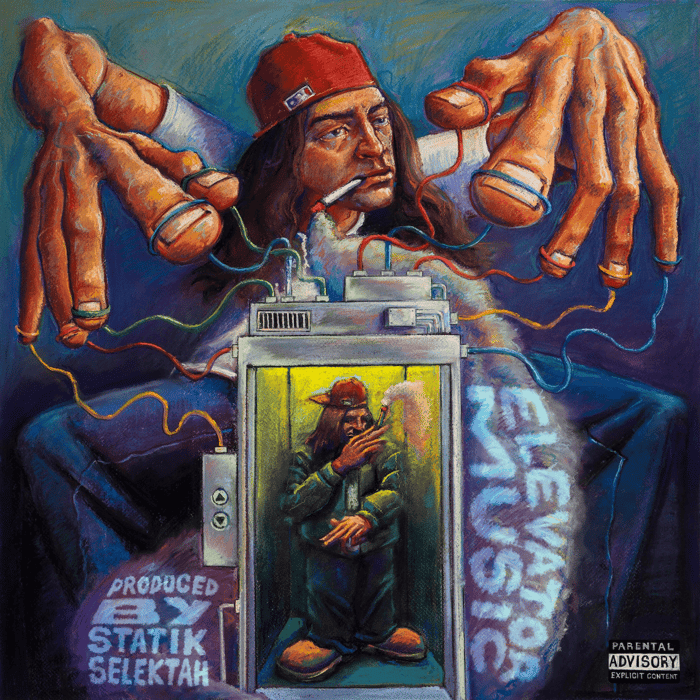
Elevator Music Review: Lord Sko & Statik’s “Muzak” With Teeth


 See more Architeg Prints stories on Google.
Elevator Music Review: Lord Sko & Statik’s “Muzak” With Teeth
Elevator Music is a rap album that narrates ambition through a voice too tired to brag, paired with Statik Selektah’s warm, intimate production. It’s a controlled, strategic debut that balances visibility with escape, revealing the tension of a young artist navigating his place in hip-hop.
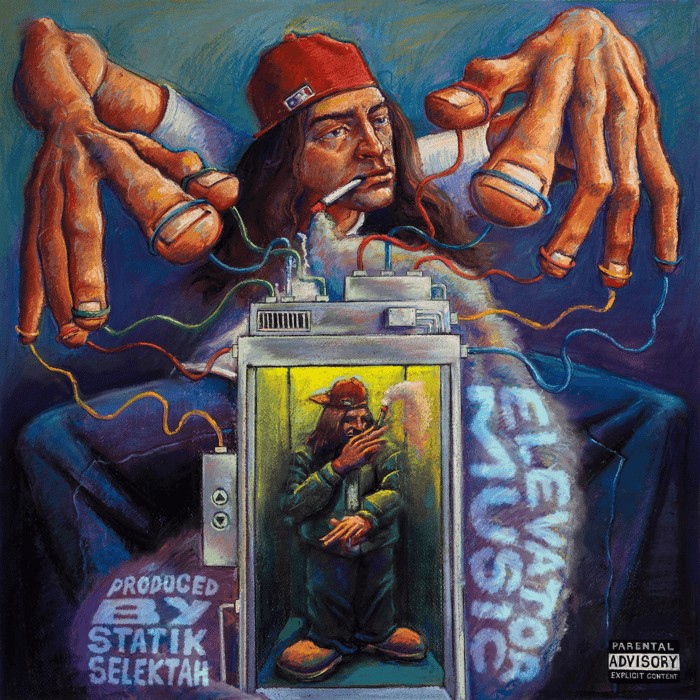
This album smiles… then quietly sizes you up
At first glance, Elevator Music sounds like it’s going to be the kind of rap record that politely blends into the wallpaper—clean loops, grown-rapper guests, respectable tempo. But that’s not what it’s doing. It’s playing “calm” the way a good poker player plays friendly: because panic would be expensive.
Lord Sko comes off like someone who already knows the room is watching, and he refuses to give the room what it expects.
“Better Days” opens with a cosign—and a contradiction Sko won’t fix
“Better Days” has Dave East showing up after Sko’s verse and basically giving him the veteran nod. East drops the kind of flex that sounds like a checkpoint in a rap career:
“From bumming it to watching The Covenant in the Cullinan.” — Dave East
That line matters less as a brag and more as a signal flare: a seasoned rapper recognizing a newer voice and treating him like he belongs. Sko’s 25, from uptown Manhattan, and he’s now attached to Statik Selektah’s Showoff situation. You can hear the newness and the proximity to something “official” all over the album—like he’s still getting used to the idea that people might actually be paying attention.
And then Sko does the more interesting thing: he undercuts his own presence. Over and over, the writing leans into a weird push-pull. One of the most telling lines is basically him admitting he’ll appear, be seen, and disappear:
“Lotta times I’m showing face and probably leaving though.” — Lord Sko
That’s the album’s actual engine: visibility vs. escape. Most young rappers try to resolve that tension with louder confidence. Sko doesn’t. He leaves it raw and keeps walking.
Arguable take: if you want a debut that “plants a flag,” this isn’t that. Elevator Music plants a question mark and acts like that’s braver.
Sko doesn’t throw punches—he moves pieces
What surprised me is how little this record cares about winning a bar fight. Sko isn’t trying to out-rap the block. He’s trying to outlast it.
On “How It Is,” Statik gives him a bright piano and a ticking loop—music that doesn’t shove, it nudges. Sko rides it like someone thinking three moves ahead, not someone performing aggression for the camera. That same chess-brain shows up on “Donnie Brasco,” where the bass and snare hit heavier and Sko drops a warning that feels less like a threat and more like a boundary:
“I don’t wanna dance to the same song.” — Lord Sko
That’s not a punchline. That’s a philosophy. He’s basically telling you repetition is the real enemy, not rivals.
And honestly, I kept waiting for the album to go for the obvious “uptown” flash—faster flexing, louder hooks, bigger swagger. It doesn’t. The strategy stays the point. If anything, Sko trades stamina (constant high energy) for control (constant intent). And that choice makes the record feel older than 25 without pretending he’s 45.
Arguable take: the album’s restraint is the flex—loudness would’ve made it weaker.
“Star of Wish” makes prayer sound like risk management
“Star of Wish” swells with orchestral color, and Sko leans into a line that’s half hope, half survival math:
“Pray for another day, I see the light.” — Lord Sko
It doesn’t land like a triumphant moment. It lands like someone staring at consequences. The vibe isn’t “I’m destined.” It’s “I might make it, but I’m not stupid.”
That’s the bold move here: Sko’s not playing the invincible hero. He’s playing the guy who sees the exits and keeps checking them. For a Showoff release—especially with Statik behind it—this feels like a deliberate choice to emphasize poise over fireworks.
I’ll admit I’m not totally sure every listener will read it that way. Some people might just hear “chill rap.” But to me, the chill is tactical.
Arguable take: the record isn’t calm because Sko is relaxed—it’s calm because he’s careful.
Statik’s mid-album warmth turns exhaustion into a convincing “second wind”
Here’s where the producer earns the co-billing. In the middle stretch, Statik starts carving out these warm, forgiving spaces—beats that feel like dim apartment lighting and a drink you didn’t ask for but needed anyway. It’s like he recognizes Sko’s exhaustion and reframes it as texture, not weakness.
“Wonder” is the most naked example. The lo-fi piano lick drags like it’s tired of being a loop, and Sko drops the album’s most personal line, the kind you say once and then change the subject:
“Tryna find it in me as a man to go talk to my father / And time only make it harder and harder.” — Lord Sko
That’s not “content.” That’s a bruise. And the beat doesn’t try to decorate it. It just keeps moving, like the world does when you’re carrying something you haven’t solved.
Arguable take: “Wonder” is more impactful than any banger could’ve been because it refuses to entertain you while it confesses.
“Northern Lights” makes the haze part of the writing
“Northern Lights” sits in a hazy jazz-soul pocket, and Statik drops those needle-scratch hooks like little flashes of memory. Then you get B-Real and Smoke DZA passing verses through the track, and Sko comes in sounding like he’s halfway between discipline and temptation:
“Truthfully, I still might be up in Peru smoking Dutches.” — Lord Sko
That line doesn’t just depict a scene—it explains the air the album breathes. The haze isn’t a vibe pasted on top; it’s evidence. It’s the atmosphere of someone trying to be “serious” without pretending they’ve stopped wanting to float away.
My first impression of this track was that the guest presence might swallow Sko. On second listen, it actually sharpens him—because he doesn’t try to outshine them, he just stays himself. That’s harder than it sounds.
Arguable take: the features don’t “help” Sko so much as they pressure-test his identity—and he passes by staying understated.
“Drunk Dial” is the album’s smartest underreaction
“Drunk Dial” pairs Ab-Soul with a melancholic walking bassline—music that moves forward even if the mind doesn’t. Sko responds with what might be the most quotable, most quietly bleak confession on the record:
“I’ve had them highs and lows, almost divide my soul / Been walking tightropes while I’m getting high with a blindfold.” — Lord Sko
Then Ab-Soul hits back with a line that doesn’t resolve anything, just recognizes it:
“Yo, if that ain’t divine, then I ain’t blind.” — Ab-Soul
And here’s the key: the beat holds a single tempo, and neither rapper forces catharsis. No big emotional dump. No “lesson learned” speech. They just sit in it. Old-school frame, young-person problem. The decision to underplay is the editorial win.
A lesser record would’ve flooded this moment with dramatic strings, like it needed to “tell you” it was deep. This album doesn’t do that. It trusts the line.
Mild criticism, though: the same restraint that makes “Drunk Dial” land also means some listeners will wish for a bigger hook or a sharper structural turn. I didn’t need fireworks, but I did catch myself wanting one more switch-up—just once—to prove the album could bite if it wanted to.
Arguable take: the album’s refusal to explode is either maturity or stubbornness, depending on your patience.
“Wish Upon a Star” turns mentorship into a moving target
Near the back end, “Wish Upon a Star” stretches out like a late-night conversation in somebody else’s space. Sko paints a domestic little scene: he’s at the producer’s apartment, impressed by the view—impressed enough to admit it—but not so dazzled that he stops asking what happens next.
He imagines the older mentor figure hearing the kid say, “One day I’m tryna get like you,” and reacting with something like affection mixed with dismissal: a dap, a nod, and the instruction to go travel long hours and come back with a plaque for the wall.
That’s a cold kind of love, honestly. Encouragement that doesn’t comfort you.
Then the album does its most concept-forward move: a spoken-word coda about Muzak and the origins of elevator-cab music gets spliced onto the closing strings. And that splice is crucial. The arrangement could’ve coasted into a victory-lap shape. Instead, the record interrupts itself with an almost instructional voice-over, leaving the title Elevator Music hanging as a question.
Is music here to keep passengers from noticing the sway… or to remind them they’re climbing?
I’m not 100% sure the spoken-word addition will hit for everyone. Part of me wondered if it was too on-the-nose. But it also reframes the whole album in hindsight: this is rap that’s pretending to be background while smuggling in anxiety, ambition, and doubt.
Arguable take: that coda isn’t a gimmick—it’s the album admitting what it’s been doing the entire time.
“Hangman” is where the mask slips the most
Put that closing question next to “Hangman,” where Sko sketches himself in a layover bar in a city he can’t even name. Flight delayed. Mind clouded. He can’t remember what he’s there for.
That’s not just a scene; it’s a metaphor that refuses to act like a metaphor. It’s what happens when motion becomes your identity and then you realize motion doesn’t automatically equal progress.
If you’re looking for the record’s clearest emotional center, “Hangman” is it. Not because it screams, but because it sounds like someone caught mid-thought, mid-trip, mid-plan—suddenly unsure.
Arguable take: “Hangman” does more for Sko’s character than any “anthem” track could’ve done.
Favorite tracks and overall impact
By the time the record closes, I’m left thinking the album’s biggest trick is how it never tries to resolve Sko’s contradictions. It just documents them with clean writing and beats that know when to step back.
This lands, to me, as a great listen—more because it’s controlled than because it’s explosive.
Favorite tracks:
- “Hangman”
- “Northern Lights”
- “Wish Upon a Star”
Conclusion
Elevator Music isn’t trying to be the loudest voice in the room. It’s trying to be the voice you remember after the room quiets down—because it sounded like someone thinking in real time, not performing certainty. Statik Selektah gives Sko beats that feel like hallways, apartments, and late-night rides, and Sko fills them with the kind of ambition that doesn’t fully trust itself yet. That’s the point. That’s the tension. And it’s why the album sticks.
Our verdict: People who like rap that moves like a conversation—measured, hazy, strategic—will actually love this. If you need every track to kick the door in and do push-ups, you’re going to call it “too chill” and wander off halfway through (which, to be fair, the album kind of predicted you would).
FAQ
- Is “Elevator Music” really background music?
No. It acts like it could fade into the room, but the writing keeps pulling your attention back to Sko’s unease and planning. - What’s the main appeal of the Elevator Music album?
The appeal is control: Sko sounds self-aware without turning every track into a therapy session, and Statik keeps the beats warm and uncluttered. - Do the guest features overpower Lord Sko?
Not on the songs that matter most. The guests create pressure, and Sko’s understatement is what makes him stand out. - What’s the emotional core track here?
“Hangman” feels like the clearest moment where Sko stops posing and just lets the fog show. - Is this album for people who want big hooks?
Only sometimes. If hooks are your oxygen, you may feel like the album is holding its breath on purpose.
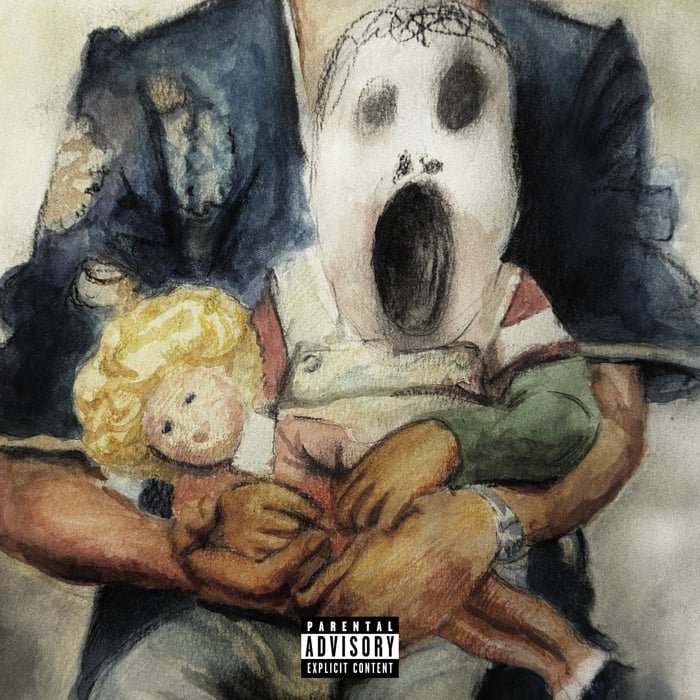
If the mood of Elevator Music hit you—the cover, the quiet tension, the “keep moving” energy—you might want to hang that feeling on a wall. Shop your favorite album cover poster at our store: https://www.architeg-prints.com
 | DISCOUNTGET 30% OFF*Use code on your next order:
|
* This post may contain affiliate links, meaning we earn a commission if you make a purchase through these links, at no additional cost to you.