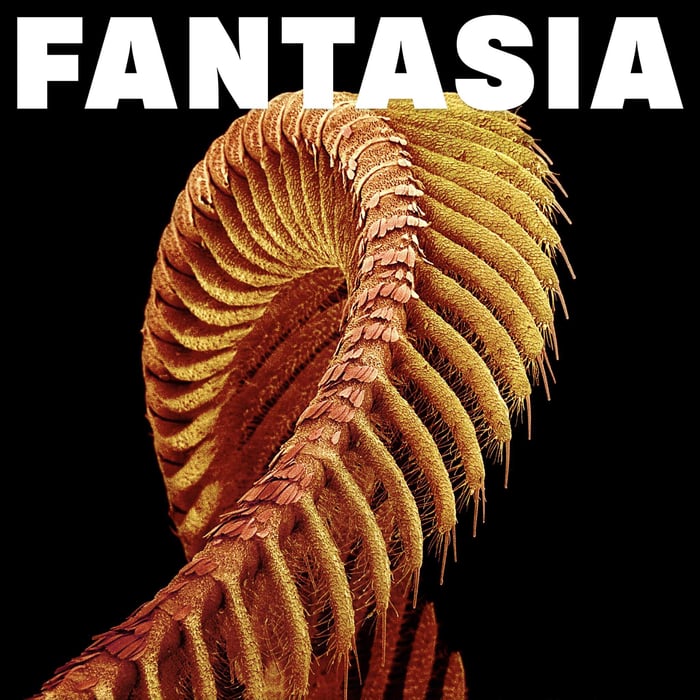
Fantasia Slift Review: They Grounded the Spaceship, Still Lit It On Fire


 See more Architeg Prints stories on Google.
Fantasia Slift Review: They Grounded the Spaceship, Still Lit It On Fire
Fantasia Slift turns cosmic psych into human panic—tight songs, huge sound, and a couple moments that feel like protest music in a doom-rock mask.
A record that doesn’t “arrive” so much as it hits
Some albums start with an invitation. Fantasia Slift starts like SLIFT kicked the studio door off its hinges and dared you to complain about the mess.
I’ve been following this band’s particular talent for rewriting rock grammar in a dialect that doesn’t exist yet, and Fantasia Slift is the moment they stop pretending the trip is purely sci‑fi and admit there are actual people burning down inside the helmet.
SLIFT’s whole deal: familiar roots, alien outcomes
Here’s the thing: SLIFT don’t abandon rock tradition—they drag it behind the car until it sparks. You can hear the classic heavy-psych DNA, the big-riff religion, the spacey patience… and then you hear them sabotage it with post-punk nerves and weirdly athletic grooves.
If you like your heavy psychedelic music polite and symmetrical, this album is going to feel like someone rearranged your living room while maintaining eye contact. And yeah, I hear the obvious reference points—Hawkwind’s sprawl, Sabbath’s weight, Floyd’s shimmer—but SLIFT aren’t cosplaying them. They’re using those shapes the way a filmmaker uses old lenses: to make the present look more alarming.
One arguable take right up front: people calling them “saviors” of heavy psych are missing the point—SLIFT sound more like they’re trying to burn the whole genre down so something stranger can grow back.
“Fantasia” (the opener): doom riffs with a busted human heart
The title track “Fantasia” opens on howling feedback and that thunder-forward, doomy rhythm that makes you brace your shoulders like you’re about to take impact. It’s heavy, sure—but the real trick is how it turns heavy into urgent.
When Jean Fossat comes in, it’s not the usual stoner-rock “cool.” It’s closer to a desperate post‑punk bark—like the vocals are running out of oxygen and choosing to be loud anyway. The lyrics go straight for the nerves: a plea to find “a fire for your soul” and to “take away the pain on your shoulders.” That’s not fantasy-world escapism. That’s “look around” language.
Then the keyboards show up—sparkling and shimmery, like they wandered in from the spacier corners of Ilion—and the song lifts without getting soft. I didn’t expect that to work as cleanly as it does. For a minute, I honestly wasn’t sure if the keys were going to feel pasted on, like a “we’re still cosmic, don’t worry” sticker. But they’re integrated, not decorative.
Arguable claim: the synth/keys are the real emotional narrators on this album—more than the riffs.
“Corrupted Sky”: when the groove starts arguing with the panic
The clever move is that the same keyboard pattern bleeds straight into “Corrupted Sky.” It feels continuous, like the album refuses to let you reset your pulse between tracks.
This is where the trio’s musicianship stops being “impressive” and becomes functional—as in, it serves the tension. Canek Flores drives the verses with an urgent pattern that’s not just tight; it’s insistent. The groove locks in under Jean’s vocals, which land in that specific zone where you can hear the Ian Mackaye influence without it becoming imitation. It’s the tone: clipped, direct, morally annoyed.
And somehow it blends two things that shouldn’t share a room:
- the sharp edge of late‑era Fugazi attitude (think The Argument tension)
- the physical, riff-first pull of Sabbath-style weight
It works even better than it “should,” mostly because the anger doesn’t feel theatrical. The vocal delivery sounds like it’s aimed at something specific—fear, xenophobia, the whole cowardly urge to protect your comfort by blaming outsiders. The track isn’t subtle about it either, and honestly? Good. Subtlety is overrated when the subject is people actively choosing to be smaller.
One arguable take: “Corrupted Sky” is the moment Fantasia reveals it’s not a vibe record—it’s a spine record.
From Ilion to Fantasia: less space opera, more street-level dread
After Ilion, I expected another set of expansive sci‑fi epics—Greek-myth echoes, long-form drifting, that sense of hovering above the planet while describing it.
Fantasia doesn’t do that. It’s leaner and more grounded, but not smaller. The ambition is still there; it just points at the world we’re actually stuck in. The album feels intentionally human—like the band decided that hiding behind cosmic metaphors was starting to look like a luxury.
I’ll admit my first impression was that “leaner” might mean “safer.” On second listen, I had to eat that thought. It’s not safer. It’s just more direct. There’s a difference.
Arguable claim: Fantasia is SLIFT choosing confrontation over escapism—and it’s their boldest move, not their most accessible.
“The Village”: five minutes of exclusion, paranoia, and a chorus that hurts
“The Village” is where the concept sharpens into a story you can’t pretend is abstract.
It tells the tale of a stranger arriving in “a village by the sea,” and getting rejected by the locals who “call me a liar… and say I poisoned their water.” That’s xenophobia portrayed in the dumbest, most believable way: the crowd invents a threat so they can feel righteous about their cruelty.
Musically, it builds from an ominous march—almost ritualistic—into a chorus that sounds like a genuine plea. Not “arena” big. More like “someone yelling because nobody’s listening” big. The best part is how all three elements—music, lyrics, theme—click at once. Experimental rock can sometimes confuse complexity for meaning. This track doesn’t. It earns its five minutes.
If I’m going to nitpick anything: the build is so effective that it makes me wish one later track took a similarly patient route instead of snapping back into groove mode. Not a dealbreaker—more like a greedy request.
Arguable take: “The Village” isn’t just the highlight because it’s dramatic—it’s the highlight because it’s clear.
The mix: huge, organic, and allergic to clutter
The album was mixed by Kurt Ballou (Converge), and you can hear the decision-making everywhere.
This is a big sound that still feels organic:
- the keyboards float without swallowing the guitars
- the drums, bass, and guitars sit together instead of fighting for spotlight
- Jean’s vocals move in the mix—sometimes soaring above everything, sometimes stepping back and letting the band’s momentum do the talking
Arguable claim: the mix is secretly the album’s “fourth member”—because without this balance, these songs could’ve collapsed into expensive noise.
“A Storm Of Wings” and “Secret Mirror”: the straight-line riffs with crooked personalities
“A Storm Of Wings” pivots into a more traditional stoner-rock groove, but SLIFT can’t help themselves: it’s like the groove is being piloted by an unhinged David Byrne-type presence—nervy, twitchy, too alert for a genre that often prefers to laze.
Then the closer, “Secret Mirror,” leans into mournful doom—the kind of riff gravity that should keep the Iommi faithful satisfied. It’s the album’s heavier exhale, a final drag of the mood back down to earth.
Here’s an arguable one: these more “traditional” moments are necessary, but they’re not where Fantasia is most alive. They feel like the album putting on boots after sprinting barefoot through broken glass.
“Orbis Tertius”: when the album gets weird and accidentally tells the truth
The real magic happens when Fantasia swerves into the unexpected—especially on “Orbis Tertius.”
It’s inspired by Jorge Luis Borges’ short story about a fictional world bleeding into ours, and that’s exactly what the track sounds like: reality getting overwritten mid-song. It’s progressive and complex, sure, but it never loses the heavy groove Flores and Remi Fosset lay down. That’s the trick—SLIFT keep one hand on something physical while the other hand scribbles nonsense symbols in the air.
It ends up being:
- catchy and angular
- mad, but making perfect sense
- familiar, yet completely insane
I kept waiting for it to fall apart into indulgence. It doesn’t. It threads the needle.
Arguable take: “Orbis Tertius” is SLIFT’s argument that groove can carry almost any weird idea—as long as you commit like you mean it.
So what is Fantasia actually doing?
This is where I land: Fantasia Slift isn’t just “a great psych record.” It’s a rock record that’s trying to speak like a human being while still using the amplified language of heavy music.
It’s an album about fear—fear of outsiders, fear of collapsing systems, fear that empathy is going out of fashion—and it responds by sounding louder, not prettier. It’s ambitious without being sprawling. It’s grounded without being boring. And it keeps choosing the uncomfortable version of each moment.
If I had to slap a number on the experience, the way people do when they want certainty: 10/10—not because it’s flawless, but because it does exactly what it’s trying to do and doesn’t blink.
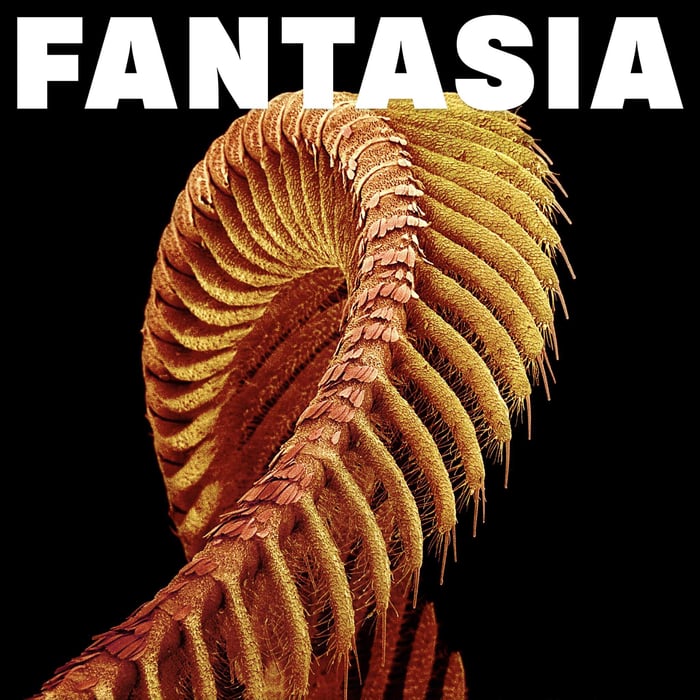
Release details (yes, I’m marking my calendar)
Fantasia is set for release on June 5th via Sub Pop.
If you want the most direct official breadcrumb trail, the band’s Facebook is here: https://www.facebook.com/sliftrock/
Fantasia doesn’t ask to be understood; it asks whether you’re paying attention. It takes the grand language of heavy psych and uses it to describe ordinary human ugliness—then dares you to call that “too intense.”
Our verdict: People who like heavy rock with a conscience (and don’t need their riffs to wink) will love this. If you came for background “space vibes” or you prefer your psych rock to stay politely imaginary, this album will feel like someone turned your daydream into a confrontation—and you’ll probably bail halfway through.
FAQ
- What’s the core vibe of Fantasia Slift compared to Ilion?
It’s less cosmic-epic and more human and grounded—still ambitious, but aimed at the real world instead of mythic distance. - Which track best represents the album’s message?
“The Village,” because the story of exclusion and paranoia is blunt, and the music builds into a chorus that feels like a real plea. - Does the album still have spacey elements?
Yes—especially in the shimmering keyboards and transitions—but they’re used as emotional lift, not sci‑fi decoration. - Is Fantasia more “accessible” than previous SLIFT records?
In length and focus, maybe. In mood and intensity, not really—it’s direct, and that can be harder to sit with. - Who mixed the album, and does it matter?
Kurt Ballou mixed it, and the balance matters a lot: everything hits huge without turning into a smear of sound.
If Fantasia has you obsessing over visuals as much as the noise, a clean album-cover poster is the most reasonable way to live with the chaos—worth a look at https://www.architeg-prints.com when you’re done replaying the title track.
 | DISCOUNTGET 30% OFF*Use code on your next order:
|
* This post may contain affiliate links, meaning we earn a commission if you make a purchase through these links, at no additional cost to you.