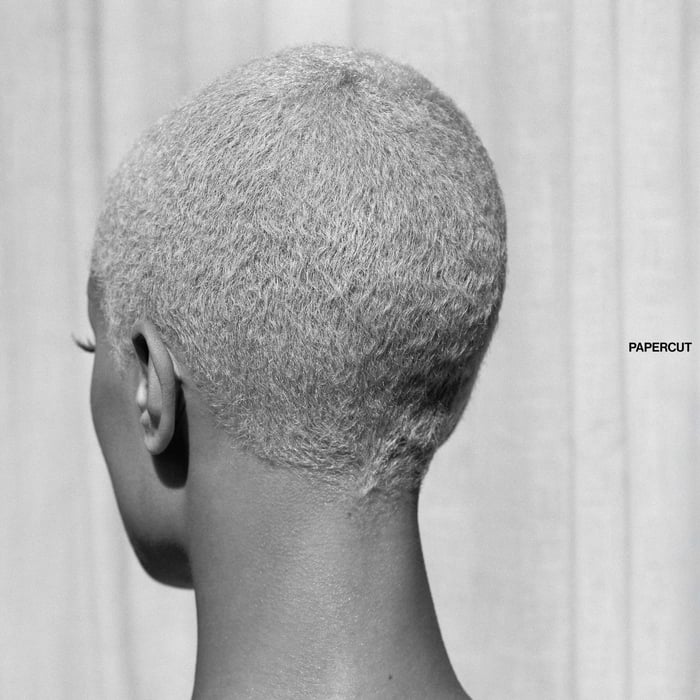
Papercut Album Review: Imani Imani’s “Soft” Songs With Sharp Teeth


 See more Architeg Prints stories on Google.
Papercut Album Review: Imani Imani’s “Soft” Songs With Sharp Teeth
Imani Imani’s debut album Papercut transforms desire into a complex contract, blending control, vulnerability, and raw emotion into a gripping R&B narrative.
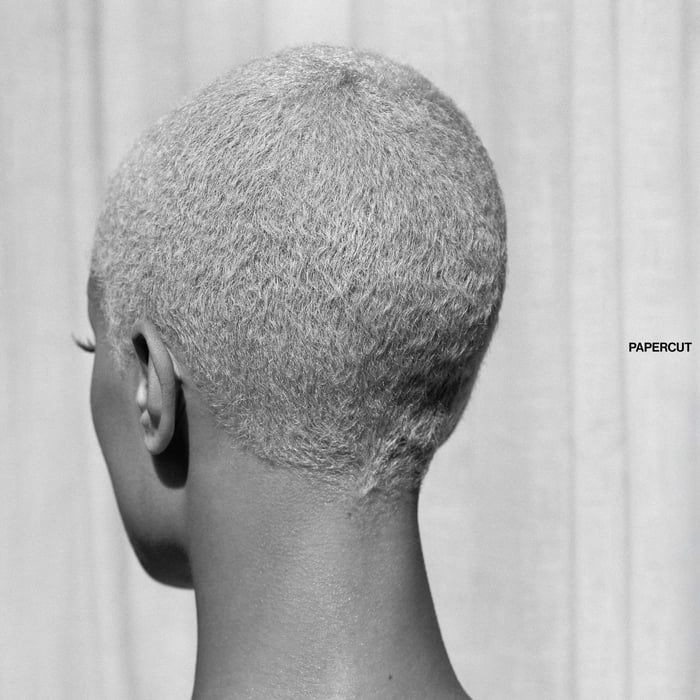
A quiet rollout that dares you to call it quiet
Some albums announce themselves with fireworks. Papercut shows up like it’s already been living in your house for a week, rearranging the furniture.
The interesting part isn’t that Imani Imani is the first singer carrying pgLang’s name—it’s that the whole vibe feels engineered to make absence look like power. pgLang came up on slow-burn rollouts, strategic silence, the kind of pacing that turns “nothing happening” into a headline. A singer should feel like a curveball in that world. But listening to Papercut, I don’t think it’s a gamble at all. It’s a flex: “We can sell you a voice the same way we sold you a pause.”
And Imani Imani fits that like a glove. She doesn’t enter asking permission. She enters already asking for the keys—and not in a cute, metaphor way. Suggestion and seduction aren’t even invited to the session. Want isn’t a question on this record. Want is the operating system.
That’s the stance that rules the whole album: desire as a fully formed posture, not a flirtation. A reasonable person could argue this is just standard confidence. I think it’s more specific than that. It’s not “I know what I want.” It’s “I already decided what you are.”
“Bet On Me” and the romance of not knowing anything
The early moments are almost funny in how quickly she skips the basics. On “Bet On Me,” she’s talking to a man she just met and acting like the whole thing is already settled.
“Put a bet on me/I bet on you”—that line isn’t sweet. It’s administrative. And then she doubles down on the weirdest kind of certainty: she doesn’t know his name, but she claims she can “feel all the things you say,” like his future is readable through his silence. She’s not selling romance; she’s selling the thrill of being so sure you don’t need evidence.
At first, I took it as playful arrogance, like a classic “I’m that girl” opener. But on second listen, it reads more like a warning label: this album is going to treat intuition as a weapon. And if you’re the guy in the song, congratulations—you’re dating a surveillance system with good vocals.
That’s an arguable take, sure. You could hear it as boldness. I hear it as the start of a pattern: she keeps building relationships out of pressure and imagination, then acts confused when they collapse under the weight.
“Come Together” turns lust into a geometry lesson
From there, Papercut starts doing this thing where desire gets described like a negotiation, except she’s the only one allowed to negotiate.
“Come Together” isn’t coy. She wants “all that ass,” not half, not “we’ll see,” not “maybe later.” When the man hesitates, she doesn’t plead—she mocks. She turns the whole situation into a math problem: angles, circles, getting “one thing straight,” and the punchline is basically, you’re too dumb to keep up.
That’s the album at its most entertainingly blunt: she weaponizes precision. Even her metaphors are ultimatums. And when she says Add it or subtract from it / Keep it coming, I just want it, she’s treating intimacy like a running total—except the total never arrives, because the point isn’t completion. The point is control through constant motion.
You could disagree and say it’s just dirty talk with clever phrasing. I think it’s dirtier than that: it’s the sound of someone refusing to let desire soften into mutuality.
“You’re Mine” makes possession sound like a lifestyle choice
“You’re Mine” is where the record stops pretending this is just flirtation. She says she likes them “tame,” likes them in place, likes them where she can see them. The first impression is hunger—like a drug-high kind of craving. Then the song flips when he leaves town for business, and the temperature drops fast.
“You better come on home before you’ll bleed”—lands like the moment you realize the playful stuff wasn’t playful. And when he’s gone again, she replaces him with “a sub who don’t need briefing,” cutting through his begging with: “Don’t you fuck with me/I will bite/I’d rather die/I don’t play about mine.”
Here’s the trick the album pulls: it dresses the fence up as appetite. It makes restriction sound like passion. A lot of listeners will call that toxic. I’m not even trying to moralize it; I’m just saying the song is clear about what it’s doing. It’s not singing about love. It’s installing locks.
I will admit one thing, though: part of me isn’t fully sure if the threat is literal, performative, or just a hyper-stylized way to make obsession feel cinematic. The ambiguity is doing work. Either way, the intent still reads the same—possession is the fantasy, not the accident.
“Slidee” keeps the control, loses the venom
“Slidee” runs on the same power dynamic, but it sounds like she’s actually enjoying herself this time. The malice is stripped out. She’s not arming herself; she’s amusing herself.
There’s a guy singing to his friends about what her lips taste like, spent all weekend, begging to be noticed—and she keeps him on a schedule. Lines like “If you in love keep it quiet / I’ll be back on your phone when I need it” don’t even pretend to be fair. The point is that her control is never in doubt. She says “I got him so obsessed” like she’s checking something off a list.
And honestly? It works better here than on “You’re Mine.” The lighter tone makes the same behavior feel less like a threat and more like a flex. You can disagree and say that’s a shallow distinction. I’m saying tone is the whole game on this album—tone is how she gets away with things.
One producer, one long stretch of self-mythology—and the crack in it
With Daan Zinkhaan handling production across the entire record, Papercut gets a kind of sonic continuity that makes the lyrical contradictions stand out more, not less. When everything shares the same air, you notice the shifts in posture immediately.
There’s a stretch where she’s living in the fantasy of independence—half the album feels like she’s building her own little kingdom and writing rules on the walls. “Snatch” plants the flag: she’s “fully independent,” up on the roof, dictating terms. “Don’t call me back, I’ve had enough.”
Then she undercuts herself in the same breath: “what does it mean if I can’t call you up.” That’s not a plot twist; that’s the real thesis leaking through. The independence isn’t stable. It’s a costume she wears until loneliness pulls at the seams.
And later, the album flips the dependency entirely: freedom gets handed to the benefactor, the one funding the lifestyle. “You give me dreams / You give me lifestyle.” That’s not romance; that’s sponsorship. A listener could argue she’s just being honest about what support looks like. I hear it as the album admitting what it’s been doing all along: mixing emotional need with material want until they’re indistinguishable.
When she begs, the writing gets… familiar
Here’s my mild criticism: when Papercut moves from dominance into pleading, it loses its edge fast.
“On Demand” takes the same control framework—demands, offers, leverage—but the language turns generic. “You right I’m wrong / Take me back / Take me back / I’m so sprung.” It’s sincere, sure, but it’s also the kind of phrasing you’ve heard a thousand times in songs that don’t have this album’s bite. The “reward” becomes availability: “I’ll be on demand / I’m a call away.”
“1 of 1” sinks deeper into that sweetness: “What would I do to please you, boy? / What would I do to keep you?” And suddenly the woman who was laying down laws is bargaining for someone to stay.
You could say that’s the point—softness as contrast. But to me, this is where the album briefly stops sounding like Imani Imani and starts sounding like the template. The record is at its sharpest when she’s making desire sound slightly unreasonable. When she goes plain, she fades into the crowd.
“Mindgames” is where the swagger finally admits what it’s hiding
Still, the panic under all of this is pretty consistent: the terror isn’t heartbreak—it’s being left alone.
On “Mindgames,” she doesn’t even know what kind of hold she should have on him. There’s a question inside the chorus that feels like the real emotional center: if she stays tonight, does she hold on tight… or does she lose her light? The ambiguity is the song. Not knowing is the hook.
Threats pop up—“I would set this bitch on fire”—because of course they do. That’s her reflex when she can’t secure the outcome. But then the bridge drops the act. She confesses she never let her guard down, that she was good on her own, and now she can’t even rest when he’s gone too long. Finally: “You know that I’m broken.”
If you’re listening casually, you might think the threats are the main story. I don’t. I think the confession is the album’s most honest moment so far: control was never confidence; it was insurance.
“Chasing” and the sound of someone packing bags they won’t use
“Chasing” gets lonelier and weirder in a way I didn’t expect after the earlier flexing. She’s packing bags, heading out the door—except it doesn’t even sound like she has anywhere to go. “I’m out the door / I’m packing my bags, gotta go,” paired with the admission: “I’ve been alone too long / Can you keep me warm?”
That’s the kind of line that doesn’t need ornament. It’s not trying to look clever. It’s just exposing a drafty room.
And with the swagger gone, “I think I’m born with a broken heart” lands like the end of a fight—no tactics left, no posturing, just a person saying the quiet part out loud. A reasonable listener could call this melodramatic. I think it earns the drama because the album spent so long pretending it didn’t need anyone. When the mask slips, the air changes.
“Let Go (wishes)” collapses lovers and money into one wishlist
By the time “Let Go (wishes)” hits, desire starts spraying in every direction at once, and it loses its ability to separate the human from the shiny.
She lists it all like inventory—“West Coast, sold shows, big brands, good time”—and then tosses in “your nigga on my wishlist,” filed right next to cars and deals like he’s another acquisition. The hunger from the start of the album has inflated into ambition big enough to claim a man, a coast, and a career without bothering to draw lines between them.
I can’t tell if the album wants you to be impressed or unsettled by that. Maybe both. But it’s one of the clearest statements here: wanting people and wanting things are treated as the same muscle, the same flex, the same ache.
And then the record ends with an instrumental—no vocals at all. That choice feels louder than it should. After all that voice, all that demand, the closing move is silence. Not pgLang’s marketing silence—character silence. The persona runs out of words, or chooses not to give you any more. Either way, it’s a power move that also feels like exhaustion.
The tracks that actually stick
If I’m being honest, the songs that linger aren’t the sweetest ones. The album hits hardest when it lets the control and the fear share the same room.
My personal standouts lined up like this:
- “Come Together” — the sharpest writing, the cleanest swagger
- “You’re Mine” — the moment the fantasy turns into a cage
- “Mindgames” — the best crack in the armor, and the most human chorus
And yes, I walked in thinking the record would be a sleek, mysterious singer introduction—cool, tasteful, slightly distant. I didn’t expect it to be this blunt about possession, or this willing to make its protagonist look contradictory. That revised expectation is basically the album’s whole trick: it starts as seduction-by-confidence and ends up sounding like someone bargaining with their own loneliness.
Papercut doesn’t ask you to like its narrator. It asks you to recognize her. The record keeps turning desire into rules, then turning rules into panic when they don’t work. When it’s specific—when it’s mean in a controlled way, or honest in an uncomfortable way—it’s gripping. When it goes generic, it briefly loses the plot. But the overall effect still lands: this isn’t a diary, it’s a blueprint for how obsession rationalizes itself.
Our verdict: People who like their R&B/pop narratives a little controlling, a little messy, and painfully self-aware will get hooked on this. If you want warm, mutual, healing love songs—or anything that doesn’t occasionally sound like an emotional spreadsheet—you’re going to bounce off it and call it “stressful,” which, frankly, is fair.
FAQ
- Is this Papercut album review positive or negative?
It’s impressed by the album’s nerve and specificity, but it calls out where the writing turns generic and loses bite. - What’s the main theme running through Papercut?
Desire as control—until the control cracks and the loneliness shows through. - Which songs best represent the album’s core idea?
“Come Together,” “You’re Mine,” and “Mindgames” feel like the clearest snapshots of the album’s push-pull between dominance and fear. - Does the production style change a lot across the record?
Not really—having one producer (Daan Zinkhaan) gives it a steady sonic frame, which makes the lyrical shifts hit harder. - What kind of listener will connect with this album most?
Anyone who enjoys songs that admit ugly feelings—possessiveness, insecurity, hunger—without dressing them up as purely romantic.
If you’re the type who judges an album by its cover almost as much as its chorus, it’s worth grabbing a poster of your favorite sleeve and letting it stare at you from the wall. If that’s your thing, you can shop album cover poster prints at our store: https://www.architeg-prints.com/
 | DISCOUNTGET 30% OFF*Use code on your next order:
|
* This post may contain affiliate links, meaning we earn a commission if you make a purchase through these links, at no additional cost to you.