Lekan Album Review: “For All the Right Reasons” Is a Family Reunion in HD


 See more Architeg Prints stories on Google.
Lekan Album Review: “For All the Right Reasons” Is a Family Reunion in HD
Lekan’s album “For All the Right Reasons, Vol. 1” embraces classic R&B traditions—family voices, faith, and raw confession—creating a deeply personal and emotionally rich debut.
You can tell within minutes when an album is trying to sound like a “debut,” not just be one. This one walks in wearing the whole uniform—and somehow it fits.
The “Classic R&B Debut” Blueprint Shows Up on Purpose
Here’s what this record is really doing: it’s pulling an old late-’90s/early-2000s R&B move where your personal life becomes part of the tracklist sequencing. Not metaphorically. Literally.
The familiar pieces are all here:
- a family voice tucked between songs like a stamp of approval
- an elder speaking like they’re addressing your future spouse and your worst habits
- a faith moment placed late in the album like a final anchoring weight
- the sense that this could’ve come with a jewel case and a booklet where page three thanks God and Grandma
And Lekan commits to that structure so hard it stops feeling like cosplay and starts feeling like testimony. The opener ends with his father delivering spoken word. Later, there’s an interlude where his uncle calls in and basically loses his mind with pride. Near the end, there’s a gospel hymn moment built around “What a Friend We Have in Jesus.”
I thought at first this framing might be a crutch—like, “borrow the emotional authority of family and church so the songs automatically matter.” But the annoying part is… the songs do matter. The template isn’t hiding weak writing. It’s spotlighting it.
“Make It Right” Isn’t an Apology—It’s a Relapse With Better Vocabulary
Moving from that family-blessing energy into “Make It Right” is a slick little trick. The album basically says: here’s where I come from… and here’s how I still mess things up anyway.
“Make It Right” is the sound of somebody admitting they ruined a relationship by treating ambition like a moral excuse. The confession is plain, almost itchy with regret—he’s been chasing dreams so long he never committed, and now the person moved on because he didn’t take it seriously.
What makes it land isn’t just the words. It’s the way the track leaves room for them. The production (88jay, Bonxu, Hollywood Cole, fantompower) keeps the mix open and vocal-forward—one of those decisions where you can practically hear the breath before the line, like the mic is catching hesitation in real time.
And the hook keeps promising he’ll get it right “this time,” which is exactly what people say when they’re about to repeat the same pattern with improved phrasing. That’s not a diss; it’s the point. The record isn’t selling you a healed man. It’s selling you a self-aware one, which is a different product and honestly a more believable one.
“Give & Take” Turns the Confession Dial Past Comfort
From there, the album slides into deeper self-incrimination on “Give & Take.” This is where Lekan stops sounding like he’s confessing for forgiveness and starts sounding like he’s confessing because it’s the only honest posture left.
He talks about juggling women and goals—says he’s trying to “balance” it—then drops the real question: who can he save when he needs saving too?
That “balance” word matters because it already showed up earlier with a spiritual kind of weight. Here, in the middle of mess, it comes back as a coping mechanism. Same word, different pressure. The album is quietly implying that principles are easy until your lifestyle argues back.
There’s also a sharp little image buried in the romantic longing: he wants her there when the church starts clearing out—when the crowd leaves and you’re stuck with yourself. That’s not a normal “pull up” line. That’s the line of someone who wants intimacy after the performance of being okay.
If I have one mild gripe here, it’s that this kind of honesty can sometimes make a song feel like a diary entry that wandered into the studio. A couple moments edge close to “therapy over melody.” But the album usually catches itself before it turns into spoken confession over drums.
“What They Want?” Flips the Language Hierarchy—and That’s the Flex
“What They Want?” is where the album stops being only personal and turns outward.
The chorus drops English entirely, and it doesn’t feel like a “look, I’m bilingual” moment. It feels like a decision about who is being accommodated. Yoruba and Nigerian Pidgin become the main language of the hook, and English becomes the supporting cast.
That reversal is the point. The English lines are the ones doing the translating work.
He raps about pressure and resilience—“heavy is the head, but it’s light work”—calls himself a son of a lion, and threads “Olurun mi” (my God) through the hook like an invocation. But it’s not a praise song. It’s more like a spiritual shield used in a song about ignoring doubters.
Then the bridge snaps into braggadocio—“back to sender,” money moves, undefeated, no surrender—classic talk-your-talk stuff. And honestly, it’s the only spot on the album where he sounds like he’s trying to prove anything to anyone besides the person he hurt.
That’s an arguable choice. Part of me wanted more of that outward fire elsewhere, just for contrast. But maybe the whole point is that his real pressure isn’t “them.” It’s her.
Faith Keeps Leaking Into the Love Songs (Whether You Asked or Not)
The album keeps folding faith into romance in a way that feels… intrusive, but intentionally so. It’s not “churchy interlude, then back to the slow jams.” It’s faith threaded into the romantic logic like it’s part of his wiring.
You hear it in a few places:
- “What They Want?” runs “Olurun mi” through the hook like a repeated grounding phrase
- “Give & Take” frames devotion as wanting someone beside you when the congregation files out
- “Safety” has him catching himself mid-sermon: he promises he isn’t trying to preach, then immediately says he can make you a believer if you let his love reach you
That “Safety” moment is almost funny in a calm way—like watching someone insist they’re not lecturing while they’re actively building a pulpit out of pillows. But it also reveals something: Lekan doesn’t compartmentalize. He doesn’t do “relationship over here, God over there.” He smashes them together and makes you deal with the mess.
“Worship (Psalm 103)” Stops Pretending It’s Just Another Track
“Worship (Psalm 103)” is where the album drops the “R&B album with spiritual references” mask and just goes straight into worship.
He sings the psalm directly, then interpolates “What a Friend We Have in Jesus.” And there’s a tiny stumble—he catches on a word (“ever- everything to God in prayer”)—which should be nothing, but it becomes the most human moment on the whole record. Not polished. Not postured. Just a voice trying to land the line.
D’Mile’s production gives it a gravity nothing else here matches. The piano doesn’t just accompany; it holds the track up like load-bearing beams. Everything gets heavier in the room when that song comes on.
I’m not totally sure whether it’s placed to cleanse the palate after the romantic turmoil or to underline it—like, “yes, I’m messy, but this is my center.” Maybe it’s both. Either way, it doesn’t feel like an obligatory “God track.” It feels like the album’s actual spine showing through.
The Production Chooses Space Over Tricks—and That’s the Real Nostalgia
A big reason the album pulls off its throwback structure is the sonic approach. It doesn’t chase maximalist trends. It goes for clarity: vocals upfront, beats and harmonies built to support rather than compete.
Bongo ByTheWay shapes the record alongside Bonxu (who co-produced or produced half the tracklist). There’s also a noticeable lineage that brushes up against the Darkchild universe—Rodney Jerkins co-produced a track on Lekan’s 2024 EP So You Know, and you can hear that family resemblance in the slickness and rhythmic confidence.
“Come Thru” (Bonxu, Io, TSB) is a good example of the album’s restraint. Lekan croons lines like “Way that body talk / You don’t even gotta speak / I hear you clearly,” and the instrumental is smooth enough to let that do the work. The track isn’t begging for attention; it’s letting the vocal carry the flirtation.
Then “Safety” (Bonxu and TSB) warms up even more—built like an actual room you could walk into. When he sings, “These streets gettin’ cold / Baby, come home / Right where you belong,” the production sells the line as comfort, not control. That’s an important distinction, and the song gets it right.
Arguably, this “space-first” approach also means a couple tracks don’t swing as hard as they could. Sometimes I kept waiting for a beat switch or a riskier chord turn that never came. But the album seems allergic to clutter on purpose. It wants you to listen to the choices, not the fireworks.
“Always” Is Where He Stops Performing and Starts Sounding Domestic
If you want the clearest picture of Lekan’s intent, “Always” is it.
He’s not painting cinematic fantasies. He’s talking about the unsexy evidence of intimacy: curly hair around the sink, last night’s makeup, dirty dancing in the sheets. And he lands the line that basically summarizes the whole emotional argument of the album: none of that mess bothers him.
Then the pre-chorus hits like an answer to every earlier confession—she wanted something real, and he’s here, sitting just below her pain, choosing pleasure over drama. It doesn’t sound like a quotable “R&B bar.” It sounds like someone trying to speak carefully because they actually want the relationship to survive the sentence.
Later he drops a line about not letting petty arguments make you mean, and if you get lost, find your way back to him. That could’ve sounded corny in the wrong mouth. Here, it sounds like vows being written in real time—less “I’m a perfect man,” more “I’m trying to build a way we don’t ruin each other.”
On second listen, I liked this track more than I did at first. Initially I wanted something louder, more obvious. Then I realized the whole point is that he’s refusing spectacle. He’s choosing detail—the kind that implies you’re already living together emotionally, even if nobody has said it out loud.
So What’s the Point of Vol. 1? It’s a Public Thank-You Note With Consequences
By the time the album wraps, that old-school R&B structure—family voices, faith placement, intimate confession—stops feeling like decoration. It starts reading like a mission statement.
This record is basically saying: I’m not alone, I’m not self-made, and I’m not pretending my love life doesn’t reflect my spiritual life. And whether you agree with that worldview or not, it’s a coherent one.
Also, yes, I’m calling it: labeling this “Vol. 1” feels like a challenge. Like he’s telling you this is the foundation, not the whole house.
To keep the original spirit of how this landed for me:
- Favorite track(s): “What They Want?,” “Make It Right,” “Always”
- Overall impression: It plays like a great R&B debut blueprint that actually earns the blueprint.
Conclusion
This album doesn’t try to impress you with novelty. It tries to win you over with accountability, lineage, and the kind of faith that shows up uninvited in your relationships—like a relative who loves you too much to stay quiet.
Our verdict: People who like R&B that sounds lived-in—family voices, spiritual gravity, romantic specificity—will sink into this quickly. If you need your R&B to be carefree, noncommittal, and allergic to church-adjacent language, you’ll probably tap out around the time he starts sounding like he’s writing vows between mistakes.
FAQ
- Is this Lekan album more classic R&B or more modern?
It’s built like classic R&B—interludes, family voices, a late-album faith moment—but the vocals and clean mixes feel current. - Which song best represents the album’s identity?
“What They Want?” nails the confidence and cultural specificity, while “Always” shows the private, domestic heart of the record. - Does the album get preachy?
Sometimes it edges close—“Safety” literally comments on not preaching while kind of doing it—but the emotion usually keeps it grounded. - What’s the most emotional moment?
“Worship (Psalm 103)”—especially the small vocal stumble—hits like a real human moment, not a staged “inspiration” segment. - Where should I start if I only have time for three tracks?
Start with “Make It Right,” then “What They Want?,” then “Always.” That run shows regret, defiance, and commitment—the whole triangle.
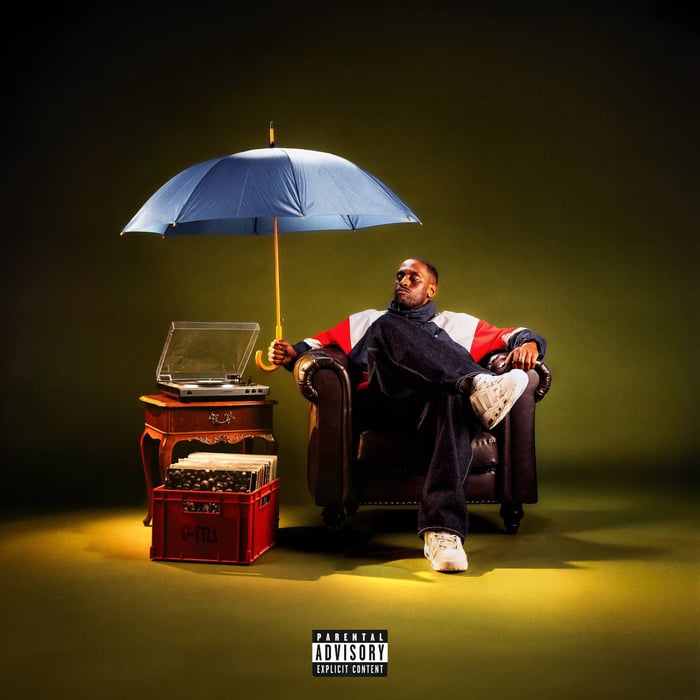
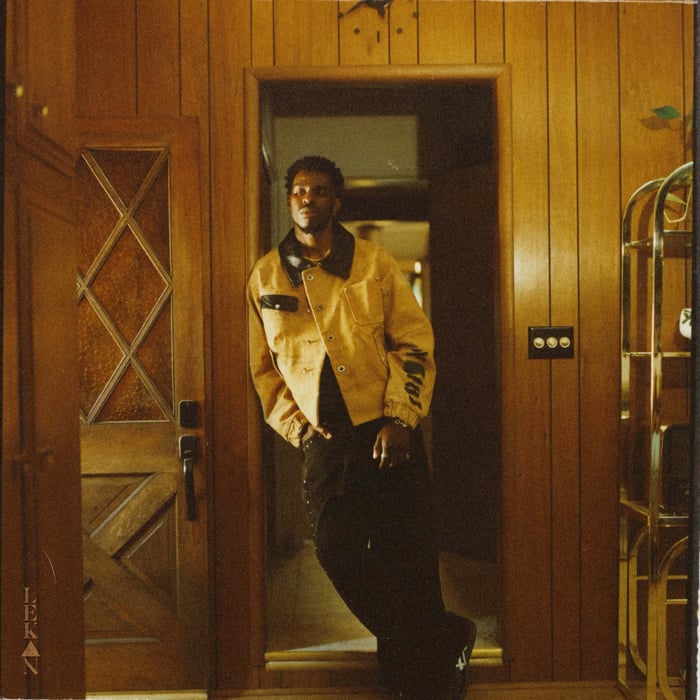
If this album’s cover stuck in your head the way the hooks do, you can always grab a favorite album cover poster for your wall at our store: https://www.architeg-prints.com. It fits the “keep it close” vibe without you having to explain it to guests.
 | DISCOUNTGET 30% OFF*Use code on your next order:
|
* This post may contain affiliate links, meaning we earn a commission if you make a purchase through these links, at no additional cost to you.