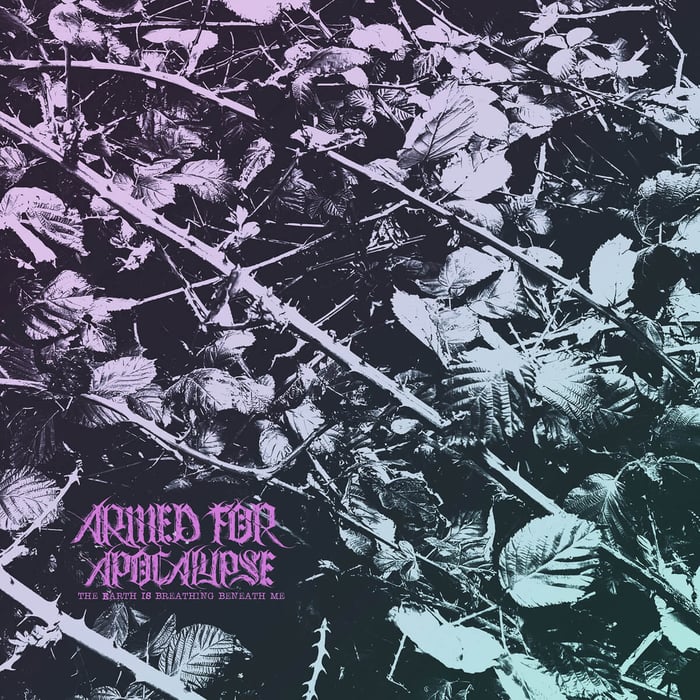
The Earth Is Breathing: Armed For Apocalypse Make Doom Sound Athletic


 See more Architeg Prints stories on Google.
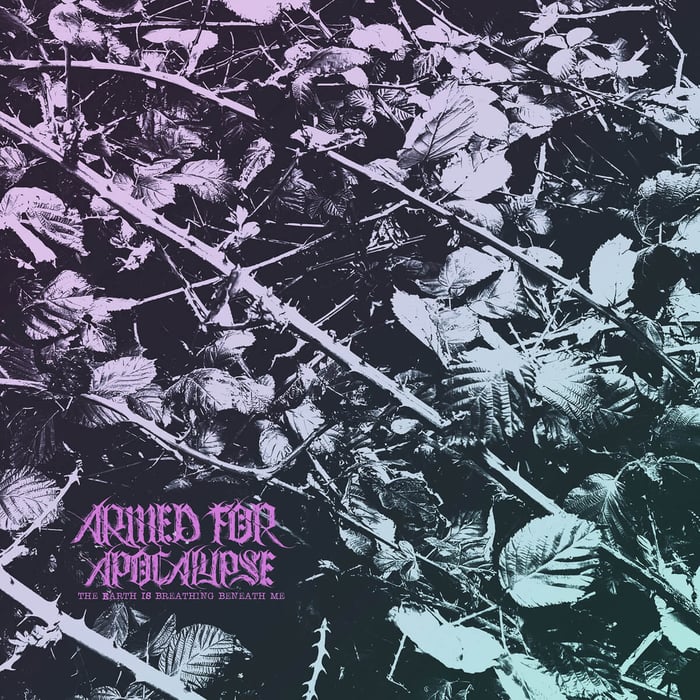
ALBUM REVIEW: The Earth Is Breathing Beneath Me – Armed For Apocalypse
Armed For Apocalypse’s Earth Is Breathing delivers a dense and relentless post-metal experience that balances bleakness with a persistent pulse of hope, crafting a uniquely turbulent atmosphere.
Some albums try to feel heavy. The Earth Is Breathing makes heaviness feel unavoidable—like the room temperature just dropped and nobody’s admitting why.
What I’m hearing from Armed For Apocalypse on this one isn’t just “post-metal” or “sludge” as genre wallpaper. It’s a set of choices that sound deliberate: they want the riffs to land like blunt objects, sure, but they also keep threading in a bleak, stubborn kind of forward motion. If you came here for nonstop aggression, you’ll still get hit. It’s just that the band seems more interested in tension than pure speed this time.
And yeah, I thought at first this would be another relentless battering ram—then I realized it’s actually weirder and darker than that, like the band swapped rage for a more volatile fuel.
From “Ritual Violence” to something colder (and honestly, more dangerous)
The big shift is that the band isn’t leaning on constant unrelenting aggression the way Ritual Violence did. This album feels bleaker—not slower, not softer, just more turbulent. The grooves are thicker, the air is nastier, and the momentum comes from the band grinding forward rather than sprinting.
A reasonable listener could argue this makes the record less instantly thrilling. I’d argue the opposite: this approach makes the heaviness feel less like performance and more like weather. The songs don’t simply attack—they loom.
There’s a pulse running underneath it all that’s almost irritatingly human: a sense that hope is still alive in a place that has no business allowing it. That tension—hope existing where it shouldn’t—ends up being one of the most punishing things about the whole listen.
The opening run: where the album tells you what kind of night it plans to be
The early stretch is the album’s thesis statement, spelled out in distortion.
“Drown” starts with a distorted opening that doesn’t so much “set the mood” as slam a door shut behind you. When Nate Burman comes in with that savage growl, it’s clear the record plans to stomp through different tempos and flashes of melancholy—but it’s not wandering far from sludgey anguish. If anything, the small shifts in mood just make the onslaught feel more personal.
“Ashes Of The Night” chugs like it’s trudging through a stripped landscape, everything eroded down to function. The lyric
“no hope, no relief”doesn’t feel like poetry; it feels like a status update. And that’s the point: the band isn’t trying to romanticize despair here. They’re making it blunt and ugly, like it’s been said too many times to sound dramatic anymore.
Then “Spellbound” comes in and takes the tempo-stomping idea and gives it an even harder shove. The down-tuned riffs feel aggressively practical—like they were designed to grind the nihilism into a paste. The words “malice,” “violence,” and refusing to “lay down and die” don’t land like a motivational speech. They land like someone choosing spite as survival.
And “Lost Without A Light” opens up with an almost hardcore punk kind of rage: bass lines bludgeoning, guitars screeching, everything moving at a punishing, pit-ready pace. It’s the track that most blatantly says, “Yes, we can still move fast—don’t get comfortable.” Someone could claim it’s the most straightforward moment on the album; I’d say it’s more like a trapdoor, reminding you the band can still swing hard whenever they feel like it.
Video drop (and yes, it’s basically the band’s whole personality in one clip)
The album doesn’t require you to imagine what this band is like when they’re sweating and blasting in front of you. The “Fists Like Feathers” music video is essentially a close-up demonstration of their raw intensity—maybe too close-up, honestly, in a way that feels almost rude.
I kept thinking, watching it, that this band’s whole appeal is how little they sanitize themselves. They don’t “tighten up” the violence in their sound. They aim it.
The production is too crisp to be comforting
Here’s the part where the album gets almost unfair: the production is captured with unnerving crispness by Kurt Ballou (yes, that Kurt Ballou). The detail makes everything feel closer than you want it to be. Cymbals slice instead of shimmer. Guitars don’t blur into a fog—they scrape.
A reasonable person could argue that this kind of clarity takes away some of sludge’s natural filth. I get that argument. But on this album, the cleanness doesn’t sterilize anything—it makes the grime feel intentional, like you’re hearing every drag and smear in high definition.
If you want a tidy listening experience, you picked the wrong week.
The instrumental track with the disgusting title—and the weird sitcom wink
Halfway through, they go instrumental on “Bathed In A Tepid Pool Of My Own Filth.” The title is hilariously vile, like it was designed to make you regret having eyes. It conjures swampy decay, bodies rotting in stagnant water, the whole lovely picture.
And then—this is real—it’s actually a reference to Seinfeld. A 1990s sitcom. Which is such a ridiculous contrast that I wasn’t sure whether to laugh or feel judged for even noticing.
But the track itself? Nothing funny about it.
These four and a half minutes feel like instrumental suffocation: smoke in the lungs, pressure on the chest, a brittle hand squeezing until the heart rate matches the drums. Nick Harris plays it at a pace that feels catatonic, like the song is forcing your body to slow down against your will. It’s nasty, and it doesn’t try to “resolve.” It just sits on you.
If I’m nitpicking, the concept almost works too well—the track is so committed to its crawl that it risks blending into pure atmosphere. But the riff and the noise choices keep it from turning into background sludge. Barely. And that “barely” is part of the thrill.
Where the album tries to let melody breathe—and then doesn’t
After all that, “Beyond The Mirage” offers something that resembles an attempt at escape: guitar melodies that actually sound like they’re reaching for air.
But the record doesn’t let it last.
The melancholy tries to break through, then gets swallowed by enraged howls, sadistic riffs, and measured drum attacks. That’s the album’s recurring move: it teases emotional light, then drags it back into the mud. You could argue that’s predictable after a while. I’d argue the predictability is the point—this is what it feels like to reach for relief and come up holding nothing.
The band is basically saying: you don’t get a clean catharsis just because you waited patiently.
The title track: the moment the album finally turns its face toward feeling
It’s only when the final song—“The Earth Is Breathing Beneath Me”—actually arrives that the mood shifts in a purposeful way. Suddenly the album leans into something closer to post-hardcore territory, not as a genre flex, but as an emotional decision.
By then, the haze from the ten tracks before it is still hanging in the air. That lingering turbulence changes how the final track hits: every raw-throated scream feels more exposed, every soulful riff tugs harder than you expect. It’s not that the band “gets pretty” at the end. It’s that they finally allow the record to admit it has a pulse.
On my first pass, I assumed the title track would be the biggest, most cinematic explosion. On second listen, it hit me that it’s doing something sneakier: it’s making the emotional turn feel earned by refusing to give you relief until the last possible moment.
Someone could disagree and say the record should’ve pivoted earlier. Maybe. I’m not totally sure. But I do know the delayed turn makes the ending stick in my throat longer.
The one-line listening instruction this album basically hands you
The album’s energy suggests a very specific method of consumption: close your eyes, lie on something unpleasant, and don’t get up until the sound has sanded your nerves down to the bone. It’s not an “easy” record, and it’s not trying to be.
If I had to put a number on it, the experience lands around an 8/10 in sheer effectiveness—less because every moment is perfect, more because the band’s intent comes through with bruising clarity.
Release details (because you’ll ask anyway)
The Earth Is Breathing Beneath Me is out now via Church Road Records.
This album isn’t asking if you’re okay. It’s assuming you’re not, and then building a soundtrack around that assumption until it starts to feel uncomfortably accurate.
Our verdict: People who like their heavy music grooved-up, bleak, and emotionally stingy will love Earth Is Breathing—especially if they enjoy the “hope” part arriving only after the damage is done. If you need big obvious hooks or you want sludge to feel warm and swampy instead of sharp and punishing, you’re going to bounce off this and go looking for something that pats you on the back.
- Is “Earth Is Breathing” more post-metal or more hardcore?
It plays both sides, but the hardcore bite keeps showing up at key moments—especially when the tempo jumps and the vocals go for the throat. - Which track hits hardest right away?
“Drown” is the immediate tone-setter: distorted opening, savage vocal entry, and zero interest in easing you in. - What’s the deal with “Bathed In A Tepid Pool Of My Own Filth”?
It’s an instrumental suffocation piece with a disgustingly metal title that’s (weirdly) a Seinfeld reference. The song itself isn’t joking. - Does the album ever turn genuinely melancholic instead of just brutal?
Yes—most clearly on the title track, where the mood pivots into a more post-hardcore emotional space. - Is the production raw or polished?
It’s crisp in a way that feels almost invasive. The clarity doesn’t clean up the filth; it spotlights it.
If this record’s cover art is living in your head now, that’s usually a sign it belongs on your wall too. You can shop album cover poster-style prints at our store here: https://www.architeg-prints.com/
 | DISCOUNTGET 30% OFF*Use code on your next order:
|
* This post may contain affiliate links, meaning we earn a commission if you make a purchase through these links, at no additional cost to you.