Linkin Park Comeback: Inside the Making of the Epic ‘Unshatter’ Film


 See more Architeg Prints stories on Google.
Linkin Park Comeback: Inside the Making of the Epic ‘Unshatter’ Film
Linkin Park comeback film ‘Unshatter’ captures the band’s return, new lineup, devoted fans, and the creative energy behind their next chapter.
A Comeback Built for the Big Screen
Some comebacks arrive quietly. Linkin Park’s return arrived with giant stages, new music, emotional history, and enough anticipation to fill a stadium twice over. Now, the band’s next chapter is being captured in the feature-length documentary Unshatter.
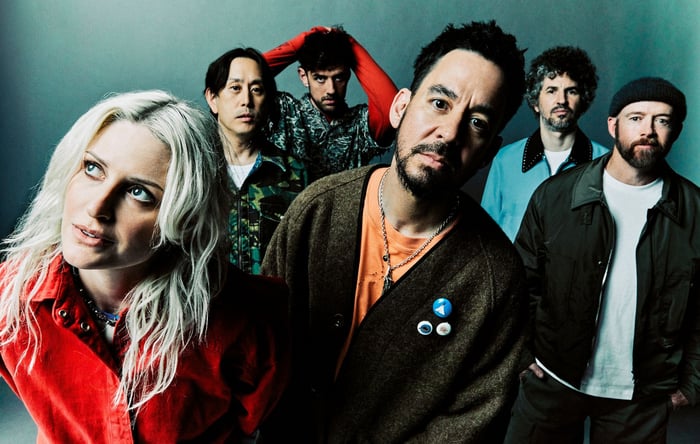
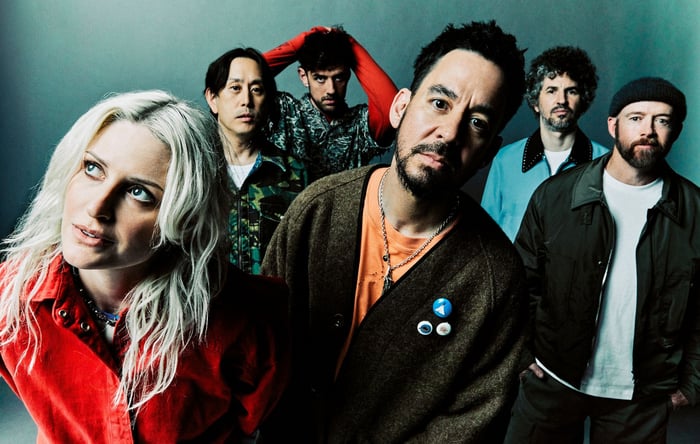
The film follows the nu-metal giants as they began a new phase in 2024, returning with fresh songs and their first live performances since the death of frontman Chester Bennington in 2017. It also brings fans behind the scenes, offering a closer look at the surviving members’ longstanding friendship and their creative connection with new frontwoman Emily Armstrong and drummer Colin Brittain.
At the heart of the documentary is professionally filmed footage from the band’s massive São Paulo concert. That show became more than another date on a tour schedule. It represented a leap of faith—a moment when Linkin Park had to find out whether audiences were ready to welcome them back.
Joe Hahn Turns the Camera on the Band
The person guiding viewers through that emotional terrain is Joe Hahn, who directed Unshatter himself. Hahn has been behind the camera for several of Linkin Park’s most memorable music videos, including “Numb” and “In The End,” so the documentary gives him a rare opportunity to frame the band’s story from the inside.
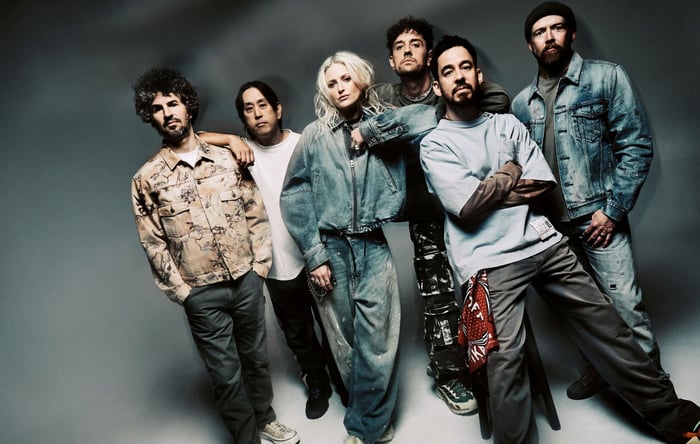
Speaking about the film’s long development, Hahn explained that the idea was present almost from the moment the group decided to return. The timing, however, needed to be right. The band wanted the documentary to preserve the atmosphere surrounding the release of their album From Zero, a day that felt like the destination of a long and complicated road.
“The opportunity was there from the moment we decided to come back, but we particularly wanted it to capture the day the album was released. That was a big day for us, and it felt like there was so much that led up to that moment.”
— Joe Hahn
The production also benefited from the amount of behind-the-scenes footage gathered during the preparation for the comeback. Once the members decided that a documentary was the best way to tell the story, it still took years to shape all those moments into a complete film.
That patience seems fitting. Linkin Park’s return wasn’t something to rush, polish, and toss into the world like a quick social media announcement. It was a carefully assembled mosaic of rehearsals, conversations, uncertainty, new beginnings, and enormous live shows.
The Fear That Nobody Would Show Up
Before the crowds sang along again, the band had to confront an uncomfortable question: would anyone still care?
Hahn admitted that the possibility crossed their minds. The world had changed since Linkin Park last performed regularly. Pop culture had shifted, musical tastes had moved in different directions, and rock music had spent a long stretch away from the center of the conversation.
The band knew that returning would be risky. They also knew they didn’t want to make a cautious, half-hearted attempt. If they were going to come back, they wanted the experience to feel meaningful for the fans who had stayed with them and powerful enough to justify the journey.
“We didn’t want to limp through it… but at the same time, we were worried that people wouldn’t show up!”
— Joe Hahn
That tension became part of the comeback’s emotional engine. Linkin Park decided to treat the return as their one opportunity to make it happen properly. No safety net, no pretending the years away hadn’t mattered—just a commitment to enjoy the process and give the band everything they had.
Hahn described the group as aligned, focused, and energized. When the members shared that kind of momentum, he said, they began to feel unstoppable.
A New Generation Finds the Band
The Linkin Park comeback isn’t only about longtime listeners returning to familiar songs. Hahn has noticed a striking new wave of fans discovering the band for the first time.
At concerts, Mike Shinoda sometimes asks the audience who has attended a Linkin Park show before. Plenty of hands rise. But when he asks who is seeing the band for the first time, the response is even bigger. That sight captures something special: older fans are bringing their children, while younger listeners are arriving through From Zero and then working backward through the band’s catalog.
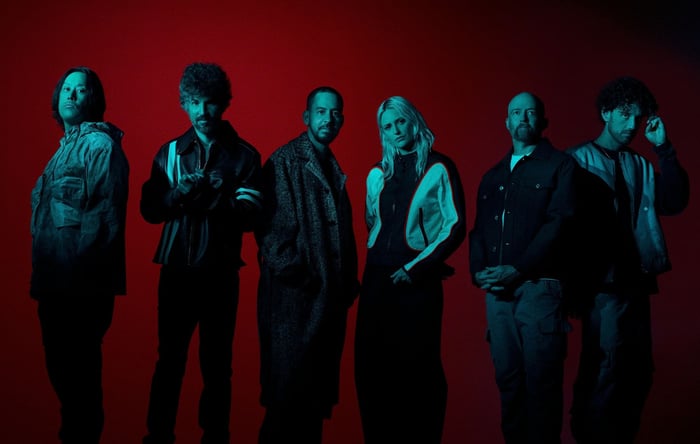
For Hahn, watching that musical handoff feels particularly personal because the band members have children of their own. They’ve seen how naturally people move through different styles, artists, and entertainment trends. One favorite song can become a doorway to an entire back catalog.
That may explain why Linkin Park’s earlier music continues to connect. The band’s approach has always involved experimentation, playful instincts, serious conversations, and a willingness to combine unexpected elements. Their music changes shape, but the emotional honesty remains recognizable.
Hahn described the group’s creative process as a mixture of trying new things, joking around, discussing difficult subjects, and turning those conversations into lyrics and feeling. As long as the band continues to work that way, he believes the songs can remain relatable.
Introducing Emily Armstrong and Colin Brittain
A comeback with new members brings its own pressure. Fans naturally have questions, expectations, and strong opinions. Hahn understood that Unshatter needed to do more than show performances; it needed to introduce Emily Armstrong and Colin Brittain as essential parts of the band’s current identity.
According to Hahn, there was no formal audition process. The lineup developed through a more organic process of making music and discovering what could work. The foundation began with Dave Farrell, Mike Shinoda, and Hahn continuing to create together, followed by Brad Delson returning to the picture. From there, the group could begin building outward.
Colin Brittain brought curiosity, talent, and eagerness, qualities that gave the sessions an immediate spark. Armstrong brought both warmth and remarkable ability. Hahn spoke about her as someone the band genuinely wanted around, before even considering the enormous vocal talent she contributed.
That combination mattered. The new members weren’t simply filling empty spaces in a familiar arrangement. They were bringing their own personalities, instincts, and energy to the music. The documentary aims to show what they contribute both onstage and away from the lights.
Making Room for Different Reactions
Not every longtime fan has chosen to follow the band into this new chapter. Hahn said he doesn’t spend much time focusing on those who decided not to return. Instead, he thinks about people who may not even know that Linkin Park is active again, especially in a media landscape that no longer delivers news to everyone in the same way.
He also understands why some listeners may need more time. The band had to go through its own healing process before considering another attempt, and fans have their own personal relationships with the music. For some, those songs are tied to specific memories, difficult periods, or a particular version of their lives.
Everyone processes change differently. Some people return to the concert hall. Others don’t. Hahn’s view is that both reactions can exist without canceling out the meaning of the music.
That openness also extends to Armstrong’s role. Asked whether the band had encountered misconceptions connected to introducing a female singer, Hahn said he tries not to let outside noise dominate his thoughts. The group isn’t trying to satisfy every critic or follow a manufactured agenda. They’re moving forward because the direction feels right for them—and because they believe it can be right for many listeners too.
The Studio Is Still a Place to Experiment
If fans are hoping that future Linkin Park music will simply recreate an earlier era, Hahn’s comments suggest something more adventurous. In the studio, the band intentionally tries to move away from its previous work. The goal is to challenge themselves rather than become trapped by familiar formulas.
That doesn’t mean older elements can’t reappear. As songs develop naturally, certain sounds or approaches may find their way back into the mix. But the band doesn’t begin with a rigid blueprint or a demand to make one specific type of record.
Instead, the process starts with curiosity: this instrument might work over that rhythm; this vocal might fit another texture. It’s less like following a recipe and more like opening a drawer full of unusual ingredients to see what happens.
Hahn connected that spirit to the band’s earliest ambitions. Before Hybrid Theory became the name of their debut album, it was the group’s original name and eventually became an ethos: pull ideas from different places, combine styles, and make them feel like part of the same world.
That philosophy remains alive. After touring in different cities, the members used days off to visit studios and experiment. Even after taking a month away from the road, they returned to the studio soon afterward because the creative pull was still there.
Joy Over Doubt
Looking back at the documentary footage, Hahn doesn’t point to a major regret. The band had spent considerable time discussing what they wanted to do and what they wanted to avoid before beginning the tour.
As the scale of the comeback grew, the decision-making principle stayed surprisingly simple: if something wasn’t enjoyable, it didn’t need to happen. That mindset helped keep the tour fun and allowed the shows to become bigger without losing their sense of purpose.
There were difficult conditions, of course. The crew built huge stages through heatwaves and managed demanding travel schedules. Yet Hahn said the positive energy reached everyone involved, from the musicians to the road crew. Smiles appeared everywhere, and that atmosphere traveled into the audience.
The same attitude helped the band deal with naysayers. Criticism can sting, especially when it arrives loudly, but Hahn said the group ultimately chose not to let one person’s negativity overshadow the joy shared by thousands.
That spirit was especially meaningful when Linkin Park became the first female-fronted band to headline Download. Hahn acknowledged that it was unfortunate the milestone had taken so long, but he believed that if it was going to happen, Emily Armstrong was the right person to make it happen.
More Music May Be on the Way
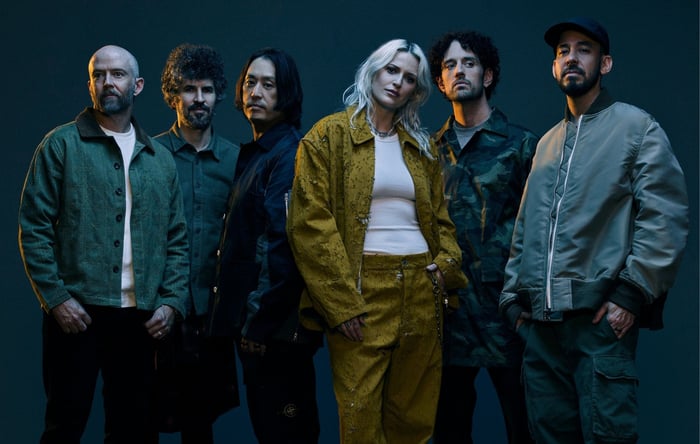
The studio sessions aren’t merely a nostalgic footnote. Hahn confirmed that the band has continued working on new material because they genuinely enjoy being together and creating music.
That answer comes with a characteristically playful warning. When asked whether another full album could be expected, Hahn joked that it would be “really slow and boring” and “very polarising to everyone.”
Naturally, that sounds less like a retreat and more like a promise that Linkin Park won’t be making the safest possible record. If the band’s history is any indication, the most interesting results may come from following instinct rather than chasing approval.
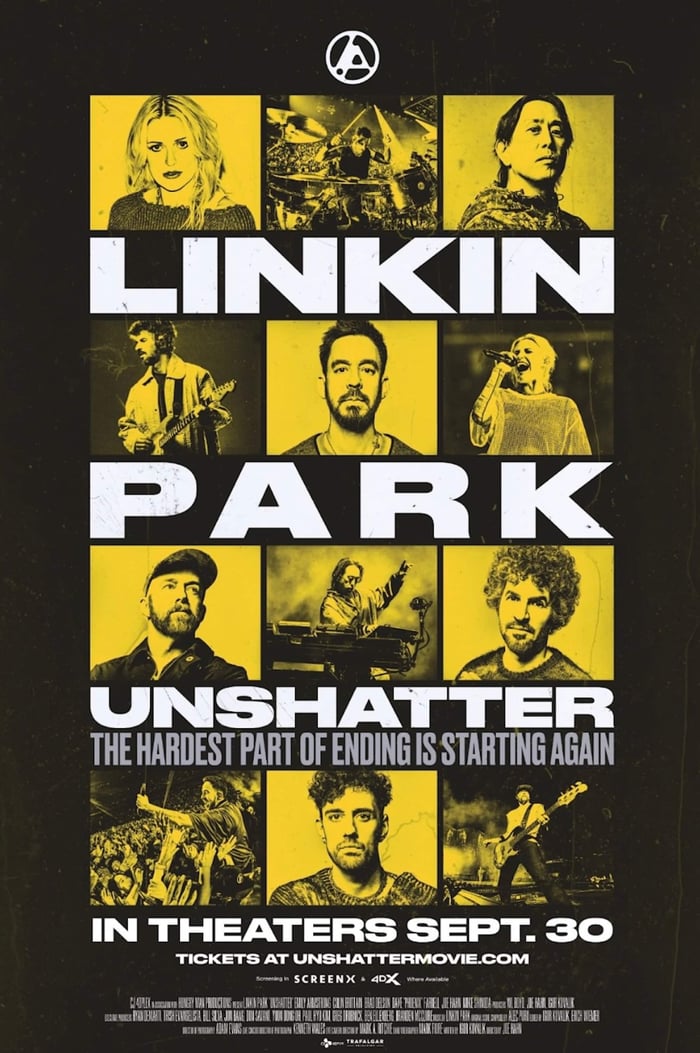
The documentary Unshatter arrives in cinemas on Wednesday, September 30, presenting the return through the people who lived it: the members, the crew, the new faces, the longtime listeners, and the first-time concertgoers who now know Linkin Park as part of their own musical story.
The Linkin Park comeback is ultimately less about recreating the past than finding a way to move forward without denying it. Unshatter sounds like a portrait of a band choosing connection, curiosity, and joy—one loud, emotional song at a time.
FAQ
- What is Unshatter about?
Unshatter is a feature-length documentary about Linkin Park’s return, their new lineup, the creation of From Zero, and their major live performances, including the São Paulo show. - Who directed Unshatter?
Joe Hahn directed the documentary. He has also directed Linkin Park music videos such as “Numb” and “In The End.” - Who are the new members featured in the film?
The documentary highlights vocalist Emily Armstrong and drummer Colin Brittain, who joined the band’s current lineup. - Why was the comeback uncertain for the band?
The members weren’t sure whether audiences would still care after years away from regular performances and major changes in music culture. - Is Linkin Park working on more music?
Yes. Joe Hahn said the band returned to the studio after touring and has continued experimenting with new material.
For fans who want to keep that emotional connection close, shop a favorite album cover poster at Architeg Prints. It’s a warm, visual way to celebrate the songs that stayed with you—and the new chapter still unfolding.
 | DISCOUNTGET 30% OFF*Use code on your next order:
|
* This post may contain affiliate links, meaning we earn a commission if you make a purchase through these links, at no additional cost to you.