Modern Life Review: Holding Absence Makes Loneliness Sound Expensive


 See more Architeg Prints stories on Google.
Modern Life Review: Holding Absence Makes Loneliness Sound Expensive
Modern Life hits like a bright screen at 2 a.m.—Holding Absence weaponizes feeling alone and makes it weirdly singable.
A record that pretends it’s about “the world,” then guts you anyway
Some albums want you to admire them. Modern Life wants you to recognize yourself in it, like catching your reflection in a dark phone screen. Holding Absence have always had that “too tasteful for the room” problem: they’re more grown-up than most emo-pop, but too melodically generous to be filed neatly next to the post-hardcore lifers. And that awkward middle space is exactly where they do their best work—big choruses, sharp construction, and production choices that don’t sound like a band googling “current trends” five minutes before tracking vocals.
Lucas Woodland is still the gravitational center. The voice is ridiculous in the most practical way: it can levitate a chorus without turning everything into theater-kid melodrama. But the trick is the band around him doesn’t slump into “vocalist with accompaniment” mode. The guitars and bass keep moving, the drums keep swerving, and they keep slipping in those slower, shimmer-heavy sections where the bass actually gets to say something instead of just agreeing with the kick drum.
Their last few records felt like private notebooks—depression, self-discovery, the whole internal audit. Modern Life flips the camera outward. Not in a preachy way. More like: here’s what technology did to our ability to be together without being alone.
The pivot: electronics as obsession, not decoration
Here’s the obvious change: Modern Life is stuffed with synthetic texture. In the past, Holding Absence mostly lived in an organic palette—maybe a keyboard line here and there, but nothing that fundamentally changed the air in the room. This time, the air is digital.
What surprised me is how un-embarrassing it is.
Rock bands have been sprinkling electronics over guitars for years, and so often it lands like a cynical radio-grab: a little sparkle to pretend the song is “modern,” a chopped vocal to pretend they’re adventurous, a programmed beat to pretend they listened to something other than themselves. That move usually reeks of panic.
This album doesn’t. It sounds like they actually enjoy the electronic world they’re borrowing from. I kept hearing the kind of bright, emotionally engineered synth language that calls back to Porter Robinson’s Nurture—not as a cheap imitation, but as a genuine palette shift. You get synthesizers, pitched-up digitized vocals, nature samples, and even moments that flirt with drum and bass momentum. And crucially: the electronics don’t replace the band. They sit in the songs like an extra nervous system.
At first, I thought this would be the kind of “new direction” that makes the guitars feel like an afterthought. On second listen, it’s the opposite—the shiny stuff just throws the band’s classic strengths into harsher relief.
“Re-Animate” opens the portal—and it actually works
The opener “Re-Animate” is basically the thesis statement for the sonic shift: it’s the most electronic track here, and it doesn’t tiptoe about it. When the chorus finally blooms, it feels like spotting a friend in a crowded room—familiar, but suddenly lit by a different color of light.
And that’s the key: the emotional hit still comes from classic Holding Absence mechanics. Big lift. Clean lines. A chorus designed to be shouted back at the stage. The electronics aren’t the point; they’re the weather.
A reasonable listener could argue the hyper-digital intro stuff is them trying to prove they can “do 2026.” I’d argue the confidence is the tell—they’re not cosplaying modernity; they’re using it as a theme.
“Lucid Love” and the band’s refusal to stand still
“Lucid Love” is where the band flexes the most as players. The vocals are a high-wire act, sure, but what caught my ear is the way the drums and guitars keep changing their posture—shifting from one energetic pattern to another like they’re trying to outpace the song’s own feelings.
This is where Holding Absence separate themselves from the wave of acts who write a perfectly fine pop-rock track and then staple a metalcore mosh bridge onto it like an accessory. Here, heaviness shows up when the emotion demands it, not when the genre checklist says it’s time.
That restraint makes the heavy moments hit harder, because they don’t feel like product. They feel like pressure finally escaping.
The title track: laid-back start, stormy exit
The title track, “Modern Life Is Lonely,” starts more relaxed than you expect—like it’s trying to talk instead of shout. Then it ends by cracking open into a breakdown that feels less like a “breakdown” and more like an emotional systems failure. It’s the sound of realizing you’ve been “connected” all day and still haven’t been with anybody.
If you want an arguable take: this song is smarter than it is catchy, and that’s intentional. It’s not built to be your favorite immediately—it’s built to keep bothering you.
The album’s concept—connection and separation happening at once—actually lands because they make it physical. The digitized textures don’t just decorate the theme; they behave like the theme.
“Whisper of a Dream” is the single because it’s basically a trap
“Whisper of a Dream” is the cleanest example of Holding Absence doing what they do best: melodrama with discipline. The hook is classic Woodland—big feeling, no apology, the kind of line that makes you smirk because it’s too honest to be cool. And then, because this band can’t help themselves, they deliver a chorus that’s engineered to stick.
The best moment is the ending, when the softly sung figure from the intro comes back, but Woodland reshapes it—his belt turns jagged, then flips into a scream right on the word “scream.” That’s not subtle. It’s also not dumb. It’s a deliberate little piece of stagecraft that makes the emotional arc feel carved, not accidental.
I’m not totally sure the track needed to be quite that on-the-nose at the very end… but I also can’t deny it works. Sometimes the cleanest move is the loudest one.
Love songs that don’t pretend they’re simple
Then you get the genuinely affectionate side: “Heaven” and “Take Me With You.”strong> These don’t feel like palette cleansers. They feel like proof that the band’s idea of “modern loneliness” isn’t just doomscroll despair—it’s also the way love has to survive inside a world that keeps interrupting it.
Arguably, these softer moments do more for the album’s theme than the heavier sections. When the band pulls back, you hear the anxiety hum underneath the pretty surfaces—the electronic unease that runs through the whole record like fluorescent lighting.
Interludes, unease, and the parts that almost blur
Not everything here bites as hard as it wants to. The interludes, for instance, feel more like set dressing than essential architecture. They help with atmosphere, sure, but they don’t always change the emotional temperature enough to justify their space.
And there are moments—“Reflection” and “Scorched Earth” especially—where the writing flirts with generic territory. Not bad songs, just a little too “correct.” Like they know how to build this kind of track in their sleep, and you can feel the muscle memory.
That said, even when Holding Absence are being slightly predictable, they’re predictable in a way that most bands would kill to achieve: the choruses still land, the performances still commit, and the production still has an opinion.
“Kyoto Snow” closes the album like a promise you’re not sure you deserve
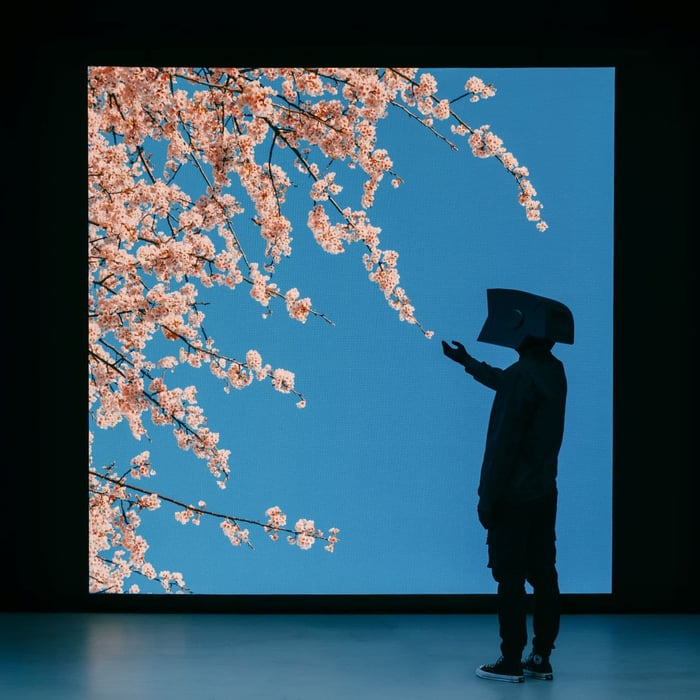
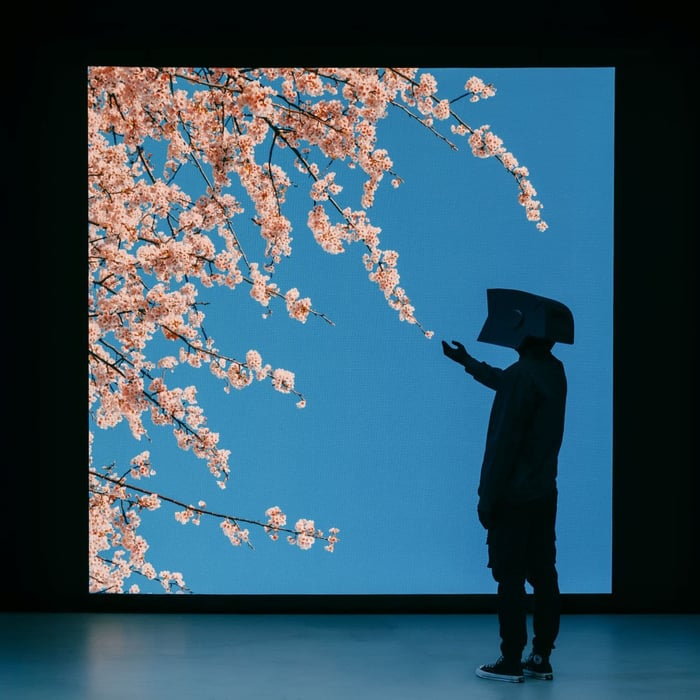
Holding Absence have a habit of sticking the landing, and “Kyoto Snow” keeps that streak alive. It starts with faint piano chords and a pulse that feels like a heart monitor. Slowly, the track swells into a wide-screen finish—dazzling guitars washing in, electronics stuttering through the mix, Woodland’s voice cutting straight down the center.
It’s one of those closers that doesn’t just end the album—it reframes it. All the synthetic shimmer suddenly feels less like “modern production” and more like the album’s real subject: the beautiful, unnerving glow of a life mediated by devices.
If you want to argue with me, here’s the claim: the closer is the most hopeful song on the record, and it earns that hope by dragging you through the glare first.
Release context (the plain facts, no fanfare)
Modern Life Is Lonely is out now via Sumerian Records. And yeah—if you’re the type who still cares about numbers, I land around an 8/10 kind of reaction to it: not flawless, but absolutely effective at what it’s trying to make you feel.
Modern life really can be lonely. This album doesn’t fix that—it just makes the loneliness feel briefly shareable, like someone finally texted back with something real.
Our verdict: People who like big choruses but hate when bands treat electronics like cheap cologne will actually love this. If you want your post-hardcore to stay purely “organic,” or you think emotion + synths automatically equals cringe, you’ll roll your eyes and miss the point on purpose.
FAQ
- What’s the core theme of Modern Life on this album?
It’s the push-pull of being constantly connected while still feeling isolated—like the music is bright, but the feeling underneath is restless. - Does Holding Absence change their sound drastically here?
The guitars and songwriting are still them, but the electronics are no longer background flavor—they’re part of the main dish. - Is Modern Life Is Lonely more heavy or more melodic?
More melodic overall. The heavy moments show up when the emotion boils over, not because the genre expects a breakdown. - Which track best represents the album’s new direction?
“Re-Animate” is the clearest early statement: the most electronic, but still anchored by a huge chorus. - Are there any weaker points on the record?
“Reflection” and “Scorched Earth” can edge toward generic, and the interludes feel more decorative than essential.
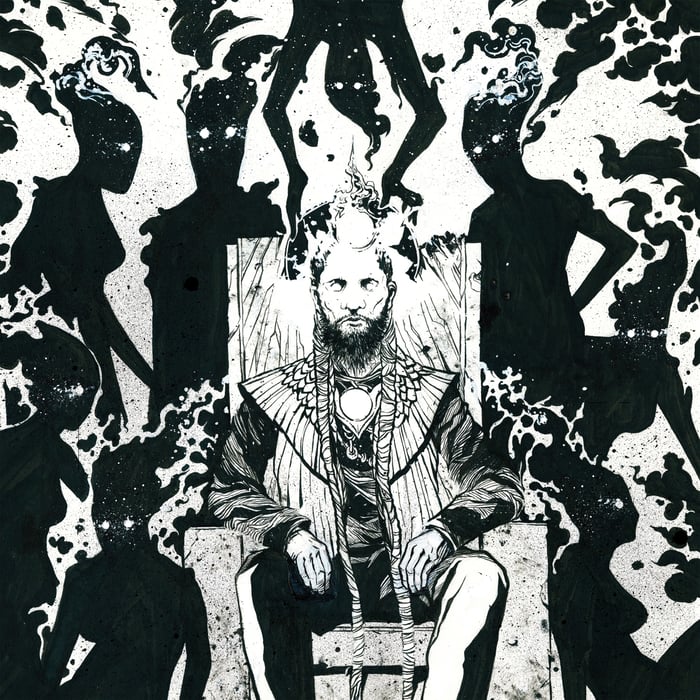
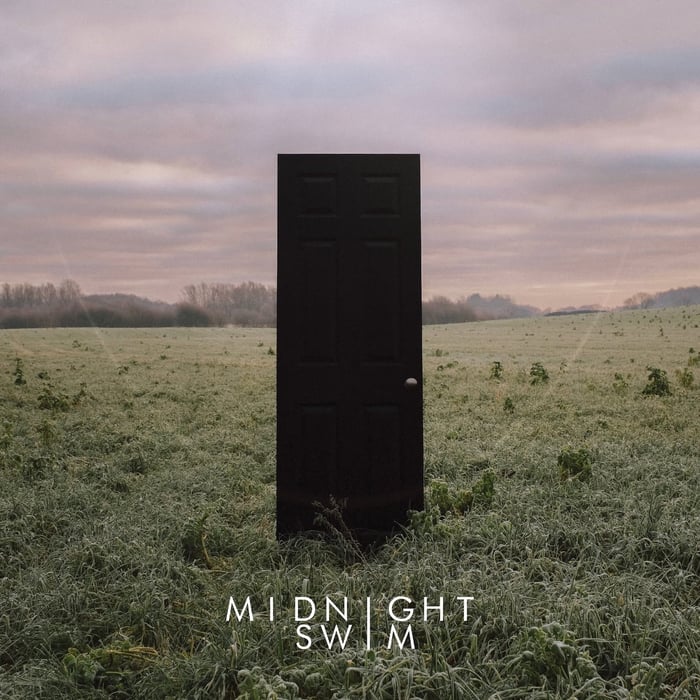
If this album’s visuals are stuck in your head too, a clean album-cover poster is a nice way to keep the feeling without replaying the whole emotional spiral. You can grab one at our store: https://www.architeg-prints.com
 | DISCOUNTGET 30% OFF*Use code on your next order:
|
* This post may contain affiliate links, meaning we earn a commission if you make a purchase through these links, at no additional cost to you.