Yaphet Album Review: Curly Castro Turns Grief Into a Loud Underdog Flex


 See more Architeg Prints stories on Google.
Yaphet Album Review: Curly Castro Turns Grief Into a Loud Underdog Flex
Curly Castro’s Yaphet album hides comic-book glow inside real loss—then dares you to keep up with the names, masks, and memories.
A Hook: This Album Smiles With Its Teeth Clenched
Some albums tell you how to feel. The Yaphet album does something harsher: it keeps cracking jokes and dropping references while the room is clearly on fire.
And yeah, it works—mostly because Curly Castro isn’t performing “depth.” He’s using the only language he trusts: names, teams, comics, old movies, little cultural relics he can hold when everything else is sliding.
Why “Yaphet” Isn’t Just a Title—It’s a Tell
Here’s what I hear in the title choice: Curly Castro picked “Yaphet” because he likes people history doesn’t quite know where to shelve. Yaphet Kotto is the perfect symbol for that—an actor with a face that could be heroic, suspicious, tender, dangerous… sometimes all in the same scene. The industry never stopped trying to file him down into one thing.
That’s the move this record makes too. It refuses to become one clean emotion. It keeps shifting lighting mid-sentence—one bar is a grin, the next is a bruise you didn’t notice forming.
And I’m not totally sure if everyone will have the patience for that. Part of the album’s point seems to be: if you need it simplified, you weren’t really invited.
Castro’s Real Obsession: Names as Survival Tools
Castro has a pattern, and he doesn’t hide it. He’s the kind of artist who titles whole projects after specific figures—people treated roughly by history, people made into symbols, people whose stories got flattened into a headline. Even his own name choice has that little mirroring trick: first name becomes surname, identity turned over like a record.
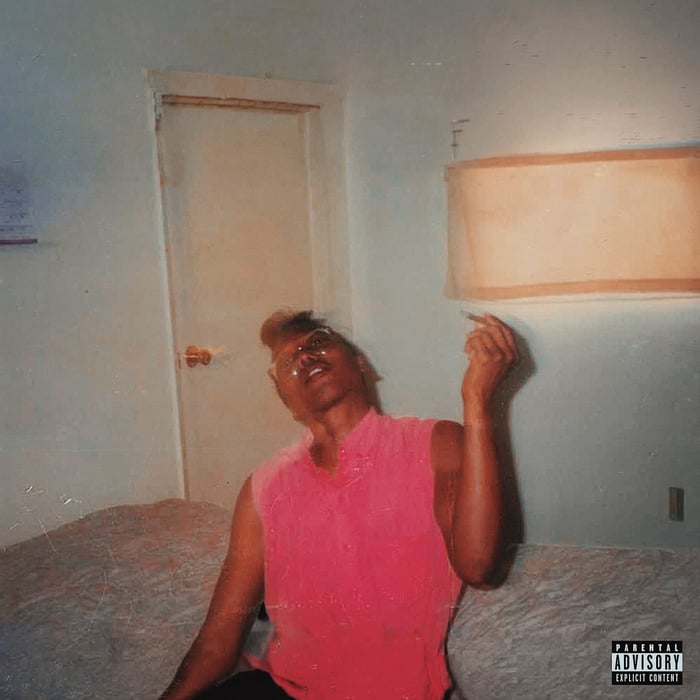
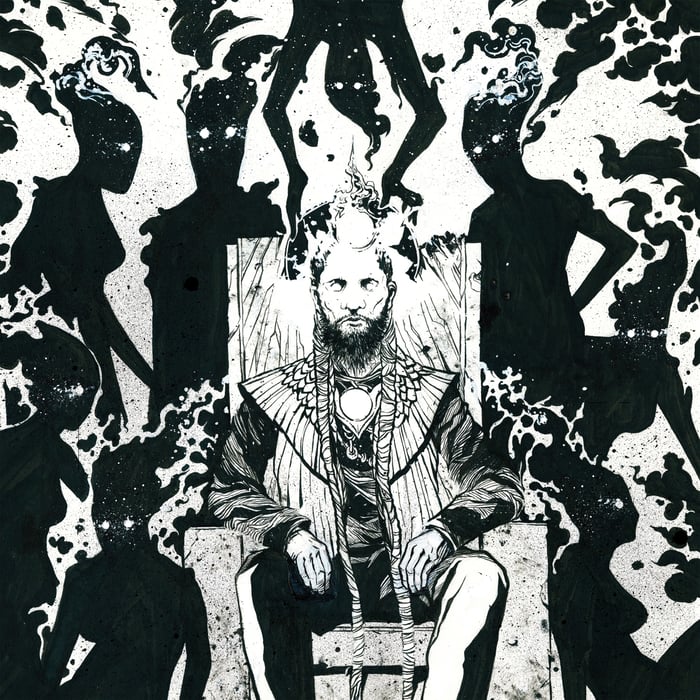
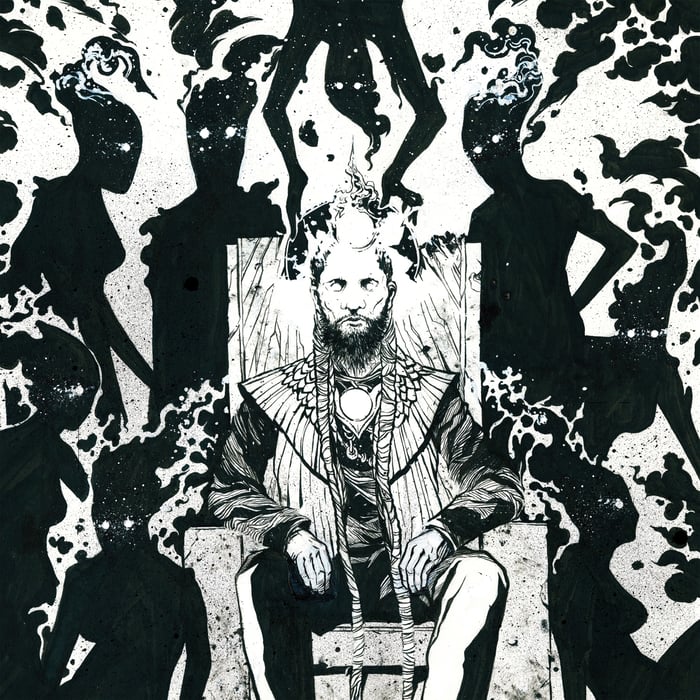
On the cover concept in my head while listening, I can practically see a lineup—men who got pushed around by the story of America and still had to stand there and be looked at. In that imagined row, Kotto feels like the odd detail: the one who actually got to finish the journey. That doesn’t make it “happy.” It makes it tense. Completion is a privilege.
The album isn’t worshipping names for trivia points. It’s using them like handles. Like: if you can name the thing, maybe it won’t swallow you whole.
The Backstory You Can Hear in the Breathing
This record sounds like it took time to earn. It’s been years since Curly Castro last stepped out under only his own name, and Yaphet lands with that “I’ve been gone because life happened, not because inspiration did” heaviness.
You don’t need liner notes to hear the stretch of hard years inside it: death in the family, health collapsing, the kind of loss that doesn’t become poetic just because you rhyme about it. The album carries that weight, but it doesn’t speak in plain diary sentences. It speaks in the slang of a whole lifetime—Marvel mutants, matinee crime films, block party speaker stacks, and that specific sports-fan religion people have when they needed something to believe in at 12.
If you’re expecting clean confessionals, you’ll miss what he’s doing. He’s building a stained-glass window out of pop culture because direct sunlight would hurt too much.
“SuperDOPE”: The X-Men as a Weed Memory—and a Real Escape Plan
The first time I heard “SuperDOPE,” I laughed and assumed it was just a nerdy flex: Cyclops, Wolverine, Nightcrawler calling late because they want weed, Colossus smoking like he’s made of concrete, Professor X passed a spliff like the school’s guidance counselor just gave up.
Then the hook keeps repeating—quietly, insistently—about dreaming, about each pull feeling like freedom. And my first impression changed. It stops being a skit and turns into a memory of being young enough that “freedom” could be approximated by comic books and smoke and your friends on the same stoop.
That’s an arguable choice—using joy as the delivery mechanism for something sadder. Some listeners will call it tonal whiplash. I think it’s more honest than the straightforward version. Kids don’t narrate their survival like documentaries. They make dumb jokes and find portals where they can.
“Enemy-Minded”: The State Makes a Child Into an Enemy
The pivot into “Enemy-Minded” hits like a door slamming.
A sampled Vietnam vet story opens it—someone coming home wrecked, rejected, unable to work, and choosing to re-enlist into the same machine that ruined him. That’s not background texture. That’s the album showing you the blueprint: society breaks you, then offers you a uniform.
Castro follows with his own scene: sixteen years old, cuffed, sitting for hours on an upside-down bucket in a holding cell so small it might as well be a closet. Another man nearby gasping, saying he couldn’t breathe. No one calls his mother. The charges get padded before court like it’s routine paperwork.
When he repeats the line about being a child when they “hemmed” him up as the enemy, he’s not trying to sound dramatic. He’s forcing the timeline into your face: sixteen is still a kid, even if the system pretends it isn’t.
And the hook—shared with Margel the Sophant—shrinks the protest down into something intimate: a small axe trying to cut a tall tree where nobody’s watching. That’s the point. The world loves big slogans. This song insists the real fight is often small, isolated, and easy to ignore.
“Blood in the Garden”: Knicks Basketball as Church, Panic, and Myth
From there, the album swings into one of its strangest—but most revealing—elsewheres: New York Knicks fandom as sanctuary.
“Blood in the Garden” treats the ‘90s Knicks like religion. Ewing, Oakley, Mason—bodies in the paint keeping order, not always pretty, but dependable in the way desperate people need. The chorus carries that arena yell energy, like the song itself is a flagrant foul you can chant to.
And then Castro does what he always does: he refuses to keep the metaphor tidy. He throws in a line that yokes an Emmett Till whistle to a monster-movie image—Cloverfield rising from the sea floor—inside a basketball song. Lynching history and popcorn apocalypse in the same breath.
A reasonable listener could hate that. It’s a risky mash. But I think that’s exactly why it lands: the fear inventory in the surrounding verse isn’t organized. It’s stacked. Prom-night dread in a lobby. Game six as a nightmare. Public terror leaking into sports because sports is where you tried to forget.
PremRock shows up rapping like his hands aren’t clean either—renting a room in a God-fearing boarding house, certainty boiling down to death, taxes, and swinging elbows. Then the track ends with a funeral and Walt Frazier giving the eulogy, like the whole era has to be buried properly.
That’s not nostalgia. That’s mourning disguised as a box score.
“Black Don’t Crack”: Seven Voices Refusing the Interview Question
“Black Don’t Crack” opens with a sampled question that sounds almost polite until you realize what it’s asking: is Black music basically a compromise meant to catch a mass white audience?
And then the song answers by doing the opposite of compromise. Multiple rappers come in like they’re intentionally rapping over the listener’s head—not to be smug, but to refuse the idea that explanation is owed.
Blueprint enters sounding ancient and stoned, like he’s watched humans fight over his origin story for so long it’s become comedy. Brian Ennals comes in sharp and mean, still smelling blood on the shore where ships arrived, done with the idea of dying in wars for a country that never loved him back.
And billy woods closes his verse like a myth told from way back: frozen river straits, hunter-gatherers carrying self-knowledge through glaciers, a chalice under northern lights, the idea that storming a palace starts long before you reach the gates.
The refrain—“Black don’t crack, Black is eternal”—sounds like bragging until you hear the pressure behind it. Saying “eternal” isn’t a vibe here. It’s an argument with death. It’s a theory of afterlife built out of stubbornness.
“I Couldn’t Breathe, If I Wanted To…”: The Mask Stops Being Metaphor
The album’s idea of a “mask” isn’t fashion. It’s survival.
There’s an older literary shadow behind it, the tradition of smiling through torn hearts. And then there’s the modern reality where “I can’t breathe” became a phrase the whole country had to learn because it was spoken while life was being taken in public.
“I Couldn’t Breathe, If I Wanted To…” moves through a hospital atmosphere. Castro references a breathing machine, doctors instructing him to breathe, and he drops a line that sticks: trying to catch breath while everyone wears the mask.
This is where the album stops being clever and becomes plain scary. He raps about it being two in the morning. His daughter arriving three months early. Bag not even packed.
Even here, his writing habits don’t disappear—sports names, cultural snapshots, a scatter of images that feel like his mind refusing to go quiet. He compares, he remembers, he stacks references because silence would be worse.
The part that surprised me is how controlled his voice stays. I kept waiting for a messy breakdown moment—some obvious cracking. It never comes. That restraint might be the bravest thing on the record… or the most worrying. I honestly can’t tell which.
“Last Good Will”: Nothing Material, Everything Inheritance
Then comes “Last Good Will,” and it’s the album making its most audacious move: a will that gives away almost nothing tangible.
He speaks under his government name, shaping the track like an archived legal declaration. But the items he “leaves” aren’t cars, houses, money. It’s passions, memories, collections, skills, hope, affection—things you can’t inventory on paper but somehow still feel heavier than property.
A few bequests hit like clean arrows:
- passion for ‘90s-era Ewing
- novels and comic book collections passed along
- records and voice and skills offered outward
- hope given to his mother
- a kiss left to his partner, meant to arrive later
And at the center is the line that doesn’t blink: leaving the mortal coil to join his baby girl.
It’s calmly stated, like a player sinking a routine shot. That calm is what makes it brutal. The track treats reunion not as fantasy but as a formal promise—legacy already deposited, waiting.
If you want “closure,” this isn’t it. It’s closer to a notarized refusal to pretend loss gets resolved.
“New Mutants”: Mentorship as Repair Work
By the time “New Mutants” arrives, the album shifts from grief-as-record to grief-as-instructions.
Castro brings in younger, lesser-known voices—SHEMAR, blackchai, Sunmundi—and gives them real space. Not a token two bars, not a “look who I’m putting on” victory lap. Full verses. Trust.
The claim underneath is blunt: apprenticeship got stolen. So he’s rebuilding it in public.
blackchai’s line—about steady consumption of suffering and how no wonder the blues got made—slides perfectly into Castro’s world. It doesn’t sound like a guest trying to match a style. It sounds like the style continuing.
That’s the album’s most hopeful idea, and it’s also its most arguable one: that mentorship can patch what history breaks. Some people will say that’s too neat. But Castro doesn’t sell it as neat. He sells it as necessary work, whether it “fixes” anything or not.
Standouts and Favorite Tracks (The Ones That Actually Stick)
I’m not going to pretend every second lands equally. There are moments where the reference density flirts with self-indulgence—like he’s piling names so high the emotion has to climb a ladder to reach you. That’s my mild gripe. Sometimes I want one less clever detour and one more second of plain air.
But when it hits, it hits hard.
Favorite Track(s):
- “Black Don’t Crack”
- “Blood in the Garden”
- “I Couldn’t Breathe, If I Wanted To…”
- “Last Good Will”
And the through-line is clear: these are the songs where the concept doesn’t just decorate the pain—it organizes it.
“With torn and bleeding hearts but smiling faces.” — Paul Laurence Dunbar
Conclusion: The Album’s Real Trick Is How Normal It Makes the Unthinkable
The Yaphet album isn’t asking for sympathy. It’s showing you a mind that keeps building—myths, jokes, sports chants, comic panels—while real life keeps trying to shut the lights off. Curly Castro doesn’t “open up” in the trendy way. He encrypts. And somehow that encryption feels more like truth than the plainspoken version would.
Our verdict: People who like rap that trusts metaphor, refuses hand-holding, and still sneaks in warmth will get obsessed with this. If you need choruses to spoon-feed emotion—or you think a dense reference is automatically “trying too hard”—you’re going to bounce off it and call it homework. Fair warning: it kind of is homework. The good kind, though, where you realize the assignment is surviving.
FAQ
- What is the core idea behind the Yaphet album?
It uses “underdog” identity and culturally loaded names as a framework for grief, memory, and endurance—without turning into a tidy confession. - Is Yaphet a concept album with a storyline?
Not a linear plot. It’s more like recurring symbols (masks, breath, mentorship, “eternal” Blackness) showing up in different rooms. - Which track best represents the album’s emotional center?
“Last Good Will” feels like the spine—because it turns loss into a formal document and still sounds unnervingly calm. - Does the album ever get playful, or is it all heavy?
It gets playful—“SuperDOPE” is outright funny at first—then it reveals why the joke exists in the first place. - Who are the standout guest moments?
The multi-voice pressure of “Black Don’t Crack” stands out, and the younger rappers on “New Mutants” make the mentorship theme feel real, not symbolic.
If this album’s imagery stuck with you, consider grabbing a favorite album cover poster print for your wall—sometimes living with art is just continuing the listening. Take a look at https://www.architeg-prints.com.
 | DISCOUNTGET 30% OFF*Use code on your next order:
|
* This post may contain affiliate links, meaning we earn a commission if you make a purchase through these links, at no additional cost to you.