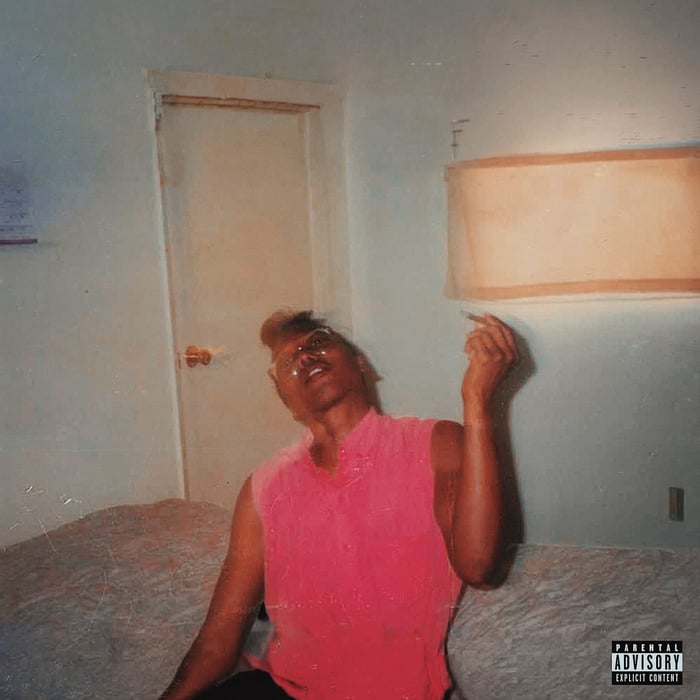
No Rest for the Wicked Review: AZ Chike Turns Success Into Overtime

 See more Architeg Prints stories on Google.
No Rest for the Wicked Review: AZ Chike Turns Success Into Overtime
No Rest for the Wicked is “made it” music that sounds weirdly exhausted—AZ Chike raps like the paycheck is real and the peace isn’t.
The real plot: getting paid doesn’t end the struggle—it hires it
Money is supposed to be the finish line. You run, you sweat, you “make it,” and then life turns into a beachfront screensaver. That’s the lie this album keeps poking holes in.
No Rest for the Wicked doesn’t sound like AZ Chike celebrating a glow-up. It sounds like he’s clocking in—again—except the job is managing the mess that poverty leaves behind. The record’s title isn’t cute either. It points straight at that old idea that the “wicked” don’t get peace, like restlessness is some moral punishment. And Chike flips it: the people who escape poverty don’t get peace either. They just get promoted into being poverty’s accountant.
I’m not pretending this is an economics lecture. It’s simpler and uglier than that. When you start earning, you don’t leave your past—you start financing it. You become the emergency fund, the insurance plan, the bail, the funeral, the “one last thing.” Some people call that the Black tax. In real life, it’s usually just called family, and the part nobody says out loud is: yes, it’s love… and it’s still a bill.
The Kendrick co-sign isn’t the beginning—it’s the receipt
Here’s the part outsiders always get wrong: they love a single moment. A stage cameo. A viral clip. A “now he’s up” timeline.
It would be easy to point at Kendrick Lamar’s Juneteenth Pop Out show at the Kia Forum as the spark that launched AZ Chike into a bigger tier. Kendrick doesn’t exactly hand out stage invites like flyers, so of course people treat that like the origin story. But listening to “Mercy”—the opener that comes in swinging—Chike raps like he’s irritated anyone would think he needed permission. He straight-up frames himself as inevitable, even before his verse on the GNX track “Peekaboo” got a second wind from all the noise around Kendrick’s Super Bowl halftime performance.
That line—“I was next before GNX”—isn’t just bragging. It’s him underlining something: the co-sign didn’t create the hunger. It just made the room admit it.
And honestly, I thought I was walking into a major-label debut where the artist plays it safe, sands off the roughness, smiles for the cameras. On second listen, I realized the “safe” choice would’ve been pretending he’s relaxed. Chike does the opposite. He documents the grind like it’s tedious, not glamorous.
A scene veteran acting like a rookie would be insulting
Chike’s career doesn’t feel like a sudden explosion. It feels like a train that’s been running the same route for years—South Central, Watts, Compton, Long Beach—back and forth until somebody important finally looked out the window.
When he dropped “Burn Rubber Again”—built on an interpolation of Too $hort’s “Burn Rubber”—LA street rap was already picking up fresh industry attention. The weird part is how long it seemed to take for AZ Chike to get properly “counted” in that wave, even while his peers were getting the handshake.
So he did what ignored rappers always do: he kept working. Projects, singles, constant motion, frequently alongside regular collaborators Rucci and AzSwaye. The album ends up sounding like a product of that pace—like someone who learned not to wait for the gate to open.
That’s why the confidence on the big moments doesn’t read as forced. It reads as overdue.
“Look Like My Mama” is hookless on purpose—and that’s the point
The Tyler, The Creator-assisted “Look Like My Mama” is the clearest example of Chike refusing to tiptoe. The verse isn’t cautious, isn’t grateful-begging, isn’t “hope you like me.” It’s a flex session with teeth.
Tyler comes in styled as Mr. Hundred Millio, tossing out luxury images like they’re receipts. Chike meets him at speed, double-time, packing meaning into tight pockets. There’s no hook, which is either a bold choice or a stubborn one—depending on your tolerance for rap songs that refuse to give you a sing-along.
I kept waiting for the track to open up into something catchier, and it never does. That might lose some listeners. But I think the lack of a hook is the whole message: this is what two financially solvent rappers sound like when they don’t need the chorus to convince you.
Some lines hit because they’re funny in a deadpan way:
- Chike promising, “Bet a bitch get tired before I stop throwin’ money,” like he’s describing stamina training.
- The food-money metaphor: “Call it pita bread, big bag, I mean hummus.”
- The cleanest brand flip on the album: “Try to throw me off my pivot, but the check say New Balance.”
- And the most honest co-sign nod: “Hoppin’ the fence to the top, T came gave me a boost.”
The song doesn’t pretend the boost didn’t matter. It just refuses to act like the boost is the whole story.
“The World Is Ours” pretends not to try—then wins by not sweating
After that, “The World Is Ours” plays like a victory lap that barely lifts its feet. Tyler repeats the title like a mantra, and Chike’s flex is almost aggressively minimalist: no chains, no loud theatrics, just small choices framed like power.
He even brags about drinking habits—“Rather drink room temp, bitch / I don’t fuck with ice”—which is such an unnecessary detail that it circles back to being convincing. That’s the point: when you’ve really got money, you start flexing with preferences instead of purchases.
A reasonable person could say this is shallow. I’d argue it’s a smarter kind of arrogance: the album is showing how success changes what counts as “proof.” The proof gets quieter.
The album’s real heart is insomnia, obligations, and chemical peace
Here’s where No Rest for the Wicked stops being just street-rap triumph and starts sounding like a man bargaining with his own nervous system.
The most revealing songs are the ones that admit the toll:
- “Sky Rockets” (produced by Terrace Martin)
- “Wonder” (produced by Sounwave)
On “Sky Rockets,” Chike sketches a childhood that wasn’t stable enough to romanticize. The numbers alone feel like a stomach drop: five elementary schools, two middle schools, three high schools—constant displacement that turns “home” into a rotating door.
He raps about bouncing house to house because the basics were always due—milk, lights—like the family budget was permanently one day away from shutting off. He mentions getting his grandmother tattooed on his arm in seventh grade, which hits as both devotion and a kid trying to create permanence with ink because nothing else stays put.
Then he gets blunt about the family’s reality: his mother and grandmother running a drug business out of the house. No movie framing, no dramatic soundtrack—just the kind of detail that explains how “survival” becomes normal before you even understand what it costs.
And the violence isn’t stylized either. He recalls an old-timer getting shot and dying on the corner—falling dead standing up, beer still in hand—which is such a specific image it doesn’t feel written; it feels remembered. Another moment sticks: his mother tackling him to the floor when someone fired shots off the front porch while she was eight months pregnant. That’s not a “tough” story. That’s a panic memory.
If you’re wondering why the album keeps coming back to sleeplessness, that’s why. Your body doesn’t forget that kind of living.
“Uncomfortable Conversations” is a love letter written in invoices
The album’s most naked accounting happens on “Uncomfortable Conversations.” It plays like a mini balance sheet—Chike listing what he covers, who he carries, how many people are eating because he’s earning.
He talks about putting people from all the houses he grew up in on payroll. That’s a wild sentence when you sit with it. It means his past isn’t behind him; it’s on direct deposit.
There’s paranoia under the generosity too—“How many nos until they start to go against me?” That question is brutal because it’s not really about money. It’s about whether love is conditional.
“Even though I let you use me, I understand it
As long as you straight, it don’t matter about the damage.”
That’s not virtue. That’s resignation dressed up as duty.
Then comes the part that actually stings: he asks for repayment that isn’t cash. A pat on the back. Love. Something. Instead he admits he leans harder on drugs—because chemical comfort doesn’t argue, doesn’t guilt-trip, doesn’t ask for another favor tomorrow.
He even drops a concrete number: $30,000 to his mother in two months, and he frames it as both devotion and frustration—calling out poor money management while still insisting, basically, but I’m a true son.
If you think this is just complaining, you’re missing it. This is what “making it” looks like when the victory comes with a monthly obligation.
“Rock Bottom” sounds like the scariest part of success: the deadline
The Hit-Boy-produced “Rock Bottom” is where the whole thing tightens into a single worry: the pressure doesn’t ease up just because the contract is signed.
He raps about being freshly signed with an album due and being over budget, which is the least glamorous sentence you can put in a rap song—and that’s why it works. It sounds like the moment the fantasy collapses into responsibility.
Then he lands the real question: how does he follow his gut and keep his people eating? That’s the album’s central trap. The gut says protect yourself. The heart says feed everybody. The industry says deliver on time. None of them care whether you sleep.
“Wonder” turns jealousy into a symptom, not a storyline
On “Wonder,” the surface plot is relationship tension—mutual jealousy, a partner snooping through his laptop and phone, him promising to treat her “like my rib.” But it doesn’t behave like an R&B crossover or a tidy love song. It feels like Chike using romance as a container for something bigger: anxiety that leaks into everything.
The verses drop lines like:
- “Not the first and not the last to go through these troubles”
- “Will I wake up in cold sweats and start to swing?”
That second one doesn’t sound like jealousy. It sounds like trauma reflex—like the body snapping awake ready to fight because it remembers scarcity as danger.
He positions God as the last resort—what’s left after Adderall and amphetamine fail to deliver the calm they promised. And I’ll admit, I’m not totally sure whether the song wants redemption or just a quieter version of the same chaos. It leaves that door half open, which feels honest… and also a little unsettling.
“Packed Up” draws a line between the person and the performer
The bouncy “Packed Up” is where he separates AZ Chike from “Chizzle”—performer versus person—and takes aim at the way people get disrespectful behind screens under the disguise of “content.”
This isn’t a full anti-internet lecture. It’s more like an annoyance boiled down into rhythm: Chike sounding tired of being treated like a character in someone else’s feed.
A fair critique: the song’s attitude is sharper than its argument. The energy is there, but the point flashes by fast. Still, that might be intentional—he’s not trying to convince the comment section. He’s trying to stop reading it.
Sharper bars, severance checks, and the haunted confidence of “Hateful + Grateful”
Compared to earlier work, the rapping here feels tighter—more decisive, less like he’s proving he belongs. He even starts talking about cutting people off: “Now meet your severance.” The disrespect isn’t just personal; it’s framed as stupidity—people ruining long-term riches for small change.
He’s not pretending to be some labyrinthine lyricist. The punch comes from clarity. The lines land because he doesn’t decorate them.
On “Hateful + Grateful,” one bar basically tattoos the album’s thesis on the wall:
He mentions six million off the Warner deal but says he’s still rapping like he’s struggling—solvent, but haunted. That’s not contradiction. That’s the entire point of the record: your bank account can change faster than your nervous system.
Later, he notes that beef often starts as friendship, and when it’s time to clean house, he does it without contact—just a dustpan. It’s a cold image, and it fits. This album isn’t about dramatic explosions. It’s about quiet, relentless subtraction.
Conclusion: the wicked aren’t villains here—they’re just awake
No Rest for the Wicked keeps circling one idea until it starts to feel like a physical condition: restlessness isn’t punishment for being evil; it’s what happens when you “win” but still have to carry everybody across the finish line.
Chike documents success like it’s a new kind of chore—bigger checks, bigger obligations, less sleep, more chemicals, and a constant audit of who loves you versus who loves what you can do for them. If that sounds bleak, good. It’s supposed to.
Our verdict: People who like rap that flexes and keeps the anxiety in the frame will actually love this album—especially if you’ve ever felt like “helping” became your whole personality. If you only want clean victory anthems and big hooks to chant in the car, this will feel like overtime paperwork with hi-hats (and you’ll probably tap out halfway through).
FAQ
- What is the core theme of No Rest for the Wicked?
The album keeps returning to how making money doesn’t erase struggle—it rearranges it into family obligations, paranoia, and sleeplessness. - Which songs show AZ Chike’s personal backstory most clearly?
“Sky Rockets” gets the most specific about childhood instability, family survival tactics, and violence that still shows up in his sleep. - Is “Look Like My Mama” a typical single?
Not really. It skips the hook and leans into rapid, brash verses—more a statement of status than a catchy radio play. - Who are the key producers mentioned on the album?
Terrace Martin (“Sky Rockets”), Sounwave (“Wonder”), and Hit-Boy (“Rock Bottom”) are explicitly tied to the record’s most revealing moments. - Does the album sound like a Kendrick Lamar co-sign moment?
It references the co-sign energy around GNX and big stages, but the album’s attitude is basically: he was coming with or without the spotlight.
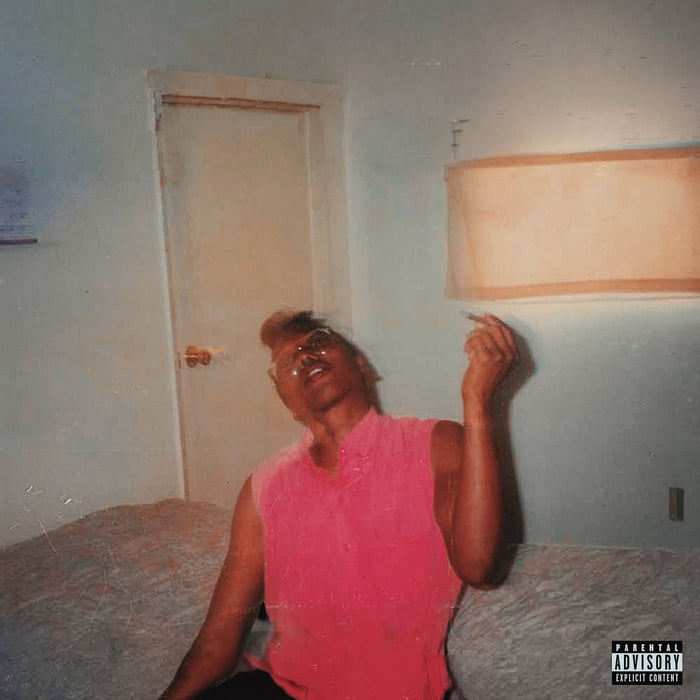
If you’re the type who hears an album like this and starts picturing the cover on your wall, you can always shop your favorite album cover poster at our store: https://www.architeg-prints.com.
 | DISCOUNTGET 30% OFF*Use code on your next order:
|
* This post may contain affiliate links, meaning we earn a commission if you make a purchase through these links, at no additional cost to you.