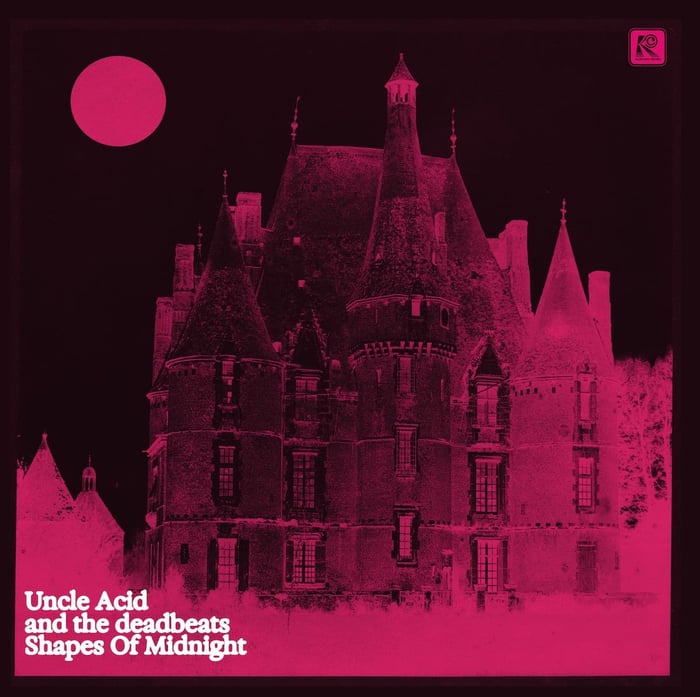
Shapes Of Midnight Review: Uncle Acid’s “Pop-Metal” Is Weirdly Catchy


 See more Architeg Prints stories on Google.
Shapes Of Midnight Review: Uncle Acid’s “Pop-Metal” Is Weirdly Catchy
Shapes Of Midnight turns doom into earworms—like Sabbath got stuck at a haunted disco.
A band that shouldn’t be this big (but is)
Uncle Acid & The Deadbeats still feel like an accident that kept working. They came out of Cambridge back in 2009 with this foggy, lamplit vibe—like the whole band rehearsed under a streetlight that’s about to flicker out for good. And somehow that turned into real momentum: not just a niche cult thing, but a proper force in psychedelic doom.
What hits me is how unreasonable their appeal is. The music is heavy, yes, but it’s also tuned to pop instincts—sticky melodies, choruses you remember against your will, riffs that loop like intrusive thoughts. The easiest shorthand is “Black Sabbath meets The Bee Gees,” which sounds like a joke until you actually listen and realize: yeah, that’s the gross little secret. These songs sway. They glide. Then they stab you.
And the band clearly likes that contradiction. They don’t write “evil” like it’s a costume. They write it like it’s a weather system moving in—slow, inevitable, and kind of stupidly catchy. If you’re the sort of person who thinks music should be morally hygienic, this is the part where your eye starts twitching.
Shapes Of Midnight: the seventh album, and it’s still playing games
Here’s the thing: Shapes Of Midnight is their seventh full-length album, and it doesn’t sound like a band running out of ideas. It sounds like a band getting more confident about the specific flavor of wrongness they sell.
They’re still doing that catchy-but-unsettling pop-metal thing, and the low-fi approach feels chosen, not accidental. It’s not “we can’t afford clarity.” It’s “clarity would ruin the spell.” The edges are smeared on purpose.
And I know this comparison will annoy some people, but I kept thinking: this is sort of what it would sound like if Ghost cared less about entertaining an arena and more about committing to outright evil. Not “wink-wink Satan.” More like: “No, seriously, lock the door.”
At first I thought the lo-fi sound might wear me out over a full album—like chewing the same strong mint for an hour. But on second listen, I started to hear it as part of the pacing: the fuzz acts like a curtain, and the hooks keep pushing through it like hands.
Video: “House By The Grave” (and a clue to the album’s mindset)
This track is a clean example of what Uncle Acid is doing here: making something immediate and singable, then staining it so you don’t feel fully comfortable enjoying it.
I kept waiting for the song to “open up” into something glossy or triumphant, because the melody almost invites that. It never does. It stays grimy, like the band refuses to let you have the clean version. That stubbornness is basically the thesis of Shapes Of Midnight.
Not a “concept album,” but it absolutely has a single cold heartbeat
So no, Shapes Of Midnight isn’t a concept album in the classic, rock-opera sense. Nobody’s narrating a storyline at you. But the record still behaves like one long hallway lit by the same dying bulb. The atmosphere doesn’t reset from track to track; it accumulates.
The album pulls some inspiration from Edgar Allan Poe’s “The Masque of the Red Death,” and you can hear that influence in the way the music feels decadent and trapped at the same time. The songs don’t just sound spooky—they sound like a party that refuses to stop even after the air turns poisonous.
I can picture it too clearly: the band playing “Don’t Let It Control You” at a grand ball, while the masked figure drifts between guests and nobody admits what they’re seeing. The hook is doing one thing, the mood is doing another, and the band lets both sit in the same room like it’s normal.
That’s the album’s real trick: it makes dread feel danceable without turning it into a gimmick.
This time, the guitars take back the room
The most noticeable shift from the previous record is how guitar-driven this one is. Nell’ Ora Blu leaned heavily into synths, but here the guitar work from Kevin R. Starr and George Hudson gets pushed right to the front.
That choice matters, because it changes the body language of the album. Synth-forward Uncle Acid can feel like a spell being cast. Guitar-forward Uncle Acid feels like a door being kicked in—still psychedelic, still stylized, but more physical.
- “Psycho On The Loose” and “When Evil Wakes” lean into a proto-metal vibe that feels older than nostalgia—more like the band is deliberately time-traveling to when riffs were blunt instruments.
- “I Won’t Sleep (‘til You’re Gone)” lands like an unearthly mash of seventies prog and dark pop, and it’s one of those moments where you can tell the band is brave enough to risk prettiness.
There’s even saxophone tucked into the background at one point—barely there, like a suspicious shadow at the edge of the frame. And honestly, it shouldn’t work. It sounds like the kind of detail a band adds right before they lose the plot. But here it plays like a wink from inside the cult: even murderous hippie weirdos want to “kick out the jams” sometimes.
If I’m being picky, there are moments where the record’s devotion to its own haze makes individual parts blend together a little too well. A sharper contrast now and then wouldn’t have killed the vibe. Still, the album mostly uses sameness the way horror uses repetition: to make you feel stuck.
Hooks, muscle, and the song that points at the stars
The transition from “creepy” to “propulsive” is where this album starts flexing. “The Other Side Of The Sky” has force—part big rocker, part head-trip—and it’s one of the clearest examples of Uncle Acid refusing to choose between a punchy track and a mind-bending one.
And yeah, it’s catchy. The band clearly understands hooks, and they’re not shy about it. That’s an arguable move in doom-adjacent music, where some listeners still act like memorability is a sin. But Uncle Acid doesn’t treat hooks like a compromise. They treat them like bait.
What surprised me is how often the hook wins without defanging the track. It’s not “radio-friendly” (whatever that means in 2026). It’s just direct. A lot of bands hide their best ideas under ten layers of texture; Uncle Acid lets the chorus stand in the doorway and stare at you.
They close it out like they know exactly who they are
The album finishes strong, and the closer energy feels intentional rather than accidental—like they planned the comedown as carefully as the high. “Sleep No More” rides laidback riffs and a Hammond organ that gives the whole thing a warm, haunted glow.
It’s the sort of ending that makes you nod along even if you don’t want to. I could easily imagine Tony Iommi hearing those shapes and approving—not because it’s imitation, but because it understands the simple dignity of a riff that doesn’t beg.
And that’s what this band keeps doing: they take the old ingredients and cook them until they smell slightly wrong.
Why it feels fast, even when it isn’t
Shapes Of Midnight isn’t a short album, but it moves like one. That’s usually the sign I trust most: when a record doesn’t feel like it’s asking for patience. It feels like it’s pulling you through rooms before you get a chance to check the exits.
Part of that is the consistency of the atmosphere, but part of it is the band’s discipline—most tracks have a point, a hook, a mood shift, something that keeps the wheel turning.
There’s also a practical reason the sound has such a distinct flavor: the album was recorded entirely on instruments and recording equipment older than the band. That’s not trivia; you can hear it in the grain of the tones. The record doesn’t sound “retro” in a polished costume way. It sounds like the tools themselves are arguing back.
And honestly, I didn’t predict this band would climb like they have. A group with this much murk, this much commitment to grimy melodrama, usually stays a cult. But Uncle Acid keeps rising anyway—probably because they understand that being catchy is a weapon, not a concession.
If you think Green Lung sounds too modern and you want something with more vintage grit in its teeth, Shapes Of Midnight is ready to fog up your glasses.
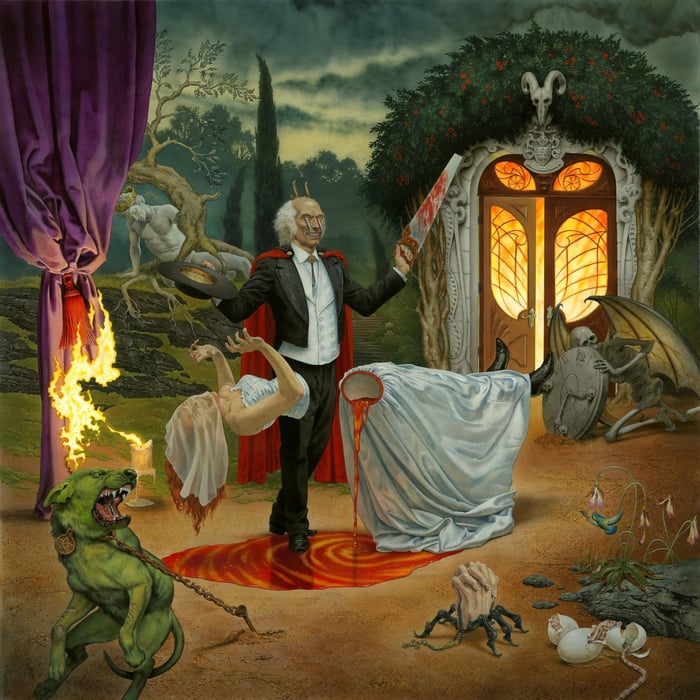
Album art
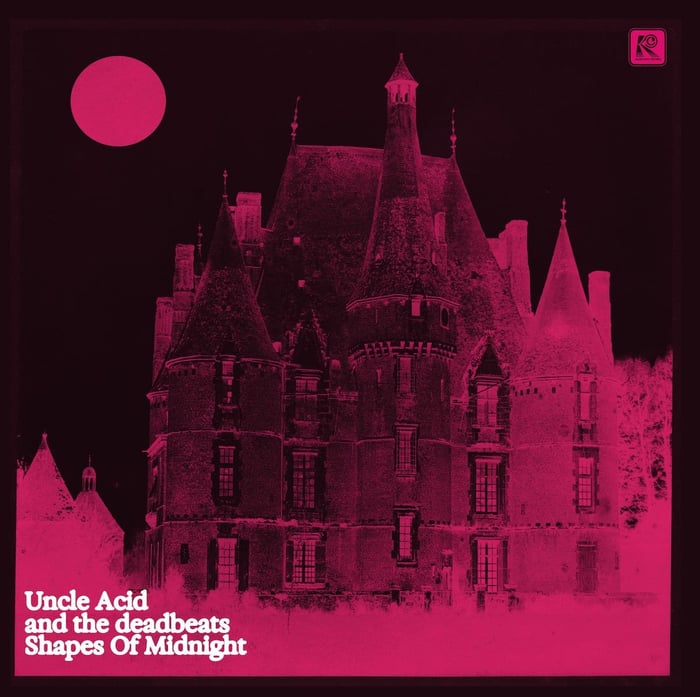
Release info (the practical stuff)
Shapes Of Midnight is set for release on September 18th via Killer Candy Records.
If you want to keep up with the band directly, they’re on Facebook: https://www.facebook.com/uncleacid/
Conclusion
Shapes Of Midnight doesn’t try to modernize doom or clean it up—it tries to make pop music out of a bad omen. And against common sense, it works more often than it should.
Our verdict: People who like their hooks dragged through candle wax will love this album. If you need your heavy music crisp, bright, and “well-produced,” you’ll probably get annoyed and wander off—this thing likes its fingerprints on the glass.
FAQ
- Is Shapes Of Midnight a concept album?
Not in a strict narrative way, but it absolutely runs on a unified atmosphere inspired in part by The Masque of the Red Death. - What changed from Nell’ Ora Blu?
The big shift is the balance: this album is more guitar-forward, with Kevin R. Starr and George Hudson pushed front and center. - Which tracks lean most into proto-metal?
“Psycho On The Loose” and “When Evil Wakes” hit that older-school, early-metal pulse the hardest. - Is it actually catchy, or just heavy and hazy?
It’s genuinely hooky—Uncle Acid leans into choruses instead of hiding them, even when the mood stays unsettling. - Does the lo-fi recording help or hurt?
Mostly helps—the grit feels intentional and period-authentic—but if you crave separation and clarity, it can blur details more than you’d like.
If this album’s mood is your kind of décor, a good poster is basically the final piece of furniture. You can grab a favorite album cover print at our store here: https://www.architeg-prints.com
 | DISCOUNTGET 30% OFF*Use code on your next order:
|
* This post may contain affiliate links, meaning we earn a commission if you make a purchase through these links, at no additional cost to you.